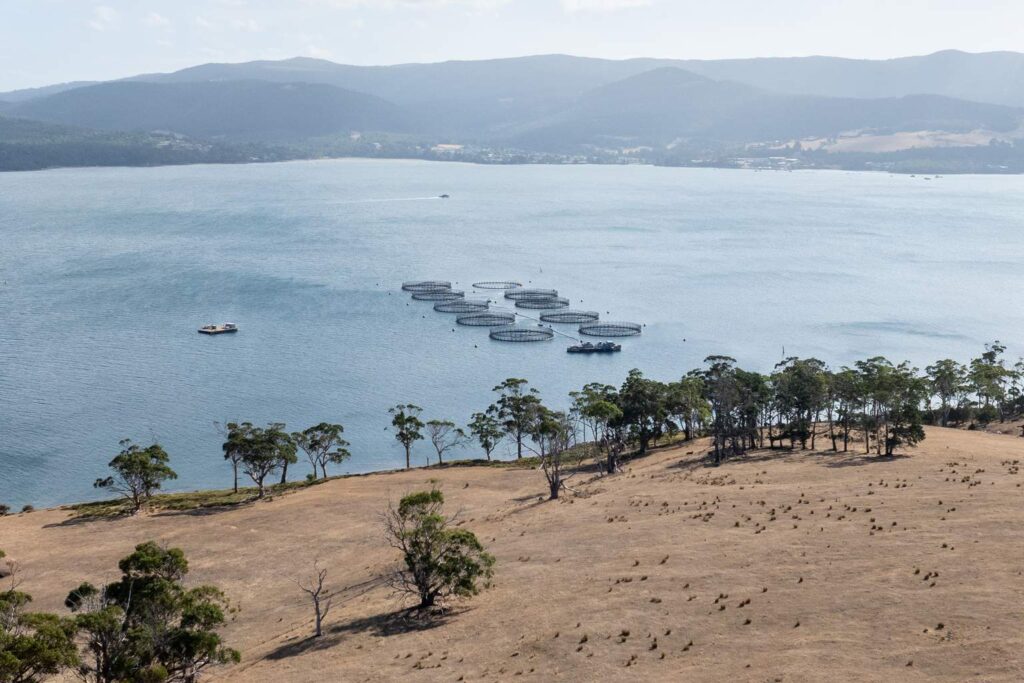
The Huon Valley Council is calling on the state government to install signs at boat ramps warning recreational fishers about antibiotic use in nearby salmon farms.
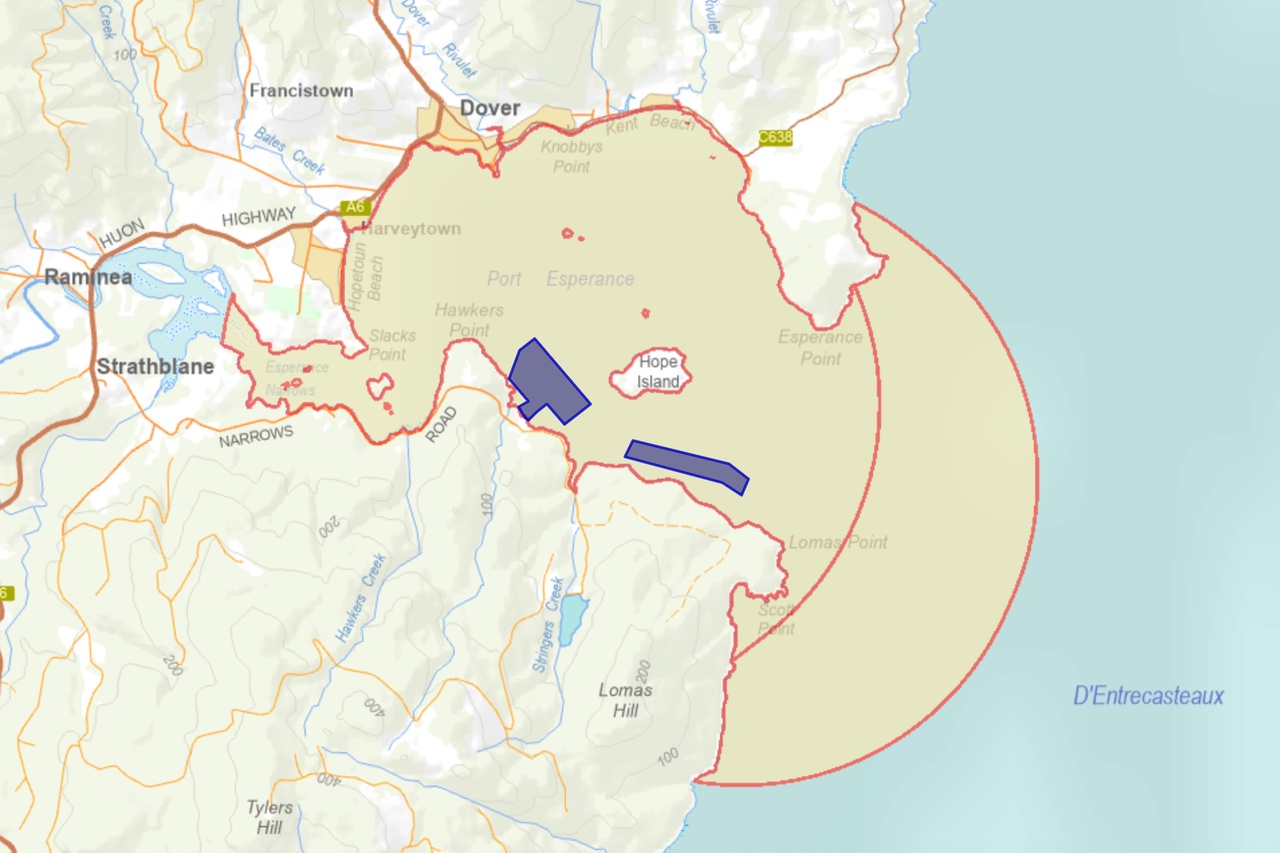
It follows health advice cautioning fishers about eating fish caught within three kilometres of salmon pens treated with florfenicol – an antibiotic recently approved to combat parasites in farmed salmon.
Mayor Sally Doyle said locals deserve clear, accessible information.
“While the salmon industry is transparently reporting on when and where they are using florfenicol, there needs to be a single source of clear, factual and up to date information from the regulator,” she said.
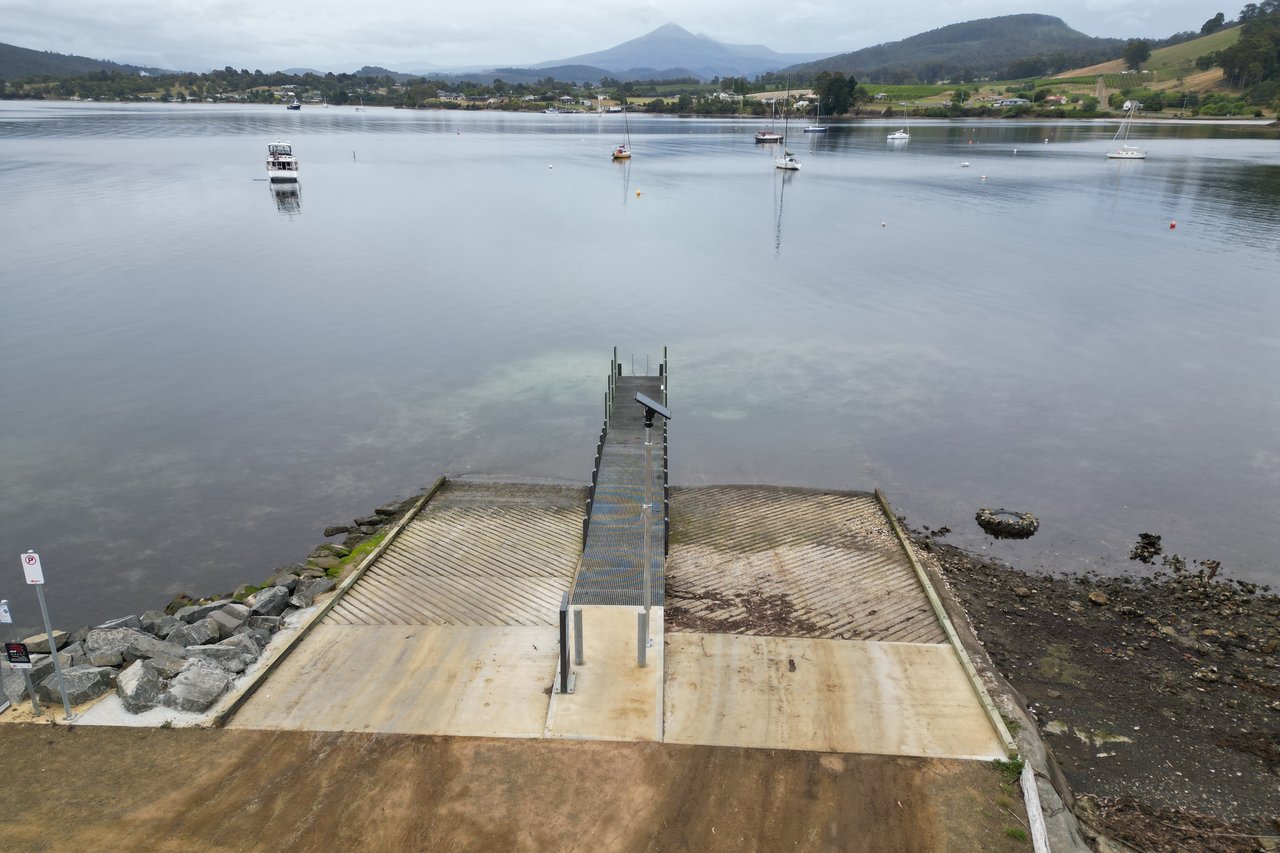
“We’ve requested that signage be installed at local boat ramps and popular foreshore fishing spots.”
The council wants the signs to include QR codes linking to real-time updates on affected areas.
“Our community deserves easy access to accurate information so they can make informed choices,” Doyle said.
The Department of Health issued precautionary advice last week recommending that fishers avoid eating fish caught within three kilometres of treated pens during treatment and for 21 days afterwards.
Director of Public Health Dr Mark Veitch said while there was “no evidence of harm to human health” from consuming traces of florfenicol, fishers may want to avoid exposure to antibiotic residues.
“After 21 days it is very unlikely that wild fish, even those caught within three kilometres of treated pens, will have any detectable traces of florfenicol,” he said.
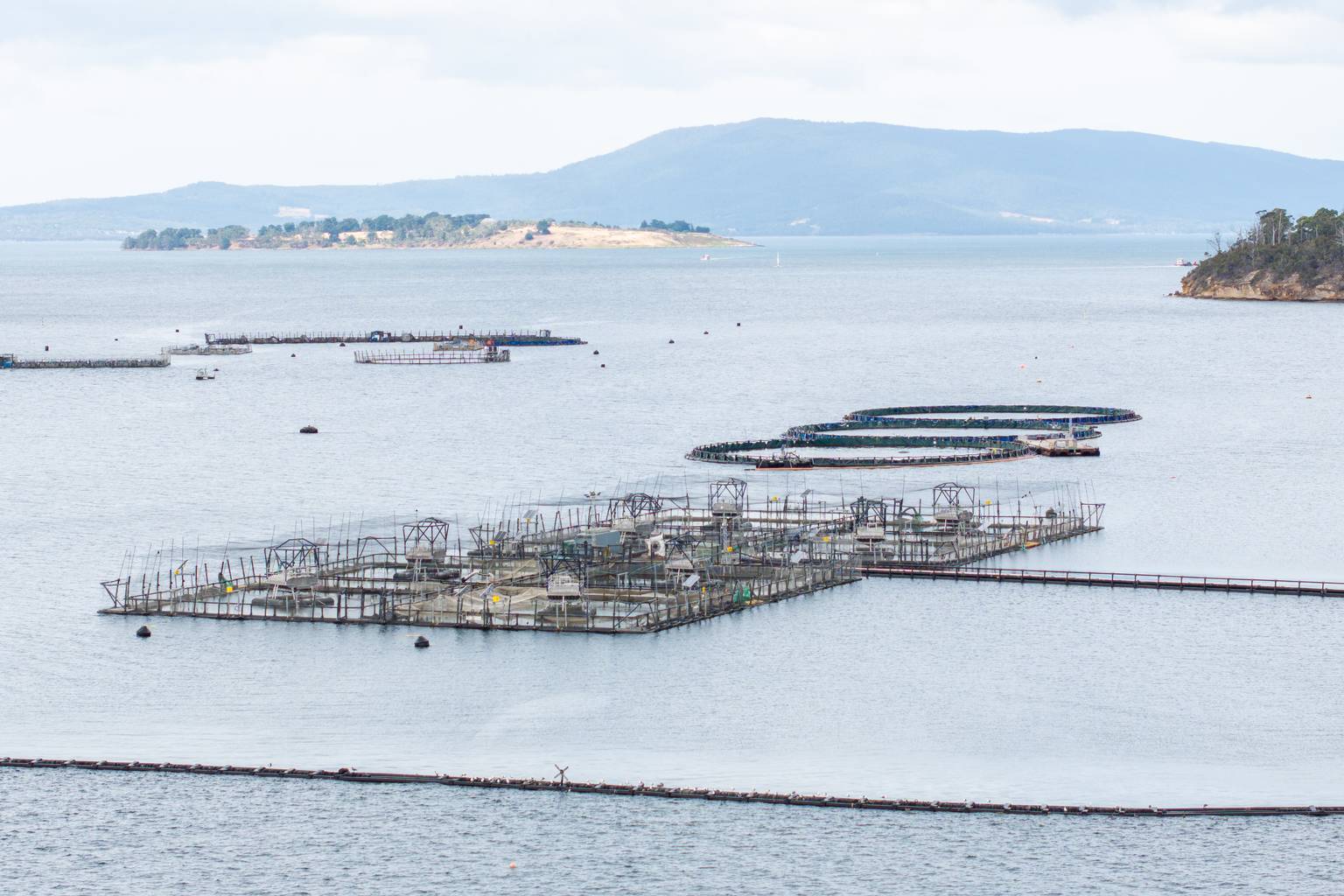
Wild fish near salmon farms can sometimes eat medicated feed intended for farmed salmon during treatment periods.
The council has contacted the EPA, the Department of Natural Resources and Environment and industry representatives seeking clearer communication and consistency.
It has also reached out to other coastal councils near salmon leases to coordinate a shared approach across the region.
The EPA is responsible for releasing information about which sites are being treated, while the salmon industry monitors environmental impacts, including florfenicol residues in wild fish.
Details on current treatment locations are available on the EPA website.