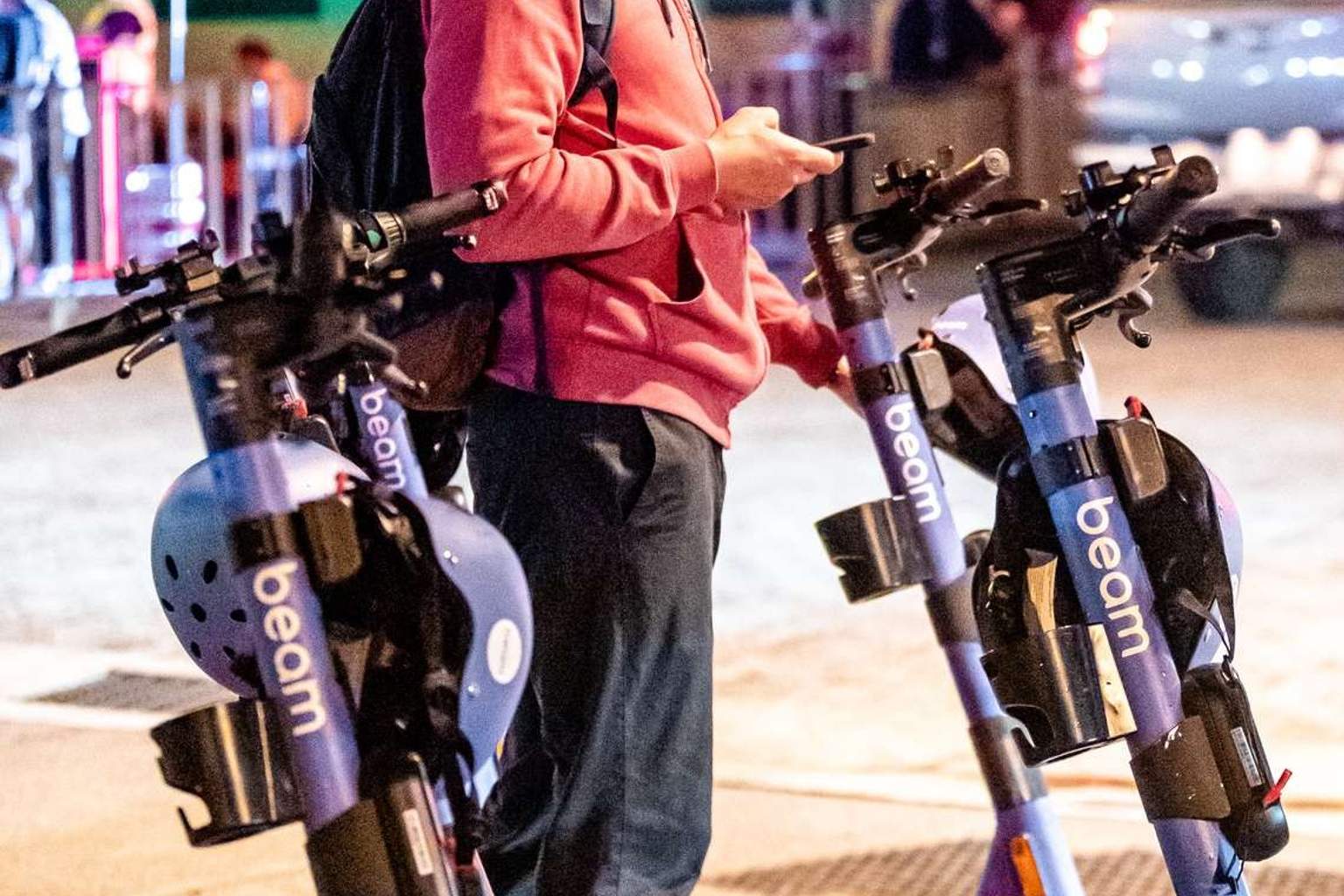
Beam Mobility will withdraw from Tasmania entirely, ending its e-scooter and e-bike services in both Hobart and Launceston.
The company confirmed its Hobart operations will end on June 30, with Launceston services to follow on July 14.
The move comes after Hobart City Council voted in April to scrap its mixed e-scooter and e-bike hire scheme and transition to an e-bike-only model, prompting Beam’s full exit from the state.
Launceston Mayor Matthew Garwood said the loss would be felt heavily in his city.
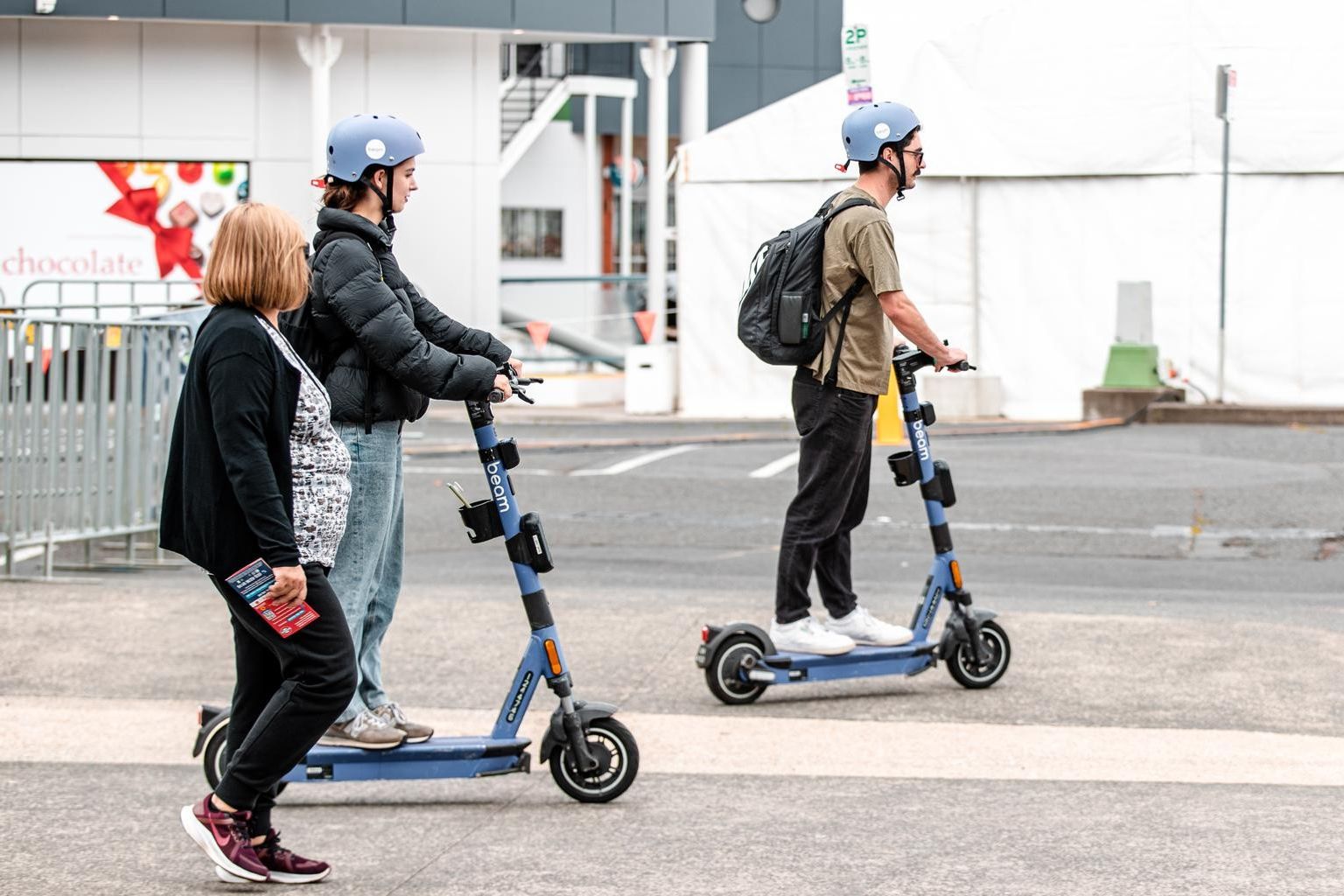
“It’s disappointing to see them go,” Garwood told Pulse.
“Whether you used them regularly or just every now and then, they provided an affordable way to get around the city and offered an alternative to jumping in the car.”

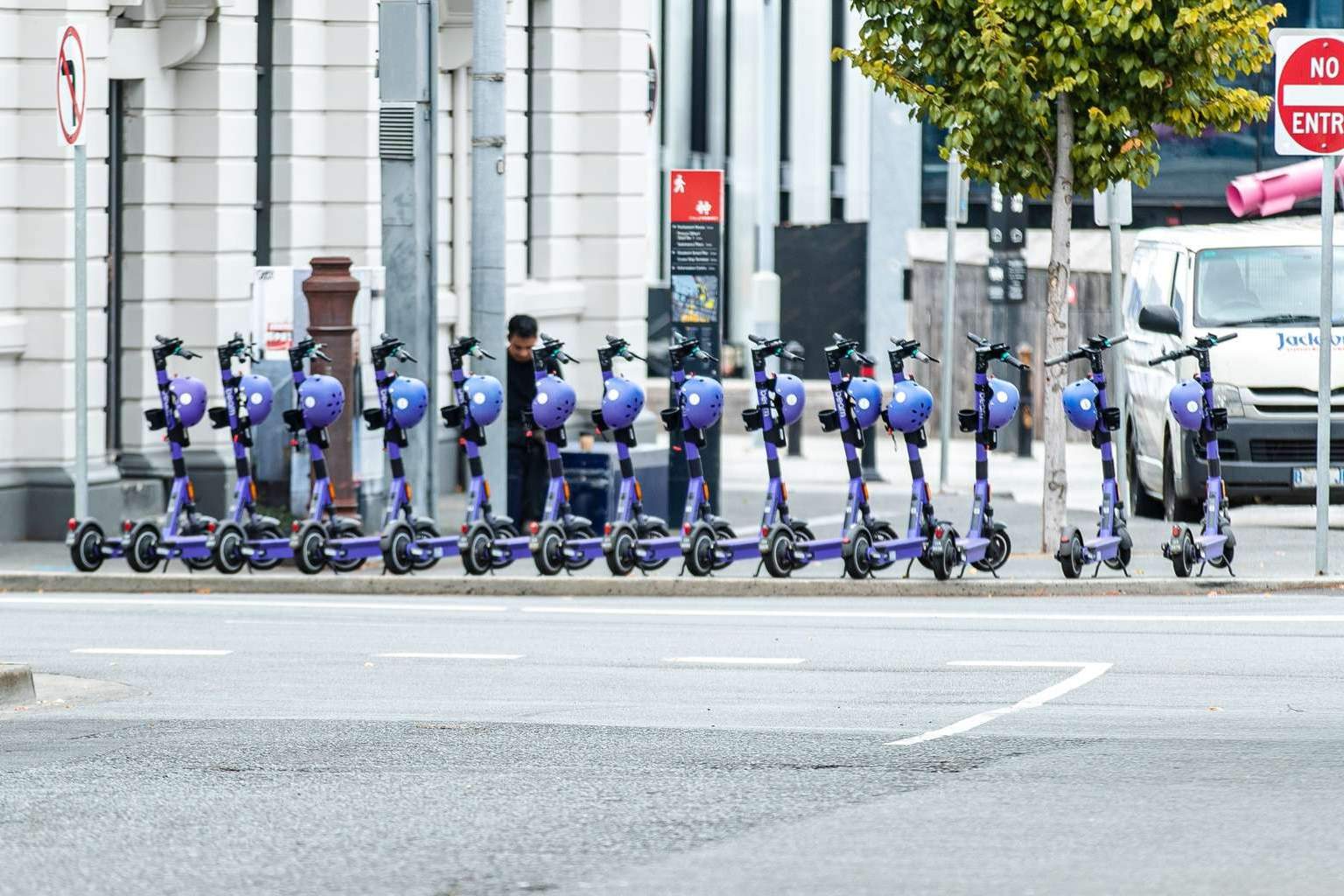
Garwood said the council had worked closely with Beam over the years to address community concerns, including introducing designated parking bays and geo-fencing technology to restrict scooter use in unsuitable locations.
“They might not have been everyone’s cup of tea, but plenty of people found them convenient and useful, particularly for short trips around the CBD,” he said.
“The city will continue to explore what other opportunities might exist in this space and prioritise affordable, active and alternative transport options for our vibrant community.”
Michael De Almeida, Beam Mobility’s head of operations for Australia and New Zealand, said the decision to leave Tasmania came down to seasonal demand and the company’s choice not to pursue a new contract.
Without a Hobart base, De Almeida said keeping Launceston running on its own wasn’t viable.
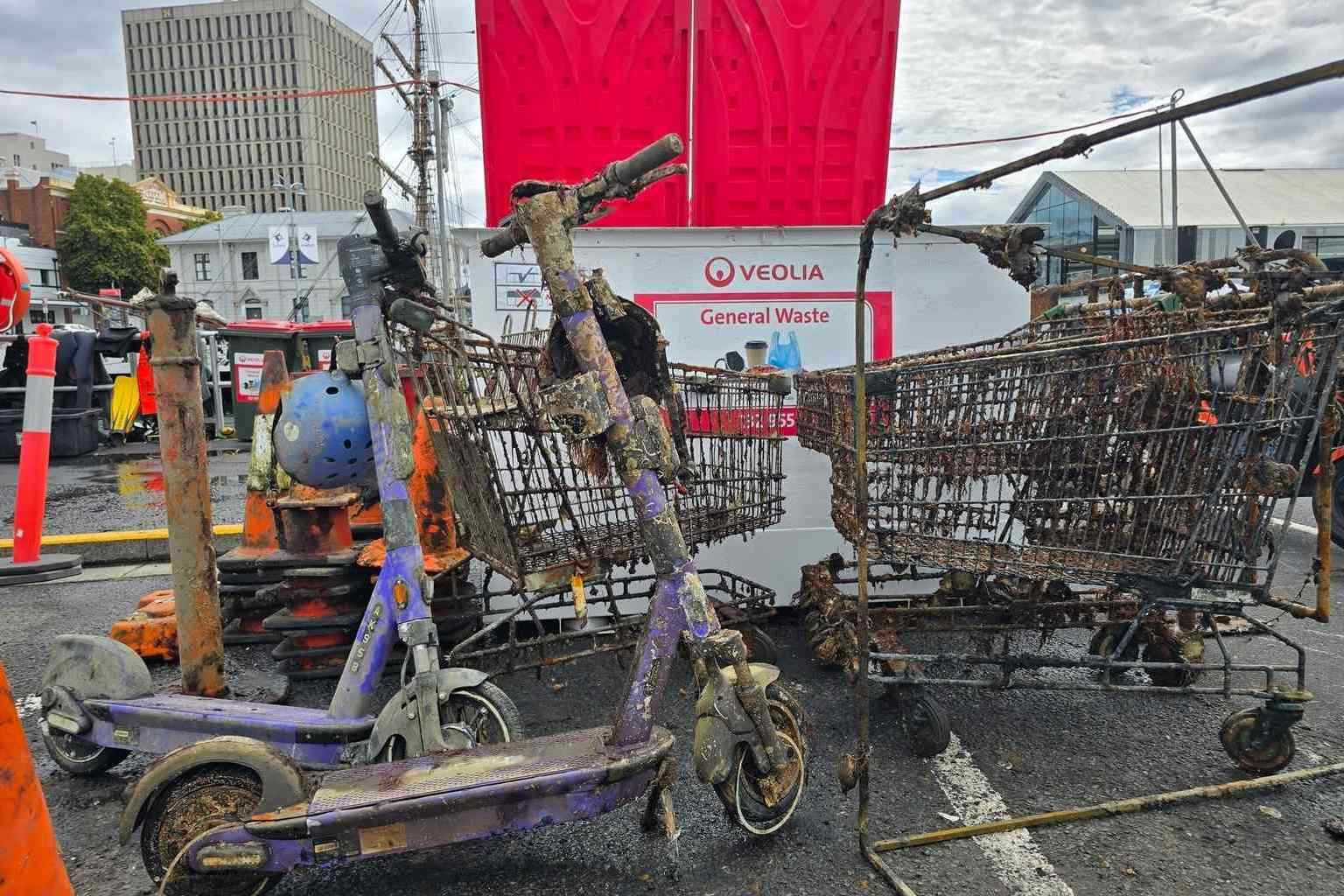
Hobart City Council’s decision to ditch e-scooters followed years of complaints about dumped scooters cluttering footpaths, safety risks and poor rider behaviour.
Disability advocates had repeatedly raised concerns about blocked paths and trip hazards for people with limited mobility or vision.
Beam had been the sole operator in Hobart since March 2024 after Neuron was phased out.
Since launching Tasmania’s first shared e-scooter program in December 2021, more than 1.1 million trips have been taken on Beam devices across both cities, covering close to two million kilometres.
In Hobart alone, riders clocked more than 800,000 trips, with 45% replacing a car journey.
Launceston recorded more than 350,000 trips, with 70% linked to a purchase at a nearby business and 47% replacing a car trip.
The company said more than 99.99% of trips were completed safely and without incident.
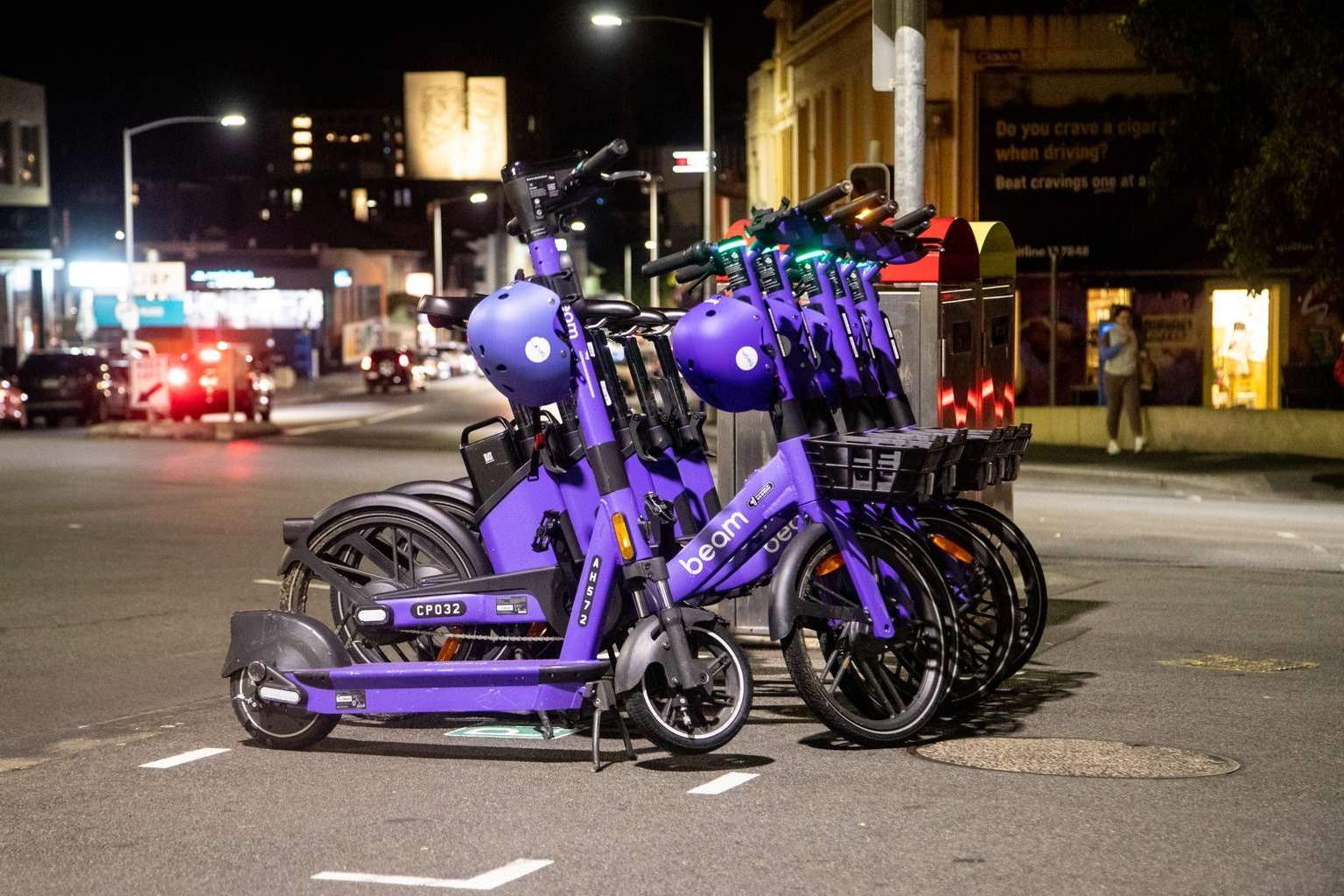
A tender will now open for a new e-bike-only operator in Hobart, with the council favouring smaller, compact bikes better suited to the city’s narrow streets and footpaths.