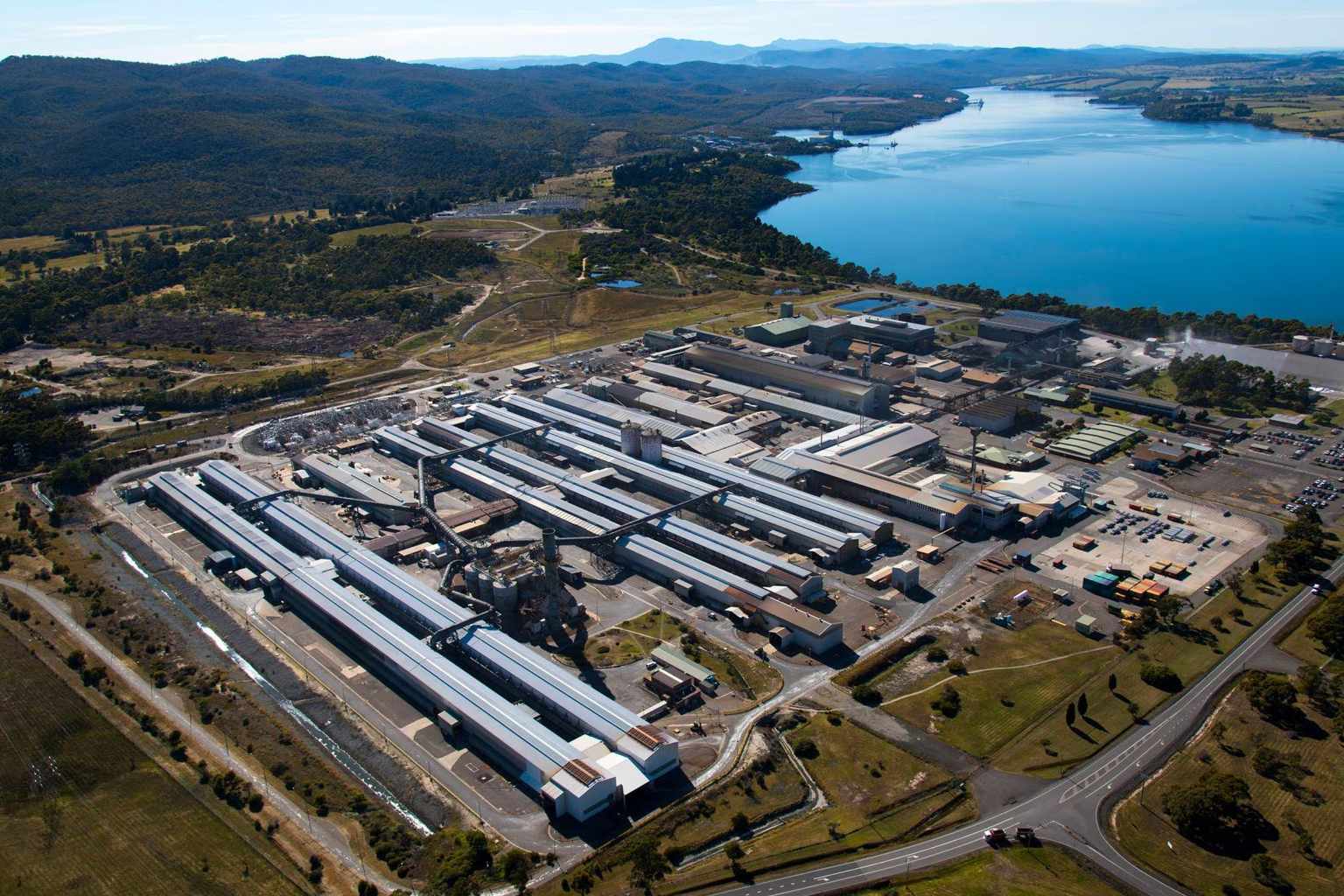
In the wake of Liberty Bell Bay’s collapse, concerns are growing about the future of another major industrial employer in the region, with state and federal politicians trading blame over who is responsible for securing Bell Bay Aluminium.
The Rio Tinto-run smelter employs more than 500 workers, but its power supply agreement with Hydro Tasmania expires on December 31 and no new deal is in place.
A key flashpoint is the federal government’s decision to back away from plans to include Bell Bay in the $2 billion Green Aluminium Production Credit scheme.
Felix Ellis, the state Industry Minister, said the move amounted to a broken promise.

“The Prime Minister promised specifically that on national television, he told the nation and he told the people here in Northern Tasmania that they’d receive the same kind of support that the other aluminium smelters have received around the country,” Ellis said.
Labor Bass MP Jess Teesdale said the scheme was designed to help coal-burning smelters shift to renewable energy.

Bell Bay has always run on hydro power.
“The green production credits aren’t due to come in until 2028 and they are designed for other companies to move onto renewable power,” Teesdale said.
She said a power price agreement between Hydro and Rio Tinto needed to be locked in before any federal support could flow.
Ellis said the state government had already offered concessional power prices, around a quarter of residential rates and half what mainland smelters pay.

A dispute also broke out over whether Hydro Tasmania had been willing to engage with Teesdale.
She said she had been reaching out for months with no response.
Hydro rejected that claim, saying Teesdale had been offered briefings and meetings over the past 12 months but had not accepted any invitation.
Hydro chief executive Rachel Watson said the company had pushed its offer as low as it could go without the deal becoming unworkable.
“There remains a gap between the price Hydro Tasmania can responsibly offer and the price Rio Tinto is prepared to pay,” Watson said.
She suggested government support may be needed to bridge the difference, as has happened for mainland smelters.