
Frustrated Hobart parents are calling for a trial tweak to Tasman Bridge lane changeover times, with Labor backing the push as the government defends the current setup.
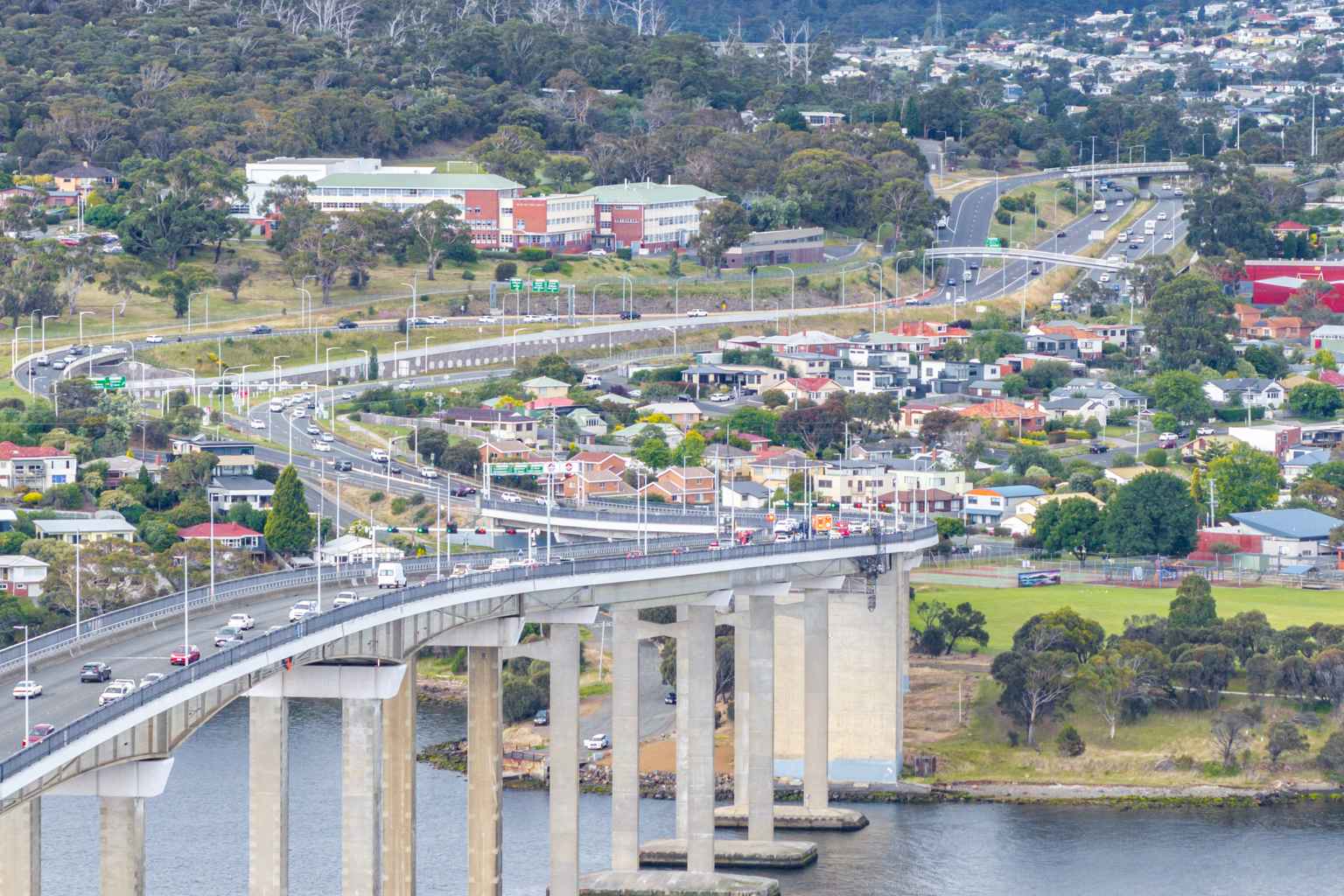
The bridge usually runs with three lanes heading to the eastern shore and two into the city.
But during weekday morning peaks, the middle lane switches direction to help city-bound traffic – leaving just one lane heading back out of Hobart.
That switch, which happens daily and reverts at 9am, is causing headaches for parents from either side of the river trying to cross the bridge after dropping kids at school, says Labor MLC Luke Edmunds.
“At the absolute time that the bridge is getting the most used, one of the lanes is out of action,” he told Pulse.
“We don’t know what the solutions are, but I think it’s worth a trial, because this is frustrating a lot of families on the eastern shore.”
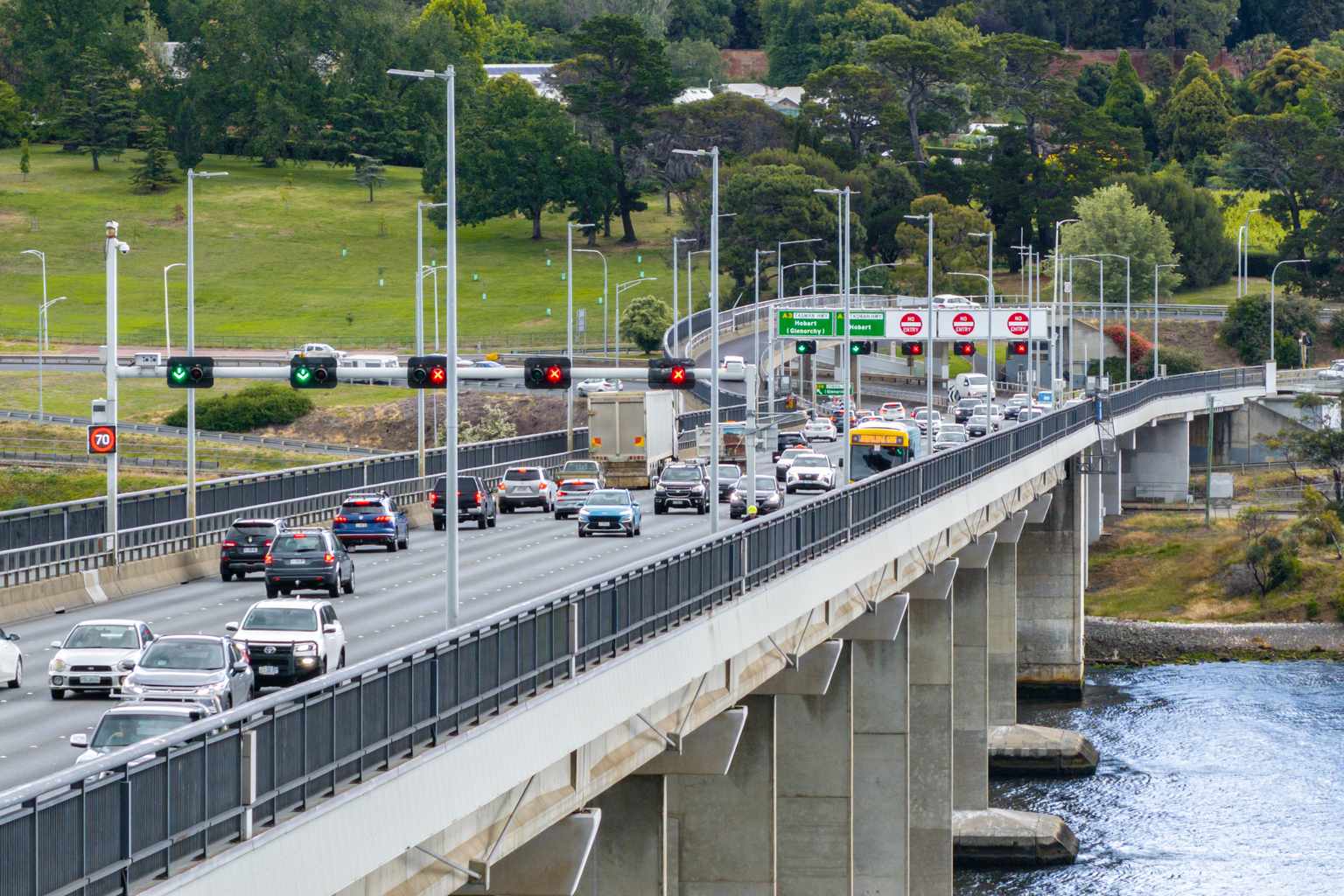
Edmunds formally raised the issue with the government months ago to no response, suggesting a 30-minute delay to the changeover could make a big difference.
But a Department of State Growth spokesperson told Pulse the current 9am changeover is carefully timed to manage traffic across the entire network.
“Delaying the switch will increase traffic backups on Macquarie Street through the city and on to the Southern Outlet,” the spokesperson said.
“This is because there is only a single lane for traffic from the city to the bridge during the morning tidal flow.”
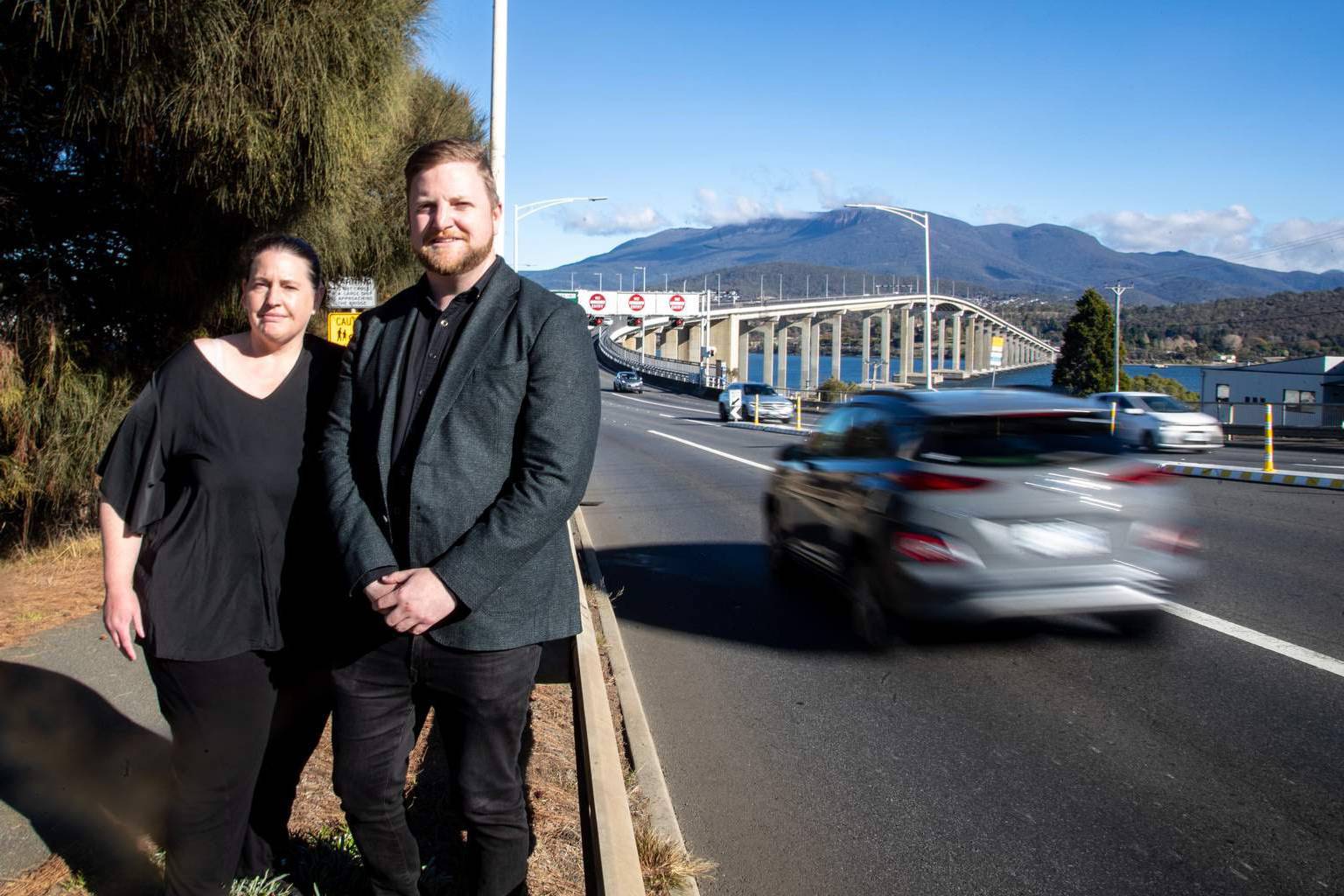
Lindisfarne local and early childhood educator Alison Walker joined Edmunds in highlighting how tricky the current setup is for working parents juggling school drop-offs and the commute back over the bridge.
She said traffic starts to clog as the lanes narrow before the bridge and even green lights can’t clear the gridlock.
“You can see that you’re just not going to make it. It’s just frustrating,” Walker said.

“I think it was probably designed at a time when this was not really a consideration. We have a bigger population on the eastern shore now, as well as more working parents. So it’s a combination of things.”
“But I’d really love to see a trial to see what change we could make.”
The State Growth spokesperson said the current system does have some built-in flexibility, although it may not be apparent to daily commuters.
“While the tidal flow switch typically starts at 9am, it is monitored daily from our traffic management centre and at times, due to an incident or unusual traffic flow, may be brought forward or delayed as required,” they said.
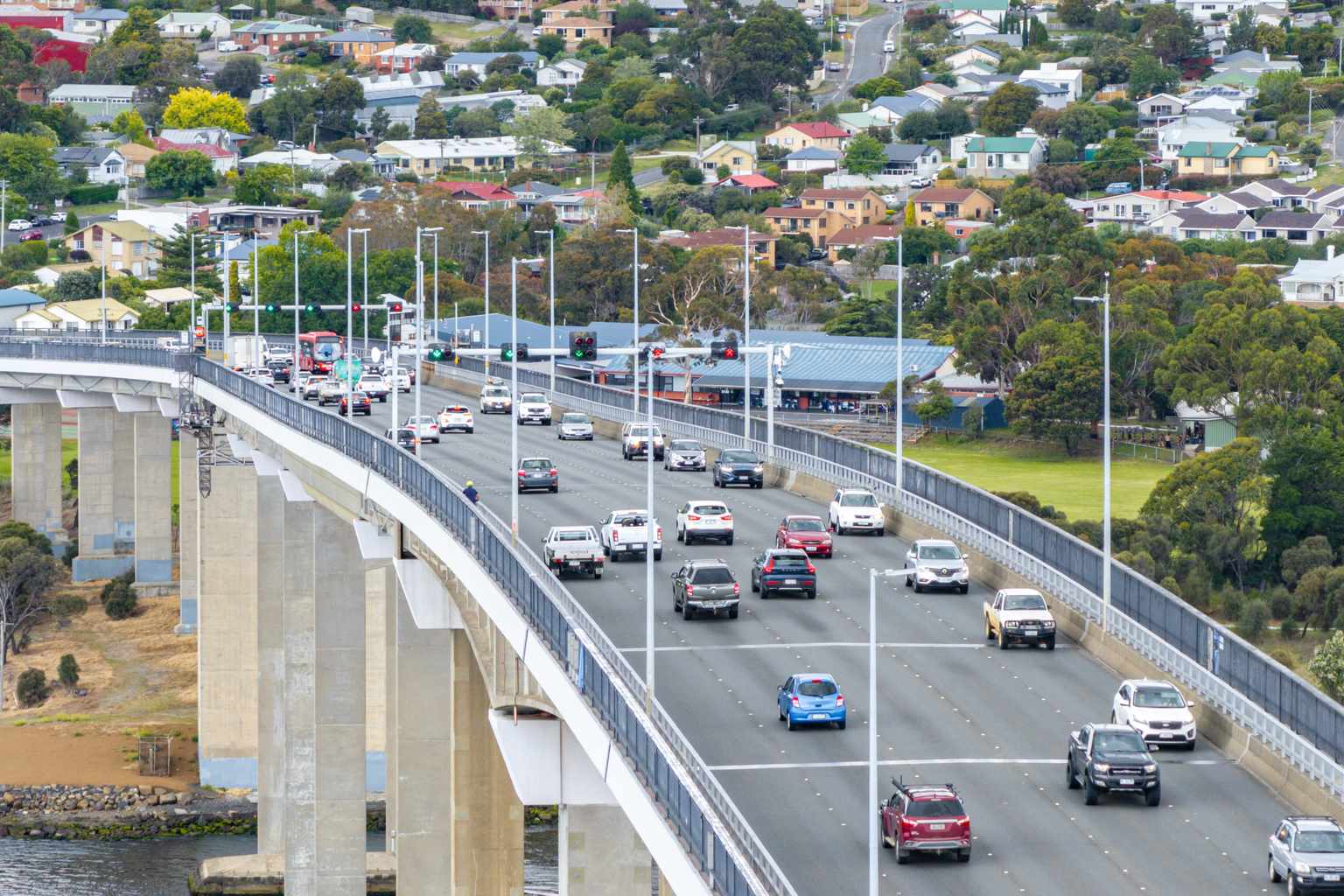
Edmunds said the ripple effect of these delays is bigger than just frustrated drivers.
“If people are late to their workplace, it has a snowball effect throughout the day,” he said.
“We want to see if this might make a difference for people and how it might affect traffic coming back the other way.”