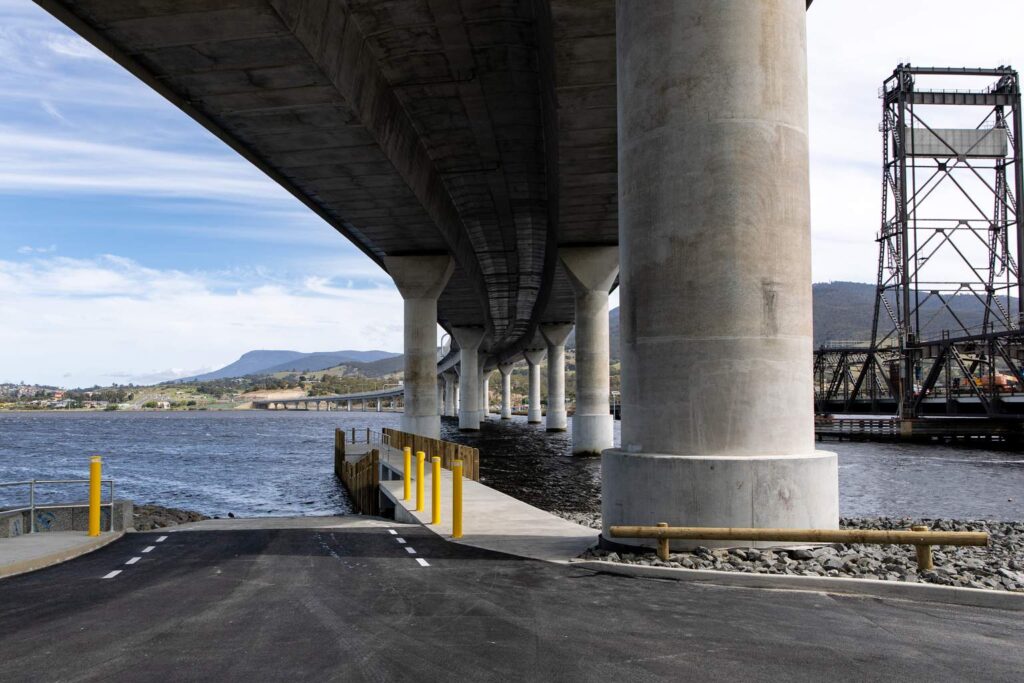
A “large” concrete crack labelled a “non-minor defect” was discovered in Tasmania’s $786 million Bridgewater Bridge just five days before it opened to traffic.
Right to Information documents reveal an independent inspection on May 17, 2025, identified the defect in Pier 1.
Engineers found loads on two southern piers were up to 100% higher than expected because land reclamation at the bridge’s southern end had not been properly factored into design calculations.
The miscalculation caused the concrete plinth – a pedestal connected to a shear key that controls bridge movement – to exceed its service limit state and crack.
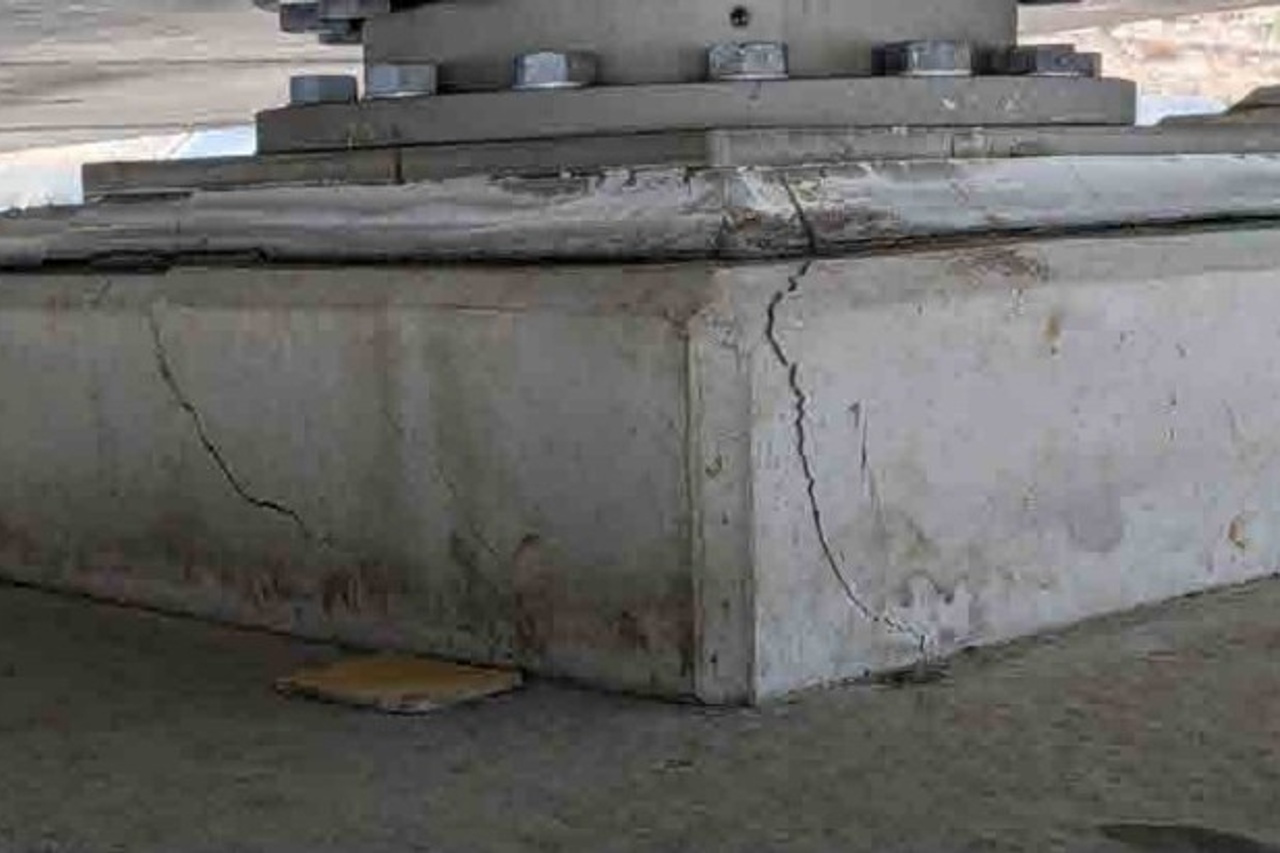
Workers completed strengthening works at five locations before the June 1 opening, with further rectification carried out in the months that followed.
Project director Ben Moloney told reporters on Thursday the bridge had always been safe to use.
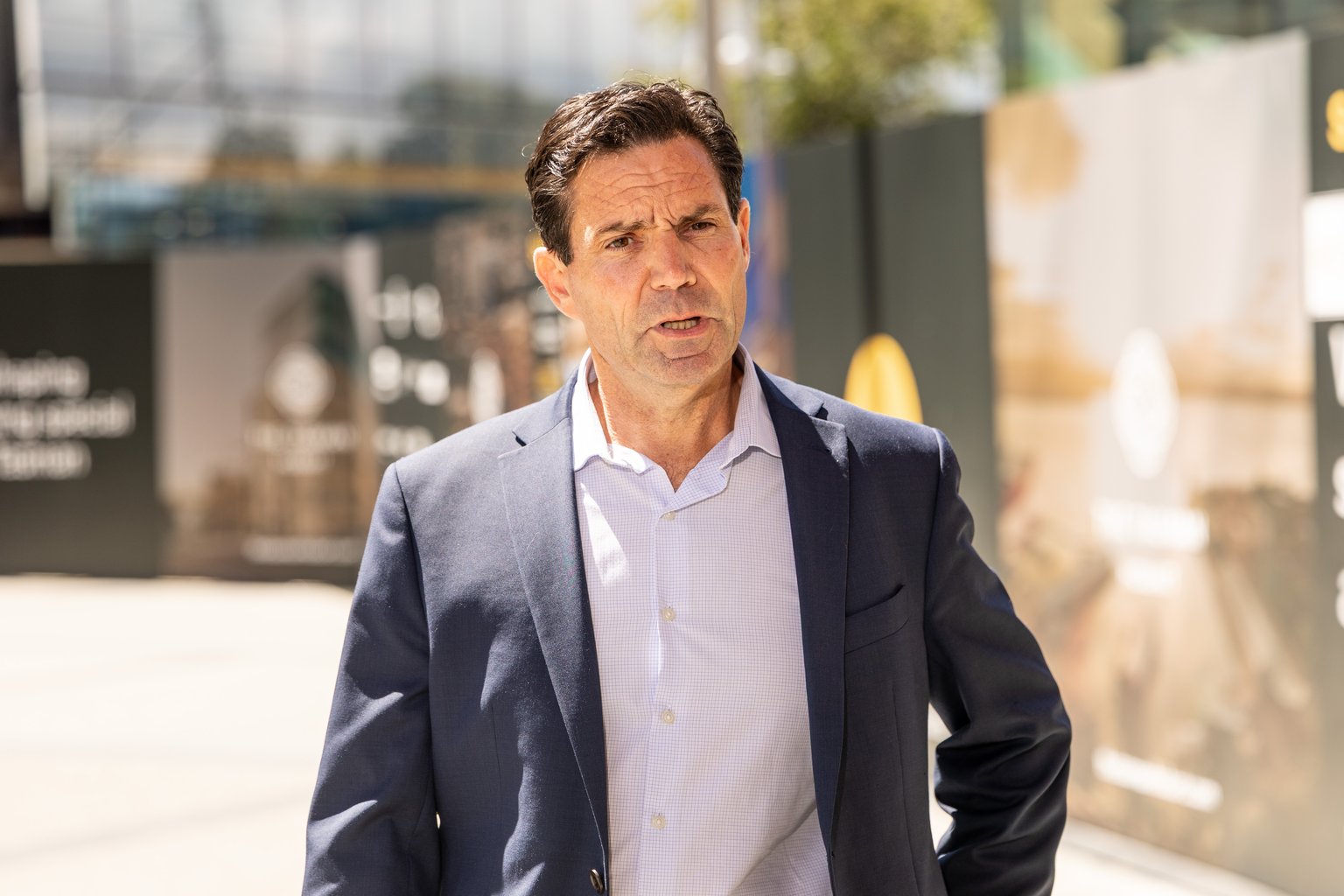
“There has never been a risk to the travelling public in relation to the new Bridgewater Bridge,” he said.
Moloney said the crack was identified during routine pre-completion checks and engineers certified the structure safe before opening.
“We thoroughly inspected the bridge and when we identified this problem, we identified its cause and rectified that cause,” he said.
The state government described the works as “minor adjustments” aimed at long-term performance.
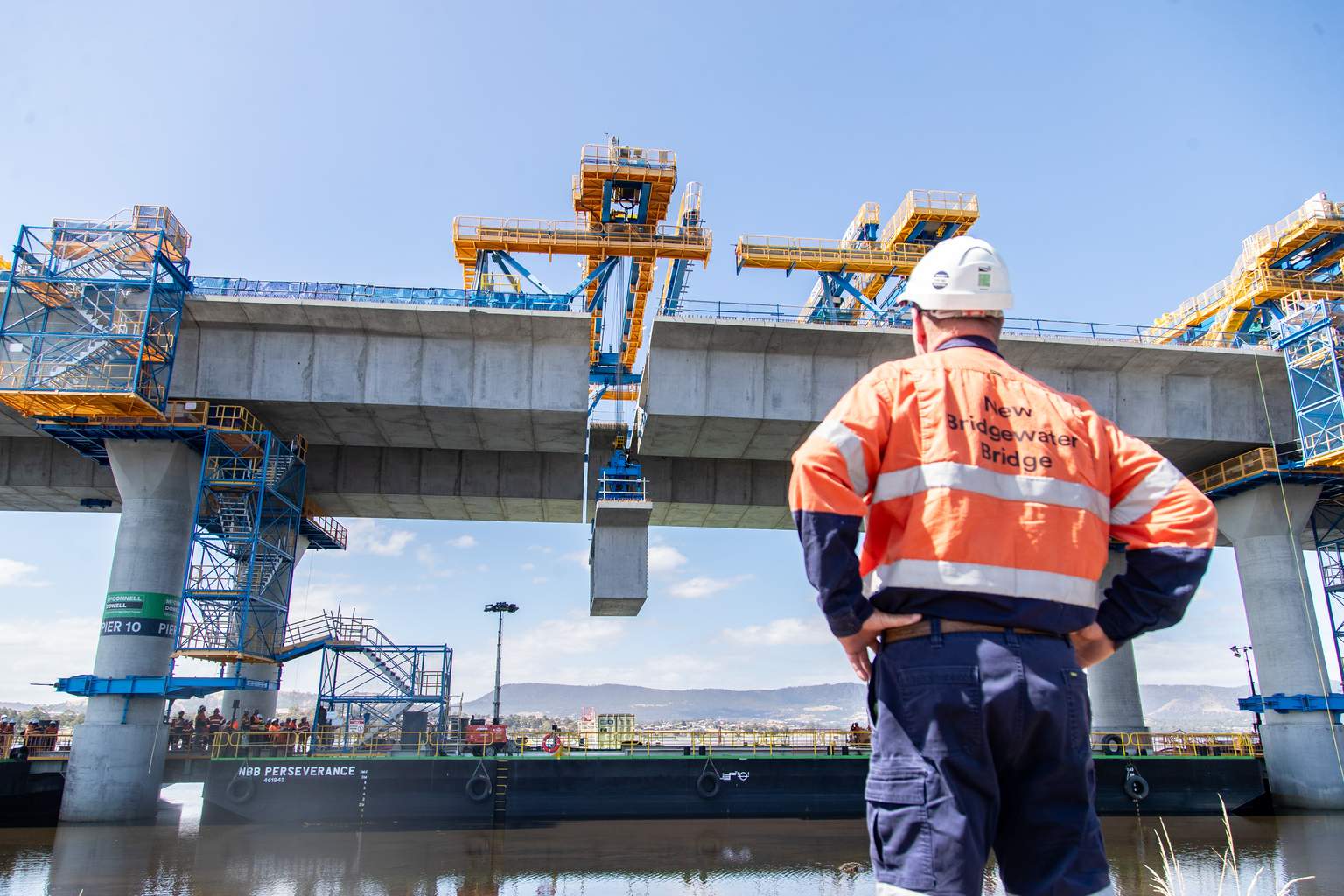
When asked about the concrete issues shortly after the bridge opened, the Department of State Growth said there were “no structural issues with the bridge that impact its operational use or safety”.
Moloney defended that response.
“I think the answer to the question was completely accurate,” he said.
“I don’t think we were avoiding the simple fact that the bridge didn’t have structural issues and it was safe to use.”
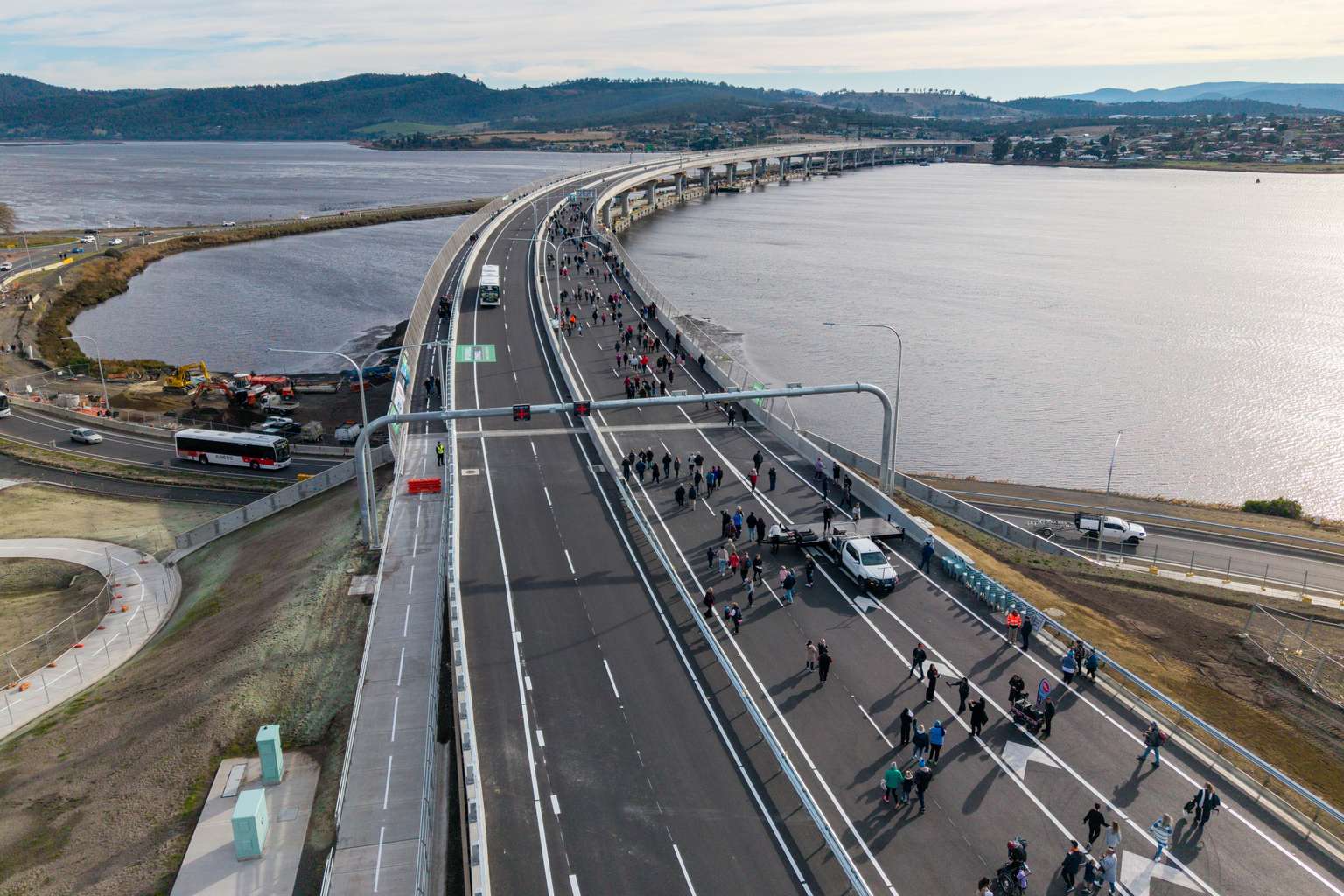
A departmental spokesperson said the cracking resulted from the bridge’s interaction with surrounding ground conditions – factors that were “difficult to predict”.
“Although the design included conservative allowances for unexpected loads, these were not sufficient in this case,” the spokesperson said.
Completed rectification works included rebuilding the plinth at Pier 1, strengthening the adjacent abutment and reducing ground constraints around the pier. The contractor bore all costs.
It was not the bridge’s first fix. Workers also corrected alignment issues during construction in October 2024.
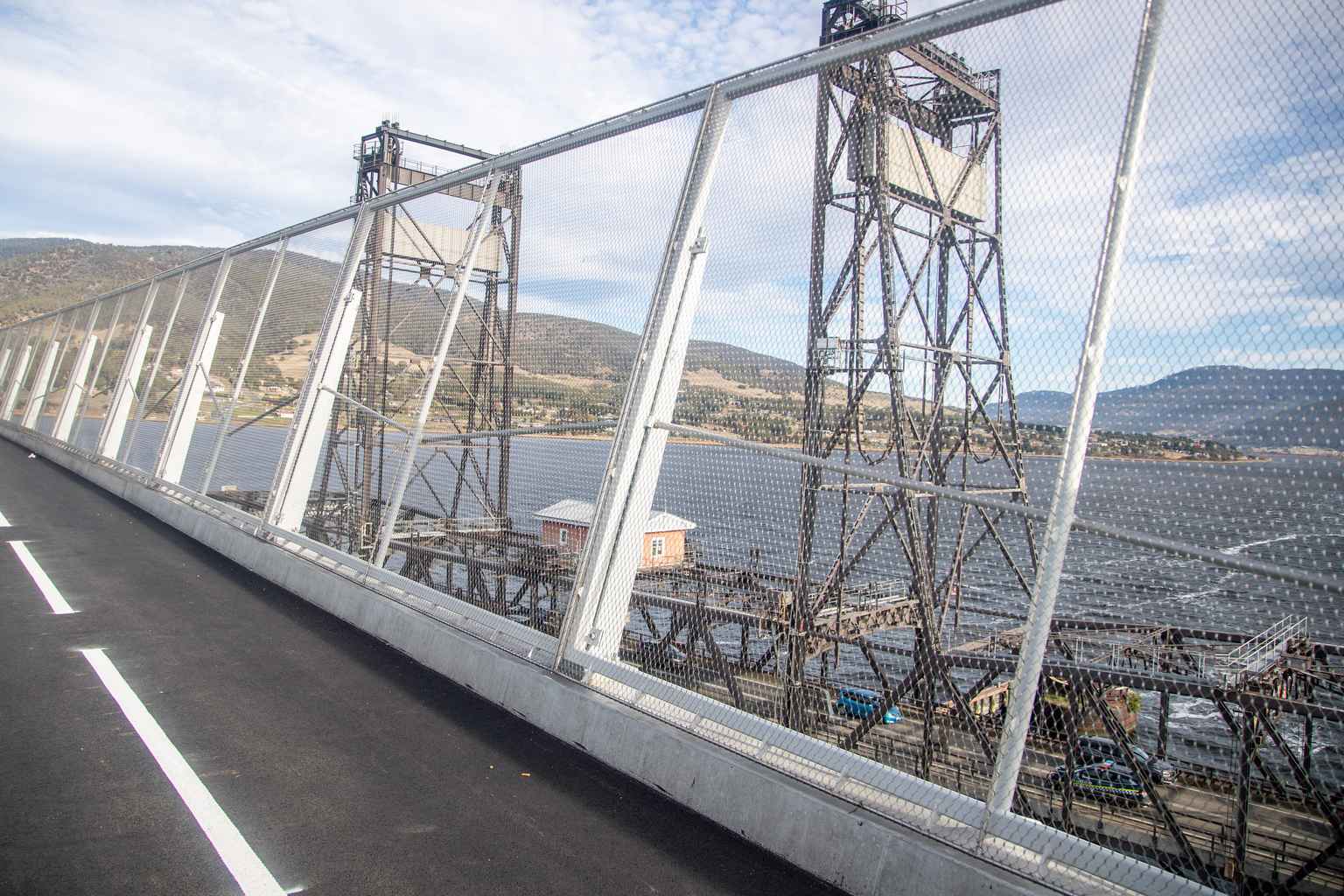
Decorative metal bars installed as an architectural feature were removed in July last year to prevent them becoming an “ongoing maintenance burden”.
“Their inclusion was discretional and at no additional cost to the state,” State Growth told Pulse at the time.
Despite the defects, Moloney described the project as “highly successful”.
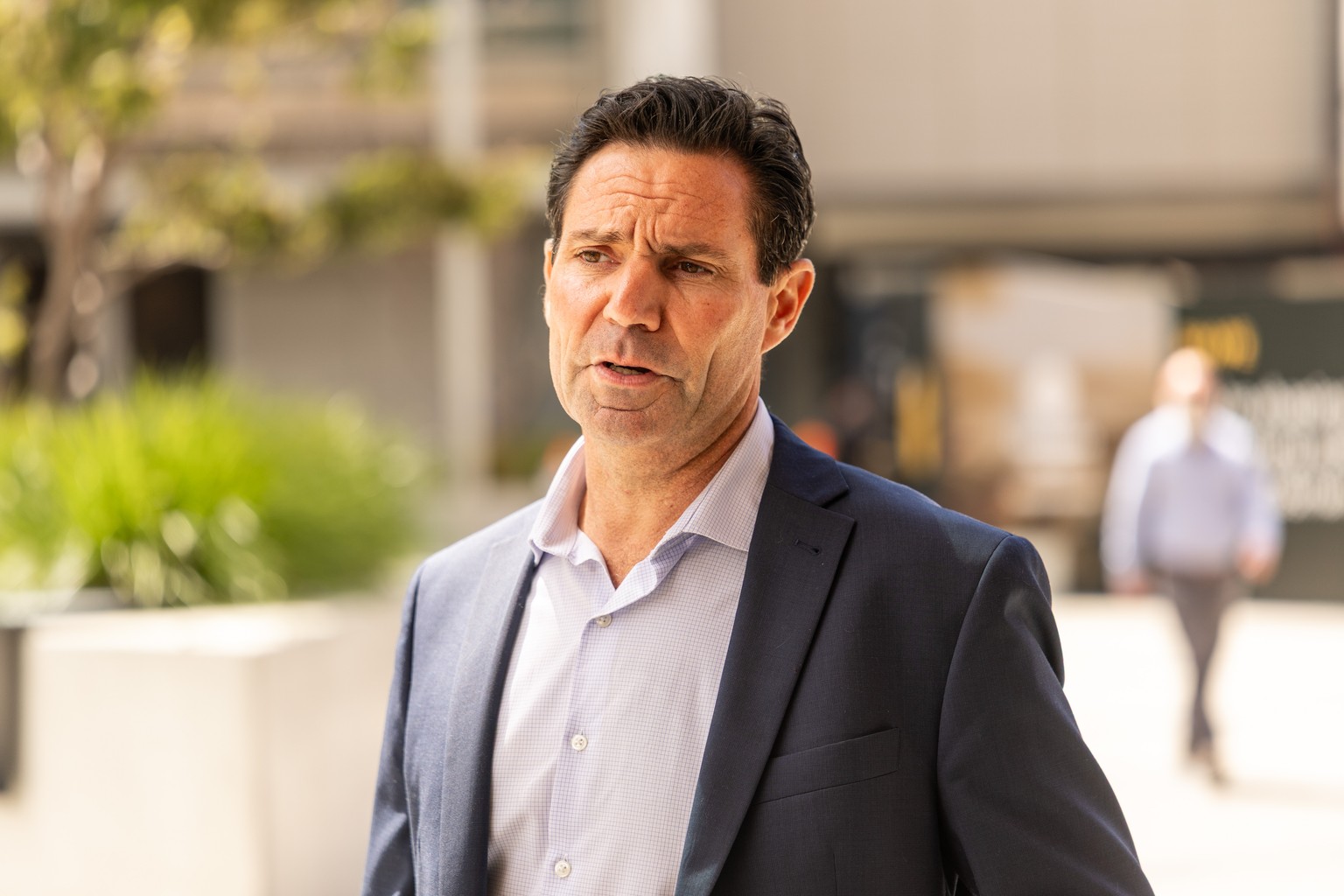
“We delivered it on time and on budget at a time of huge cost escalation nationally, where equivalent projects on the mainland suffered major delays and cost overruns,” he said.
The bridge, Tasmania’s largest transport infrastructure project, replaced the ageing original Bridgewater Bridge and now carries thousands of vehicles each day.