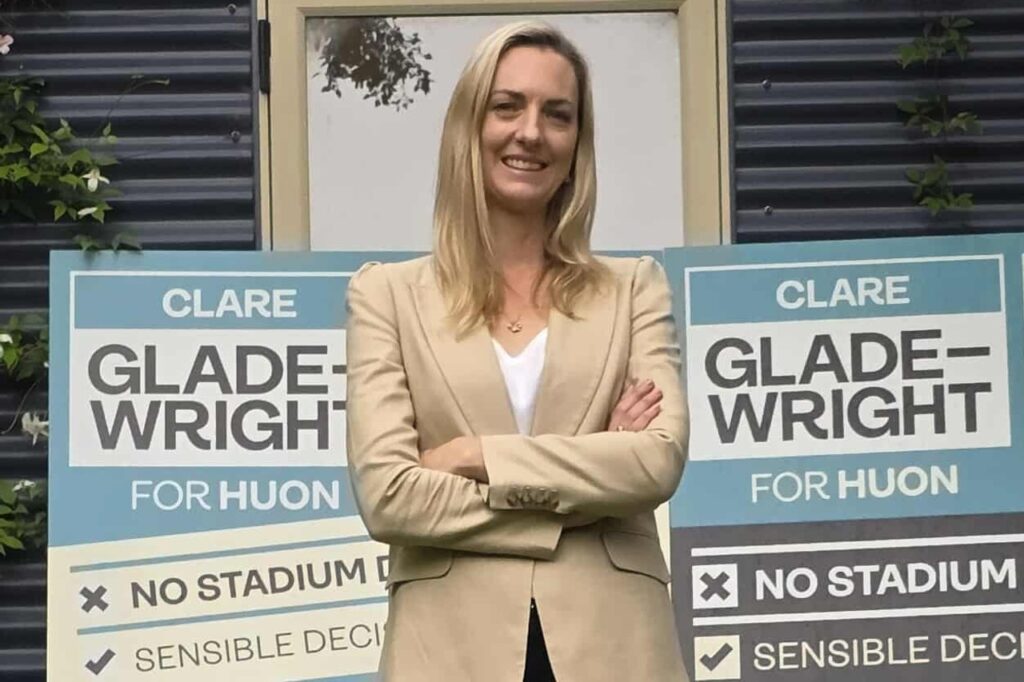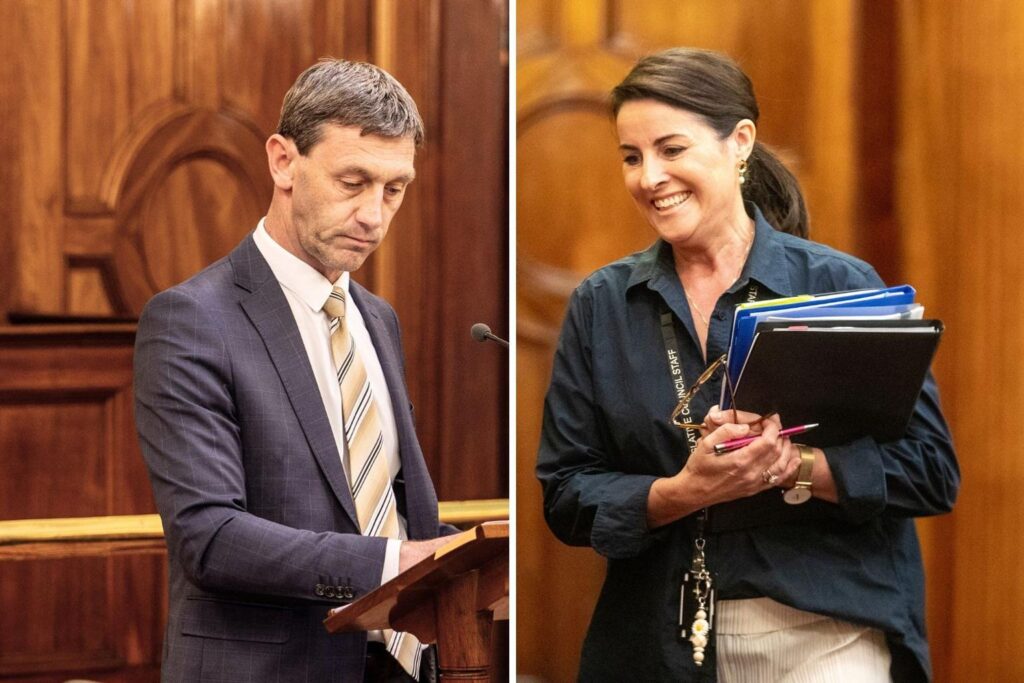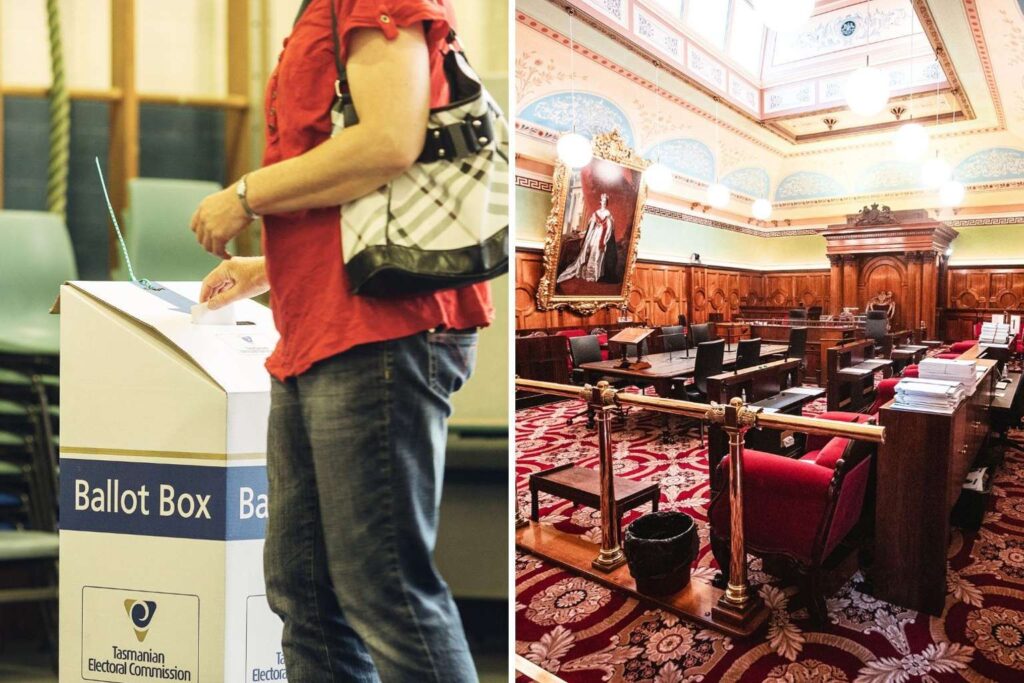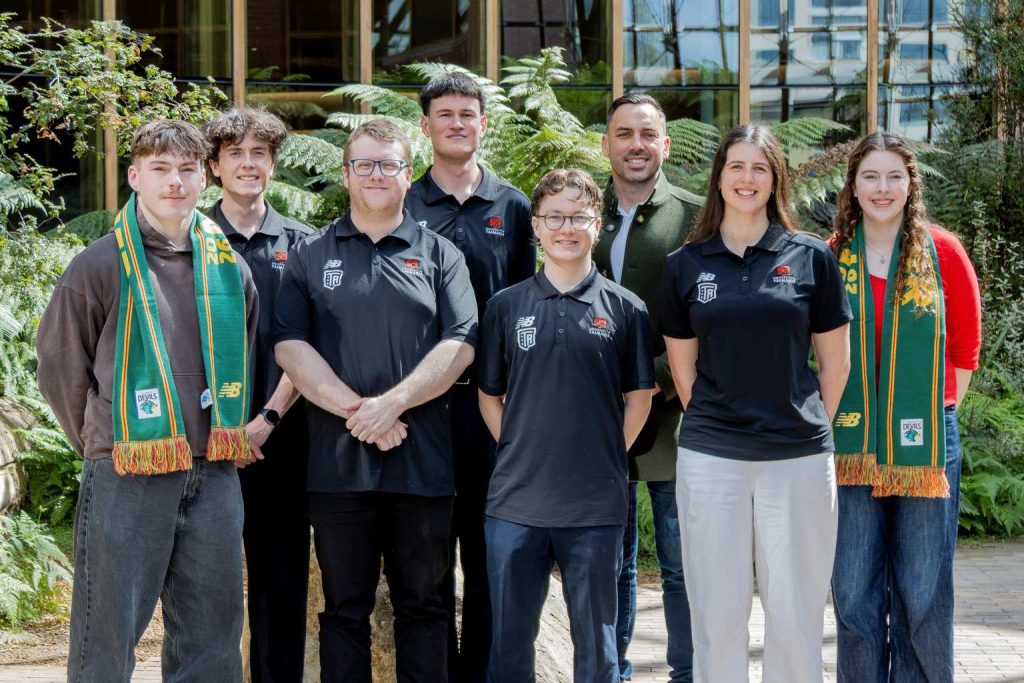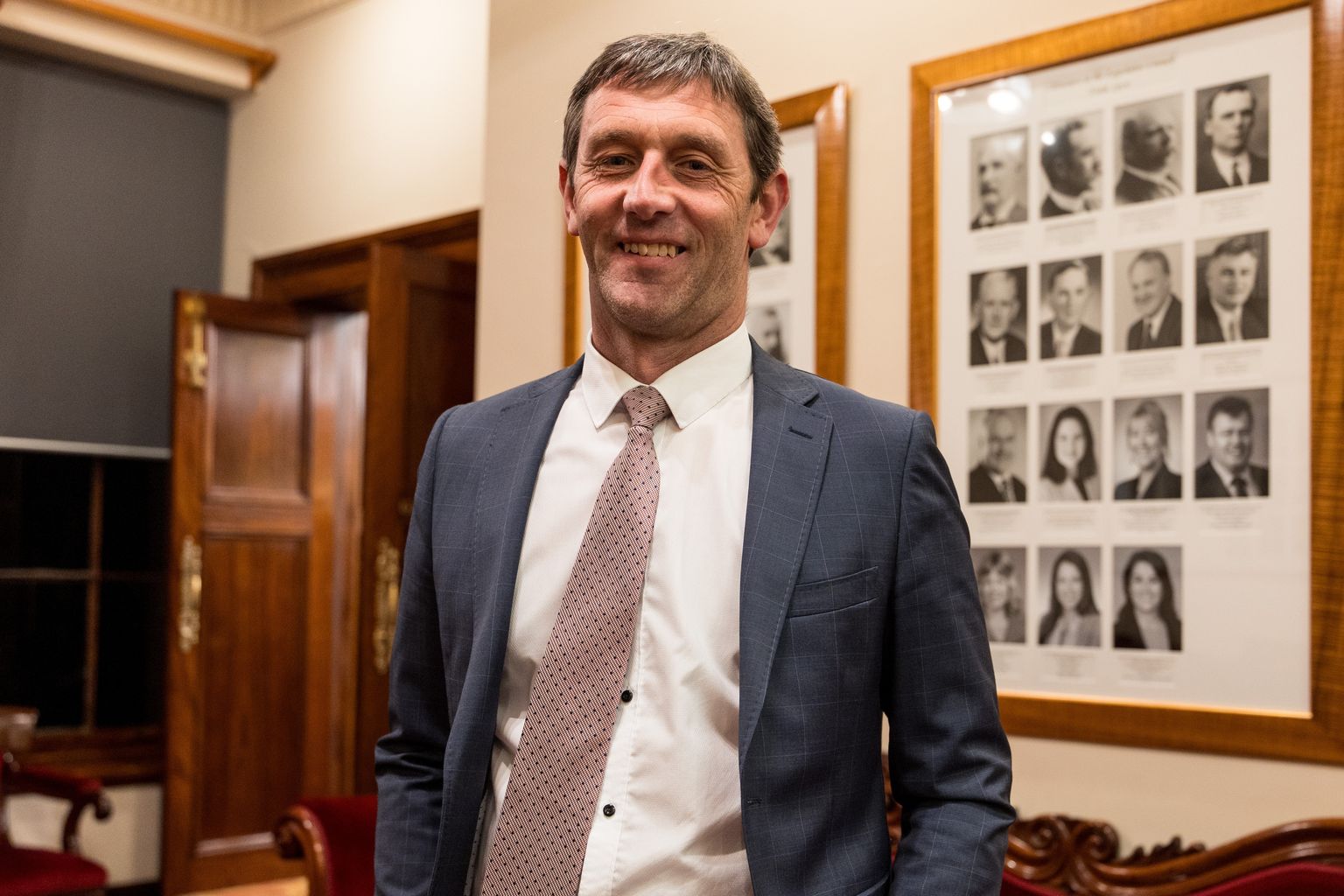
Incumbent independent Dean Harriss is facing the toughest test of his political career as he contests a crowded field of party candidates and fellow independents for the seat of Huon in Tasmania’s Legislative Council.
The Liberals haven’t put up a candidate against him, but Harriss said that doesn’t mean the government finds him an easy vote.
“I certainly don’t always agree with them,” he said.
“Really my position’s pretty clear in the fact that I try and make sure that any piece of legislation is clearly best for Tasmania but puts the interest of Huon first.”
This story is part of a Pulse deep-dive series on the May 2 Legislative Council elections. To read more about the candidates standing, click here.
He is the first to admit the political side of his job frustrates him most days.
But with the election just days away, he’s making the case that quiet, practical decision-making is exactly what the upper house needs.
Harriss won the seat in a May 2022 by-election triggered by the resignation of Labor’s Bastian Seidel.
He narrowly trailed Labor’s Toby Thorpe on first preferences but won the seat on the distribution of preferences.
Four years on, he’ll face voters again this weekend.
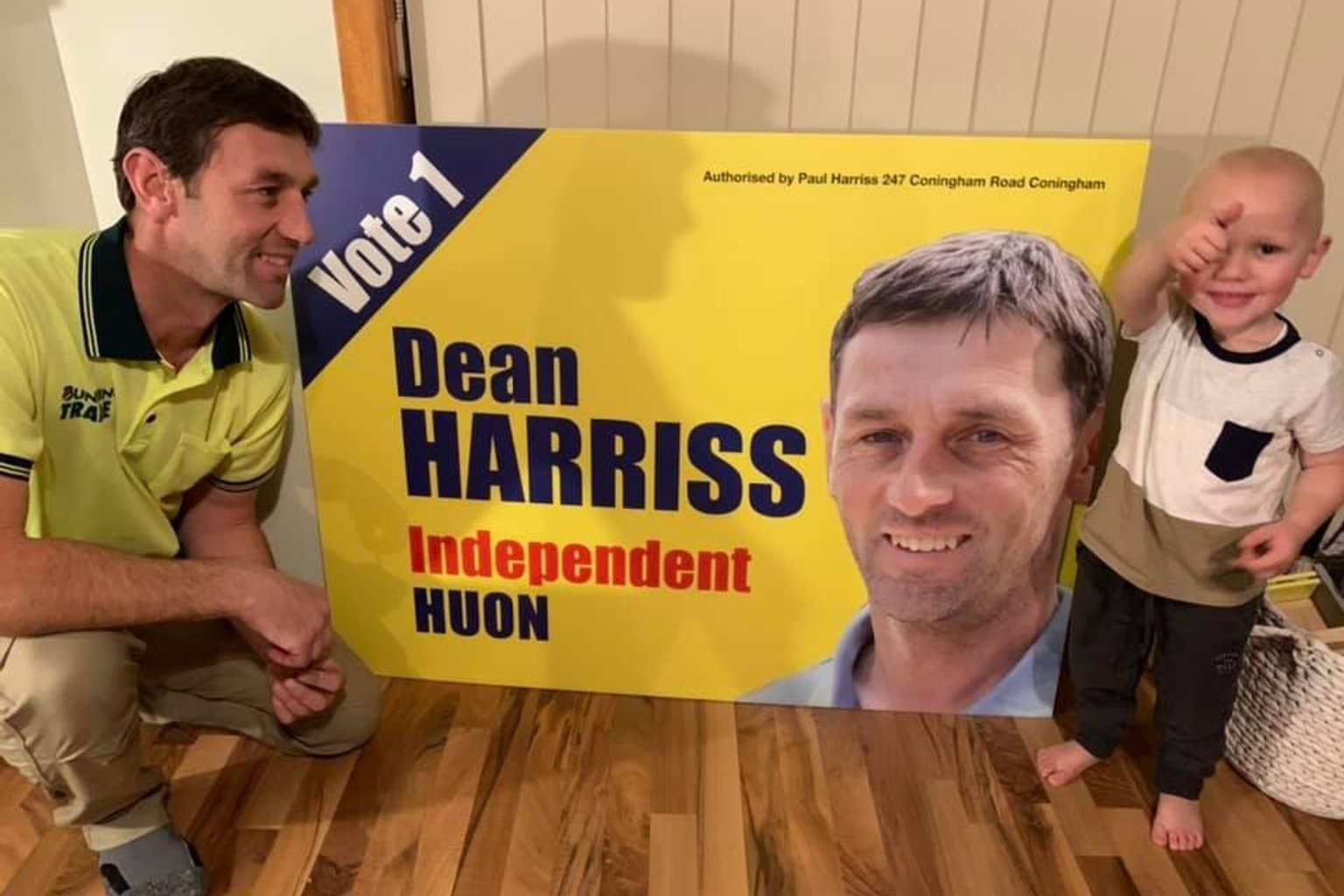
Politics runs in the family. His late father, Paul Harriss, served in the Tasmanian Parliament, spending most of his career as an independent before joining the Liberals.
But Harriss said there was never any question he would run as an independent.
“I know he had a few of his Liberal friends ring up and reach out and Dad always knew where I sat as well,” he said.
“My firm belief is it can only be done from independence.”
That belief centres on the role of the Legislative Council as a house of review.
Harriss said independents provide the kind of thorough scrutiny that party-aligned members cannot.
“[The independents] quite often raise issues that I don’t know whether [the] government have considered or have chose to ignore but certainly brings up a lot of the time critical bits of information that seek to make the legislation better or turf it out,” he said.
His approach stood out during the Hobart stadium debate, where his colleague Bec Thomas was more willing to provide public commentary on her thinking.
Harriss took the opposite path, keeping his cards close until the floor debate.
“I tend not to give a running commentary I suppose and I think part of that is because it helps me in my thinking and clearing and I don’t need to be concerned overly in what I’ve said at public about different debates or whatnot,” he said.
“For me the debates should happen on the floor of Parliament.”
He said the commitments he secured from the government during the stadium process were something he was genuinely proud of, pointing to additional funding for the Integrity Commission and changes to how grants are approved.
“They have to follow those through,” he said.
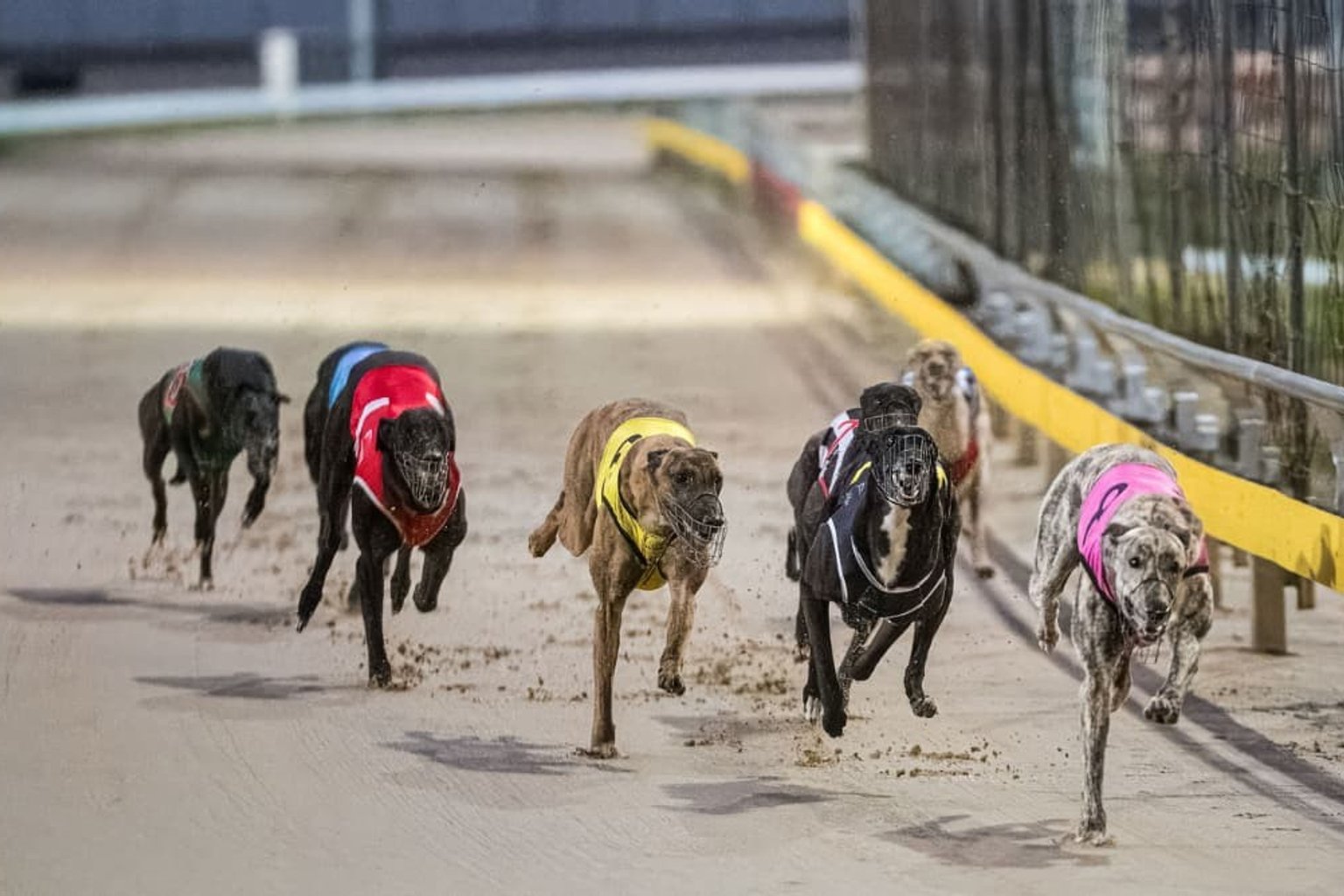
On the greyhound racing ban, Harriss has publicly indicated he is inclined to support a phase-out, with conditions around compensation for those in the industry.
He said the government had offered very little detail on what its proposed $4.8 million compensation package would actually include.
He was also critical of the government’s shift in position on the issue after the election, drawing a parallel with the salmon inquiry.
“Disappointed that there was a position before the election and a different position after,” he said.
“There was no change in the industry apart from Jeremy Rockliff needed to shore up his numbers.”
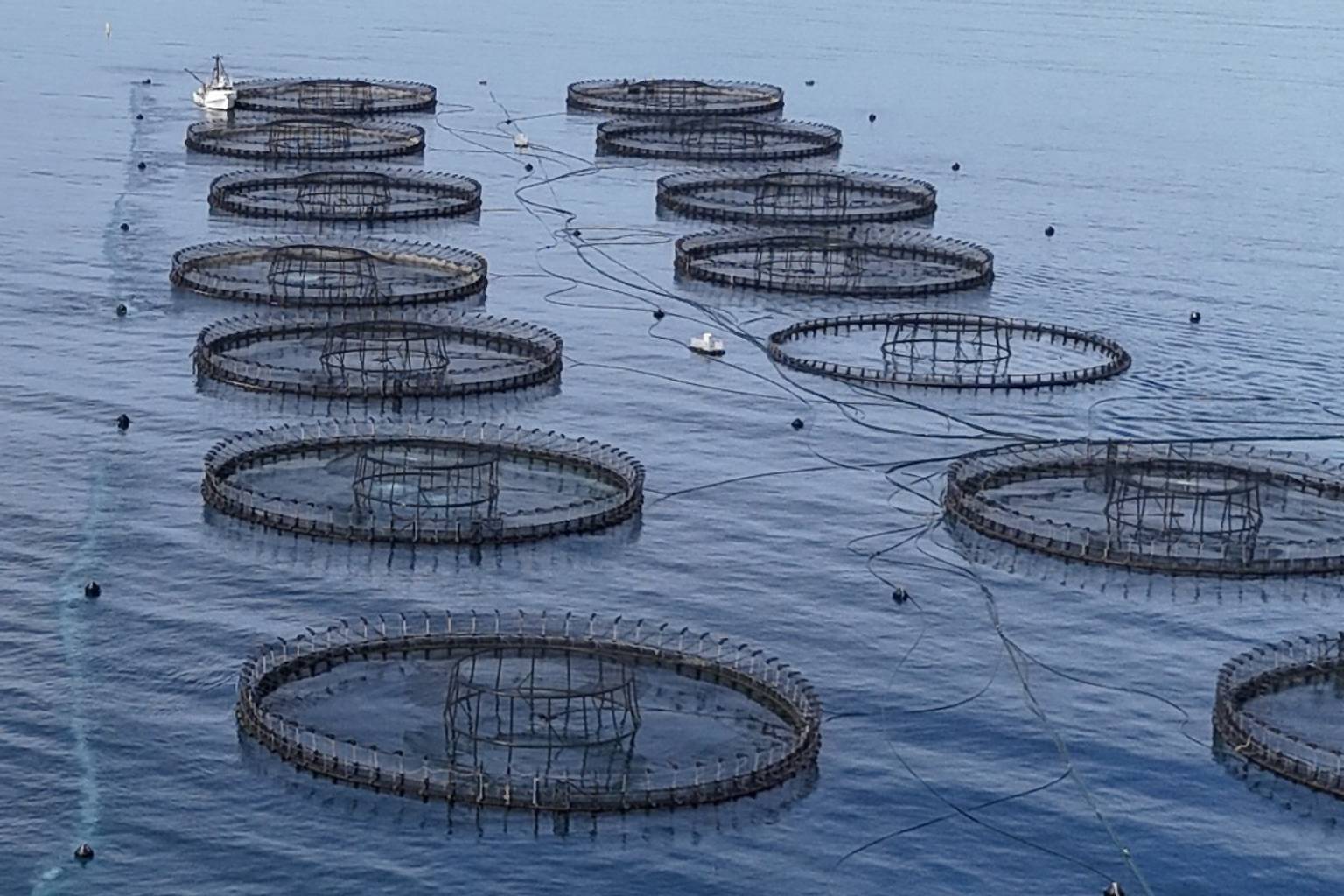
On salmon, Harriss is a firm supporter of the industry’s presence in the Huon electorate, but he acknowledged the industry isn’t perfect.
“The industry needs to continue to improve,” he said.
“The EPA needs to continue to do their job.”
Cost of living is the issue he hears about most on the doorstep, particularly fuel prices.
He conceded there aren’t many levers an upper house member can pull on that front, but said it shapes how he assesses legislation that comes before the chamber.
He praised the government’s free public transport initiative, saying he had noticed more people catching the bus from the depot near his Huonville office, and suggested the scheme should be extended to 12 months to give people more certainty.
His opponents may be banking on his lower profile working against him.
Harriss doesn’t pretend the concern isn’t valid.
“I don’t think you can ever have them ticked so to speak,” he said of whether he had done enough to be visible in the electorate.
“I’ve certainly worked hard in my electorate over the last four years.”
He said balancing the dense legislative workload with community presence was always a challenge, but his family’s involvement in local sport helped bridge the gap.
“All my kids play footy, cricket, soccer, netball down here and so that gives me an opportunity away from work as well but it also rolls into work. Some of the best discussions you have are out around the footy or at the netball,” he said.
Harriss pitched himself to voters as someone with a practical background in the building industry, a common sense approach and deep personal roots in the area.
“For me this place is personal,” he said.
“This is where I grew up and it’s where we are raising our four kids.”
“I just want this place to be the best it can.”