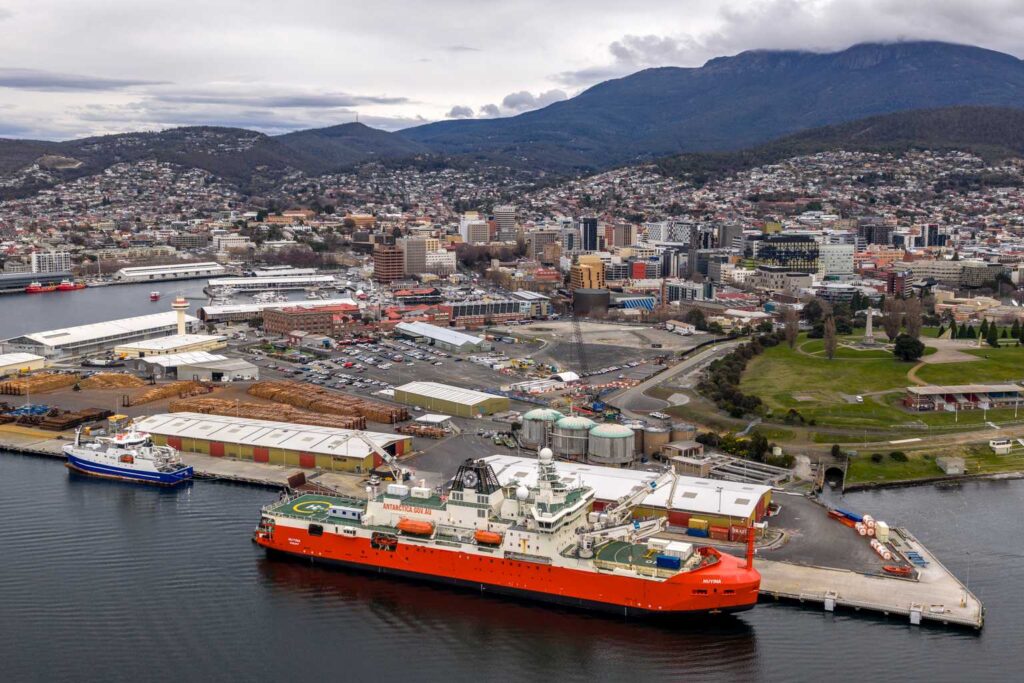
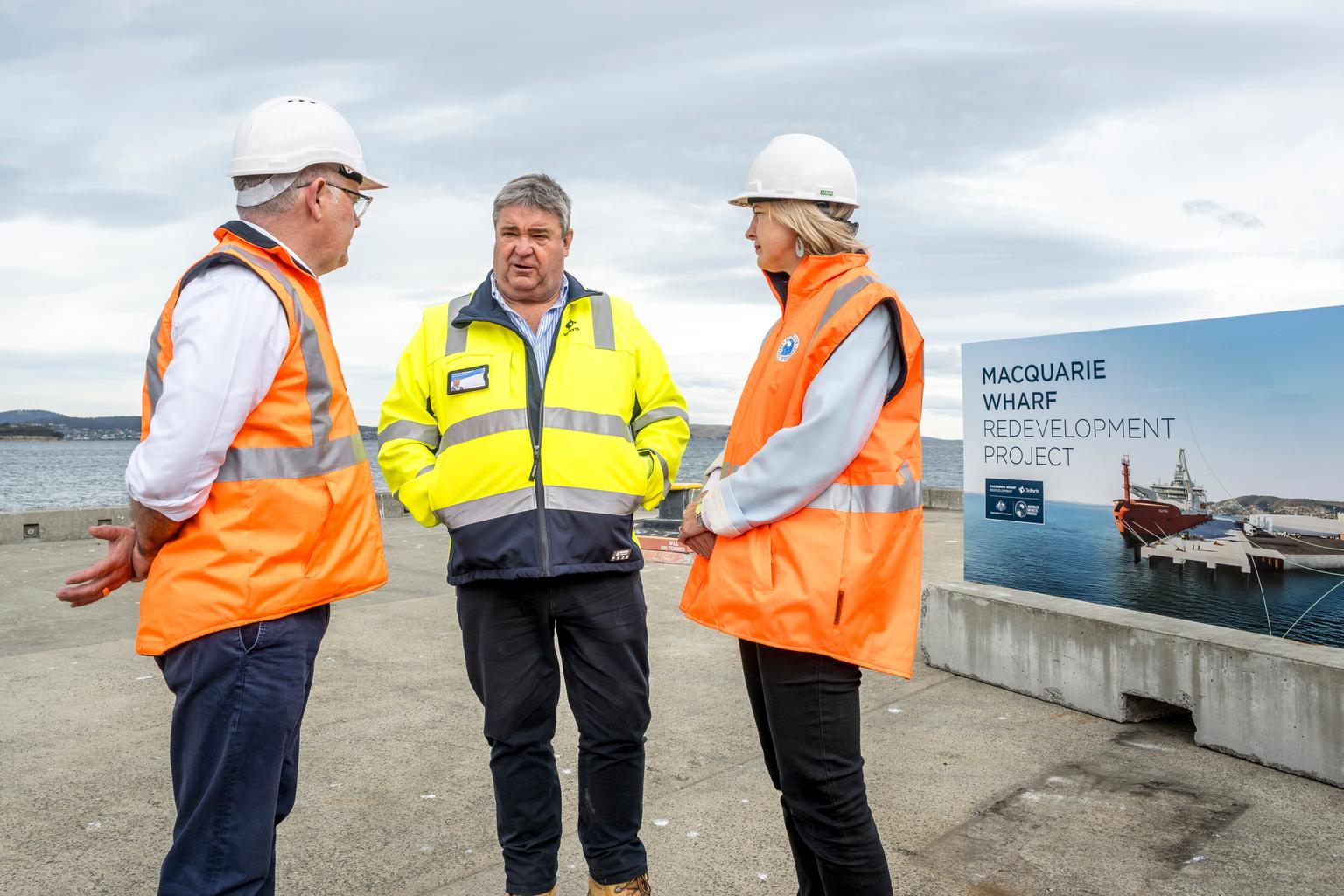
Early works are underway on the $188 million redevelopment of Hobart’s Macquarie Wharf 6, with practical completion targeted for August 2028.
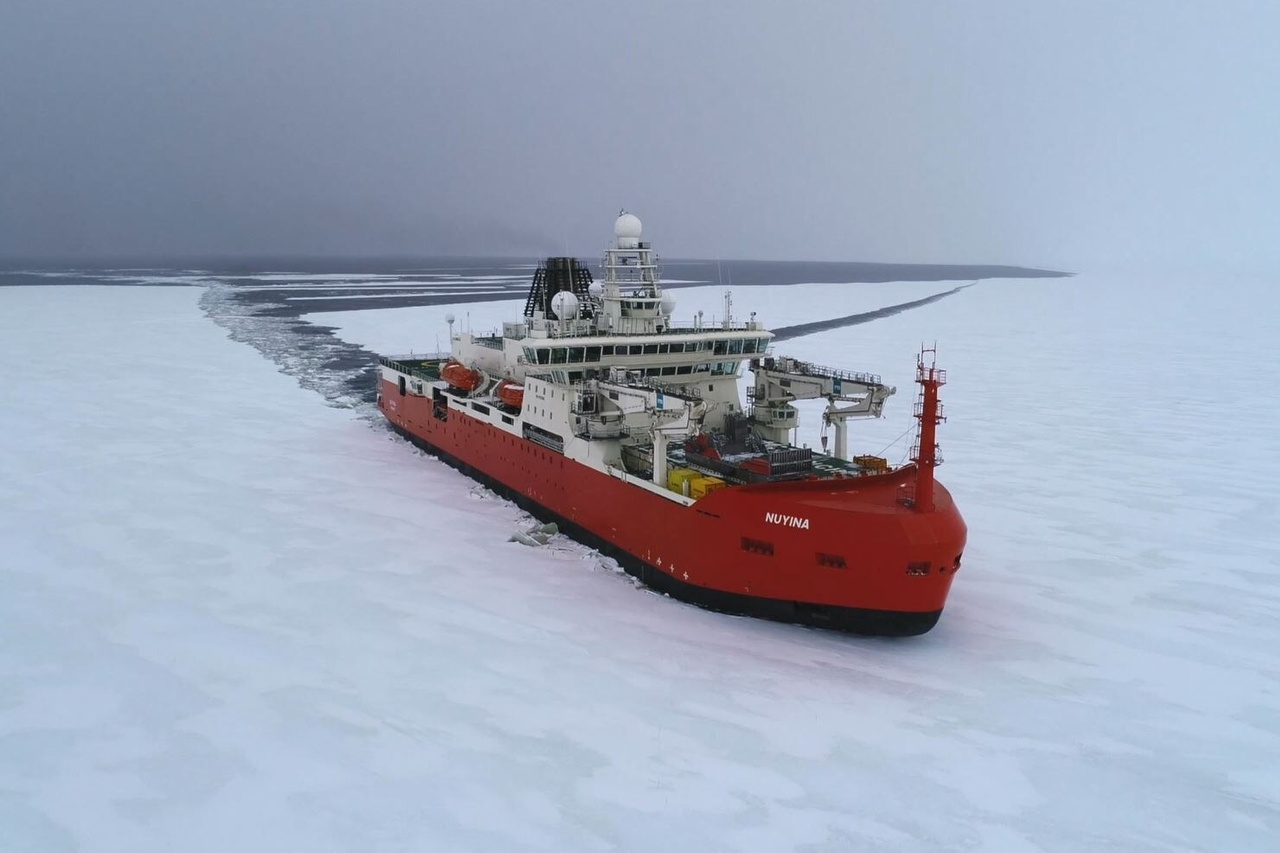
The federally backed project will deliver a permanent, purpose-built home for the RSV Nuyina, Australia’s flagship Antarctic research vessel.
It represents the first stage of the broader Macquarie Wharf redevelopment, being led by TasPorts.
Federal Environment Minister Murray Watt said the upgrade would provide world-class infrastructure to support Australia’s Antarctic program.
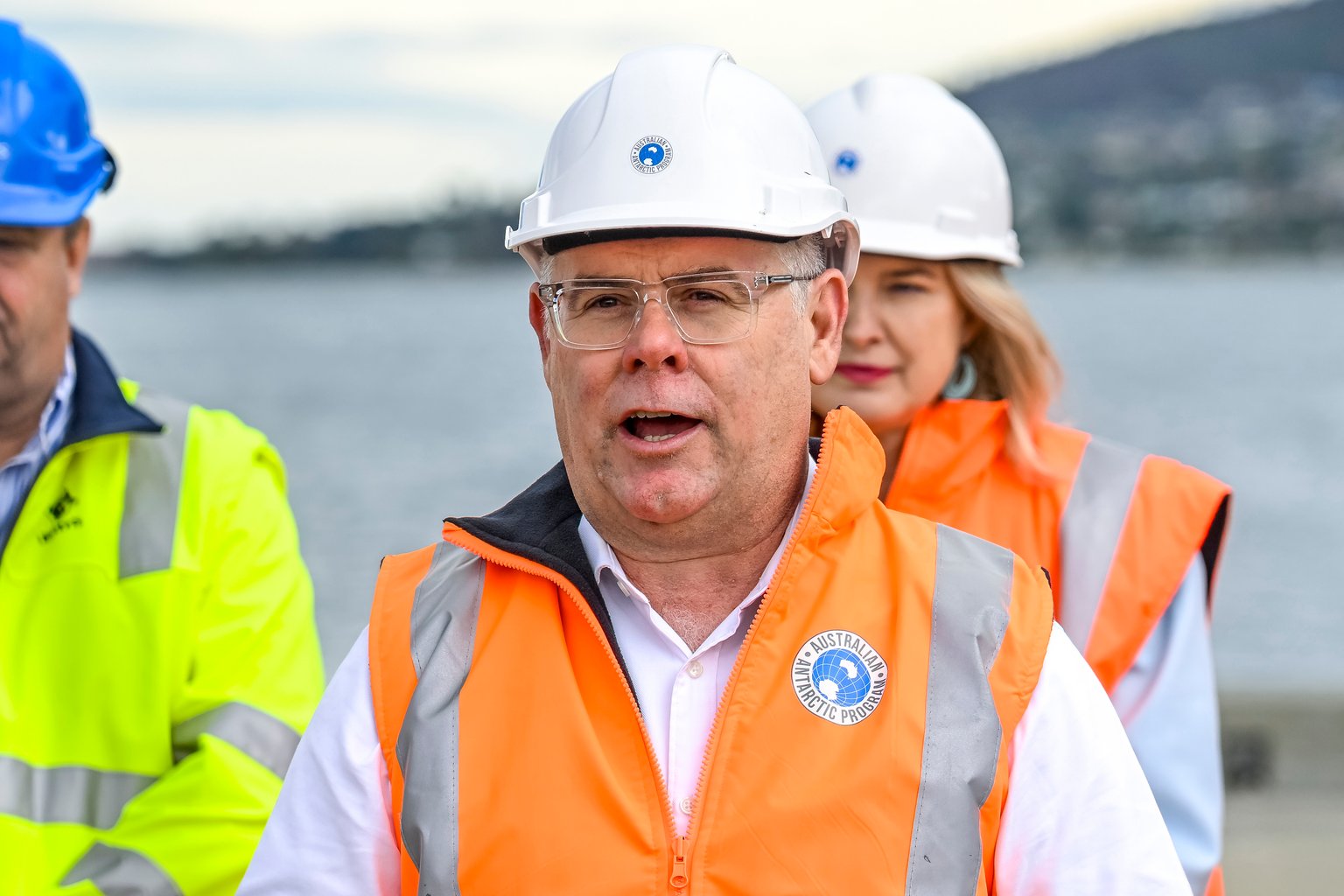
“We want to make sure as the Albanese government that we have a world-class wharf to support that important research and science activity,” he said.
The Nuyina recently returned from its second voyage of the season to the Heard and McDonald islands.
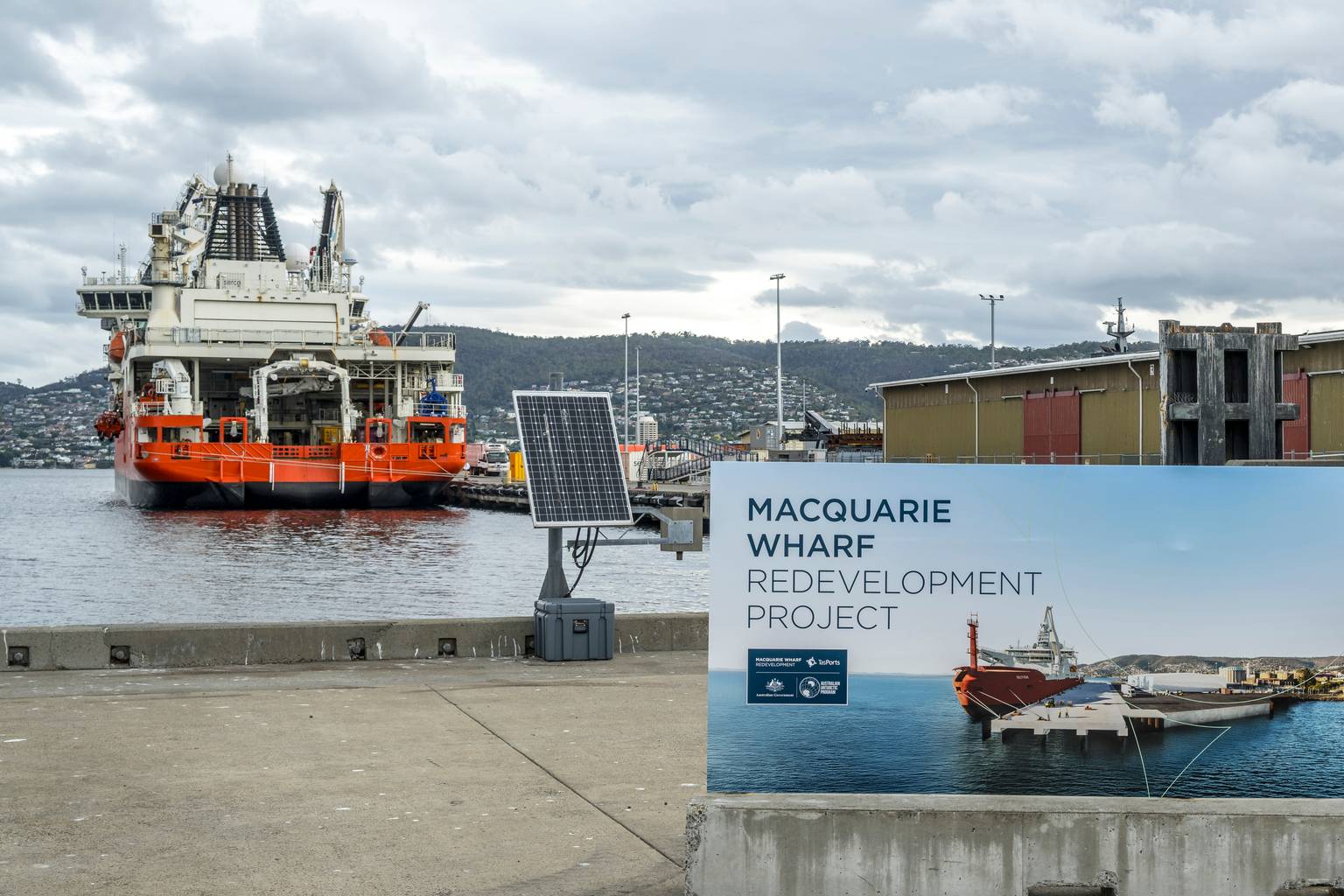
Hazell Brady, a joint venture between Hazell Bros and Brady Marine, was awarded the redevelopment contract in December 2025.
They have since assembled a specialised project team in partnership with the Australian Antarctic Division.
Detailed design work is now underway, with site investigations and geotechnical surveys scheduled ahead of demolition.
Infrastructure and Transport Minister Kerry Vincent said the project would provide a boost to the local economy while creating opportunities for Tasmanian industry.
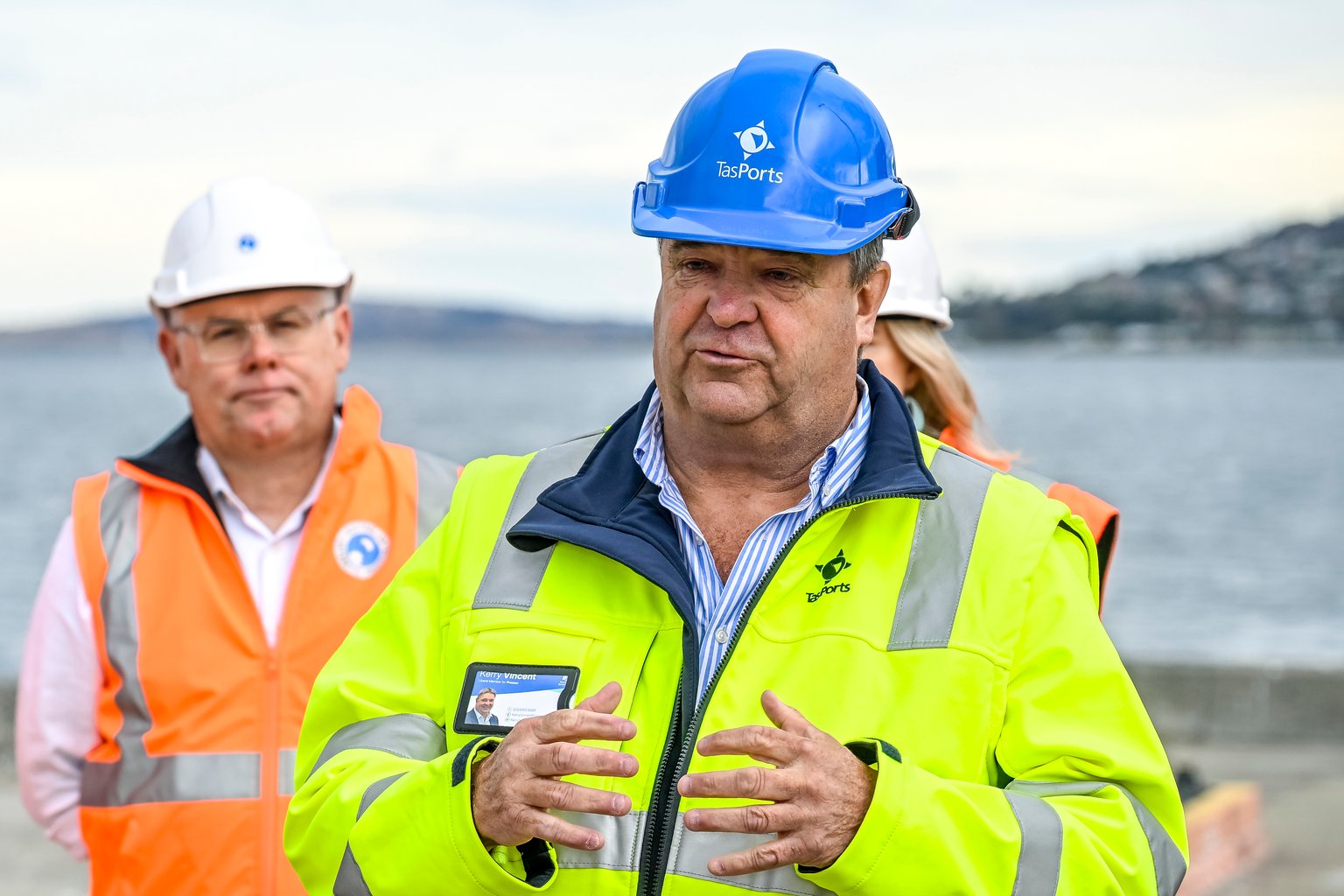
“When you think about the stadium going ahead in the next few years, this will become an absolute hive of activity for economic development,” he said.
Under the agreement, the federal government will provide the capital funding, while Tasmania will take responsibility for operating and maintaining the wharf for 30 years.
The redevelopment is expected to strengthen Tasmania’s position as a gateway to Antarctica and establish a dedicated marine base for Australia’s Antarctic Program.
One outstanding issue remains how the Nuyina will be refuelled at the upgraded berth, as the vessel cannot pass under the Tasman Bridge due to its size.
A proposal addressing the issue will be put to the federal government next week.
Asked whether additional federal funding would be available if costs were to blow out, Watt was firm.
“We don’t think that there’s a need for the budget to be blown out for this project,” he said.
“$188 million is a large capital investment … and we have every confidence that the state government can deliver this project within that budget.”