Initial findings from Tasmania’s Environment Protection Authority show minimal environmental impact from antibiotic treatments used at southern Tasmanian salmon farms.
The EPA has released preliminary results from monitoring the antibiotic Florfenicol, which was used to treat Piscirickettsia salmonis at three salmon farm leases in the D’Entrecasteaux Channel and Huon River area.
EPA Director Catherine Murdoch said the monitoring schedules were designed to track Florfenicol’s presence in the marine environment.
“This approach ensures the EPA can assess potential environmental impacts associated with the use of Florfenicol,” Murdoch said.
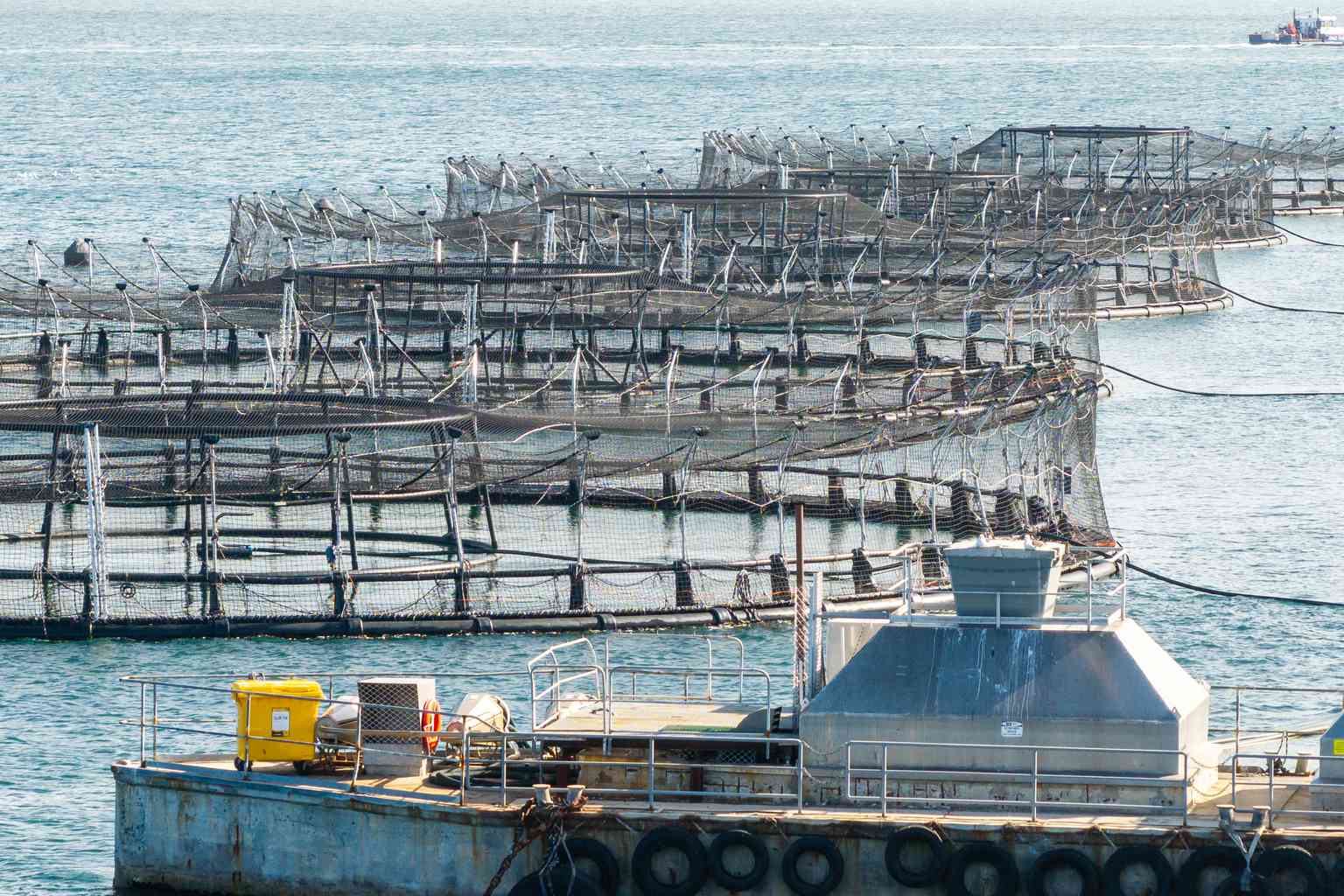
The extensive monitoring program analysed 286 sediment samples, 104 water samples and 119 pooled wild fish samples comprising 344 individual fish.
Results showed no Florfenicol in sediments within or outside treatment sites.
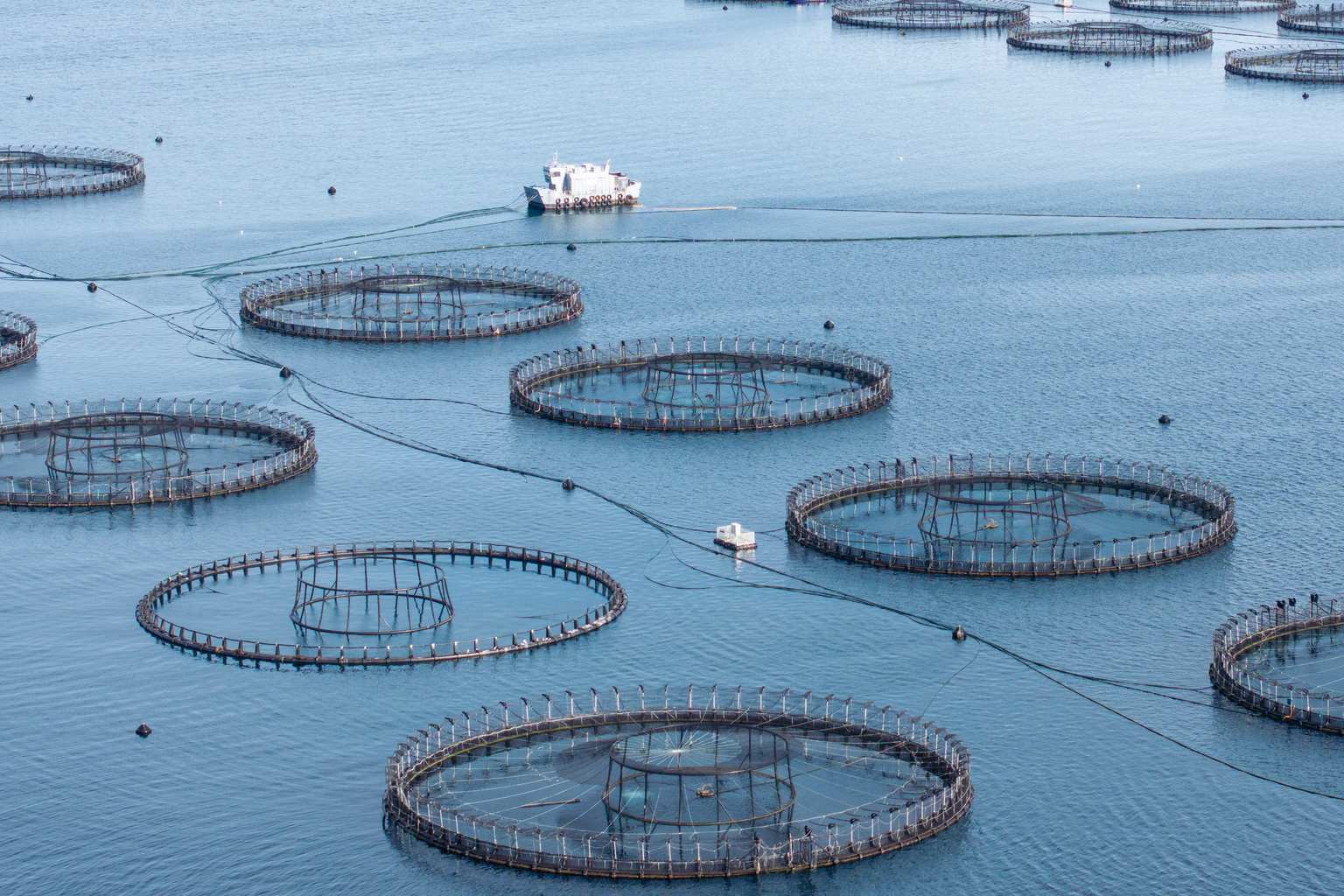
Water samples contained low concentrations during treatment, but no traces were detected beyond 35 metres from farms one day after treatments ended.
Only two of the 119 pooled wild fish samples contained detectable levels of the antibiotic.
She cautioned that these findings do not represent a complete environmental risk assessment, which is expected to be completed in early 2026.
Salmon Tasmania CEO John Whittington welcomed the results, calling them reassuring for the public.

“The results are clear; it is safe to catch fish, safe to eat fish and safe to swim in Tasmania’s waterways,” Whittington said.
“The report found that there was no florfenicol in the sediment, no florfenicol in water beyond 35 metres of a farm seven days after treatment and only two Australian salmon recorded low traces.”
The EPA will publish final reports for each antibiotic treatment event on its website upon completion of monitoring.