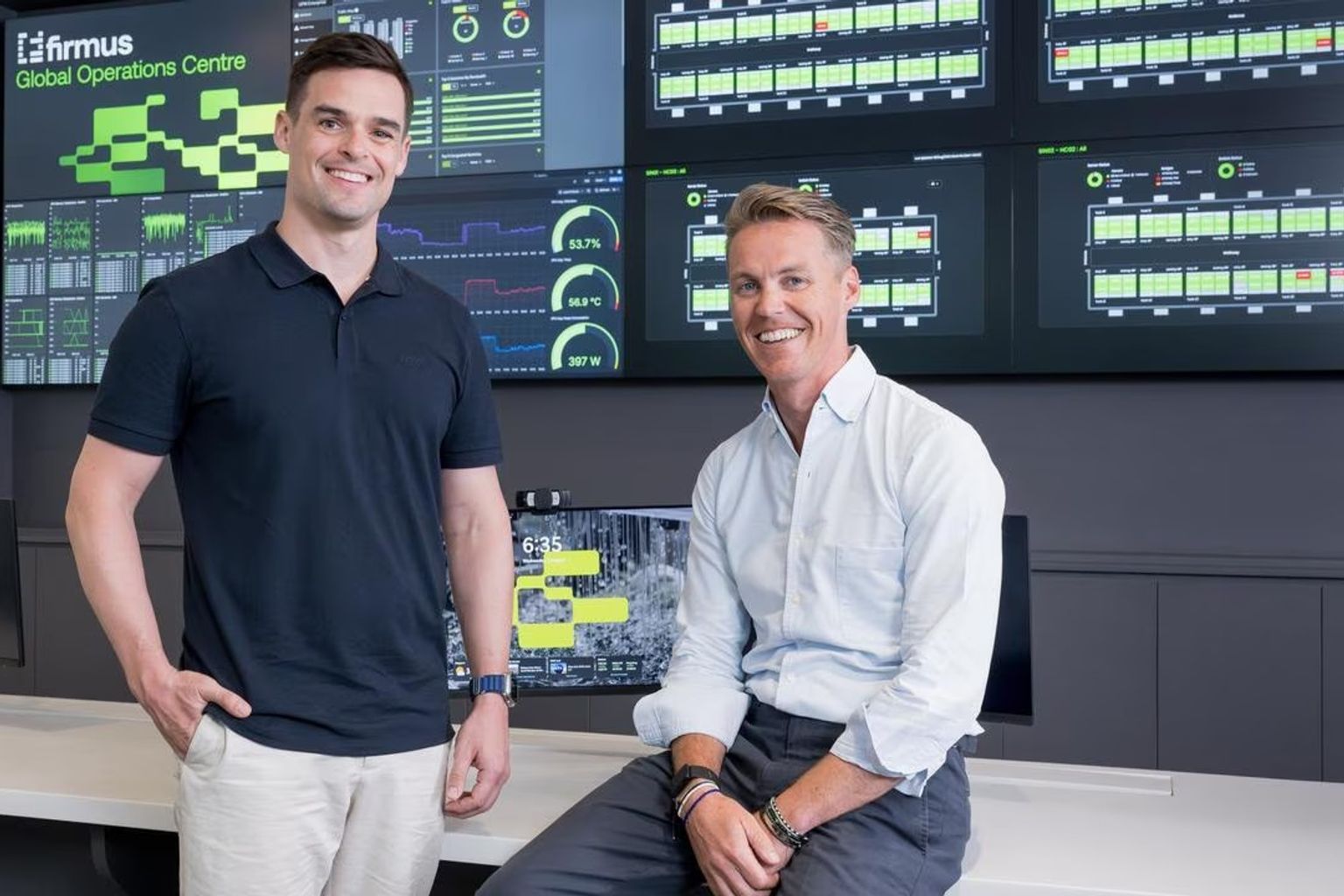
Firmus Technologies has defended its plans for three large data centres in northern Tasmania, as growing community concern over energy demand, water use and the scale of the projects puts the developments under increasing scrutiny.
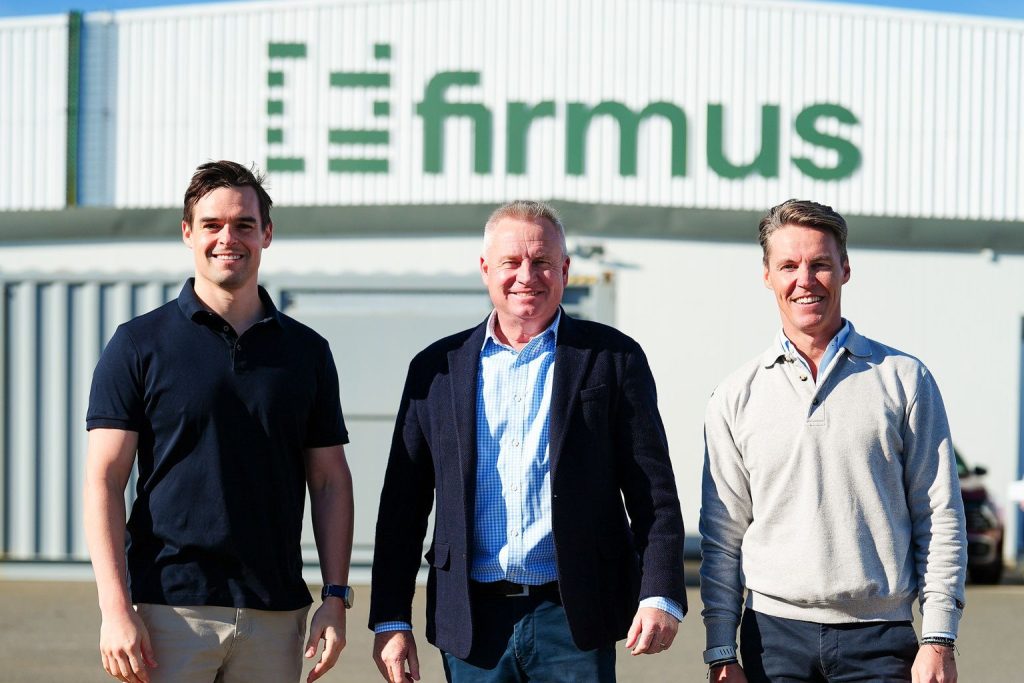
Co-CEOs Oliver Curtis and Tim Rosenfeld fronted ABC Radio on Thursday to address mounting concerns after a development application was lodged for the George Town site.
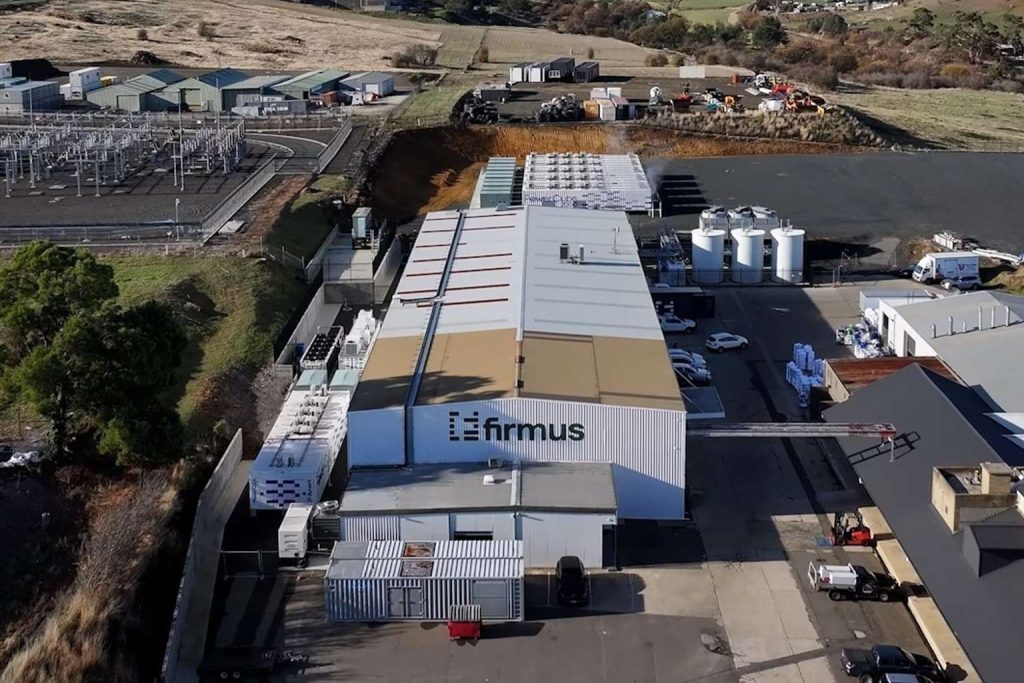
The company is already building a $2 billion facility at St Leonards near Launceston, while a second facility proposing around 300 megawatts of capacity is planned for the Bell Bay industrial zone and a third site has been flagged for Wesley Vale.
Community members have questioned whether the economic benefits justify the projects’ scale and resource demands.
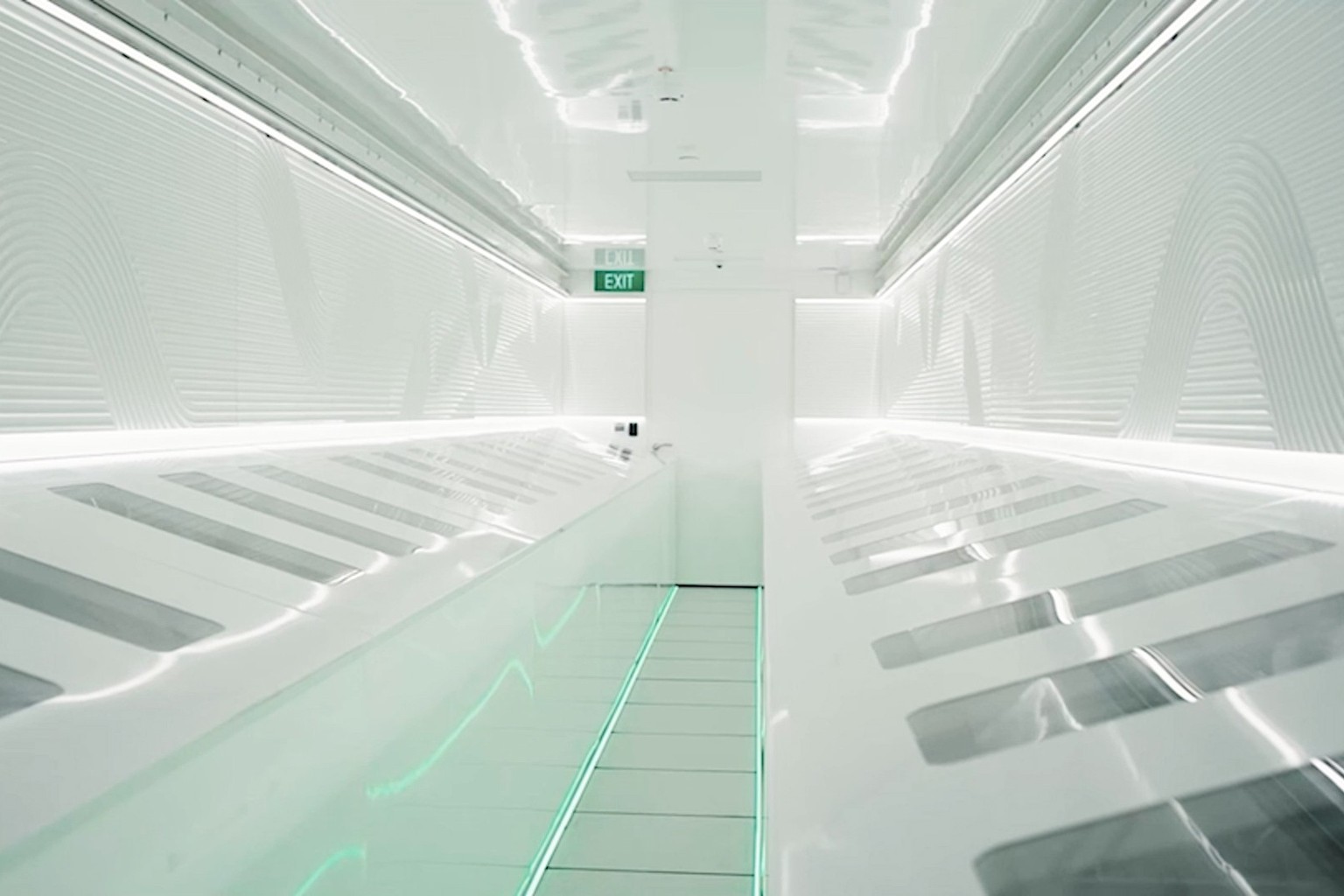
On water use, Curtis said the St Leonards site would use about 3.3 million litres annually.
“So a typical restaurant would use 3.4 million litres of water per year, and so, we’re using less water than one restaurant uses in a year,” he said.
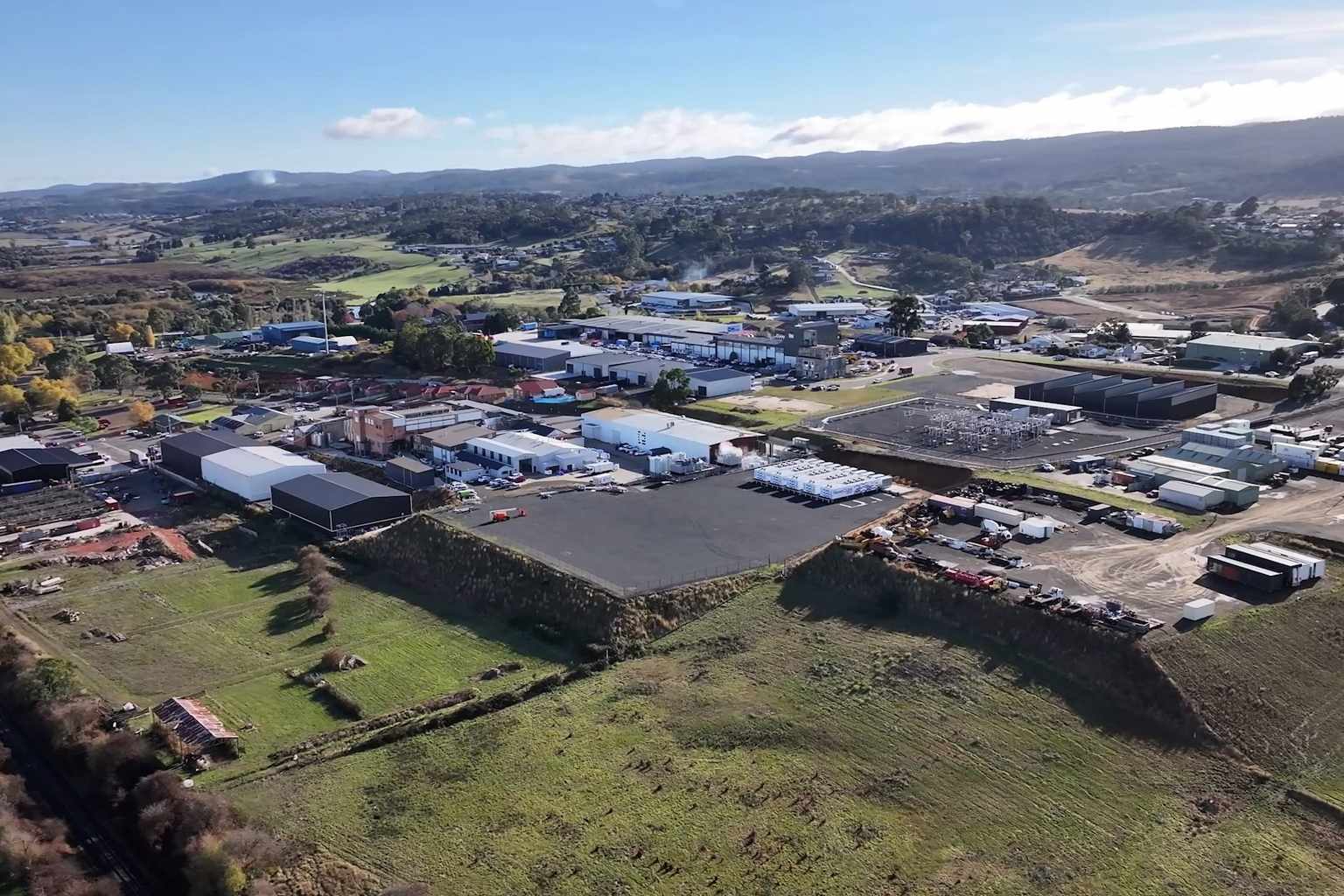
“So you compound that out over a couple of times to George Town, it’s 8.7 million litres. It’s a couple of restaurants’ worth.”
Curtis said ongoing employment would be based on a calculation of around half a full-time role per megawatt of power usage, equating to about 52 jobs at St Leonards, 144 at Bell Bay and 20 at Wesley Vale, alongside hundreds of construction jobs.
The projected employment figures have become a key point of debate among opponents, who argue the number of ongoing jobs may not justify the projects’ energy demand and scale.
On energy, Curtis said there are limits to how the company can be prioritised within Tasmania’s electricity system.
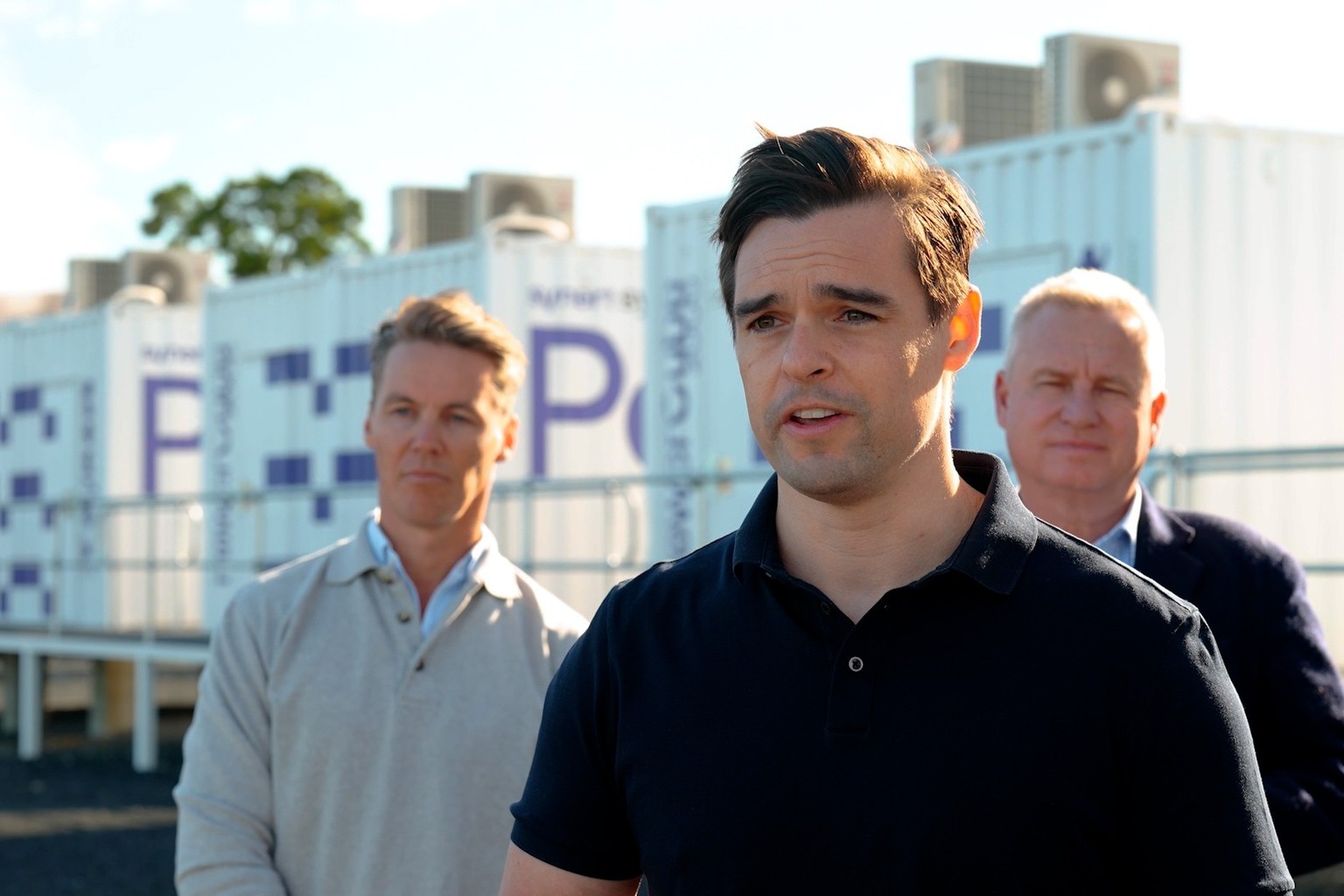
“There are existing users of energy in Tasmania. They have priority over us,” he said.
“We’re basically last on and first off.”
Curtis said the company is in negotiations with Hydro Tasmania over supply arrangements, but could not provide details.
“I can’t talk specifically about the hydro contract because we have not executed that, we’re in negotiations at the moment,” he said.
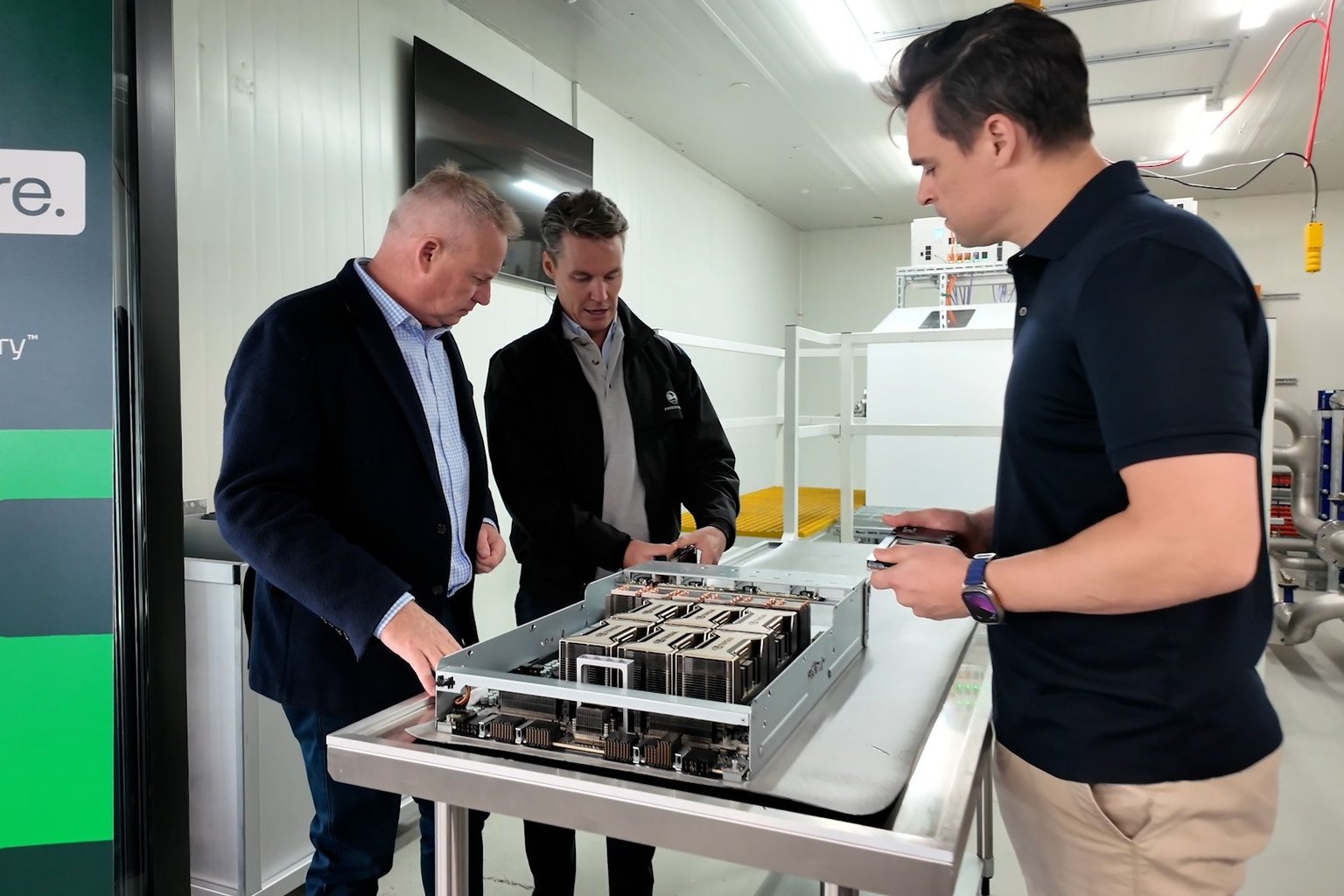
He said Firmus’ approach in other jurisdictions has involved energy agreements tied to new generation and storage investment, arguing the model is designed to expand supply alongside demand.
“Because we’re paying them hundreds of millions of dollars a year, there is an obligation in the contract we’ve signed with them to commit to build 1.2 gigawatts of new renewable and to build 1.8 gigawatt hours worth of batteries,” he said.
How that model would operate in Tasmania remains unclear while negotiations with Hydro Tasmania continue.
Infrastructure Minister Kerry Vincent acknowledged the scale of investment and community interest, describing the project as “staggering”, while saying existing planning systems were sufficient.
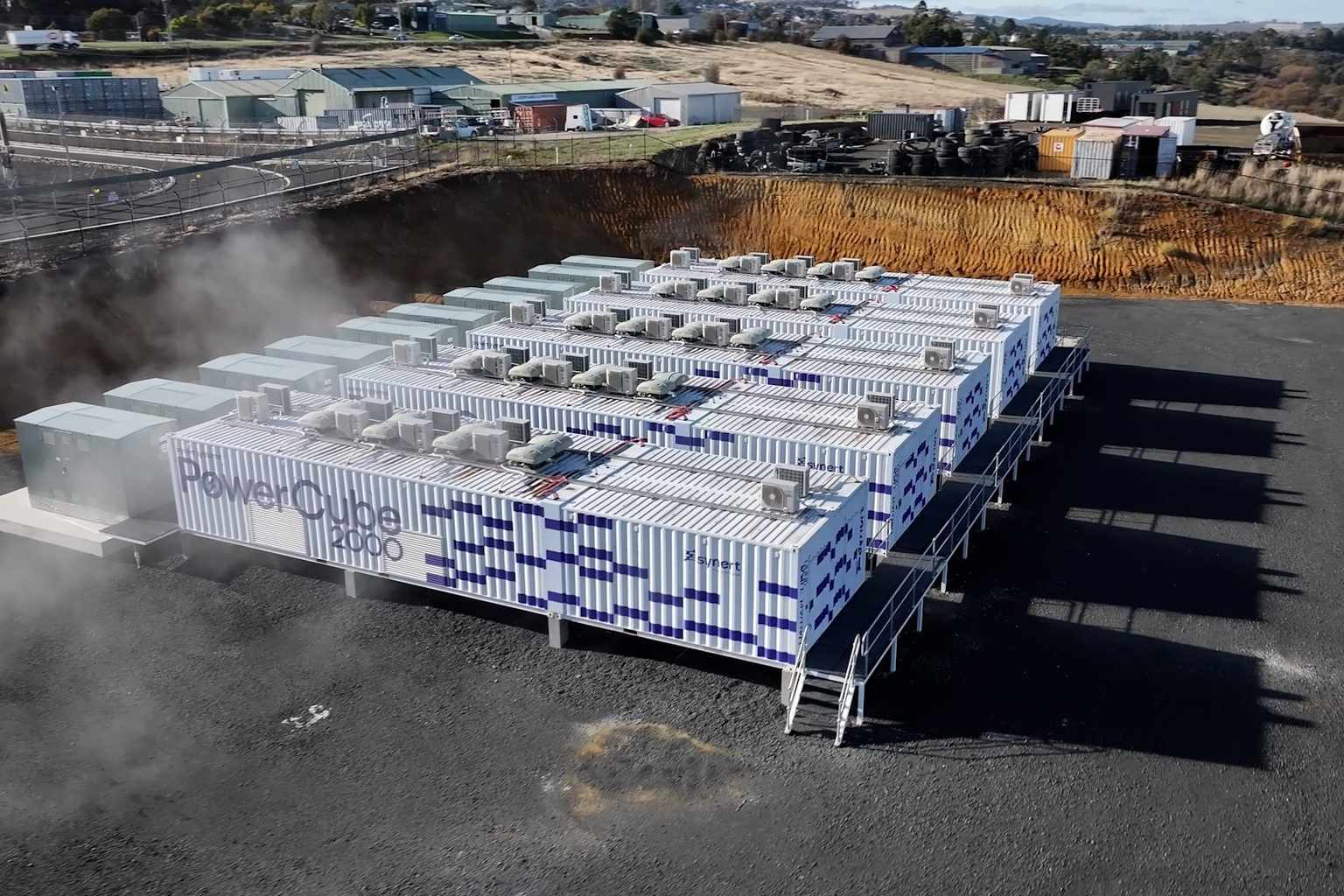
George Town Council is expected to consider the Bell Bay application in August after the consultation period was extended by 14 days following a meeting where more than 120 residents raised concerns.
Curtis rejected suggestions the company might withdraw from Tasmania if opposition intensified.
“I feel like this is a fantastic opportunity and it’s a fantastic opportunity for multiple generations with multiple benefits across Tasmania,” he said.
Rosenfeld said the company is also funding a new fibre optic cable to the mainland, which would increase Tasmania’s connectivity almost tenfold and should be operational within a year.