Tasmanian motorists are set to face higher fuel costs in stages from tomorrow as the federal government winds back its temporary fuel excise discount, with price rises expected to vary across the state depending on supply chains and stock levels.
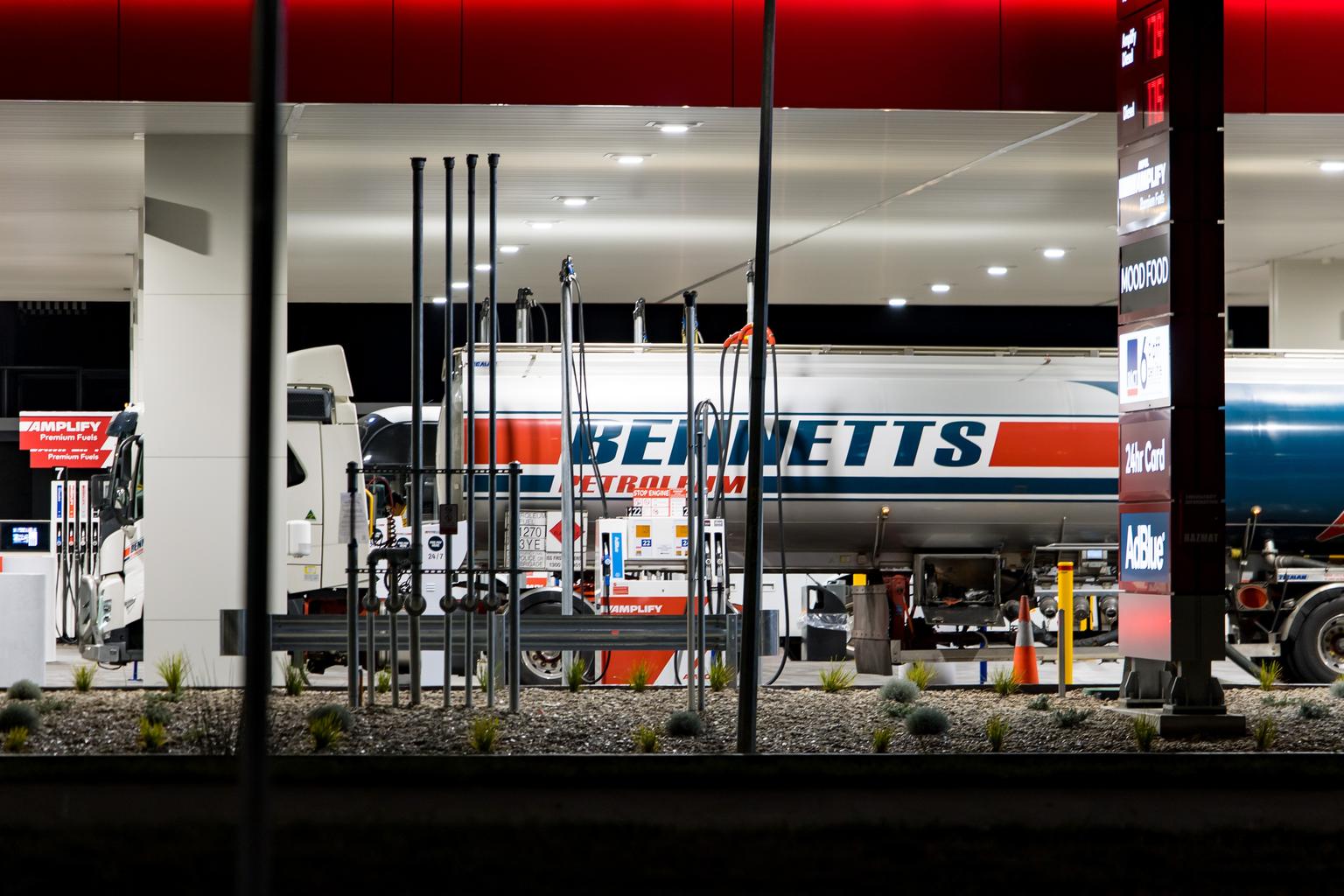
General Manager of Tas Petroleum Nathan Thurlow said his company had been filling tanks and topping up wholesale and agricultural customers in preparation for the price change.
“We’ve been working towards the end goal of having everything full,” Thurlow said.
The federal government introduced a temporary 32 cent per litre fuel excise discount in April after fuel prices soared following the closure of the Strait of Hormuz, which cut off around 15% of global oil supply.

From tomorrow, the discount drops to 16 cents per litre for July before the temporary relief ends in August and the full excise rate of 52.6 cents per litre resumes.
The reduced discount will still save motorists around $11 on a standard 65-litre tank, down from around $23 under the original cut.
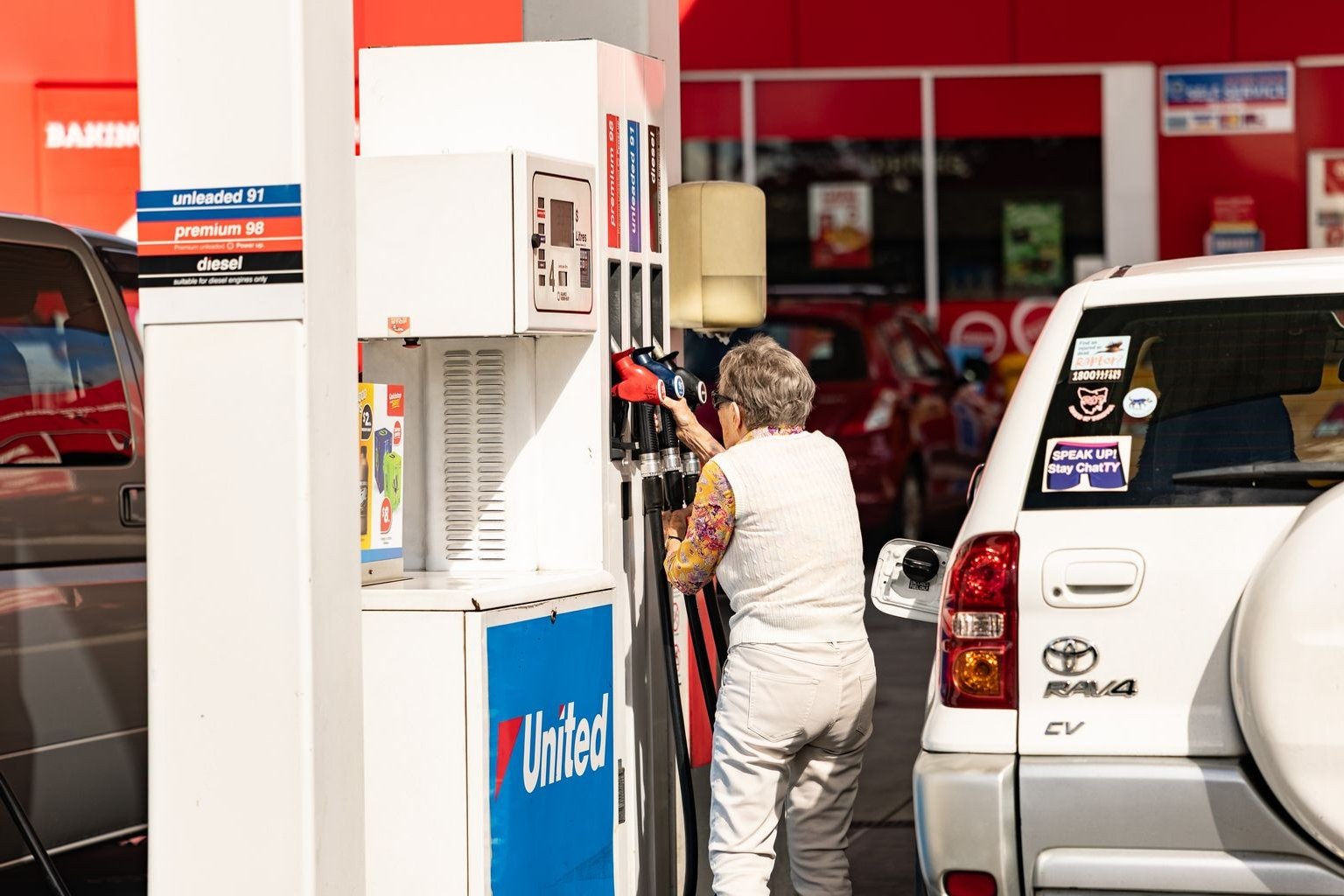
This week, unleaded has averaged $1.75 per litre in Tasmania and diesel has averaged $2.00 per litre, well down from the March highs of above $2.20 and $2.80 respectively.
Thurlow said any fuel picked up from terminals after midnight tonight would attract the higher excise, and that cost would be passed on to wholesale buyers.
But he said the flow-through to retail prices would depend on stock levels and when service stations replenish fuel supplies.
“From a retail perspective, we’re hoping to be able to hold,” he said.
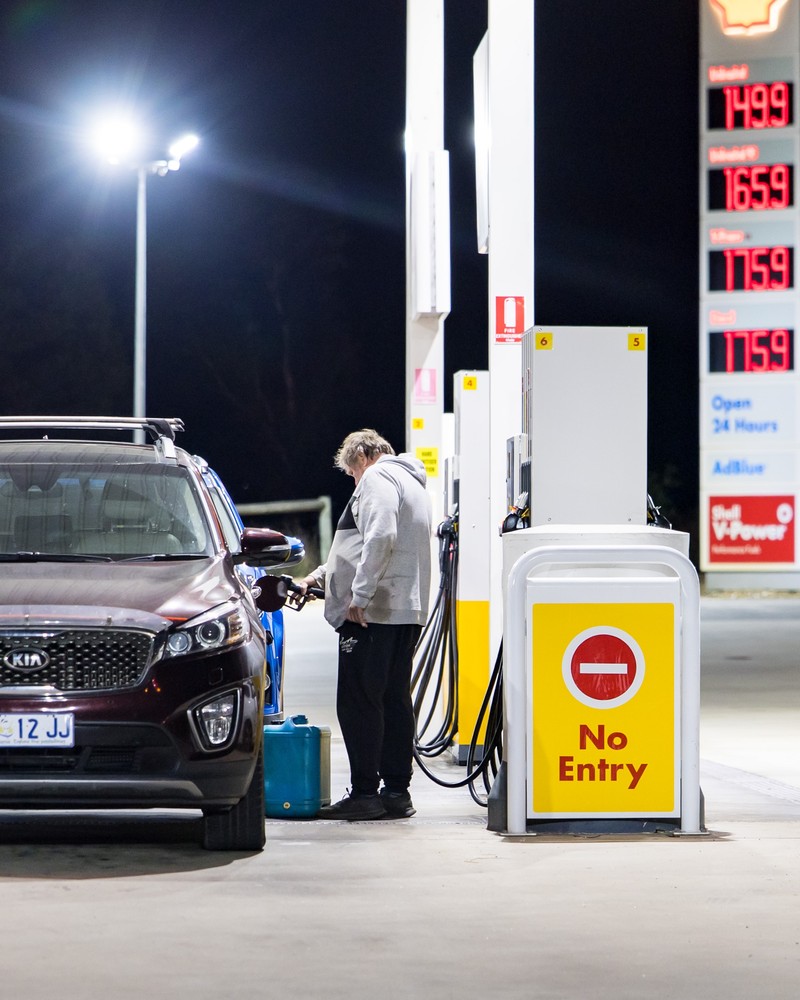
“I think the petrol will move before the diesel.”
He said the gap between wholesale and retail prices was tighter for petrol, leaving less room to absorb the increase.
“I think petrol will go 5 to 10 [cents per litre] within the next week,” he said.
Thurlow played down fears of a sudden spike, saying the company would not pass the full cost on overnight.
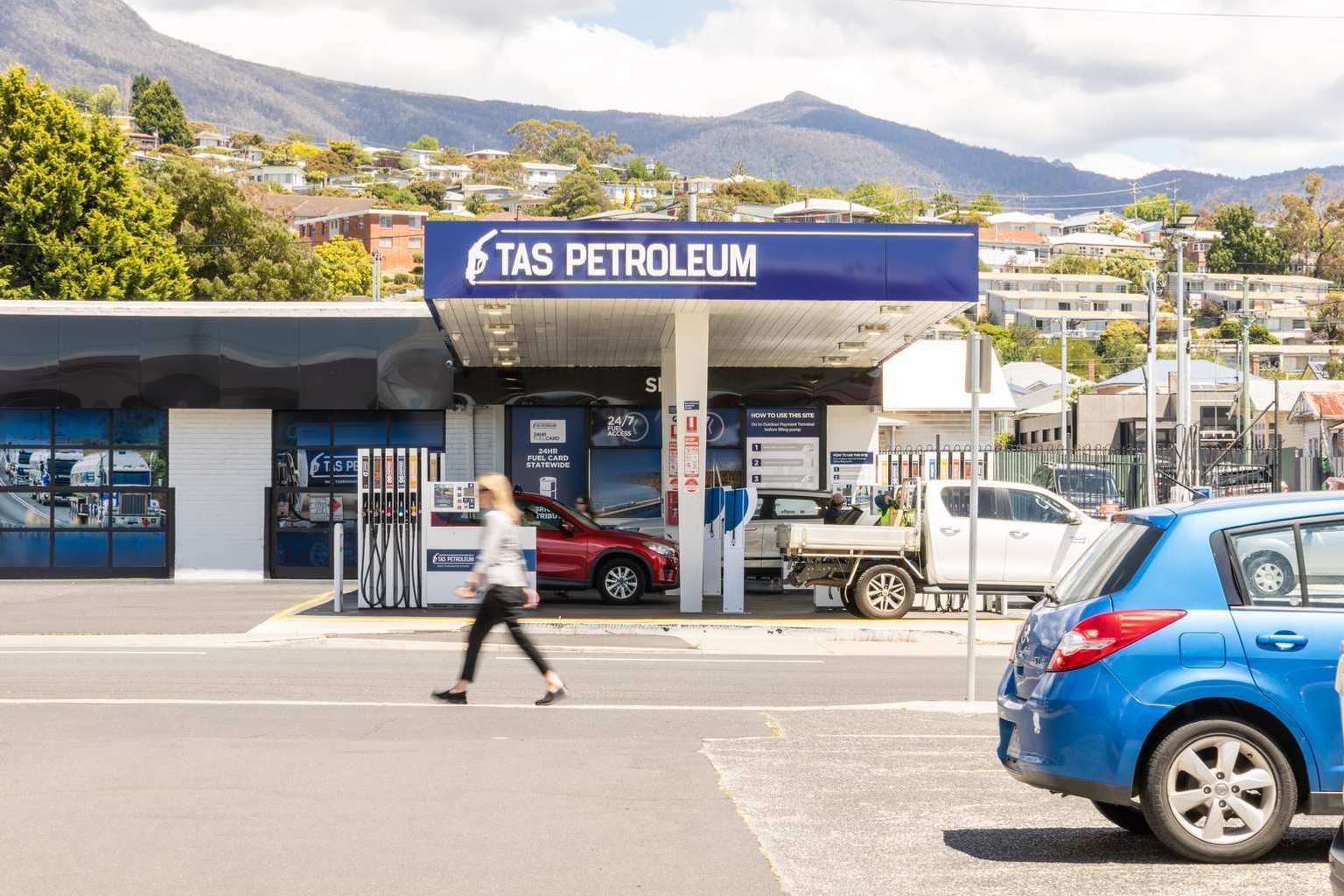
“People aren’t just gonna whack it on overnight, or we’re certainly not,” he said.
“We’re gonna try and look after the people.”
He said regional areas could actually see delayed price movements compared to cities like Hobart and Launceston because lower fuel sales at rural sites meant they could hold pre-excise stock for longer.