Tasmania’s Liberal government and Labor opposition are trading blows over the health budget, with both sides claiming the numbers prove their case.
Health Minister Bridget Archer says spending is at record levels. Labor says $700 million is being stripped from a system already at breaking point.
The budget papers show both things are happening at once.
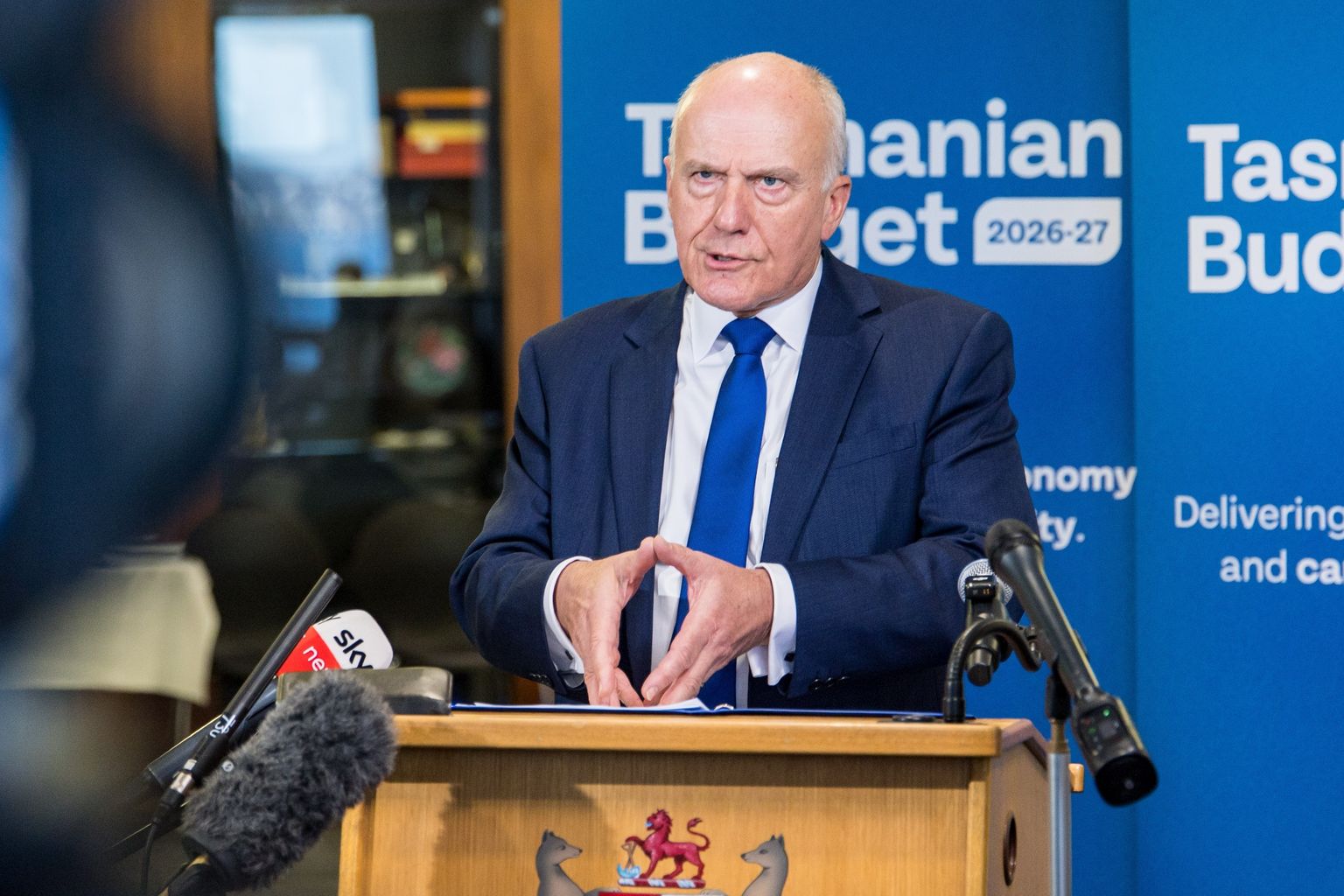
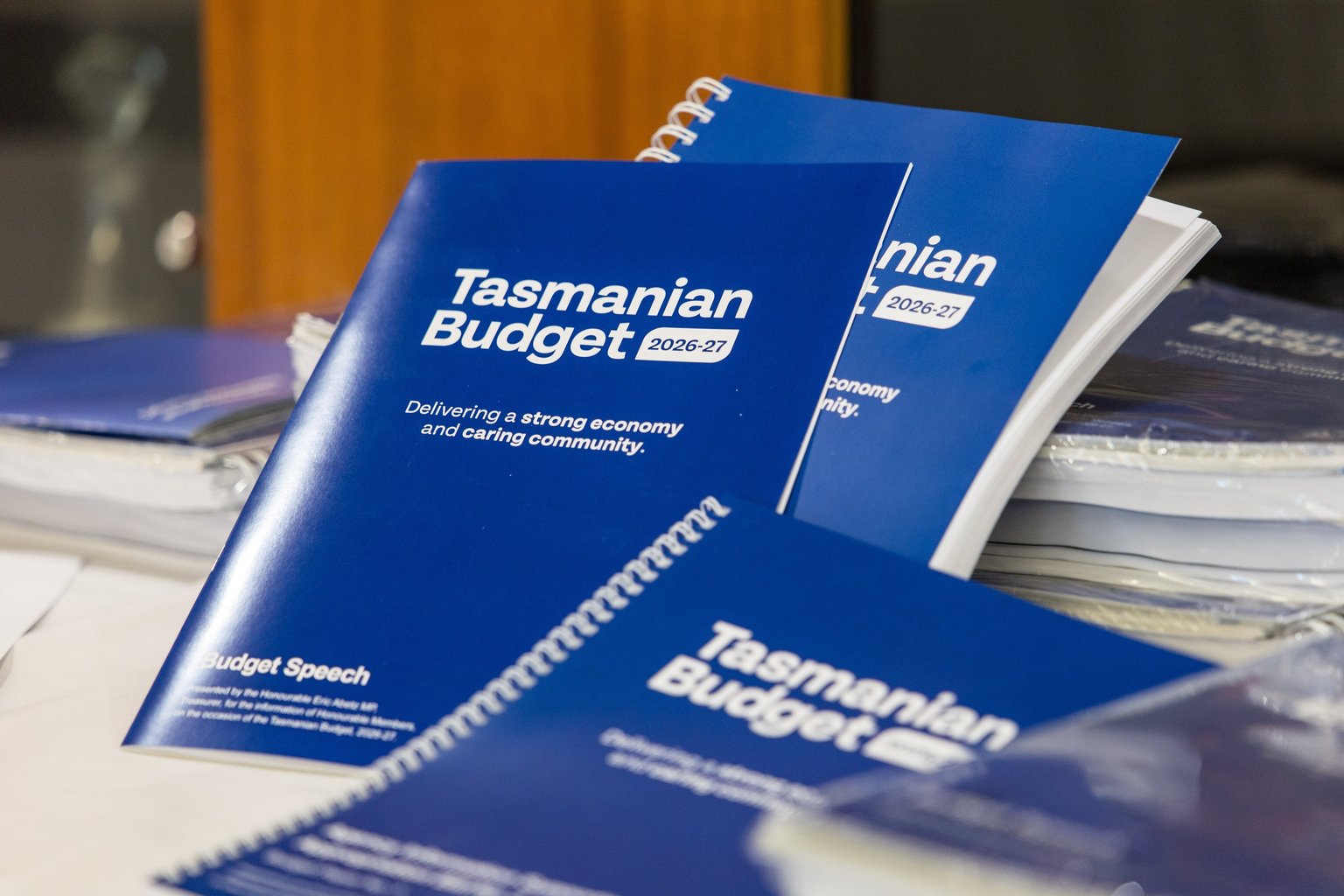
Treasurer Eric Abetz has set a $702 million “operational efficiencies” target for the Department of Health over four years – almost half of the $1.5 billion in savings being sought across the public sector.
At the same time, the headline health allocation has grown.
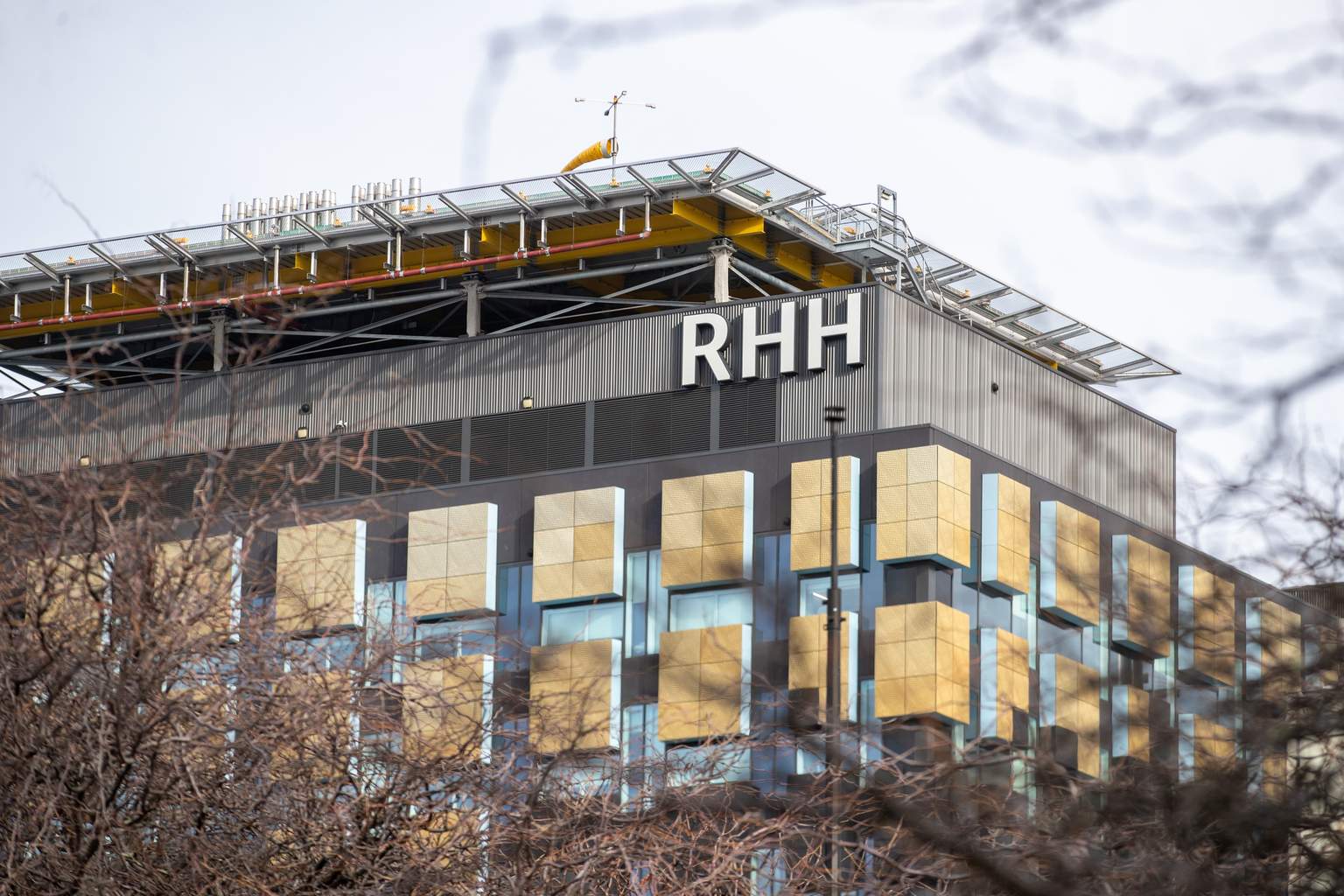
Next year’s budget is $3.66 billion, up from a revised $3.64 billion this year.
Over four years, more than $15 billion will be spent on health – 35% of the total budget.
“The 2026-27 budget shows increased expenditure of $264.8 million in health,” Archer said. “There are no cuts to health.”
Premier Jeremy Rockliff, on social media, accused Labor of being “intentionally dishonest” and disrespecting health workers.
Shadow health minister Sarah Lovell says the savings target is clearly set out in the budget papers.
“Bridget Archer must immediately correct the record after falsely trying to claim there are no cuts to health in the budget,” Lovell said.
“It’s right there in black and white.”
Shadow treasurer Dean Winter pointed to Productivity Commission data ranking Tasmania last in the country for emergency department and ambulance performance.
“It is impossible to believe that Eric Abetz can gut $700 million from the system without hurting Tasmanians even more,” Winter said.
The growth in health funding is below inflation, rising just 2% from this year to next and only 0.7% the year after.
Tasmania is also expected to receive up to $705 million in extra Commonwealth funding over five years under the National Health Reform Agreement.
That figure roughly matches the state savings target, raising the question of whether one offsets the other.
Speaking on the Poll Position podcast, Abetz made clear it does not.
“What we want to do is find the necessary savings and we’re confident we can do that from the back office,” he said, unsure of the “actual figure”.
“We believe that we can achieve those savings and if that’s what the actual figure is in the forward estimates, if it’s $700 million, then that’s what we are pursuing.”
He pointed to the Department of Premier and Cabinet, which has cut 82 positions or 12% of its staff and said a similar 10% reduction elsewhere would deliver “the sort of savings that are required”.
Abetz says no forced redundancies are planned. Savings will come from natural attrition and voluntary redundancies.
The budget papers commit only to “minimising impacts” on frontline services – not ruling them out.
“In developing efficiency measures, consideration will be given to minimising impacts on frontline service delivery, with agencies expected to manage efficiencies in a way that maintains core service delivery outcomes,” the papers state.