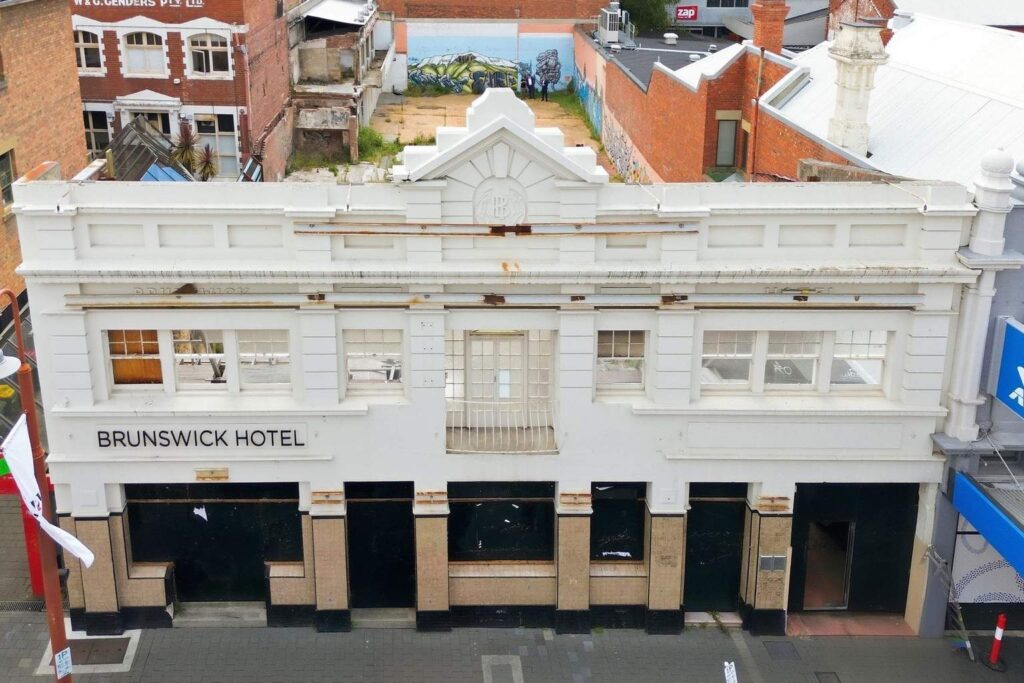
The site of the Brunswick Hotel has been listed for sale, more than four years after a fire destroyed the Hobart landmark.
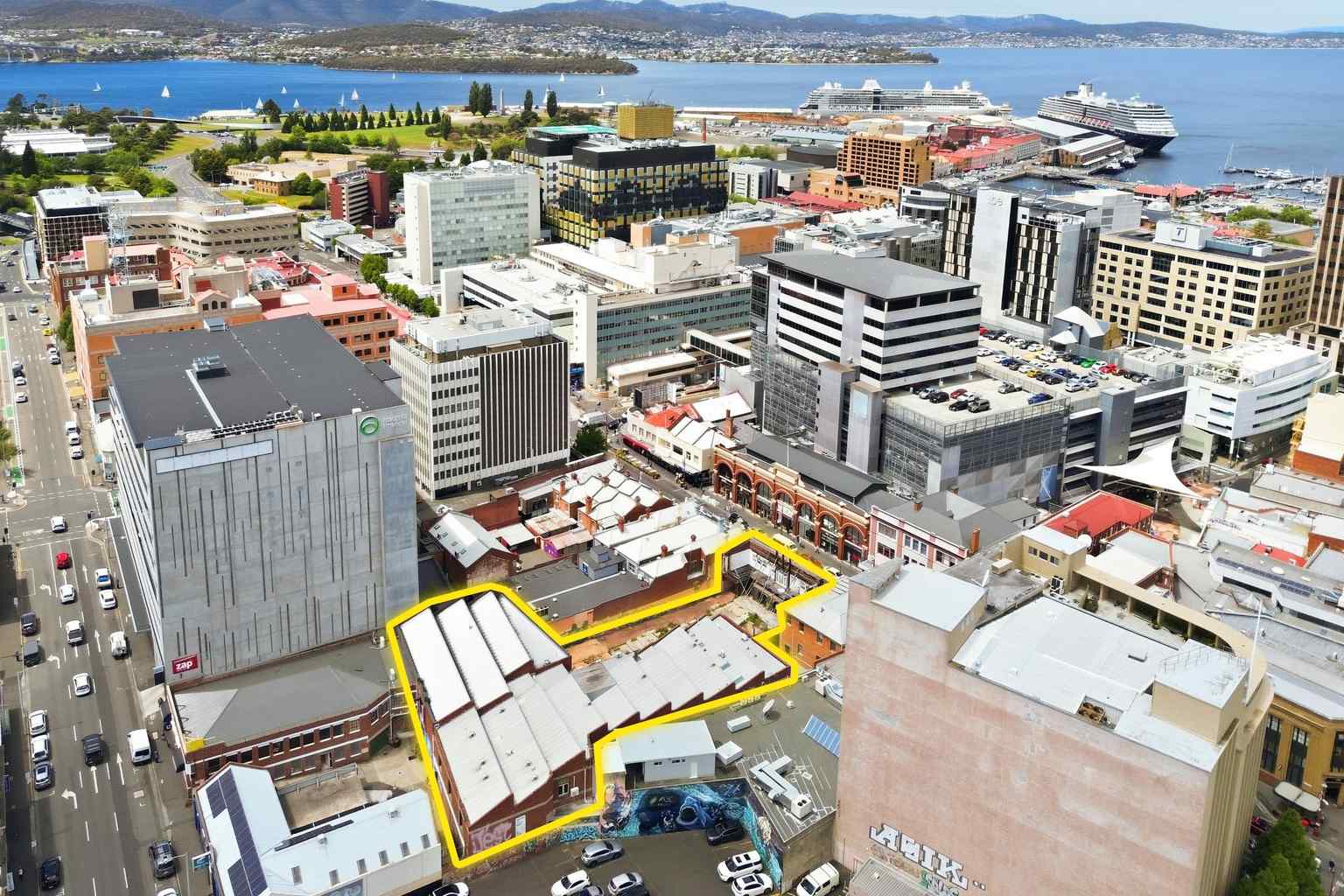
The aggregated 2,041-square-metre site at 67–69 Liverpool Street and 54 Bathurst Street represents the CBD’s most significant development opportunity in nearly two decades.
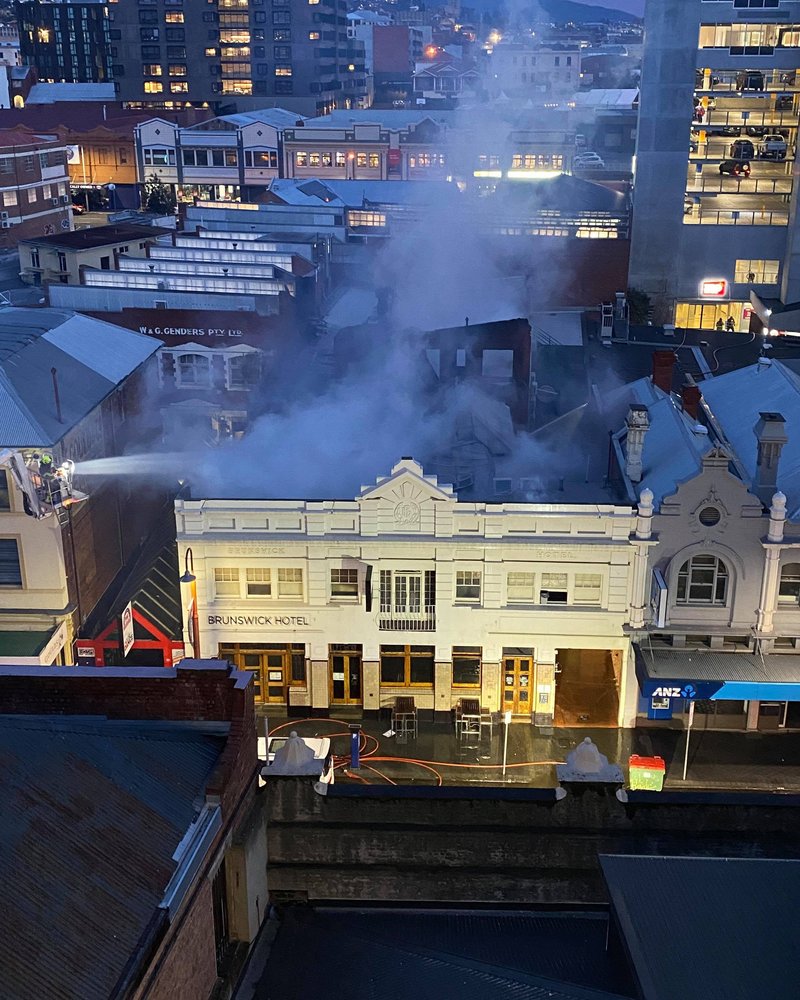
Only the heritage facade remains standing after a blaze tore through the building in the early hours of July 12, 2021.
More than 30 firefighters battled the inferno at its peak, with guests evacuated through second-storey windows as flames engulfed the structure.
The fire was later deemed accidental. No one was injured.
The Brunswick first opened in 1827 as an illegal grog shop known as the Brunswick Wine Vaults. It was granted its first liquor licence in 1831.
Built just two decades after Hobart’s settlement, the pub was considered Australia’s second-oldest continuously licensed hotel before the fire.
The building had already survived one major blaze.
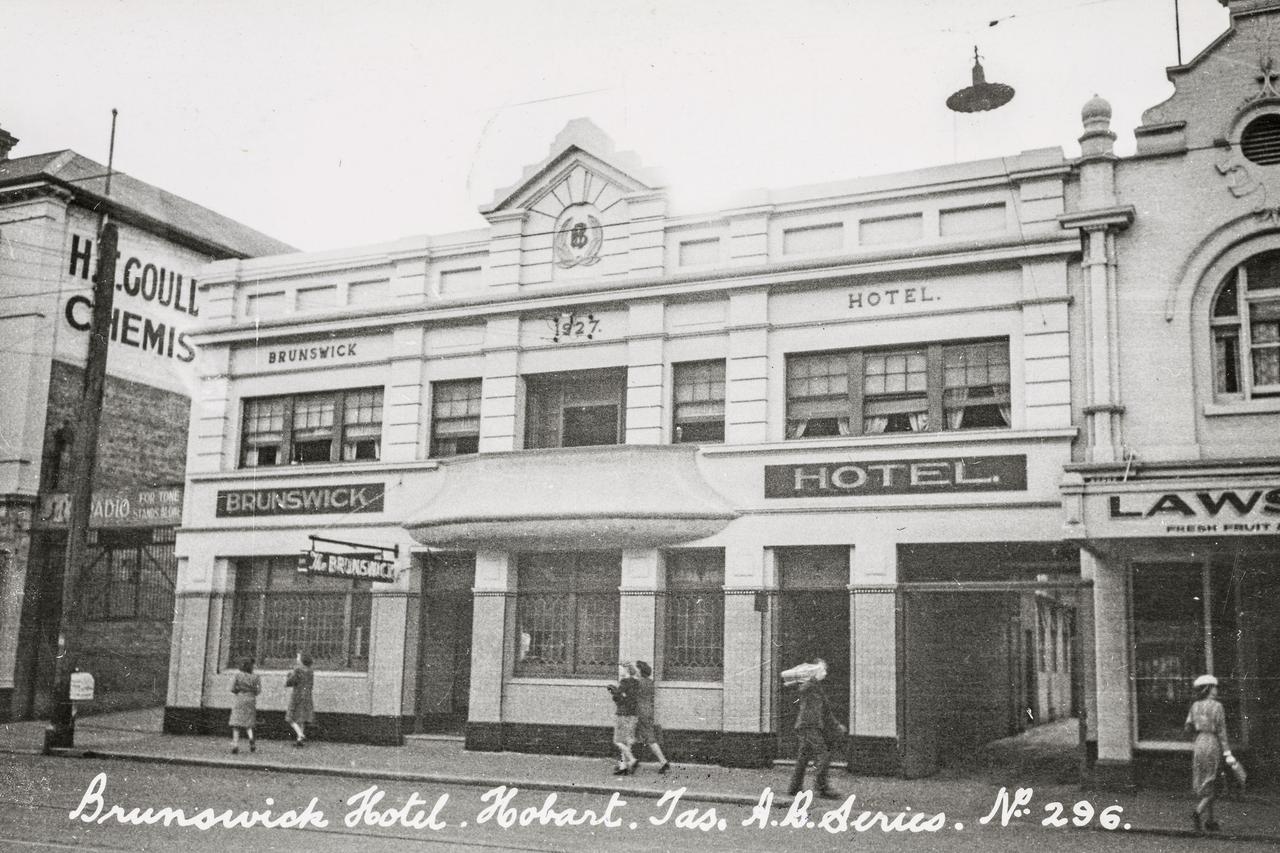
A fire in 1926 prompted significant reconstruction, including the Liverpool St facade that still stands today.
The owners initially flagged plans to rebuild after the 2021 fire.
However, the site has since been consolidated with adjoining properties and listed for sale.
Ray White Commercial Tasmania partner Hayden Peck said the property had potential for a building up to 60 metres tall with approximately 34,000 square metres of floor space.
“Opportunities of this scale, in this location, with this level of preparatory work already completed, simply do not come around in Hobart,” he told Real Commercial.
“It presents investors and developers with a rare chance to shape the next chapter of the city’s skyline.”
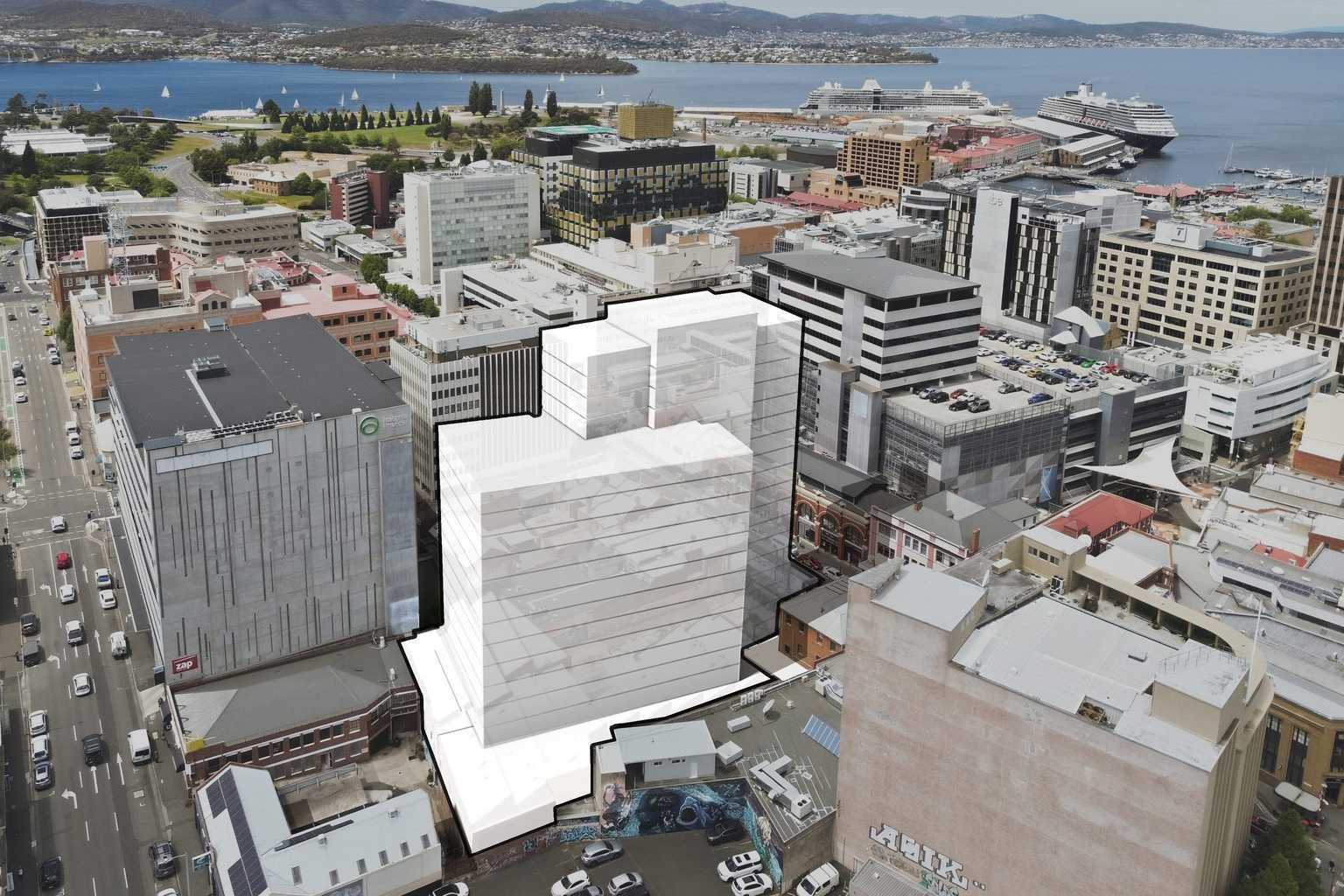
Due diligence for a hotel development of more than 250 rooms has already been completed, he said.
The site sits 900 metres from the approved Macquarie Point stadium.
“This offering arrives at a pivotal moment for Hobart,” Peck said.
“As the city continues to evolve into a nationally and internationally recognised destination for tourism, events and business, developments of genuine scale will play a critical role in shaping its future.”