Drivers using Hobart’s aquatic centre car park as a free commuter lot will soon face a $60 sting under a new enforcement system approved by the city council.
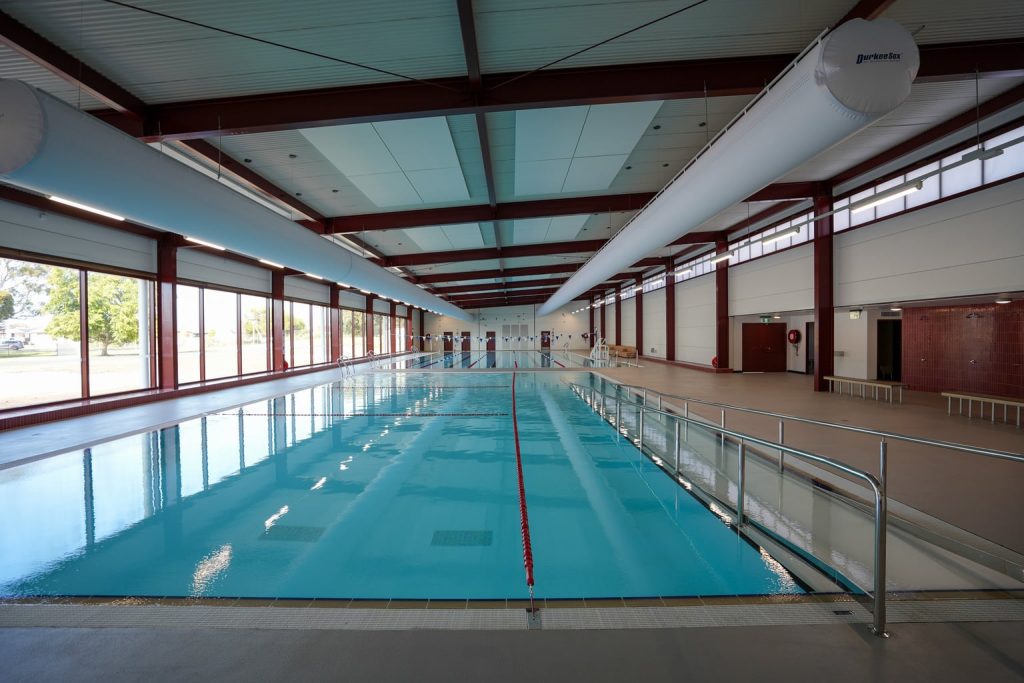
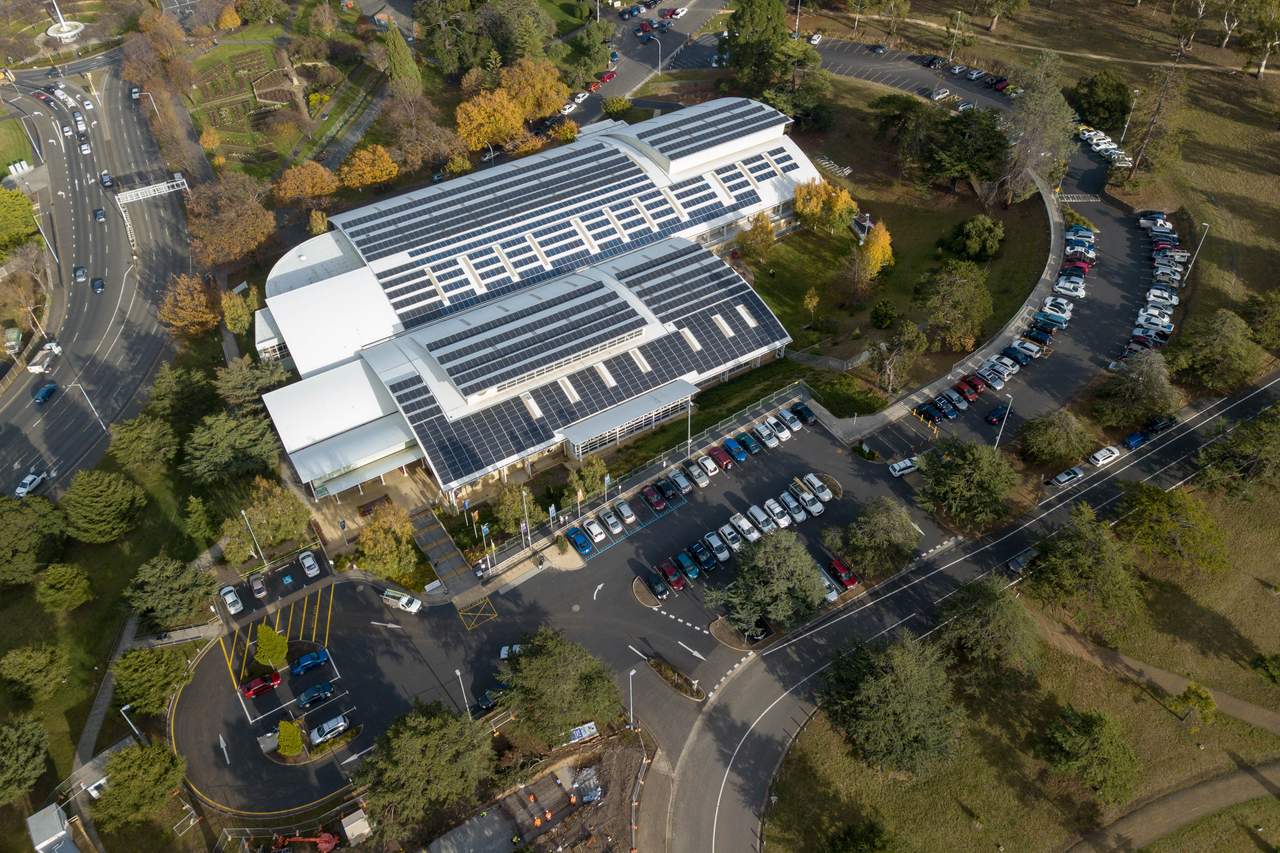
Hobart City Council voted on Tuesday night to introduce licence plate recognition technology at the Doone Kennedy Hobart Aquatic Centre, closing a loophole that has frustrated swimmers and gym-goers for years.
Council data revealed up to 17% of vehicles in the car park belonged to people who never set foot in the facility.
Parking gripes accounted for 27% of all complaints about the centre last financial year.
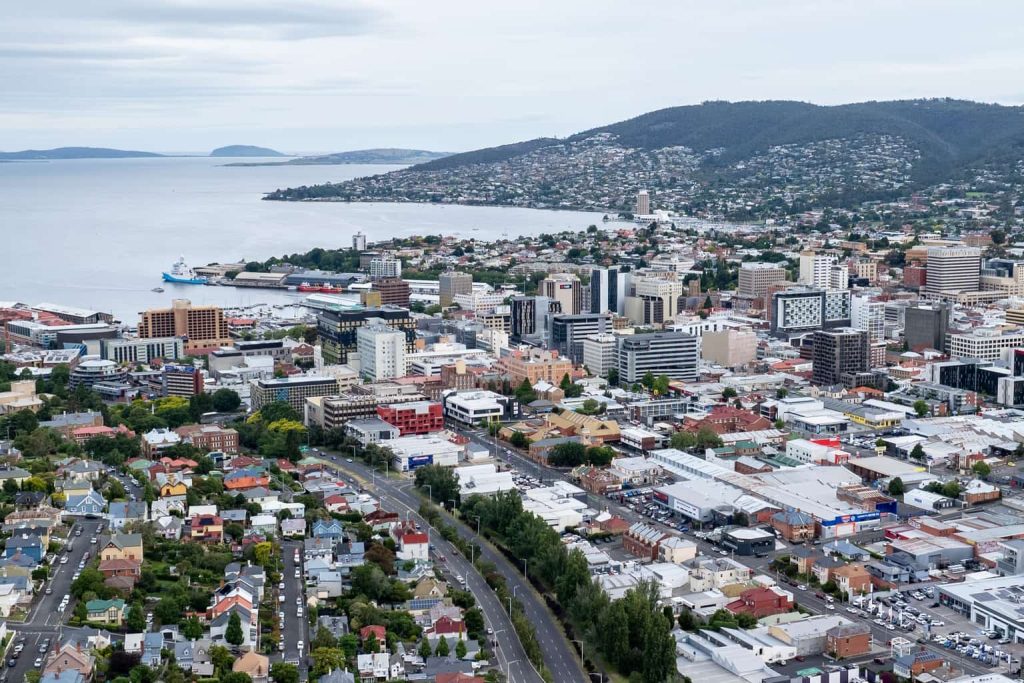
The car park’s proximity to the Royal Hobart Hospital and University of Tasmania’s nursing campus had made it a magnet for commuters after boom gates were removed several years ago.
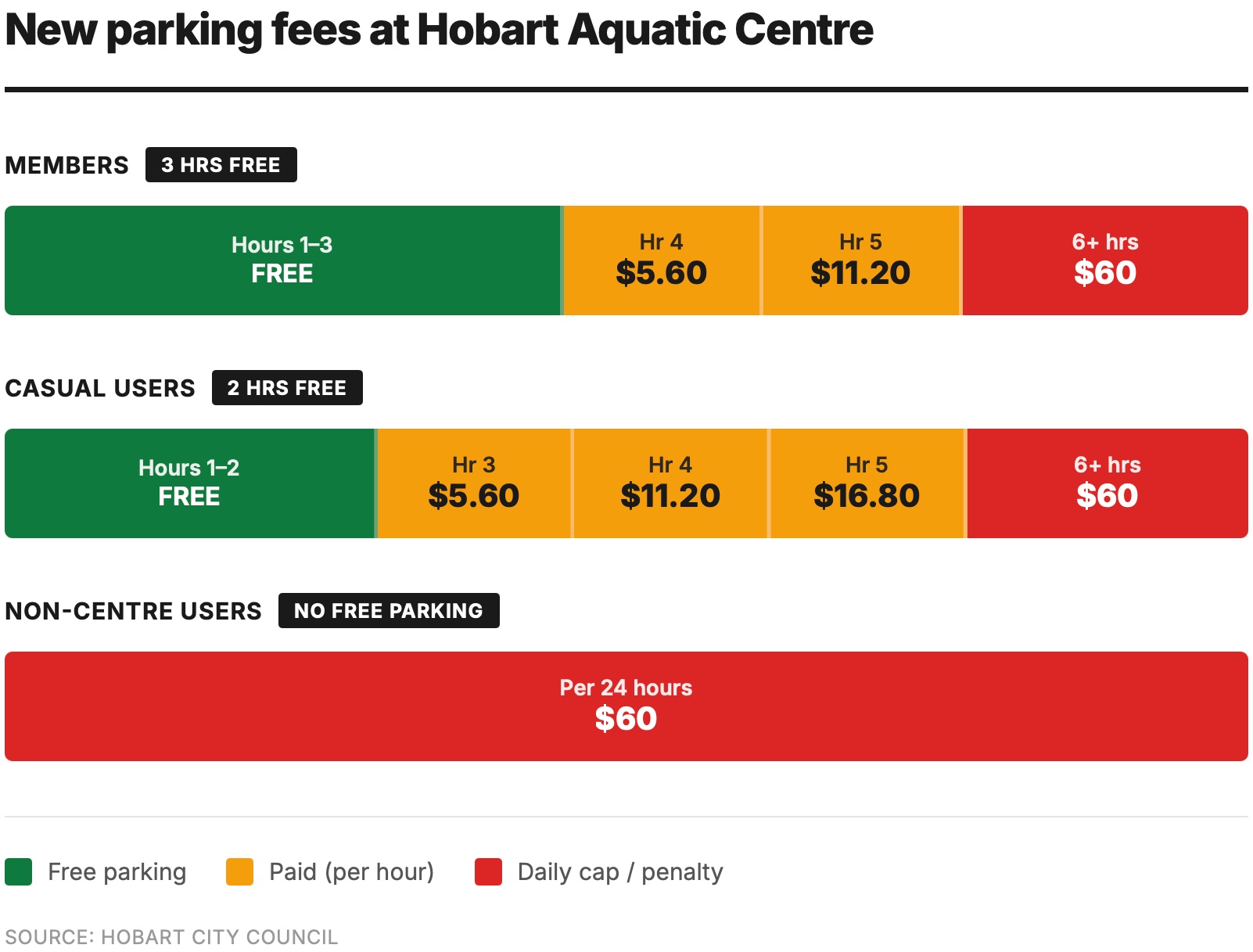
Under the new system, members will receive three hours free and casual users two hours.
Beyond that, fees start at $5.60 per hour, up to a five-hour maximum.
Anyone who fails to validate their parking as a centre user faces the flat $60 charge.
Councillor Gemma Kitsos said the facility had become a target for opportunistic parkers.
“People saw it as a free opportunity to park their car with no restrictions,” she said.
“This is a really reasonable and welcome change … and I think that we’re going to have happier members and happier users because of it.”
The motion passed 11-1, with Councillor Louise Elliott the sole dissenter.
She raised concerns about the impact on disadvantaged families and shift workers who park overnight for safety reasons near the hospital precinct.
“I’m just wondering if we’re going to be indirectly ‘punishing’ people that use that car park when they’re not taking a car park away from a centre user because the centre is closed,” she said.
“And I would not want to do that.”
Council officers moved to allay fears about families being caught out, confirming the $60 penalty only kicks in after five hours.
The centre draws users from more than 165 postcodes across Tasmania, with a council report noting car travel is the “only viable option” for many.
The new system is expected to be operational by early March.