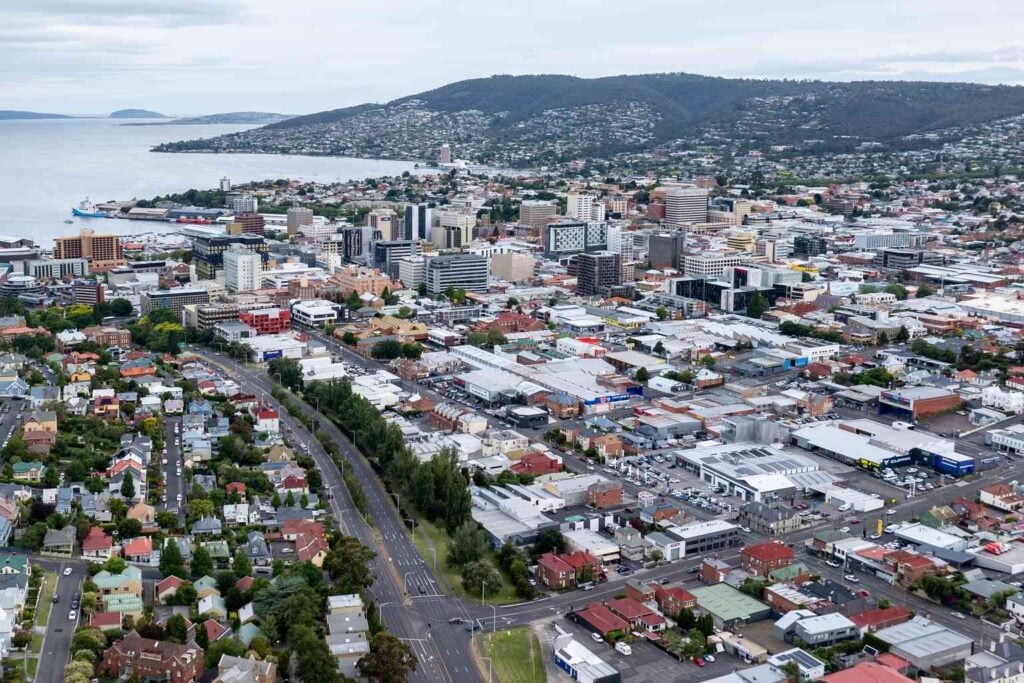
The Hobart City Council will next week debate a contentious proposal to ban large car yards from the CBD.
The motion, put forward by Councillor Ryan Posselt, calls for planning scheme amendments to “prospectively prohibit broadacre automotive retail” and seeks a plan for the “coordinated retreat” of car yards from central Hobart.
The proposal has sparked strong backlash from the automotive industry, which warns it would cost hundreds of jobs and hinder Tasmania’s transition to electric vehicles.
Posselt said his motion aligns with the Central Hobart Plan and the 30-year Greater Hobart Plan, which together envision 5,000 new dwellings and more than 10,000 additional residents in the city centre by 2050.
He argues car yards are an inefficient use of scarce inner-city land, noting that 45,314 square metres of the CBD is currently taken up by automotive retail.

“Broadacre car yards are objectively a poor use of city space, especially when more modern alternatives exist,” his motion states.
Posselt pointed to Tesla showrooms and Hobart’s Lexus dealership on Elizabeth Street, which includes a ground-floor Japanese restaurant, as examples of more compatible automotive retail formats.
“At its core, this motion seeks to build a vibrant, future proof city for its people, where housing is abundant and economic opportunity abounds for all Tasmanians,” the motion states.
He argues that more people living centrally would support local businesses, revive the night-time economy, reduce traffic congestion and make streets safer.
Posselt also noted Hobart has the “worst housing typology diversity” of any Australian capital city, with not enough apartments and townhouses.

The Tasmanian Automotive Chamber of Commerce (TACC) has described the proposal as damaging.
TACC chief executive Peter Jones said the automotive industry employs hundreds of people in the Hobart region and provides essential services to both households and businesses.
“This proposal would inflict severe and unjustified harm on businesses, consumers and the broader Tasmanian economy,” he said.
“We are talking about an industry that supports businesses with hundreds of employees in the Hobart region, delivering high-skilled employment, substantial private investment and critical training pathways.”
“Council appears ready to disrupt all of this without proper consultation or clear justification.”
Jones said the sector had not been consulted before the motion was put forward.
“We should have been part of this conversation from the beginning,” he said.
“Instead, we’re learning about proposals that could fundamentally reshape our industry’s presence in Hobart through a council motion.”
“This is not how good planning policy is developed and it’s not how you treat an industry that employs hundreds of Tasmanians and provides essential services to every household and business.”
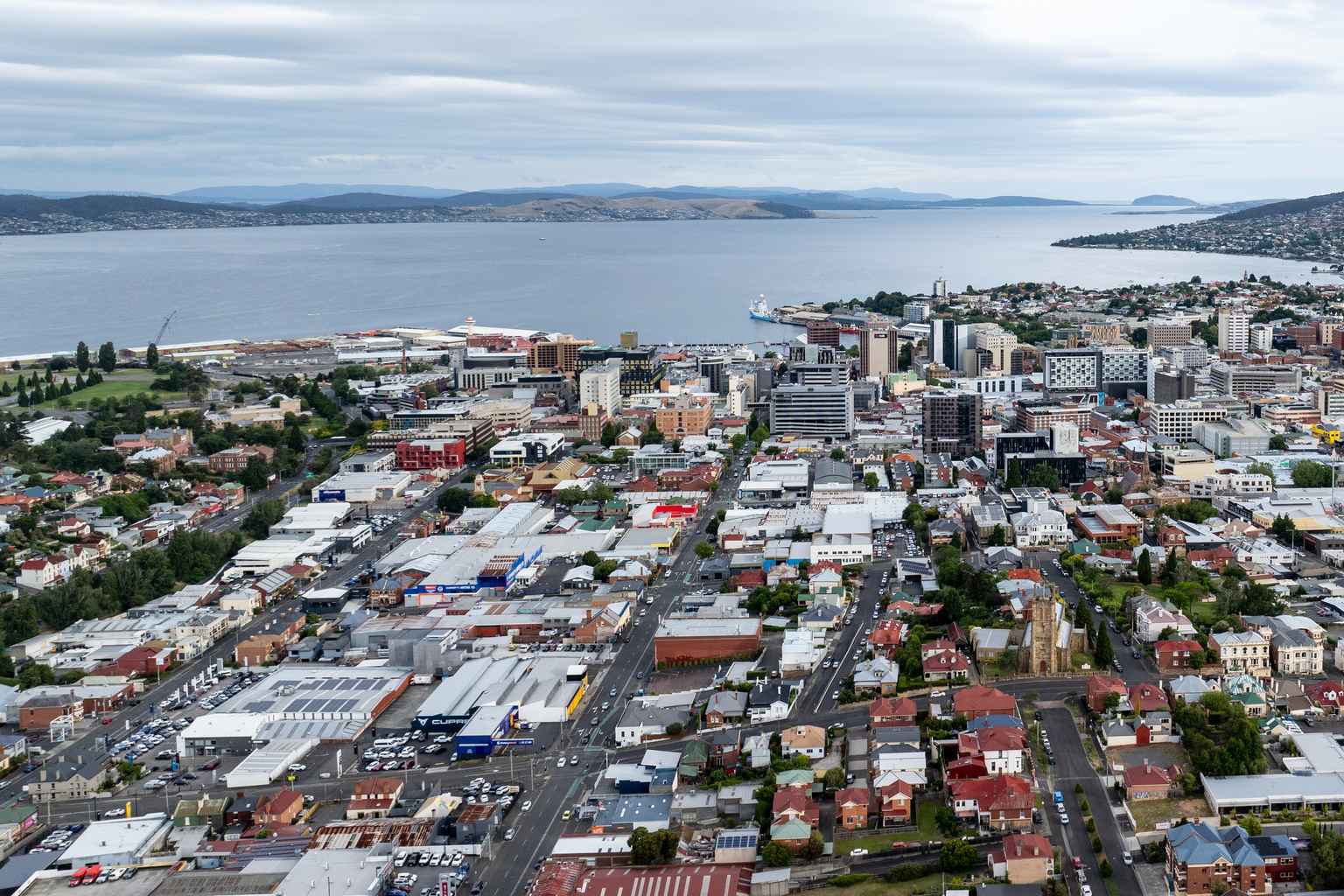
The TACC also argues that restricting broadacre automotive retail would undermine Tasmania’s shift to cleaner vehicle technologies.
Jones said large sites are needed for modern workshops, servicing requirements and electric vehicle charging infrastructure.
“At a time when governments are actively encouraging uptake of electric and hybrid vehicles, this proposal would make it harder for Tasmanians to access the very infrastructure and services needed to support that transition,” he said.
The chamber warned the restrictions would also reduce access to essential services such as repairs, safety inspections and parts supply.
“Hobart residents and visitors rely heavily on the automotive sector for mobility and participation in economic and community life,” Jones said.
“Forcing automotive businesses out of accessible locations would create substantial inconvenience for consumers and impose additional cost burdens on businesses already operating in a challenging economic environment.”
The proposal has also drawn criticism online, with some residents linking it to broader frustrations about CBD accessibility and council decision-making.
Others argued the council should prioritise making the CBD more attractive for development rather than banning specific industries.
“If a car yard makes the strongest commercial bid for the property, then it’s because the local government has created a situation where a car dealer feels they have the best opportunity to make it a success,” one commenter wrote.
“Rather than trying to pick winners and losers you should focus on creating an environment where the enterprises you hope for, can see the opportunity.”
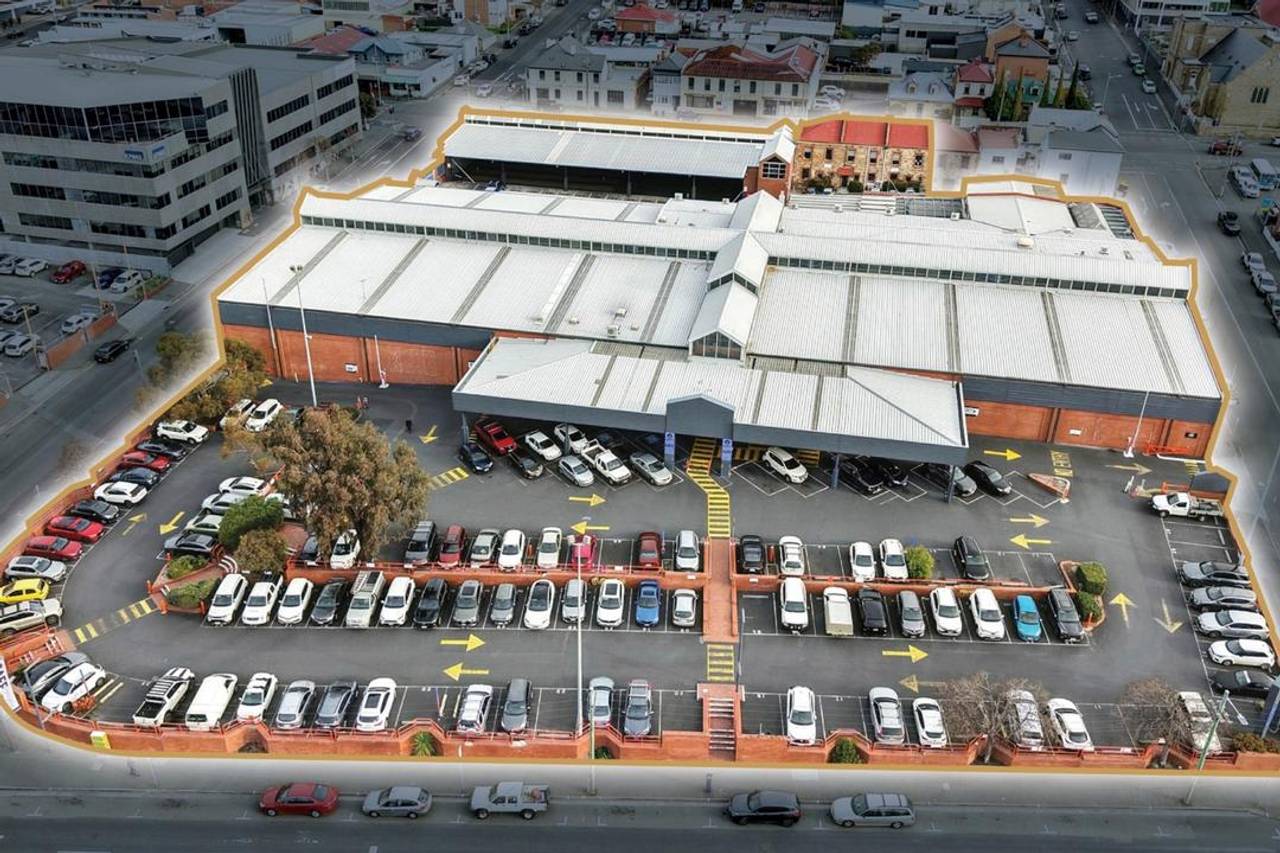
Council officers have indicated that planning amendments are already being developed to prohibit large car yards while still allowing smaller vehicle showrooms as a discretionary use.
The administration’s response notes the changes are expected to go before the council in the first half of next year and will be publicly exhibited for community feedback.
Officers also said broadacre automotive retail would struggle to meet planning objectives under current zoning, especially after recent changes brought sites like the former K&D warehouse into the central business zone.
The council has committed to writing to the state government, the Committee for Greater Hobart and neighbouring councils to seek collaboration on identifying alternative sites for car yards.