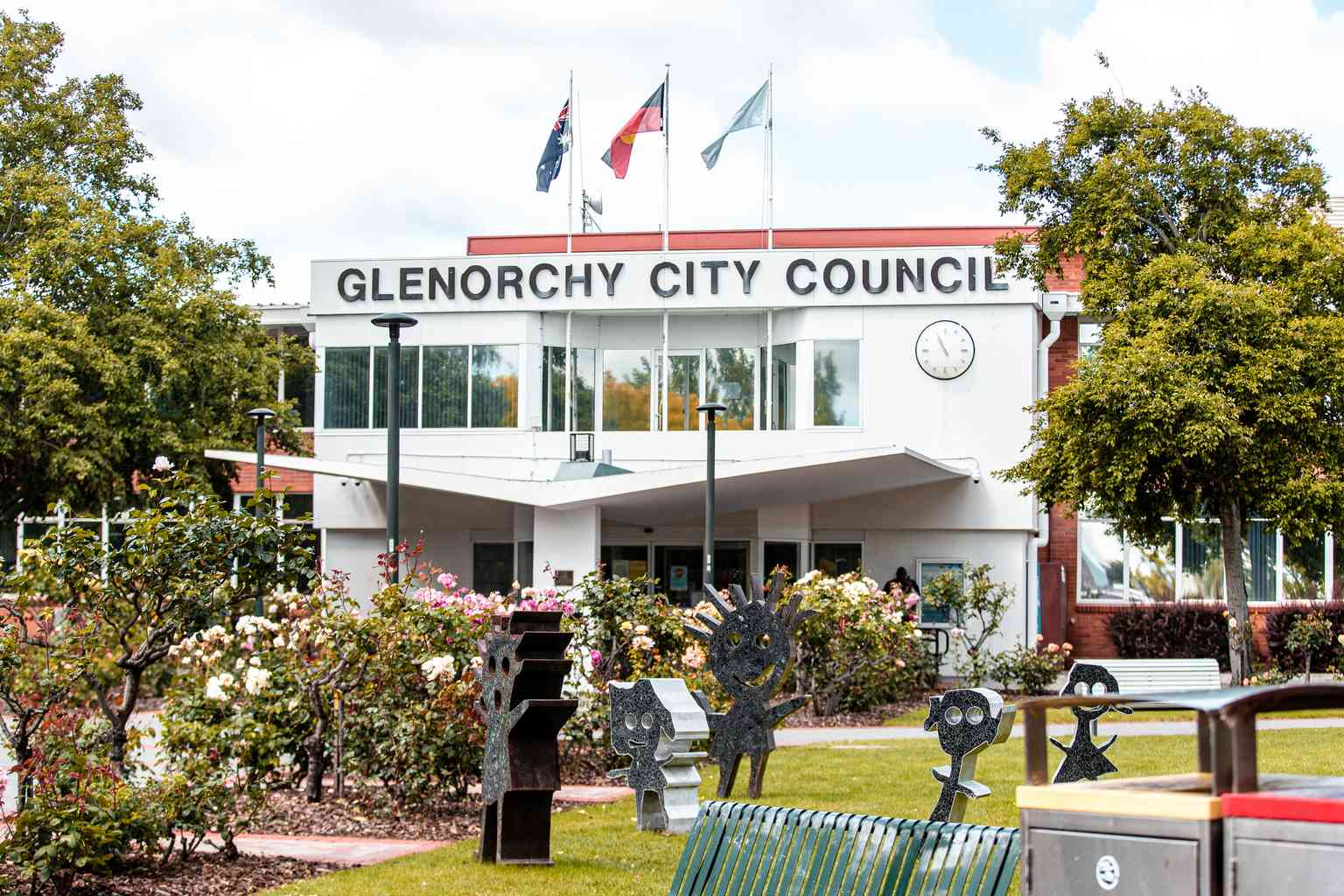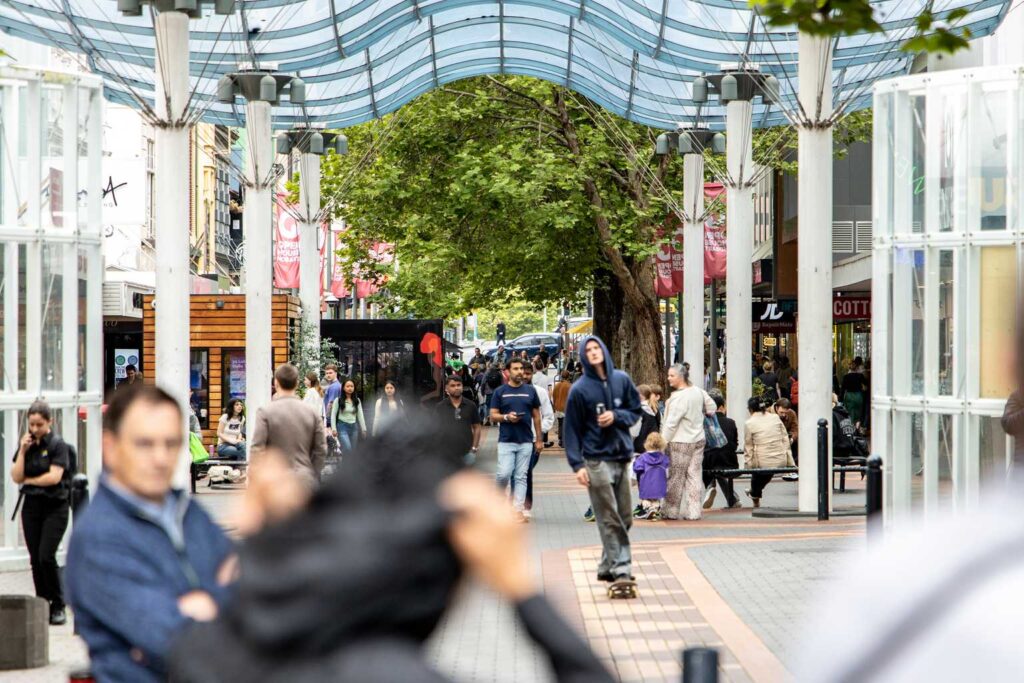
Hobart councillors will tonight vote on whether to approve a team of uniformed officers to patrol the CBD.
The Safe City Liaison Program would put three officers on the ground during business hours, connecting people sleeping rough with services, checking in on businesses and de-escalating antisocial behaviour.
Officers would walk set routes through known trouble spots and act as a visible council presence in the city centre.
Their day-to-day work would include engaging with people sleeping rough or drinking in public spaces, making referrals to housing, mental health and drug and alcohol services and passing real-time intelligence on emerging issues to police.
They would also take on smoke-free area education, monitor outdoor dining and footpath trading compliance and provide a regular point of contact for CBD retailers and hospitality operators.
A report prepared for councillors noted businesses currently have limited direct engagement with the council outside of specific projects.
“This creates gaps in communication around emerging safety concerns, business confidence and the day-to-day experience of workers and customers in the city centre,” the report said.
Officers would not issue fines or intervene in criminal situations, instead following an “educate, engage, refer” model and escalating to police when needed.
All three would be trained in de-escalation, trauma-informed practice and mental health first aid and would wear body-worn cameras.
The program is modelled on the City of Perth’s ranger system.
Melbourne’s more enforcement-heavy approach was considered but rejected as a poor fit for Hobart’s focus on “relationship-based engagement” and early intervention.
It would cost about $300,000 a year using three existing vacant positions, with no new funding required.
The three-year trial would initially run Monday to Friday, with extended hours to be assessed based on evidence.
Success would be measured through perception surveys, referral outcomes and stakeholder feedback, with annual reports to council.
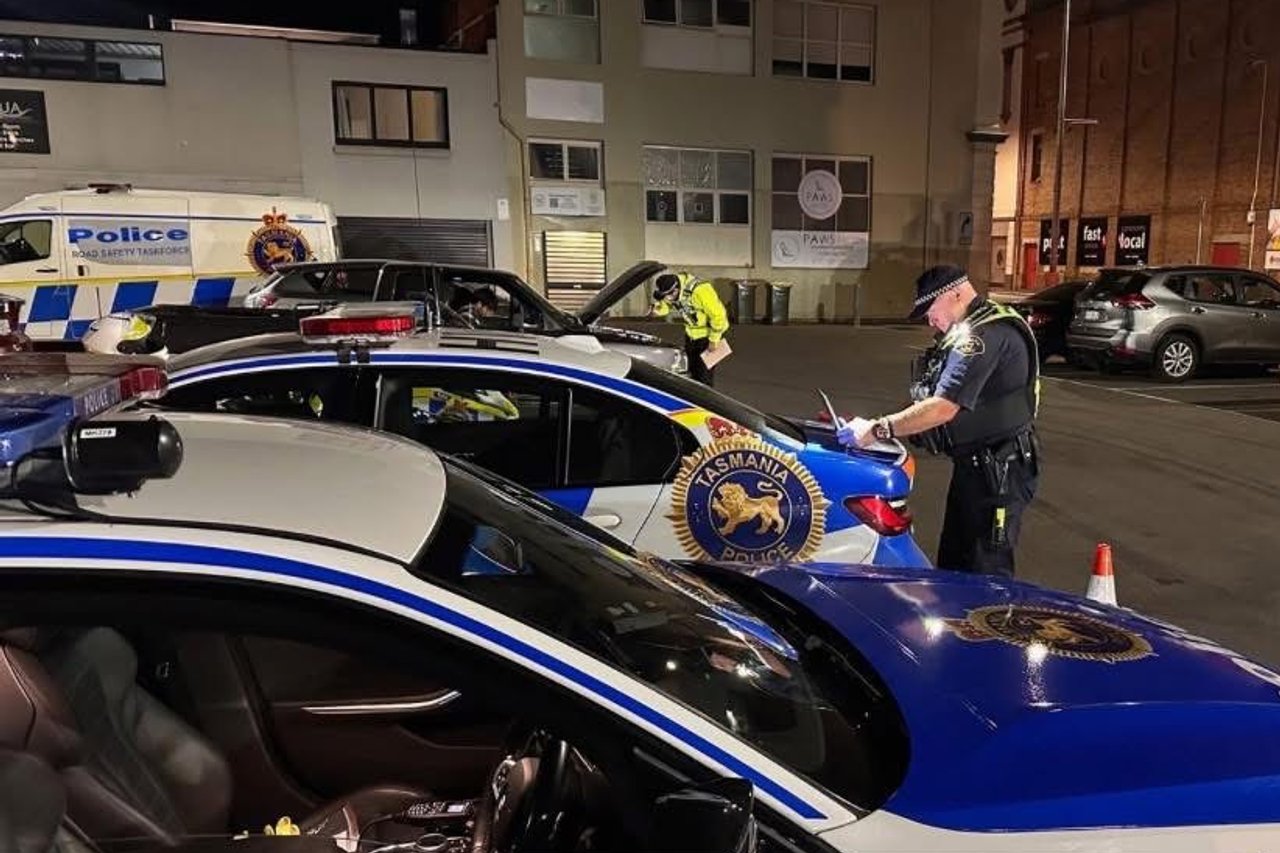
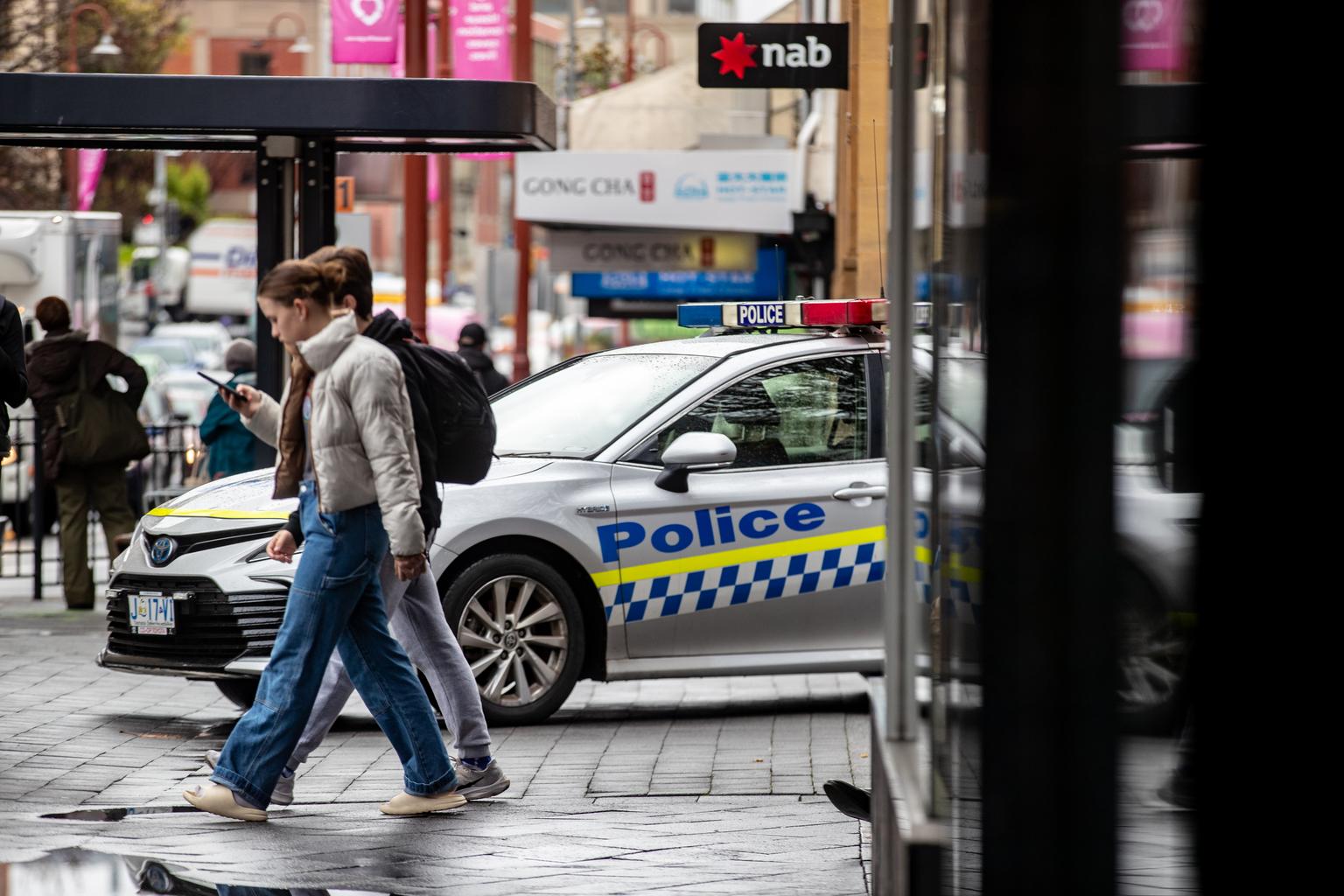
The Safer Hobart Alliance has unanimously backed the proposal and Tasmania Police have expressed support.
Councillors will vote on the plan at tonight’s meeting.