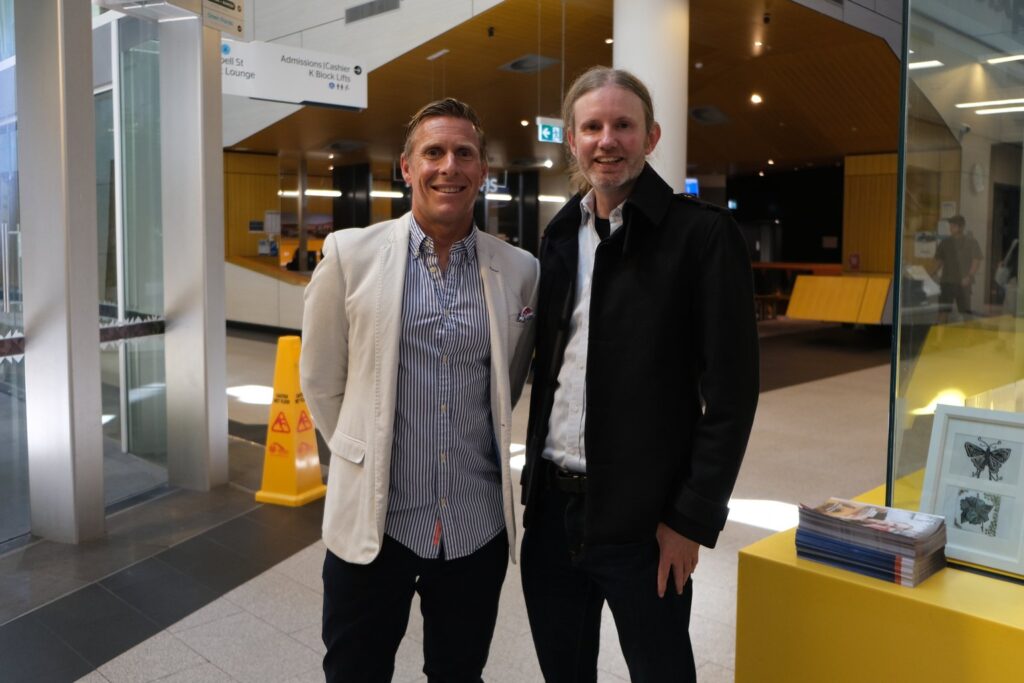
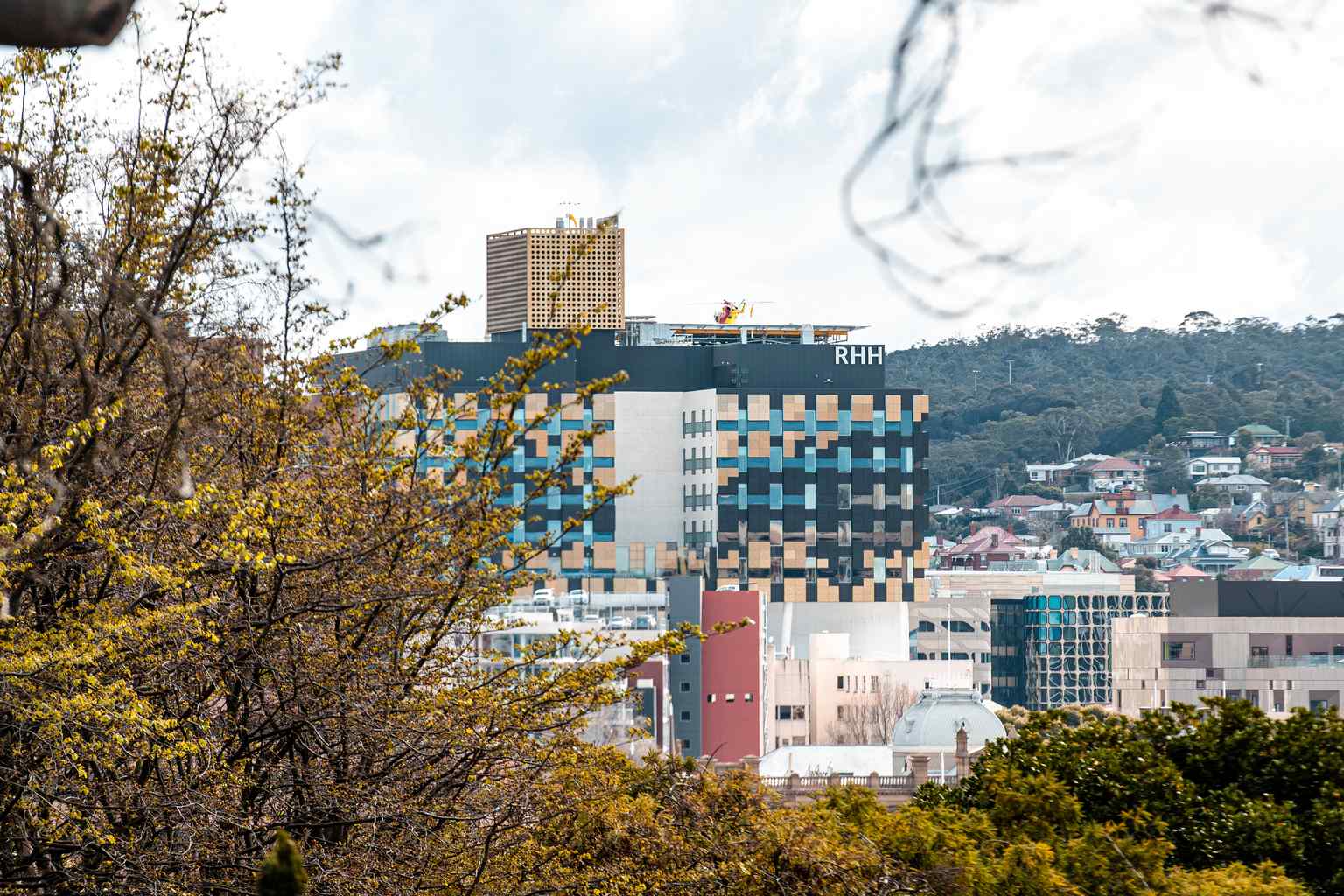
The Royal Hobart Hospital Research Foundation is pumping more than $310,000 into four new medical research projects this year, targeting brain cancer, multiple sclerosis, Parkinson’s disease and respiratory illness.
Combined with ongoing studies, the foundation’s total investment in Tasmanian medical research will reach $762,254 for the year.
Foundation CEO Stephanie Furler said the funding backed innovative, locally-led research delivering real outcomes for Tasmanians.
“We are proud to support projects that are innovative, evidence-based and grounded in improving patient outcomes,” she said.
“These projects are led by clinicians and researchers working within our own health system.”
One project will investigate genetic drivers of glioblastoma, the most aggressive brain cancer.
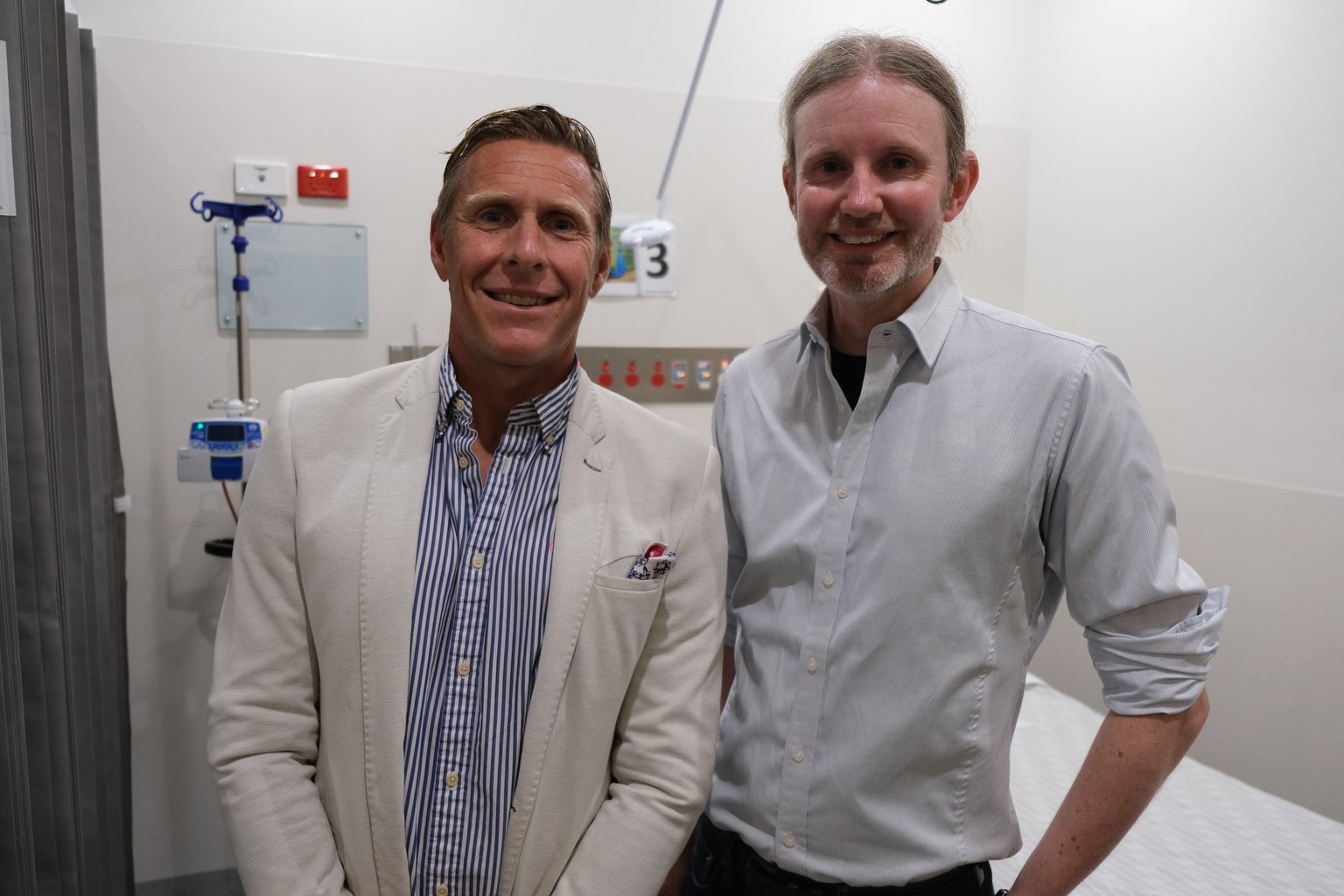
Researchers will study Tasmanian families with multiple brain cancer cases to identify rare inherited mutations using advanced laboratory models.
The project includes funding from a special grant honouring young Tasmanian Luke Cunningham, who died from brain cancer last year.
His family, friends and community raised $25,000 to launch the dedicated grant.
“Luke’s legacy is now helping drive cutting-edge brain cancer research in Tasmania,” Furler said.
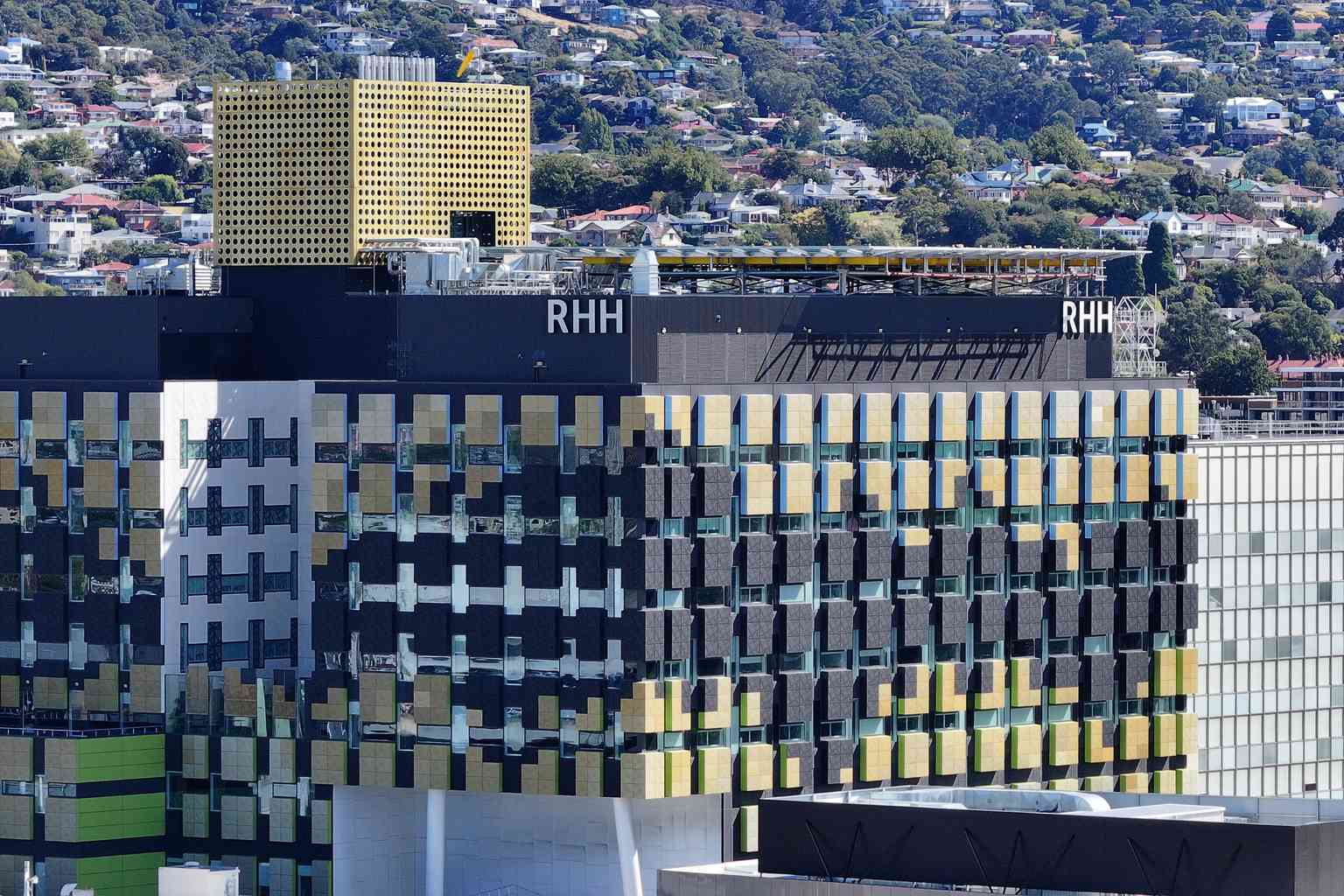
“This project honours his memory and brings hope to families facing one of the most devastating diagnoses.”
Another study will pilot MS screening for high-risk people. Tasmania has the highest per capita rate of MS in Australia.
The research will assess whether MRI screening of first-degree relatives can detect MS before symptoms appear and if early intervention reduces long-term disability.
“If we can move from reacting to MS after symptoms develop to identifying it earlier, we have the opportunity to dramatically change patient outcomes,” Furler said.

The foundation is also backing a post-diagnosis support program for newly diagnosed Parkinson’s patients. The “Next Moves” program will be co-designed with people living with Parkinson’s.
A fourth project will assess new RSV vaccines and antibody treatments in preventing hospitalisation of Tasmanian infants.
“These investments support patients, families and future generations of Tasmanians who will benefit from better diagnosis, treatment and care,” Furler said.