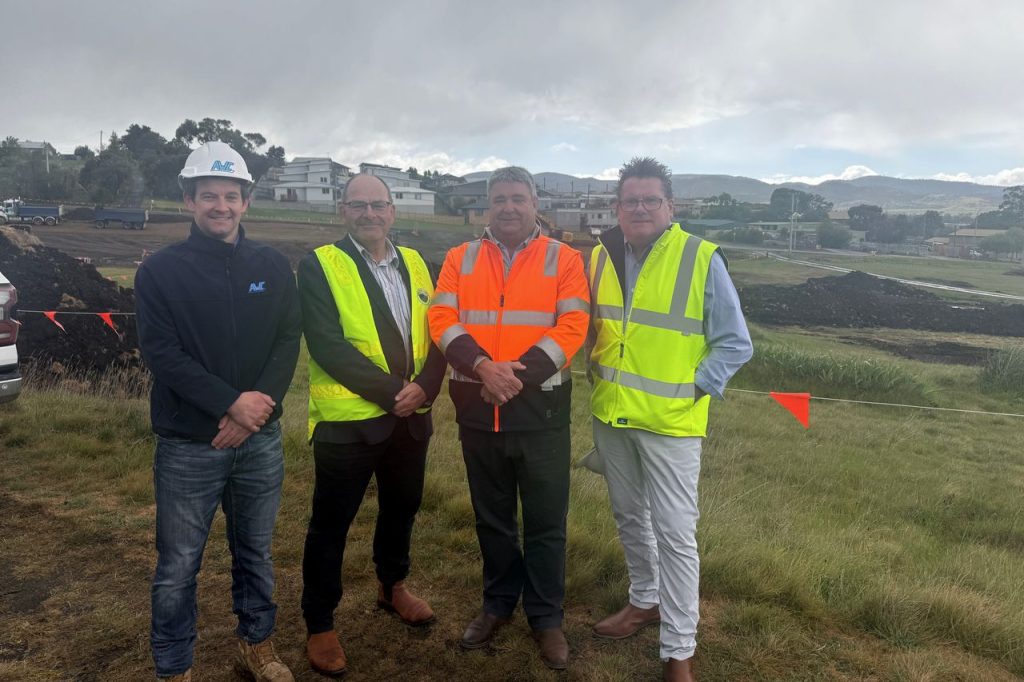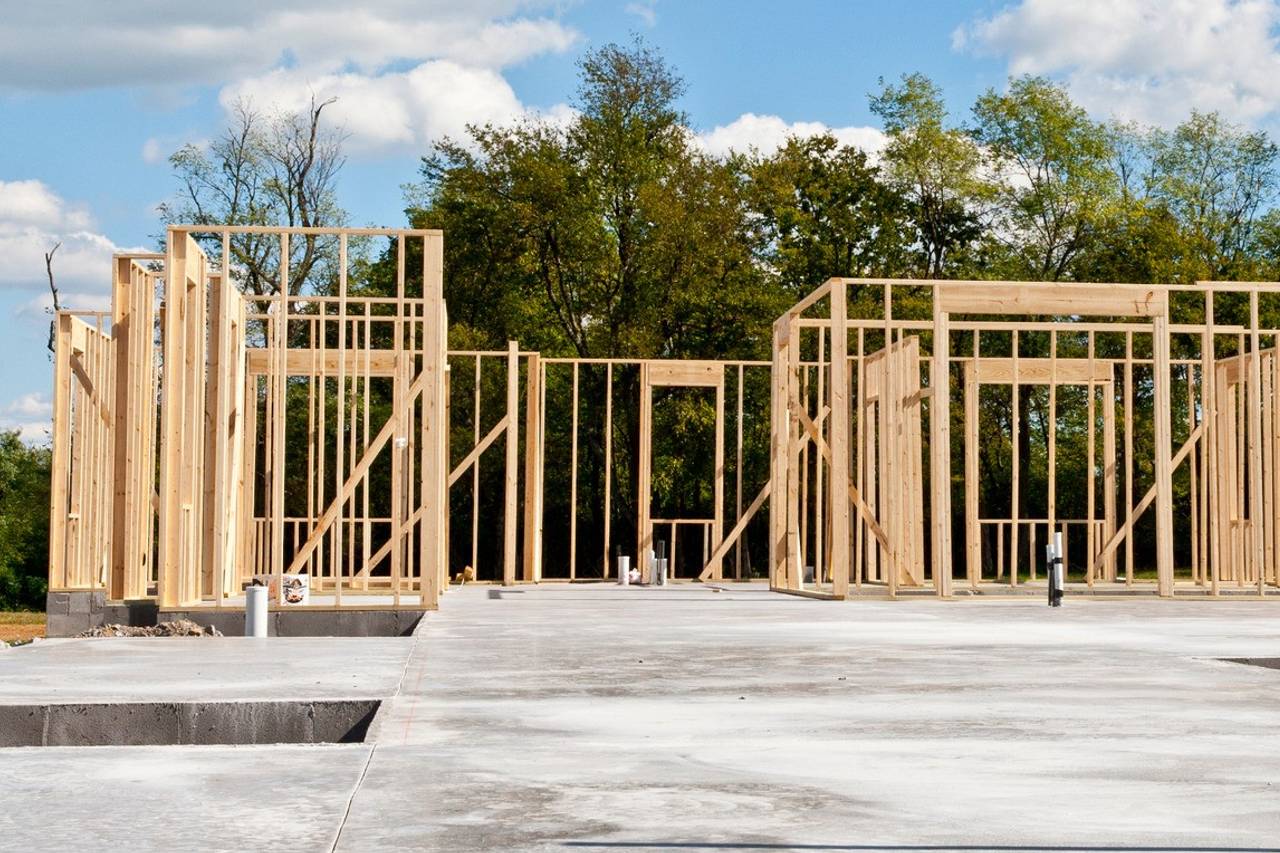
TasWater is under pressure to reverse a decision that will see fixed water and sewerage charges applied to newly subdivided lots before any home is built.
From October 1, the charges will apply from the date a title is created, ending the ‘developer holiday’ arrangement in place since 2012 that gave eligible lots a remission of up to 24 months.
The charge will equate to about $900 per lot, per year.
TasWater says the fee is set by the independent economic regulator and is the same amount already paid by all Tasmanians who own vacant lots on serviced land.
The decision has drawn criticism from the housing industry and the state government, who argue it will add another cost to building new homes.

Property Council Tasmania executive director Rebecca Ellston said developers would effectively be billed before there was even a house on the block to turn a tap on.
“This is not a short-term concession being wound up,” she said.
“It is a longstanding arrangement that has supported development in Tasmania for around 14 years and its removal will simply add another cost to delivering new housing.”
The criticism comes as Tasmania continues to lag on housing construction.
It is the only state where residential building work has gone backwards over the past year, while Hobart has recorded the fastest rise in new-home building costs of any capital city.

ABS figures released this week showed the cost of buying a newly built home in Hobart rose 10.8% in the year to July, almost double the national increase of 5.7%.
Housing Industry Association executive director Benjamin Price said the TasWater charge would add to an already heavy burden on new homes.
“37% of the price of a new home in Hobart is already made up of taxes, charges and red tape,” Price said.
“That’s more than a third of the cost, gone before you’ve laid a single brick.”

He said adding another charge at the worst possible time was “a masterclass in how not to fix a housing crisis”.
Under the National Housing Accord, Tasmania needs to deliver 5,162 new homes each year as part of a national target to build 1.2 million homes over five years from July 2024.
Price said just 11,850 homes were forecast to commence in Tasmania over the entire five-year period.
Premier Jeremy Rockliff also weighed in, describing the fee as a “development tax” that would “hamper” new housing.
“At a time when we need to be building more homes, faster, the government is urging TasWater, which is 90% owned by councils, to reconsider,” he said.
“This fee will make subdividing land more expensive. It will become another tax on newly built homes.”

Rockliff said TasWater should instead focus on finding “efficiencies within its own organisation”.
TasWater’s general manager of customer and community Callan Paske said the two-year holiday was a legacy arrangement that was no longer viable.
He said about $8.5 million in charges had been waived since it began in 2012, putting pressure on other customers.
“We continue to manage ageing infrastructure around the state and need to balance customer affordability with the significant investment needed to maintain essential services and support Tasmania’s growing communities,” Paske said.

“These charges help pay for the pipes, treatment plants and network reliability that new housing depends on.”
He said the change would not be retrospective, with lots created before October 1 to keep the existing remission.
Paske said TasWater would invest $1.2 billion in water and sewerage infrastructure over the next four years.
“Applying the approved charges consistently helps fund that work without shifting more of the cost onto other customers,” he said.