Kingborough Council has released independent reviews into two infrastructure projects that ran months over schedule after governance failures and expert advice were overlooked.
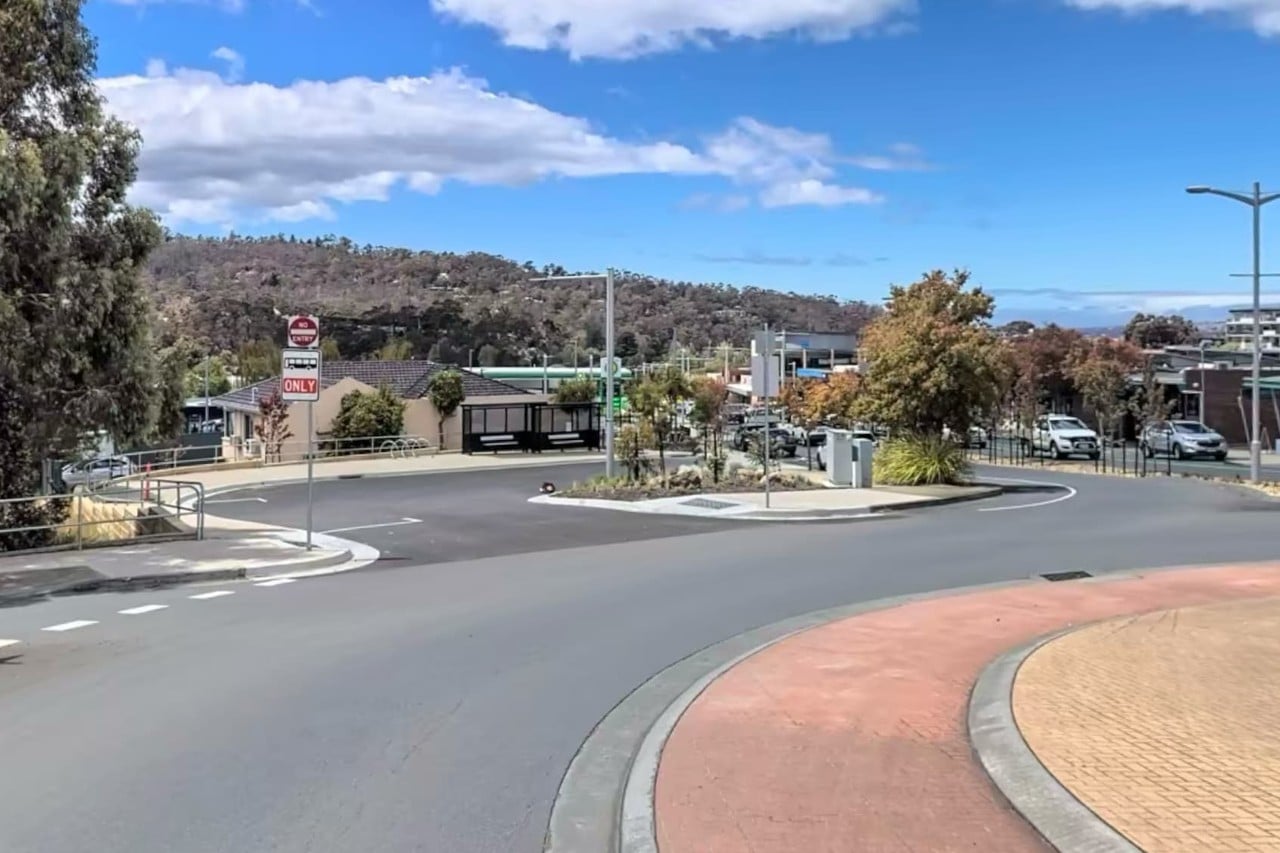
Both the Summerleas Road underpass and the Kingston bus interchange experienced significant delays.
One road closure blew out from eight weeks to 20, while the interchange sat finished but unusable for nearly 18 months.
Mayor Paula Wriedt said the council commissioned the reviews to strengthen how future projects are delivered.
“We know the delays on both projects had an impact on our community and that’s why we undertook independent reviews,” Wriedt said.
“We want to improve how we plan and deliver projects moving forward.”
The reviews, completed by consultant Rare, found systemic issues in the way the council managed both builds.
The bus interchange on the Channel Highway was physically finished in January 2024 but remained non-operational until May 2025.
Testing showed buses couldn’t manoeuvre safely because the design ignored recommendations from a traffic impact assessment about the required turning radius.
The constructed layout made it impossible for buses to operate properly, the review found.
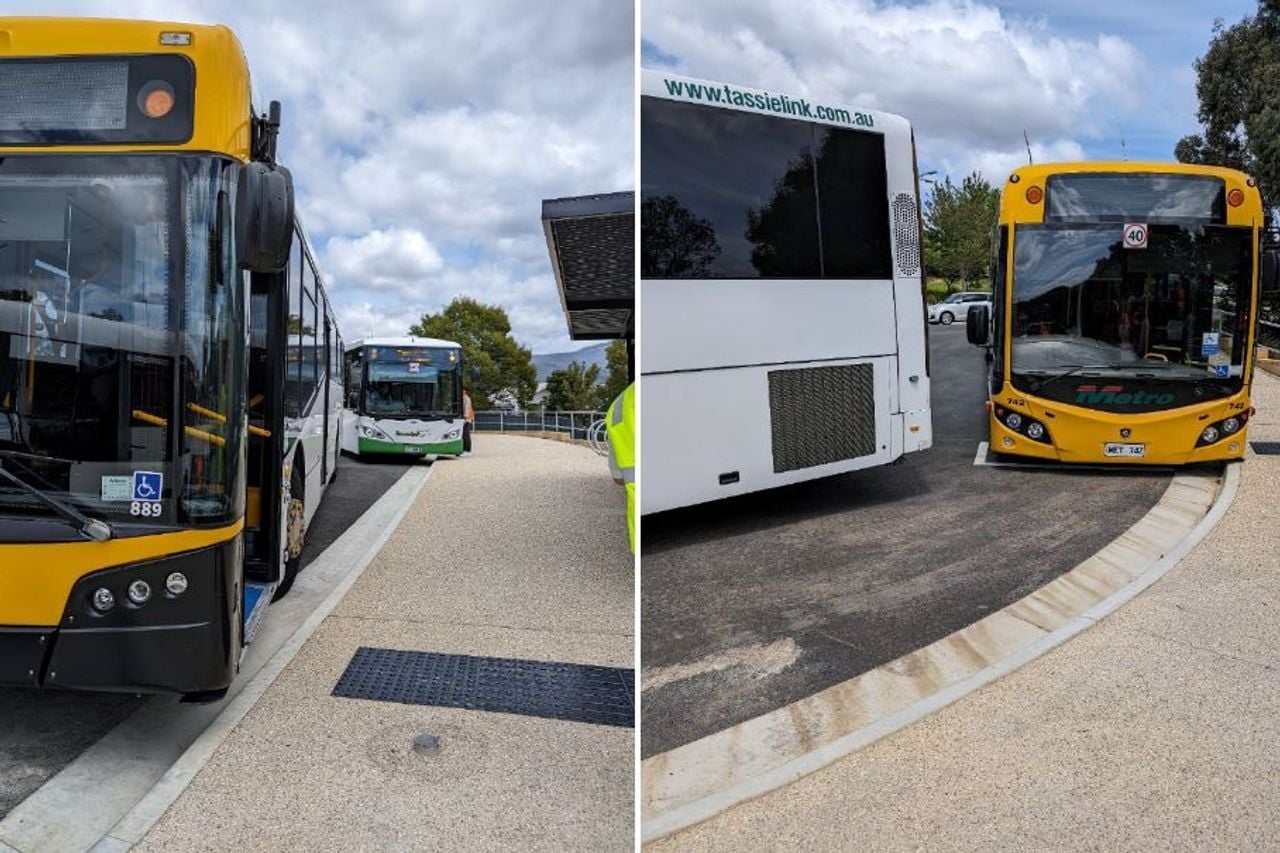
Vehicles either swung over the footpath or couldn’t align their doors with the kerb, breaching accessibility standards.
The project also introduced safety risks for cyclists due to poor sightlines – issues only identified after construction.
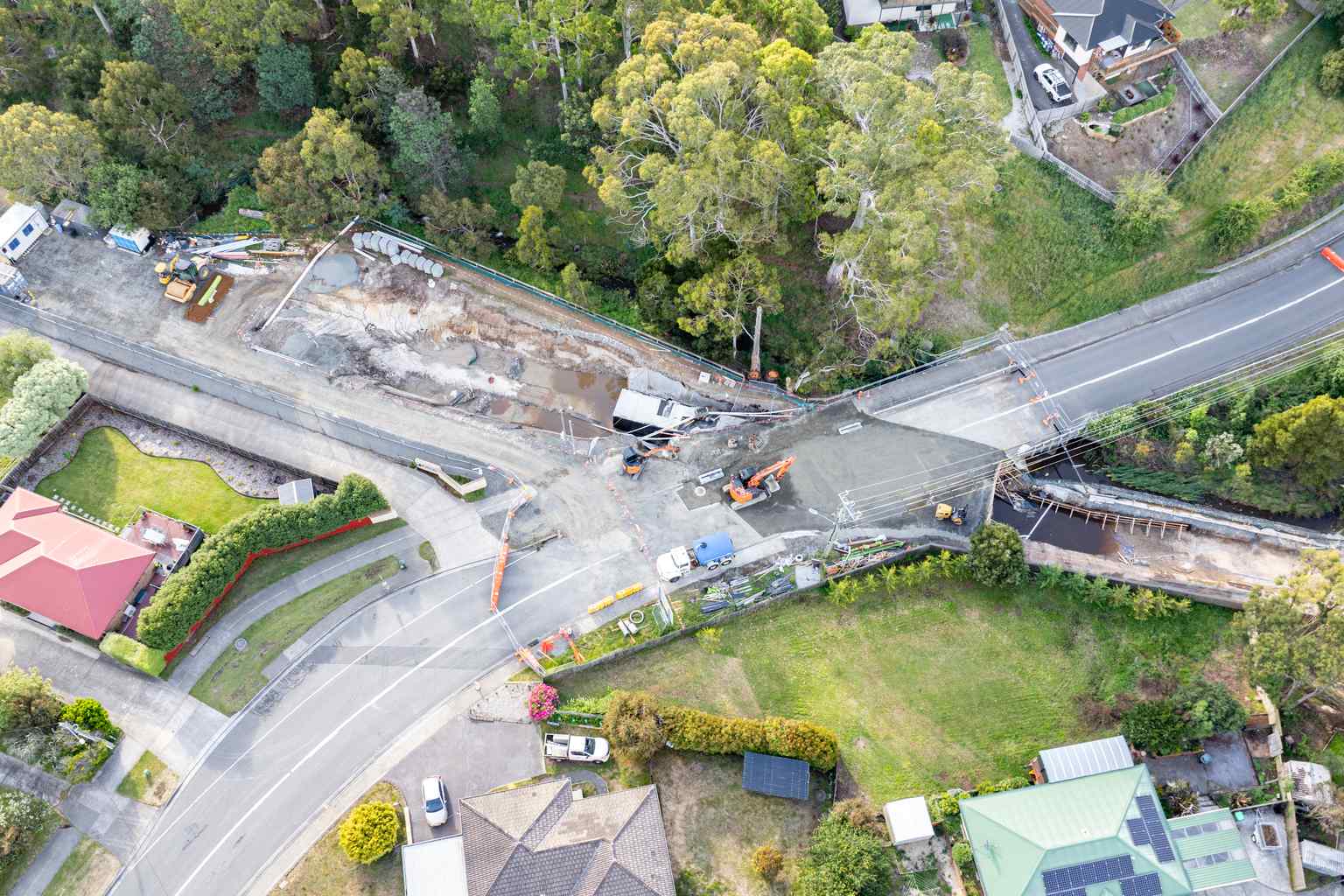
The Summerleas Road underpass faced different but similarly avoidable setbacks.
A TasWater water main issue caused a 10-week delay, while relocating a private power pole took six months due to title transfer complications with TasNetworks.
Environmental surveys for protected species – including the 40-spotted pardalote and platypus- were done reactively rather than planned upfront, creating further delays.
Both reviews found a council framework, developed in 2019, was inconsistently followed.
Project managers were left to handle all documentation and stakeholder engagement alone, creating what reviewers described as ‘a single point of failure’.
Wriedt said the council had already begun acting on the 11 recommendations.
“The reviews have been guiding important improvements with a strong focus on governance, stakeholder engagement and risk management,” she said.
“This work has involved a full redevelopment of the project management and governance frameworks at council.”
She said new processes are now in place to ensure all aspects of projects are properly considered before construction begins.
“We recognise that managing complex, multi-stakeholder projects requires stronger management and we are working with a consultant to embed best-practice principles into our processes,” Wriedt said.