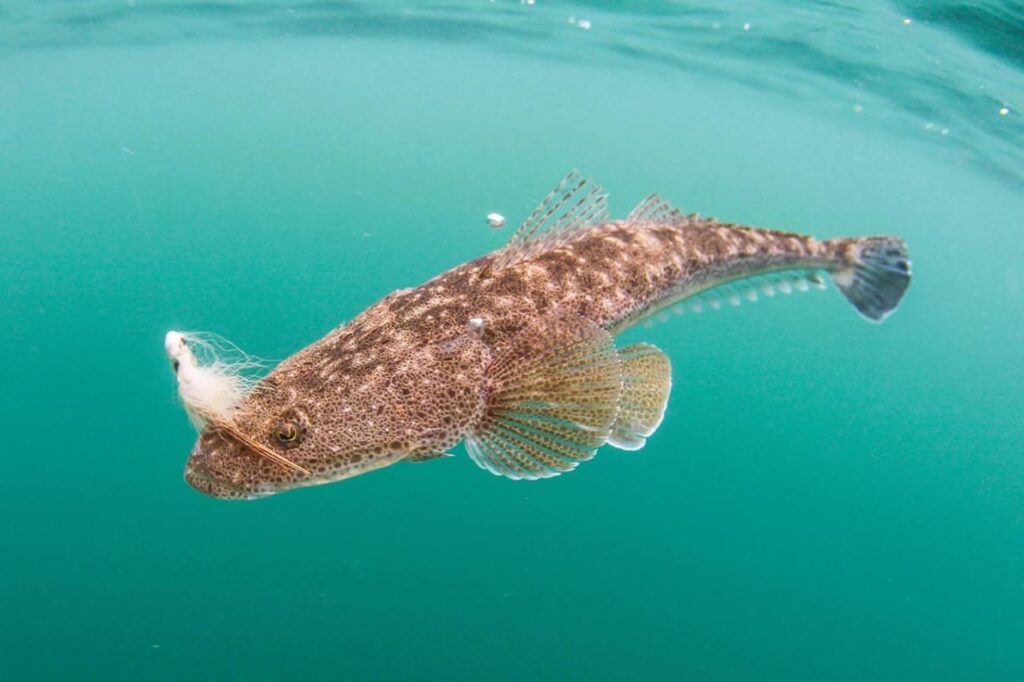
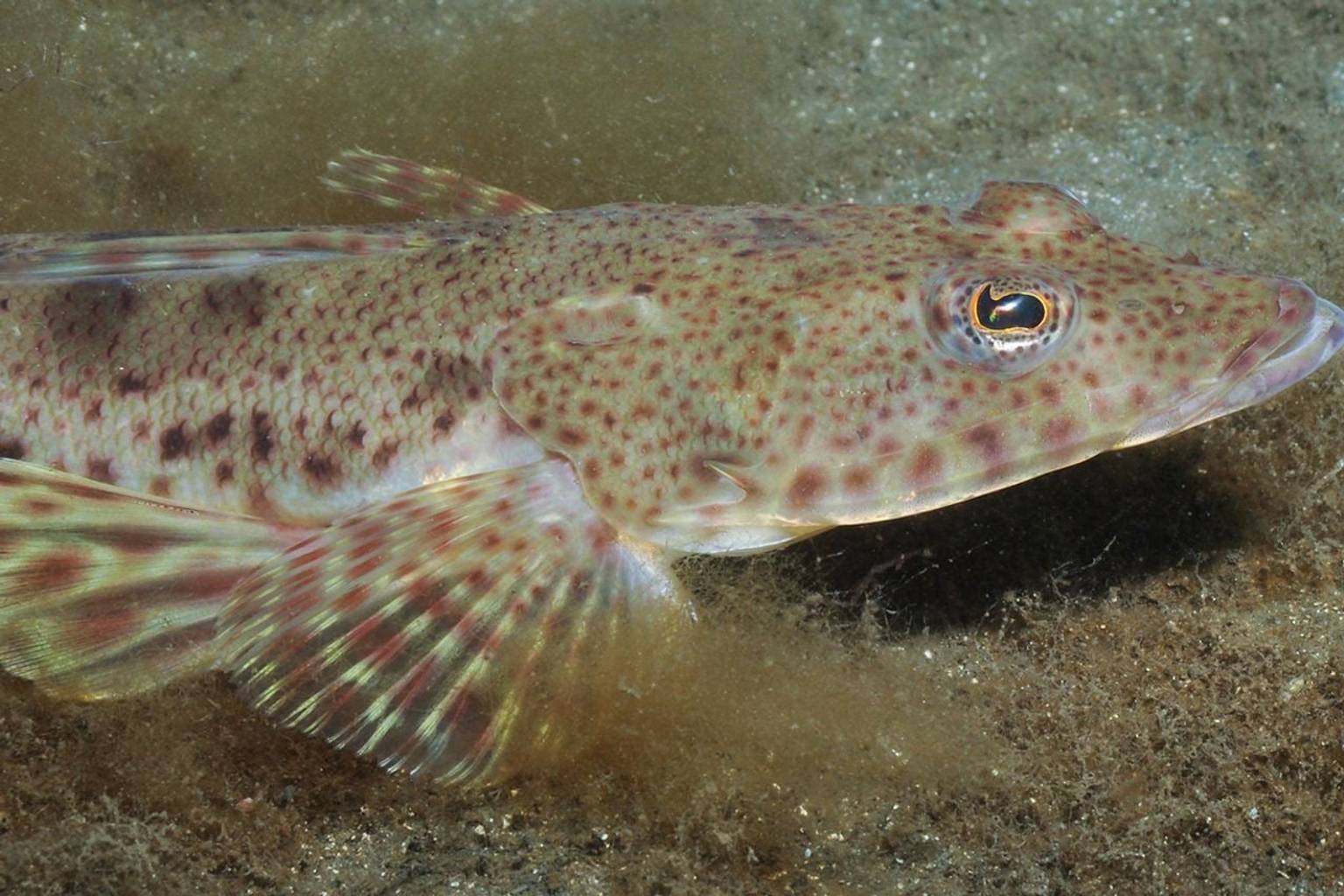
Tasmania’s looming sand flathead ban is already hurting local businesses, with boat sales and tackle purchases dropping ahead of the March 1 closure, the state’s peak recreational fishing body says.
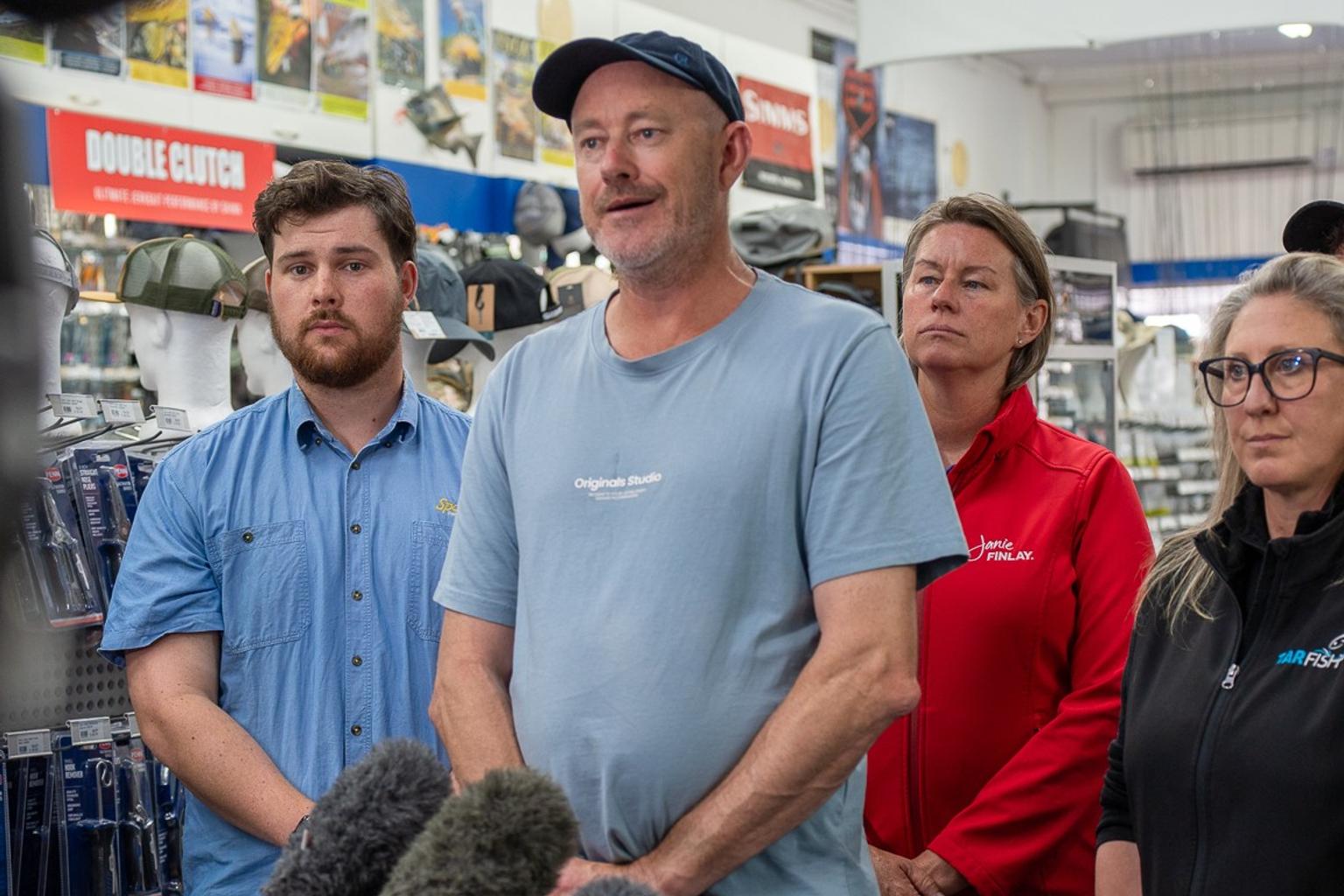
TARFish chief executive Jane Gallichan said businesses were reporting customers cancelling outboard services and cutting back on spending.
“When the fishing stops, spending stops,” she said.
The state government’s decision to indefinitely close the south-east fishery has drawn fierce criticism from fishers and industry groups, who say they were blindsided.
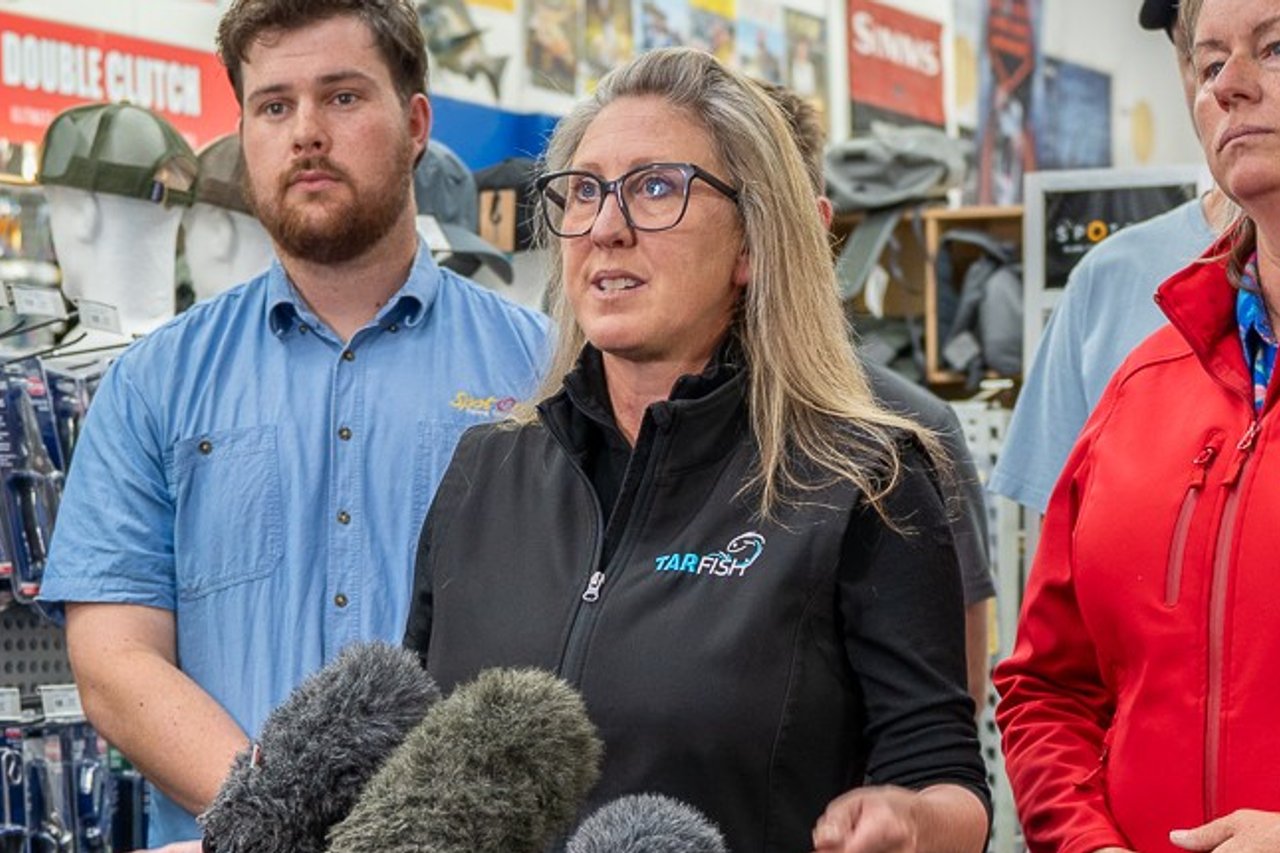
Gallichan questioned whether the government’s use of emergency provisions was justified.
“There is no recruitment overfishing, there is no emergency and there is no need for this fishery to be closed like this,” she said.
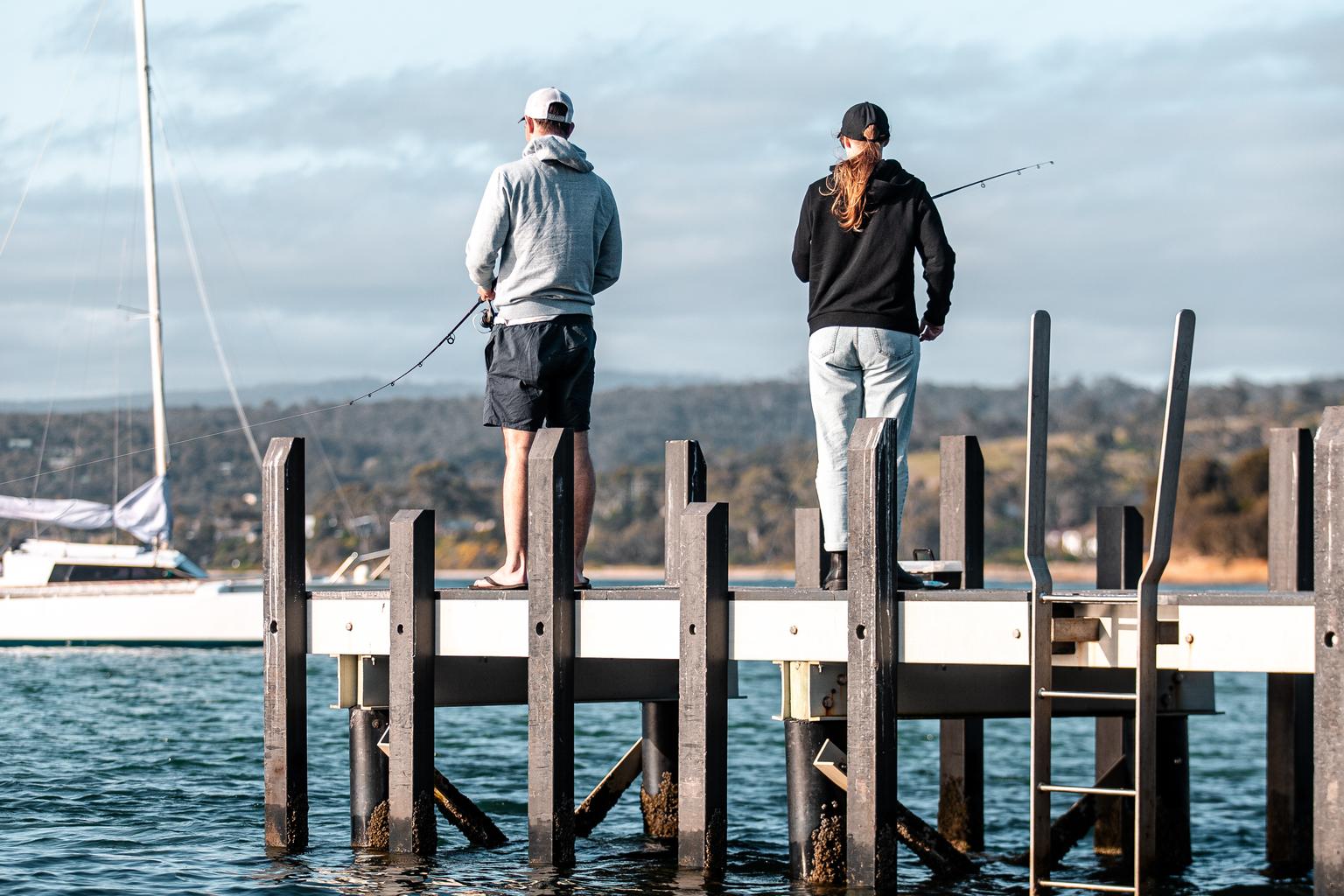
She acknowledged recreational fishing had contributed to declining stocks but argued existing restrictions – including reduced bag limits and a size slot of 35 to 40 centimetres – were already showing signs of recovery.
“Let’s recover it slowly. Let’s let our kids fish for sand flathead,” she said.
Labor is now calling for a parliamentary inquiry, while TARFish is urging that the ban be paused until the inquiry is completed.
Fisheries spokesperson Janie Finlay accused the Liberal government of ignoring more than a decade of warnings about falling stocks.
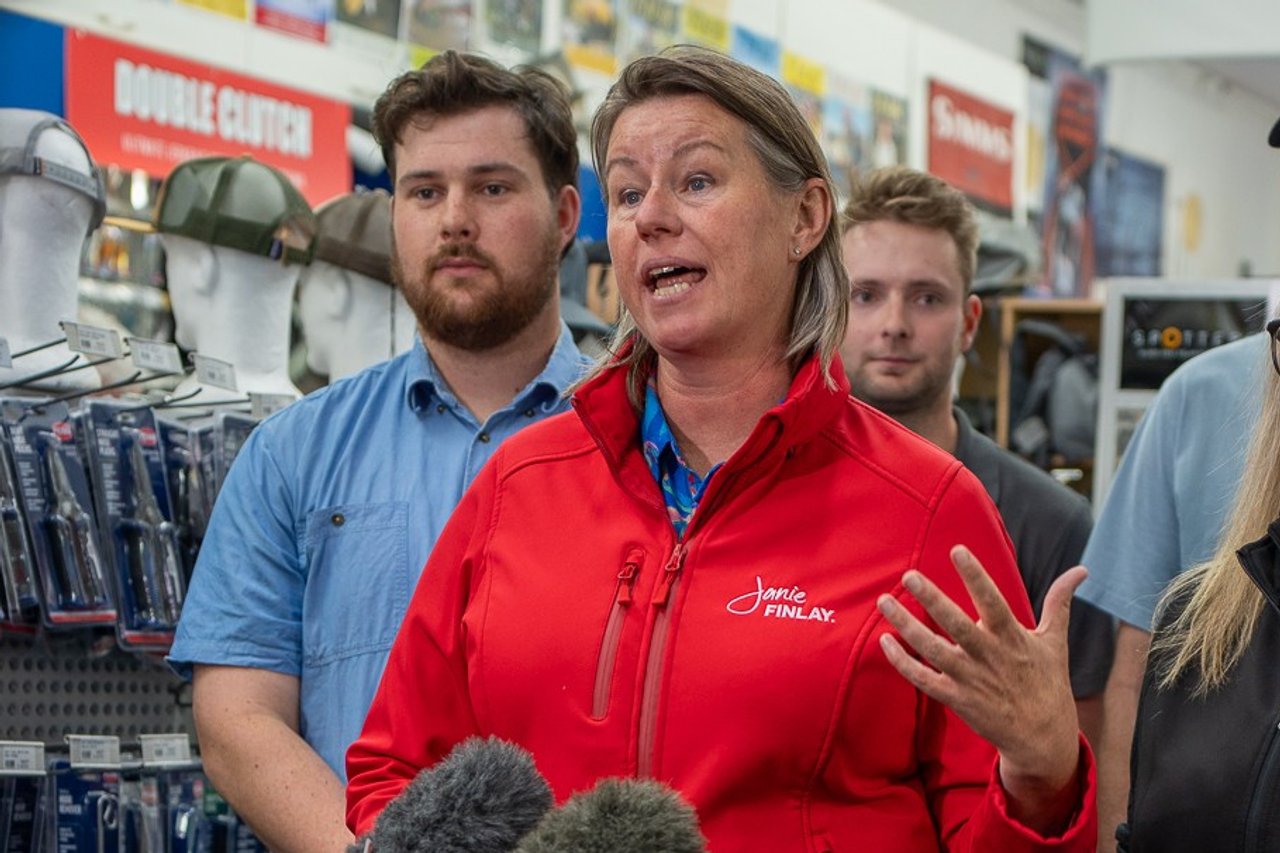
She said fisheries scientists had advised then-minister Jeremy Rockliff in 2015 that the fishery was under serious pressure.
“What we don’t ever want to see is people blindsided by decisions and not being able to understand the decision,” she said.
Finlay described the full ban as an ‘extreme outcome’ brought on by years of government inaction, with recreational fishers now bearing the consequences.
“We, like the community, want to make sure that sand flathead is here for future generations and that people support the recovery of this fishery,” she said.
“But we want to know that it’s done on good advice, good science and good data and, ultimately, that it can stand up to scrutiny.”
Recreational fisher Leo Miller said the decision felt rushed and poorly timed.
“They should have managed the fishery better earlier but also they’re not giving the recent adjustments time to take effect,” he said.
Miller said sand flathead held a special place in Tasmanian fishing culture, often being the first species children catch off jetties and beaches.
For those without large boats, switching to other species was not straightforward, he said.
“If you don’t have a large boat or you don’t have a boat at all, the number of other key species to fish for diminishes,” he said.
Labor’s proposed inquiry would examine the scientific evidence, government advice and the decision-making process behind the closure.
Announcing the closure, Primary Industries and Water Minister Gavin Pearce said research from the Institute for Marine and Antarctic Studies (IMAS) showed sand flathead stocks had fallen below critical levels.
“While this will be tough for some, I believe our recreational fishers will understand why this decision has been made,” he said.