Launceston City Council has abandoned its controversial four-day work week proposal following weeks of heated public debate and criticism directed at staff.
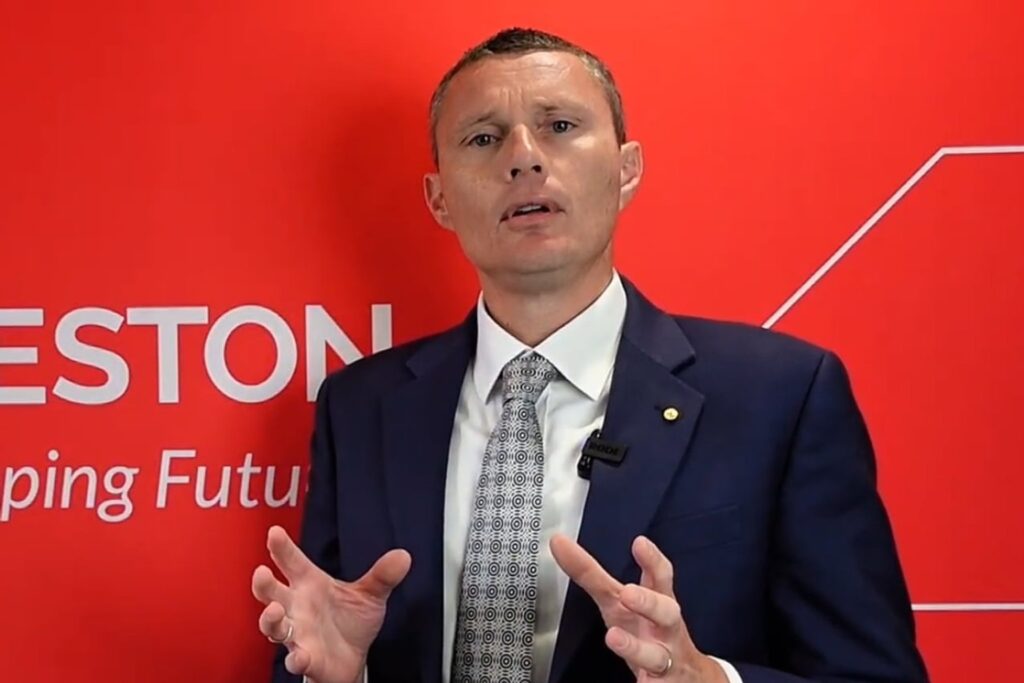
CEO Sam Johnson announced the backdown in an internal email to staff this morning, saying the council would step back from the 30.4-hour 100-80-100 model “in the interests of protecting our staff and maintaining community trust”.
“Our staff are not abstract figures in a debate. You are members of this community,” Johnson told employees.
“You serve this city every day and you deserve respect.”

The proposal would have seen council’s 600 workers retain full pay while reducing their hours from 38 to 30.4 hours across four days.
Johnson said the public commentary had “attracted strong public commentary – and in some cases, unacceptable vitriol directed at our people”.
“Progressing the 100-80-100 model right now would further inflame public division and place our workforce in the centre of a debate that has increasingly lost perspective,” he said.
Instead, council will offer a revised enterprise agreement including optional four-day weeks across 38 compressed hours, a five per cent pay increase in 2026, and four per cent or CPI increases in 2027.
The revised deal will go to a staff vote in coming weeks.
Johnson said the council hadn’t given up on the original four-day week proposal, announcing plans for a working group with business leaders to build evidence and community support over the next two years.

“When we return to the bargaining table in approximately 18 months, I want us to do so with more than belief,” he said.
“We will arrive prepared. We will arrive aligned. And we will arrive confident.”
The Tasmanian Chamber of Commerce and Industry had expressed “serious concern” at the original proposal, calling it a “20 per cent pay rise for council staff with no clear return for the community”.
The council had initially aimed to become Australia’s first local government to offer a four-day week with no pay reduction.

The Housing Industry Association has welcomed the backflip, with HIA Executive Director Tasmania Benjamin Price saying it is a “positive outcome for industry and reflects the significance of council capacity to the Northern Tasmanian economy.”
“A 20 per cent reduction in staffing hours would have translated directly into a reduction in capacity, with real consequences for builders, contractors, suppliers and homebuyers,” he said.
“This decision highlights the importance of listening to the business community when changes of this scale are being considered.”