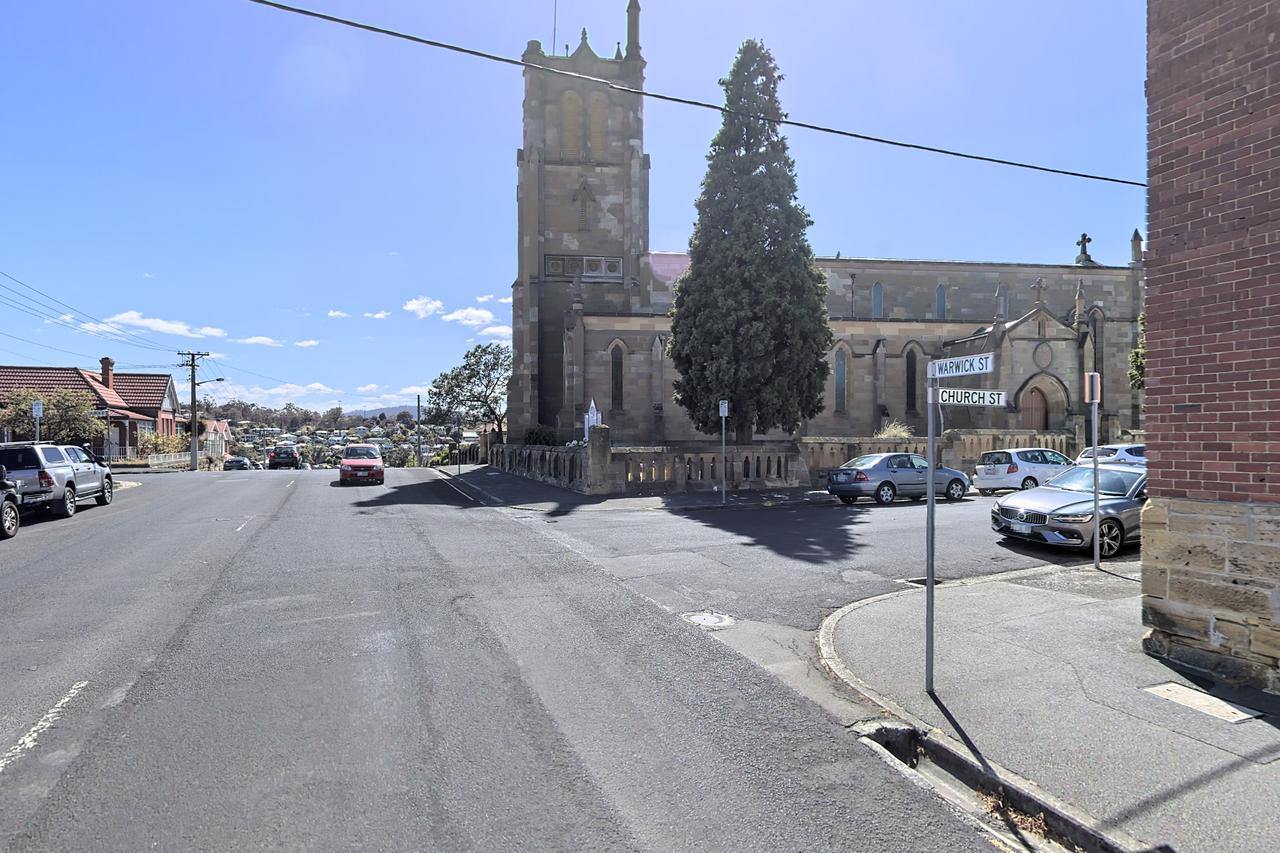
Tasmania’s $1.13 billion Macquarie Point stadium has secured enough votes to pass parliament, after independent MLC Casey Hiscutt confirmed his support.
Eight members of the Legislative Council have now declared they will vote for the project, giving it the numbers needed to pass when the vote is held later today.
Liberal MLCs Nick Duigan, Jo Palmer and Kerry Vincent are voting yes, along with Labor’s Luke Edmunds and Sarah Lovell.
Independents Tania Rattray, Bec Thomas and Casey Hiscutt complete the numbers needed to get the stadium across the line.
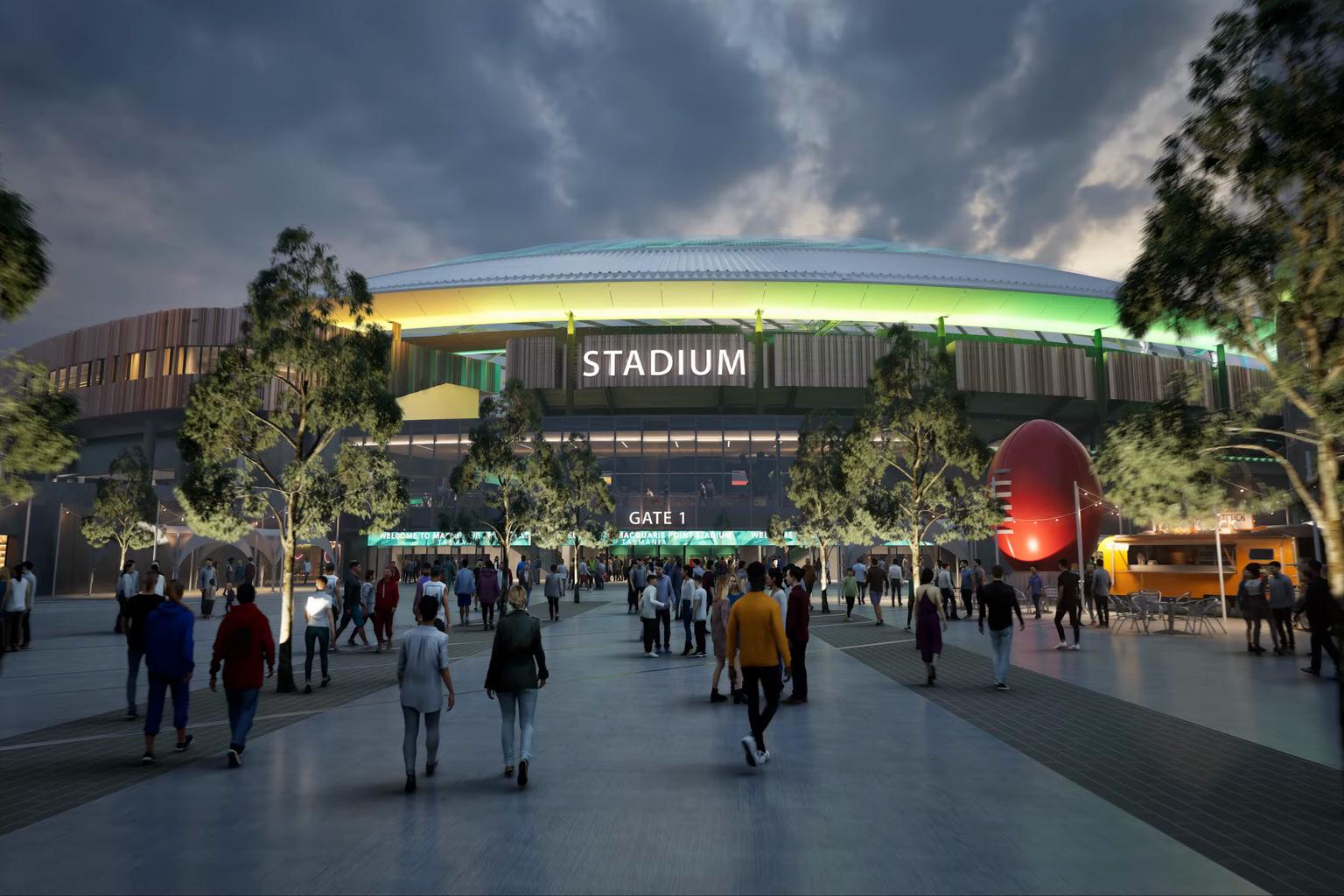
Voting against are independents Ruth Forrest, Meg Webb, Mike Gaffney and Rosemary Armitage, joined by Greens MLC Cassy O’Connor.
Independent Dean Harriss is yet to declare his position.

Hiscutt, the member for Montgomery, addressed the upper house shortly before 1pm on Wednesday and again after the lunch break at 2:30pm.
“The truth of the matter is we are a parliament making a decision and no analogy will ever capture the nuance required to replicate this decision,” he said.
“It is a complicated and monstrous decision that has implications for all the people of Tasmania.”
Hiscutt said the decision should not be “sugar-coated” and acknowledged the cost would be a “significant financial impost” on the state.
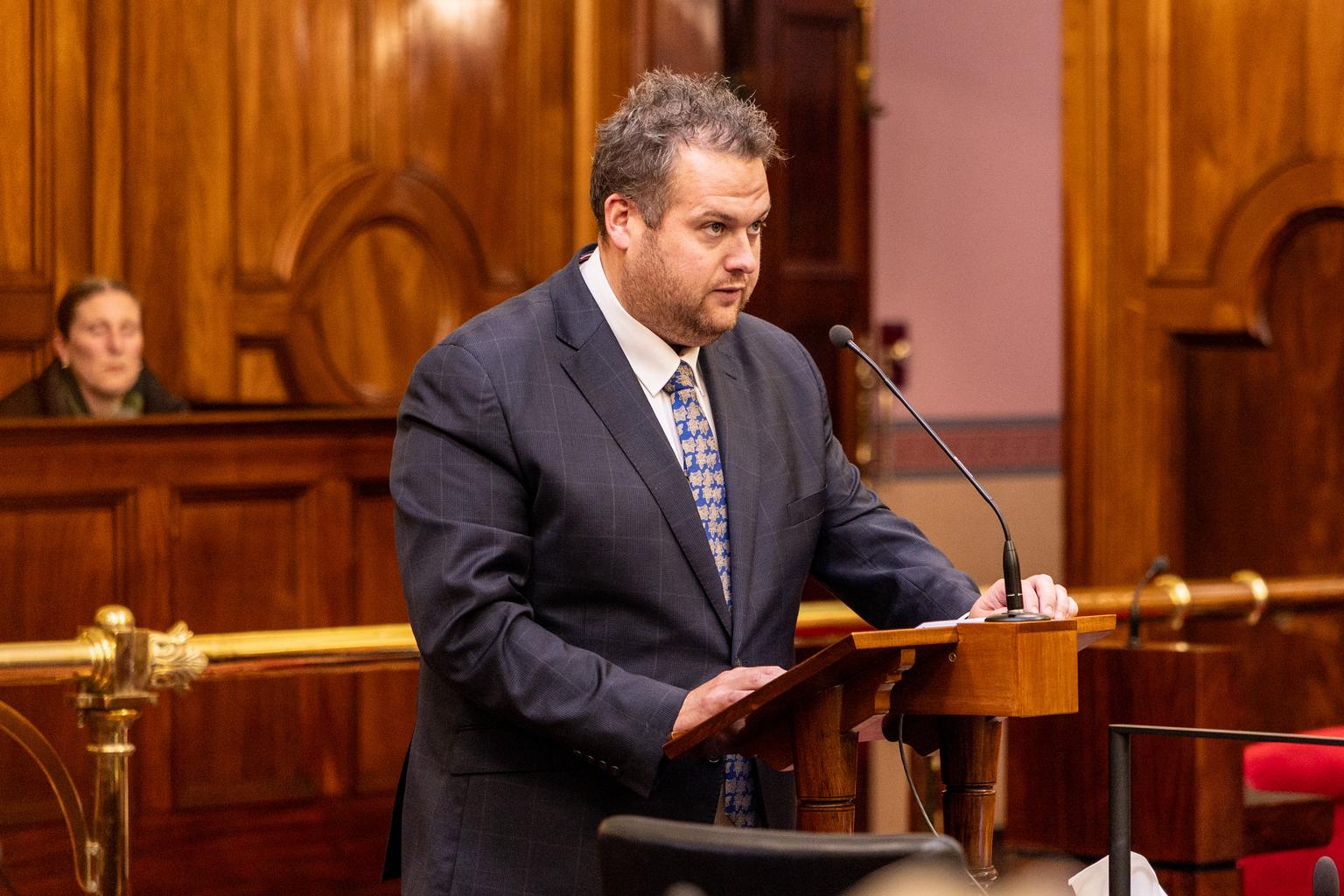
“The current estimate is $1.13 billion and this is likely to grow – it would be naive to think otherwise,” Hiscutt said.
“In health alone, we are looking at spending $14.5 billion over the next four years.”
“That means the amount we are proposing to spend on the stadium would keep our lights on in our hospital for three months.”
“When you start looking at those numbers, the stadium starts to look like small fries in comparison.”
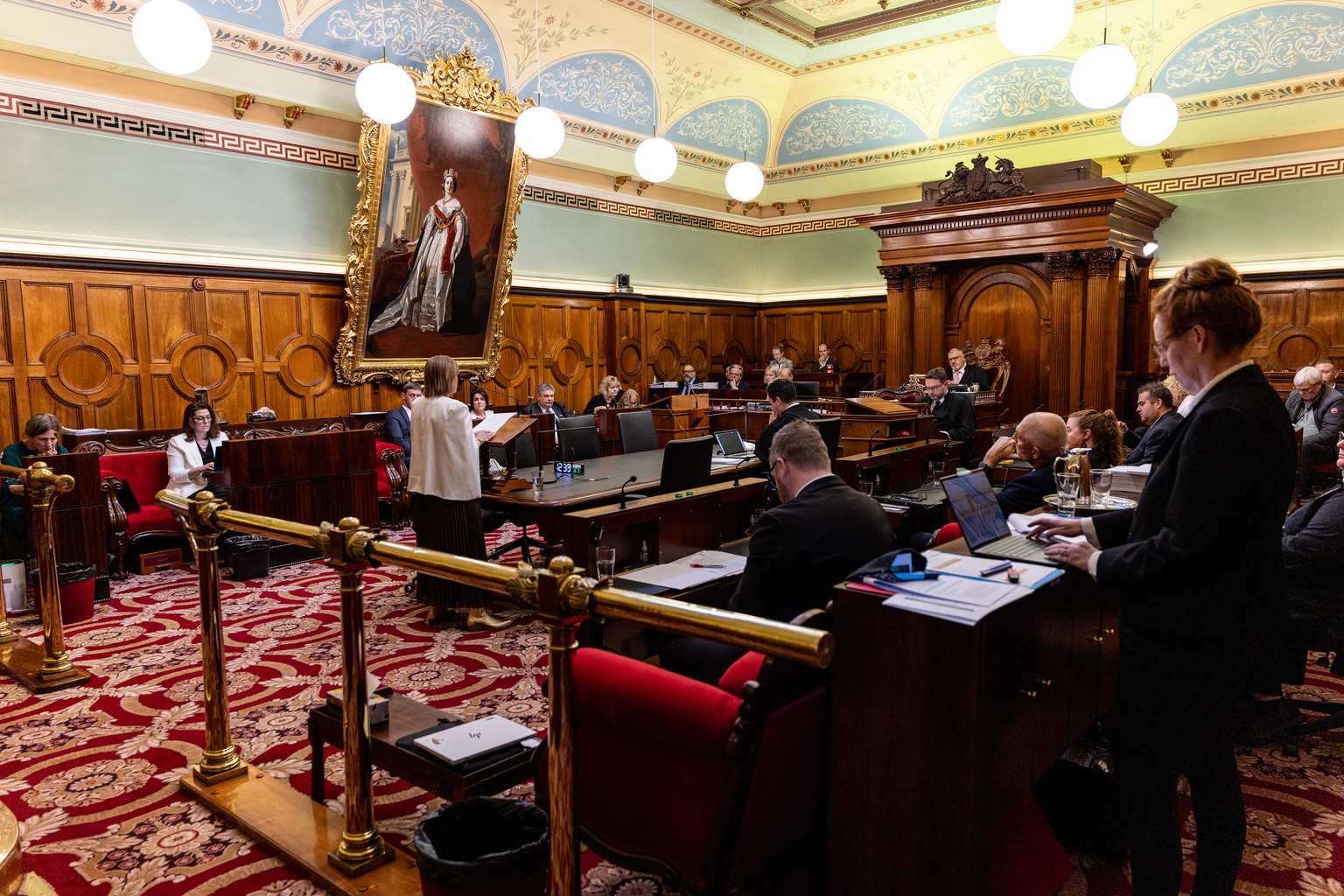
Forrest had earlier spoken against the project, arguing – as the Tasmanian Planning Commission did – that the costs outweighed the benefits.
“I cannot support a project that fails basic planning tests, violates the government’s own investment criteria and will drain economic activity through debt servicing while generating uncertain returns,” she said.
“[It] creates a space that is uninviting when major events aren’t on, impacts the most sacred site of remembrance and dishonours our Aboriginal people.”
“This is not opposition to progress … this is insistence on sound process, fiscal responsibility and respect to the principles we should apply to all major infrastructure projects and decisions.”