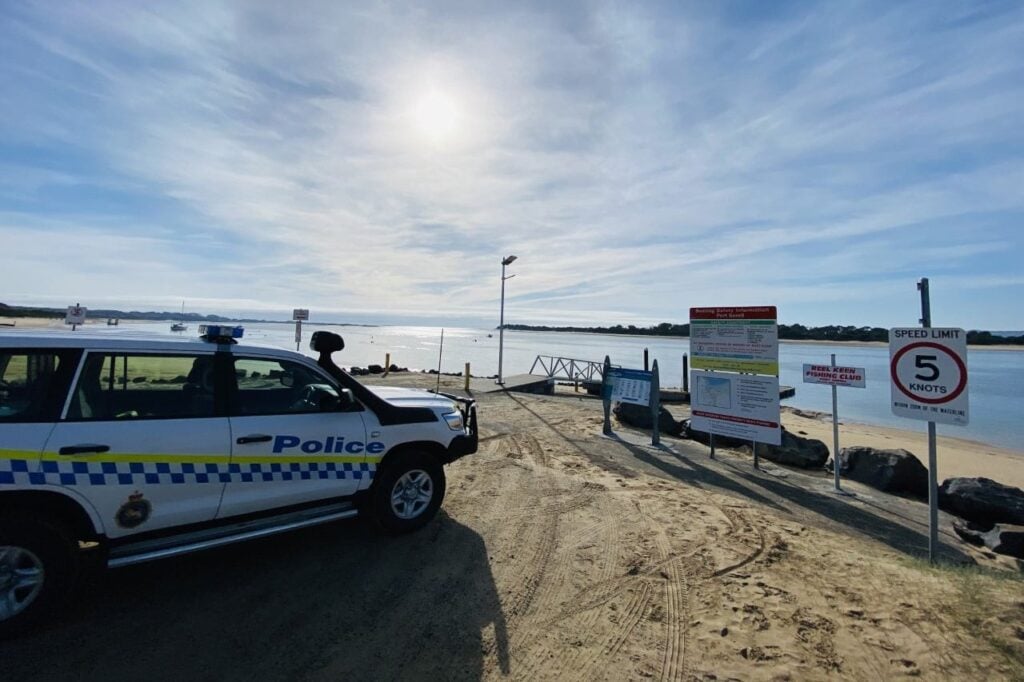
Tasmania Police are ramping up marine patrols ahead of what is traditionally the most dangerous time of year on the state’s waterways.
Inspector Nikala Parsons said officers would carry out compliance checks at popular boating locations as the Christmas and New Year period approaches.
“Boating is part of our Tasmanian lifestyle, but it must be done with care,” she said.
“Tassie waterways often see a surge in incidents during the Christmas/New Year period and we know national data shows a spike in drownings and watercraft accidents over the festive season.”
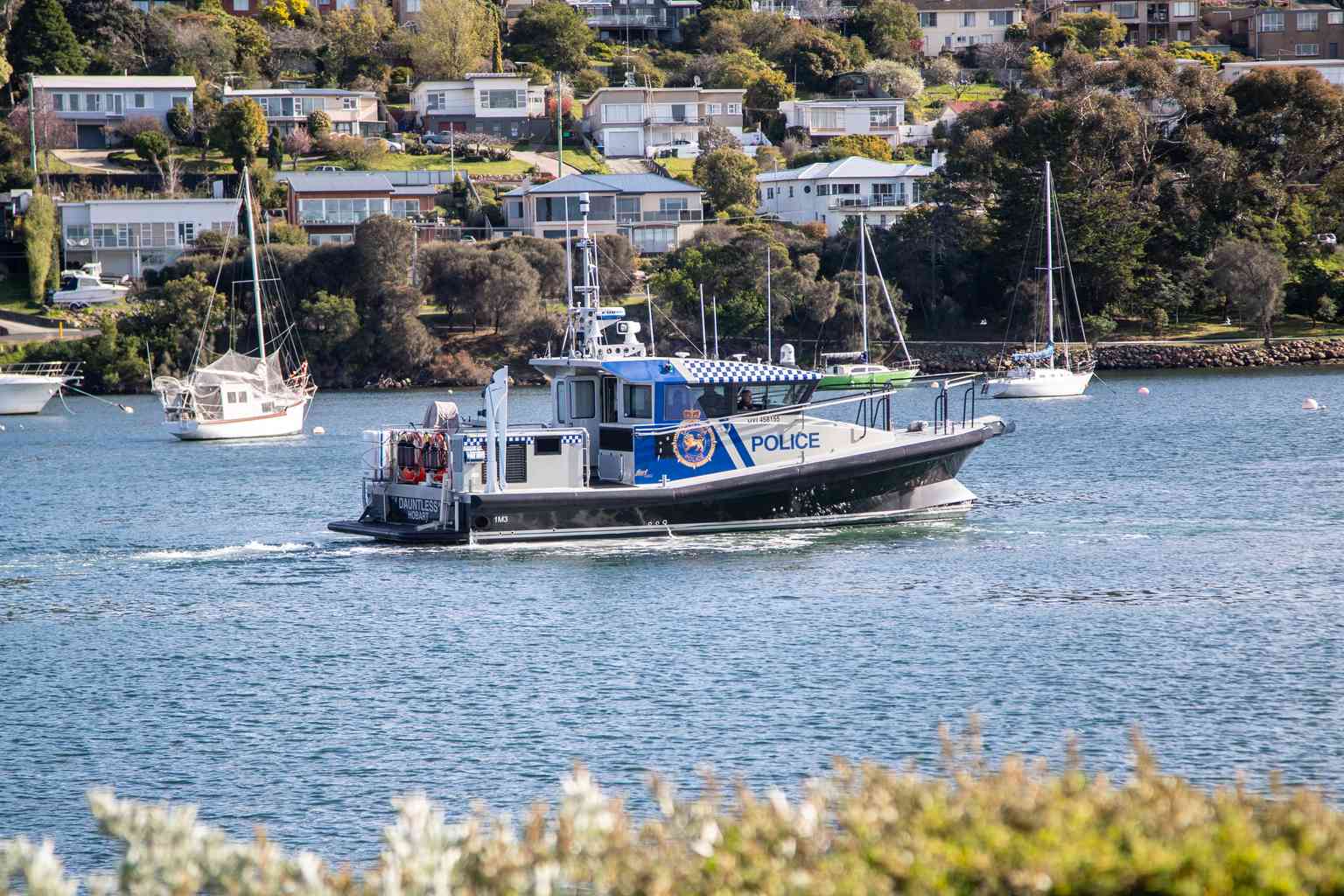
The warning comes as figures show rivers remain the deadliest waterways for Tasmanians, accounting for 38% of all drowning deaths in 2024–25.
Beaches were responsible for a further 25% of fatalities.
Eight people drowned in Tasmania between July 2024 and June 2025, according to the 2025 National Drowning Report.
While the state recorded an 11% decrease compared with its 10-year average, older Tasmanians remain most at risk.
More than half of all drowning victims were aged 55 and over.
Inspector Parsons said failing to wear a compliant lifejacket remained one of the leading causes of on-water fatalities nationally.
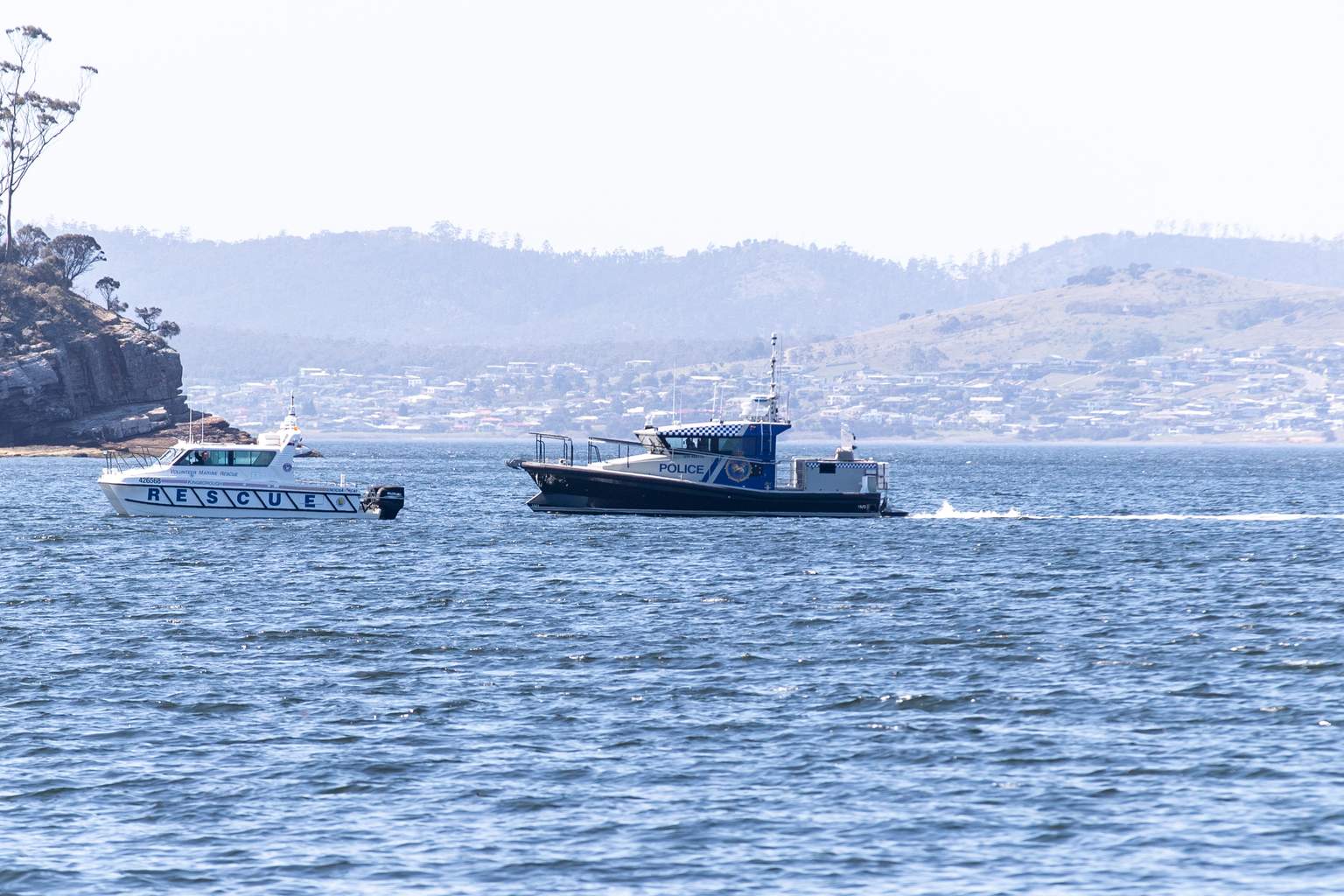
“Take the time now to check your boat and your gear, wear a proper lifejacket, make sure your passengers do too and stay alert and sober,” she said.
Tasmania was the first jurisdiction in the world to introduce mandatory lifejacket laws, which came into effect in January 2001.
Police are also reminding boaties to check weather forecasts, carry required safety equipment – including EPIRBs and VHF radios – and stay under the legal blood alcohol limit.