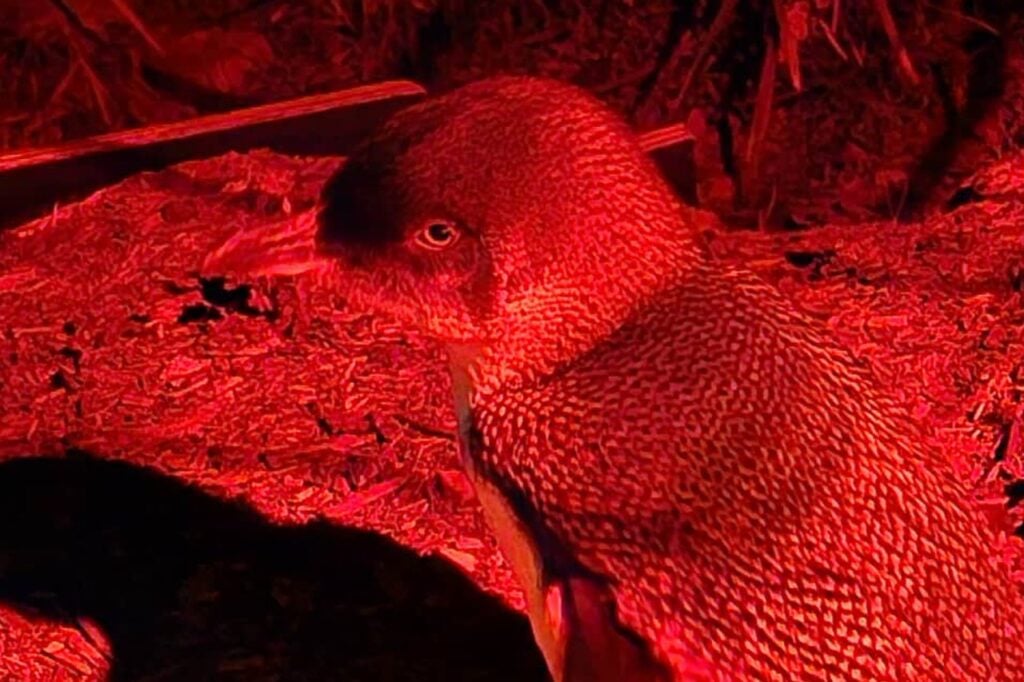
A wildlife rescue group has accused tourists of harassing protected penguins at a popular Tasmanian beach, warning the animals could abandon the site permanently if the behaviour continues.
Penguin Rehab and Release said volunteers witnessed dozens of people crowding around penguin burrows at Tatlows Beach in Stanley last week.
Reports suggest some visitors pulled chicks from burrows for photos, while dogs were off lead and bright lights were shone at the animals.
“What occurred went well beyond ignorance or curiosity, it escalated into mob behaviour that caused serious stress to a protected species,” the group said in a statement shared online.
The group said concerns were first raised by a tourist on Friday morning about behaviour observed the previous night.
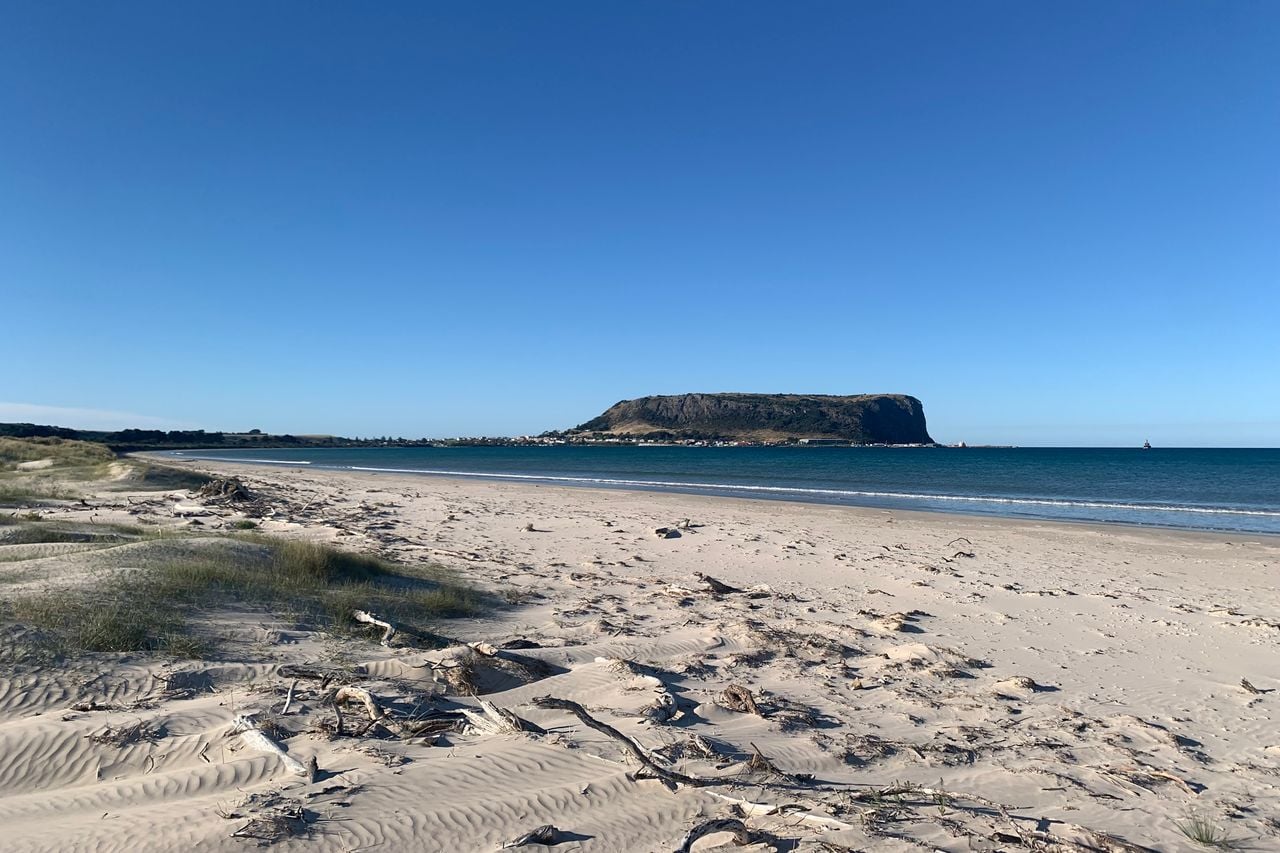
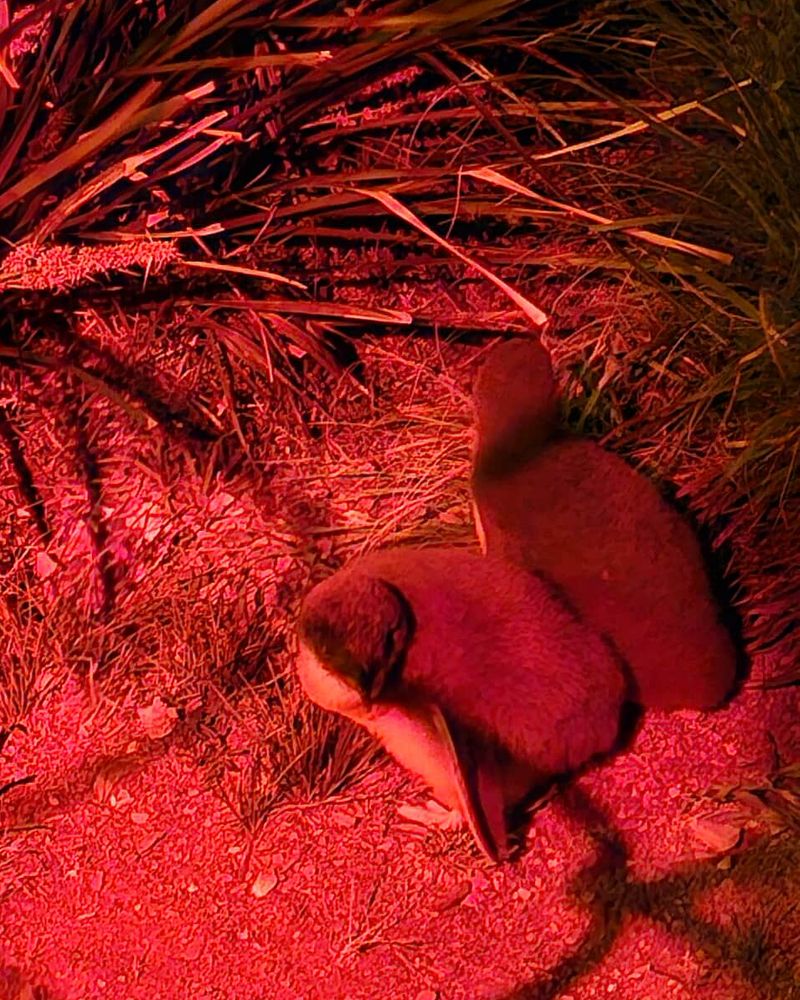
Volunteers attended that evening and arrived before sunset to find a small group already gathered around a rock burrow with “shoes touching the rocks, phones pushed into the entrance, photos being taken inside”.
By 9pm, close to 70 people had gathered with no visible supervision.
“Without visible guidance or supervision, inappropriate behaviour quickly became the norm,” the statement said.
The group said most visitors followed viewing guidelines once the impact of their behaviour was explained, with many “genuinely upset and apologetic”.
“Very few penguins came ashore that night, likely a result of the extreme stress they experienced the night before,” the group said.
“The following day, a very ill adult penguin was found nearby and sadly died shortly after rescue.”
“While multiple factors may be involved, stress cannot be dismissed. Stress can kill.”
Little penguins are protected under Tasmanian law, with harassment and interference illegal.
State guidelines recommend viewing penguins from at least three metres away and avoiding obstruction of access to beaches or burrows.
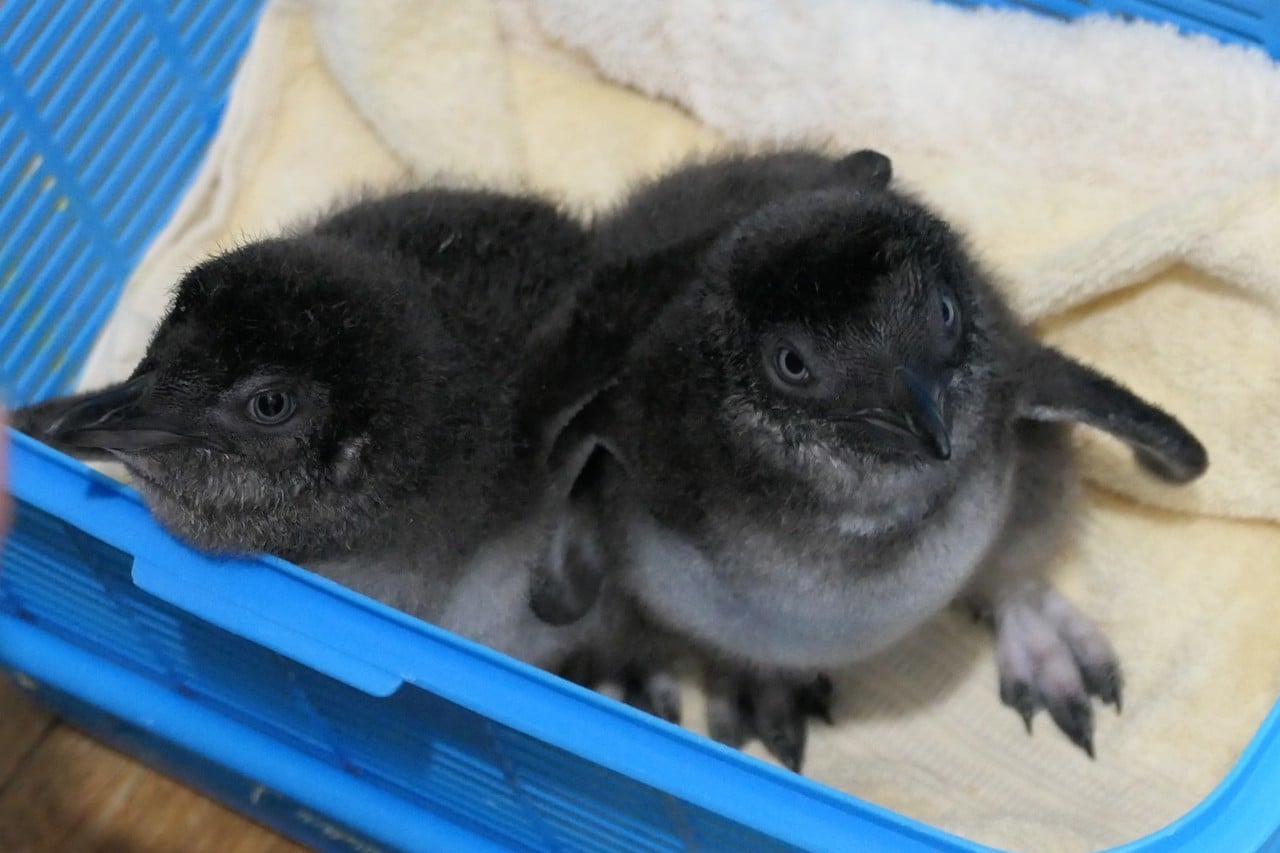
The rescue group is currently caring for nine birds.
Half of the six chicks taken this season have died, with all cases linked to human interference, including chicks being pulled from burrows.
Young chicks cannot regulate their own body temperature and removing them from burrows is often fatal.
The group warned that unmanaged penguin viewing at other sites in Tasmania had caused colonies to relocate or disappear entirely.
They have called on local tourism operators to take greater responsibility for protecting the wildlife that draws visitors to the area.
“Those who benefit directly from penguin tourism have a responsibility to actively protect the animals that make it possible,” the group said.
A local accommodation owner has since volunteered to help conduct community patrols at the beach.