Moody’s has downgraded Tasmania’s credit rating to the lowest of any Australian state or territory, warning the island’s debt burden has spiralled out of control.
The global ratings agency cut Tasmania’s rating from AA2 to AA3, putting it level with the Northern Territory at the bottom of the national ladder.
Tasmania’s net debt has doubled from 66% of operating revenue in 2019 to more than 130% this year.
Without intervention, Moody’s warns it could exceed 180% by 2029.
The agency pointed to “ongoing spending pressures” including election commitments, debt-financed capital projects and health costs for an ageing population.

Independent economist Saul Eslake told ABC Radio the downgrade was “a vote of no confidence” in the government’s financial management.
“Every dollar that the government spends on interest is money that it can’t spend on hospitals, schools, policing, social housing or any of the other services that people expect the state government to provide,” he said.
The downgrade will push up borrowing costs when the state issues new debt or refinances existing bonds.
With Tasmania’s debt approaching $10 billion, interest payments could reach several hundred million dollars annually.
Eslake said bond markets had already factored in Tasmania’s deteriorating finances.
“Rating agencies’ judgements are what we call lagging indicators,” he said.
Labor shadow treasurer Dean Winter said the downgrade was “the most consequential fiscal announcement Tasmania has seen in many years”.
“When the Liberals came to office in 2014, Tasmania had no net debt,” Winter said.
He blamed Premier Jeremy Rockliff for the budget’s collapse, saying the government had delivered “ten consecutive record cash deficits”.
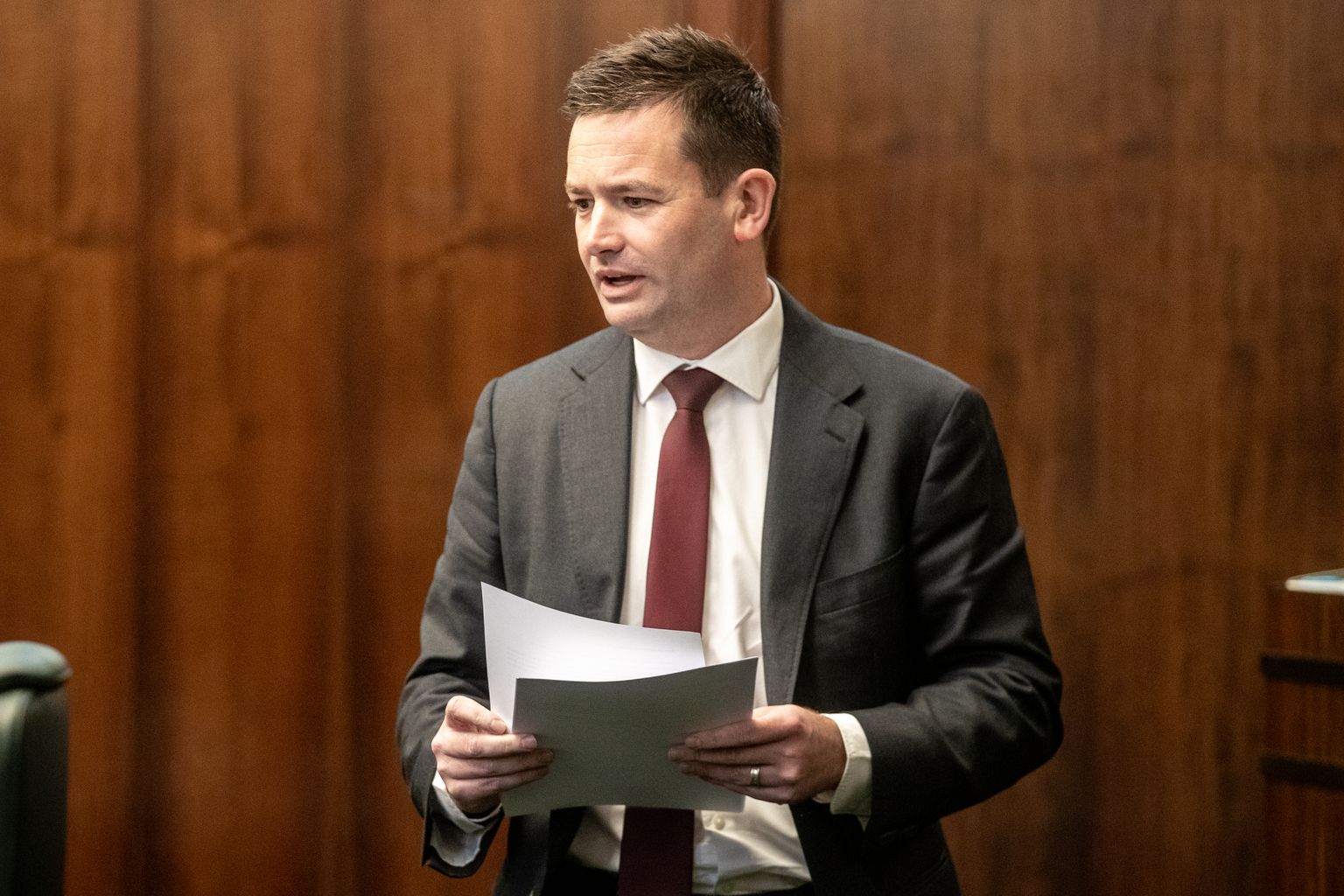
“Moody’s decision will impact every Tasmanian family,” Winter said.
“It will increase the cost of Tasmania’s debt and every extra dollar spent on interest is money that doesn’t create a single job, doesn’t deliver a single hospital bed, doesn’t educate a single child and doesn’t build a single home.”
Winter rejected suggestions the downgrade relates to any single project, saying it reflects broader fiscal mismanagement.
“The Greens and green-independents will try to hijack today’s news to re-litigate the stadium debate, but doing so ignores the reality and the reasons for Moody’s decision,” he said.
“Irrespective of whether Tasmania was building a stadium, the credit downgrade would have happened. It’s not about one project.”
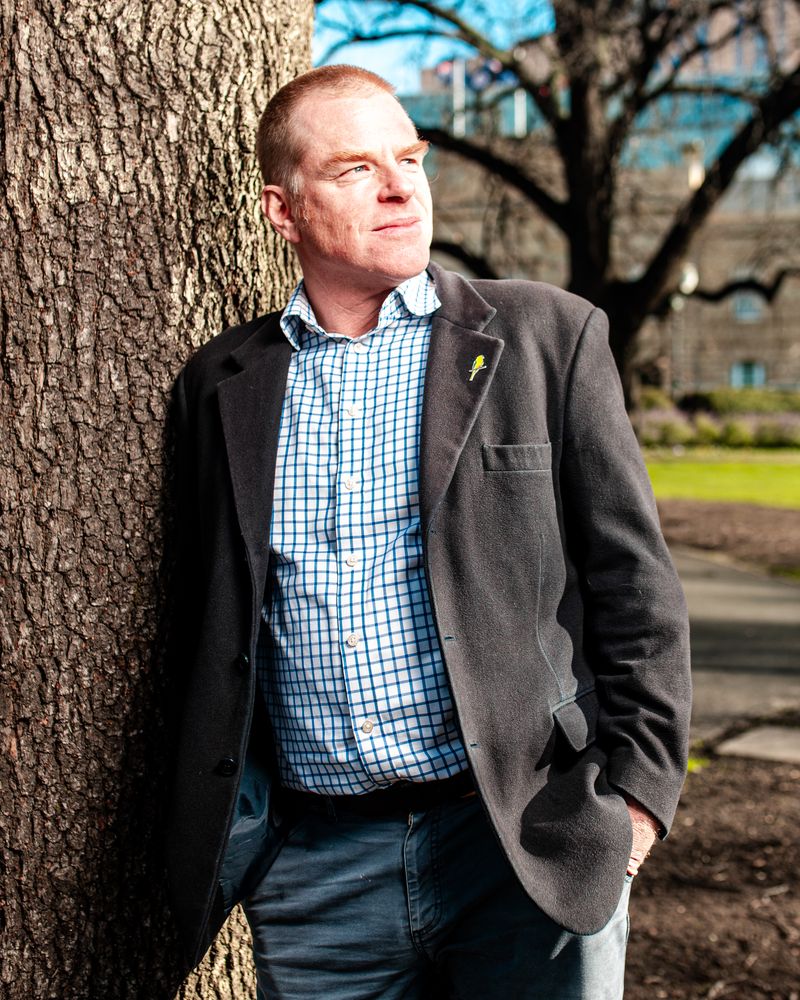
Deputy Greens leader Vica Bayley said revenue needs to be raised and election pork barrelling ended.
“We need to manage infrastructure spend way better and we need to abandon things like an expensive, unnecessary stadium at Macquarie Point,” he said.
“It is absolutely required for the Liberals to take significant action to repair the budget so that we can restore the credit rating. Because this is at the feet of the Liberals.”
Treasurer Eric Abetz said he was “not alarmed” by the downgrade. “The decision by Moody’s to put us onto AA3 is not a welcome decision but an understandable decision,” he said.
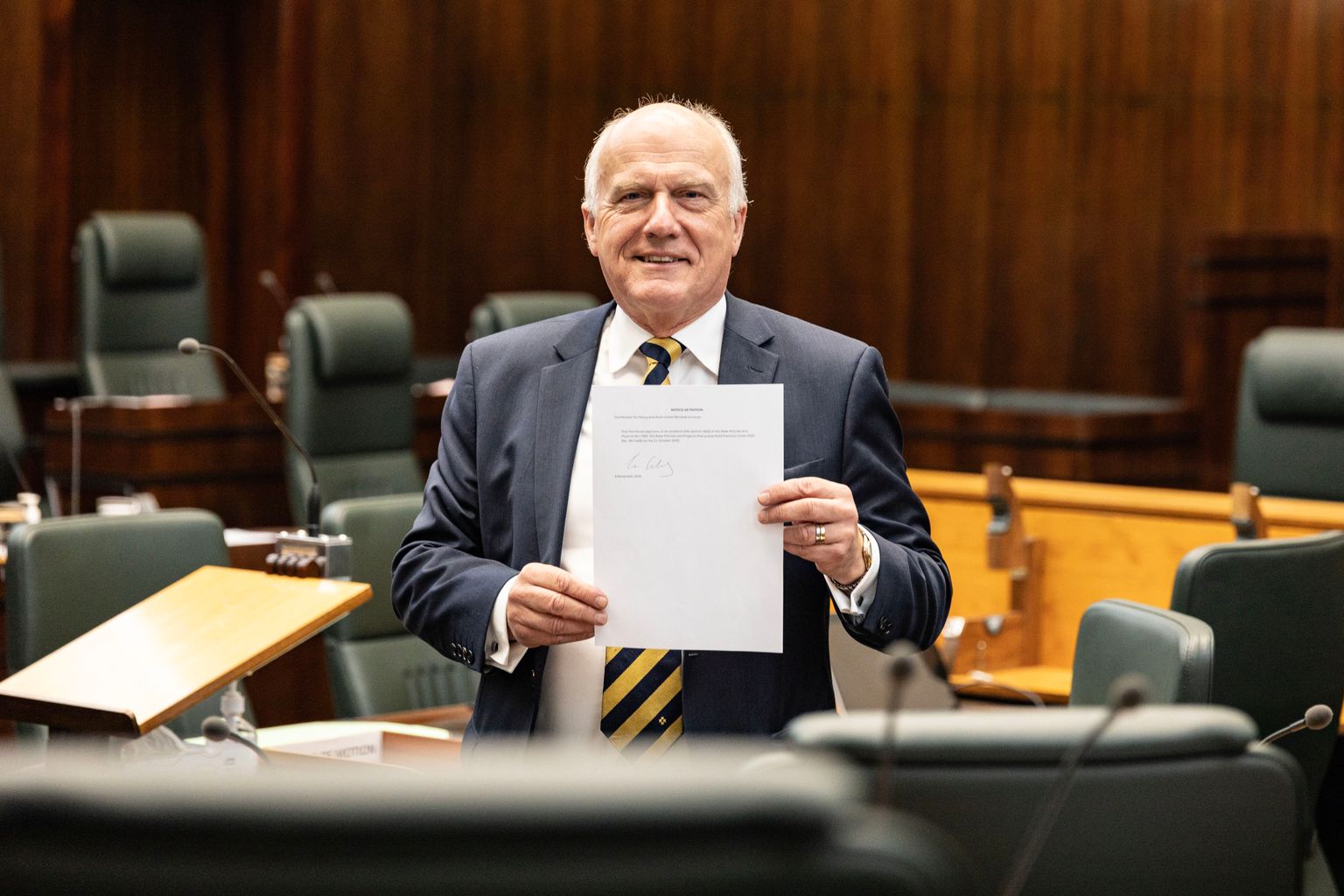
“The important point from the government perspective is that having been moved from a negative watch to stable. So Moody’s are now of the view that we are in a stable position on AA3.”
“And might I add, that’s the sort of rating that has been given to countries such as Taiwan, Japan, France. So we are within OECD parameters.”
Moody’s noted Tasmania’s debt-to-GDP ratio of around 36% was “disproportionately high relative to [Tasmania’s] small economy”.