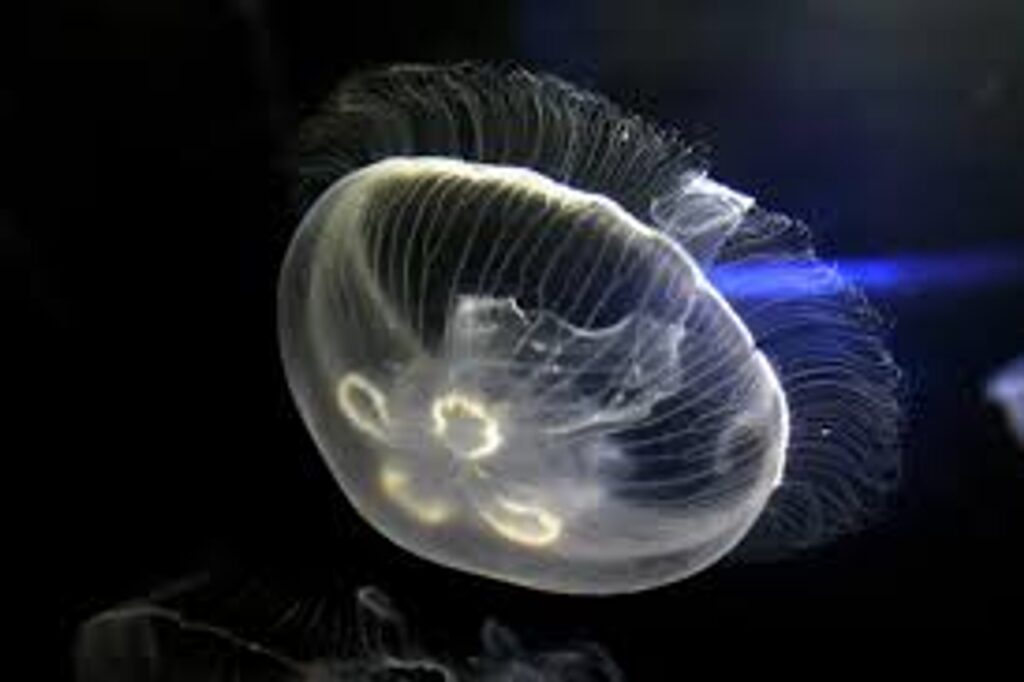
Beaches across southern Tasmania continue to see large numbers of moon jellyfish, but experts say swimmers shouldn’t be alarmed.
“Moon jellies are a natural part of Tasmania’s coastal environment,” Fisheries Tasmania said.
“From time to time, conditions favour their growth, particularly when their food (plankton) is plentiful.”
“We’re currently seeing high numbers of moon jellyfish in the D’Entrecasteaux Channel and nearby waters.”
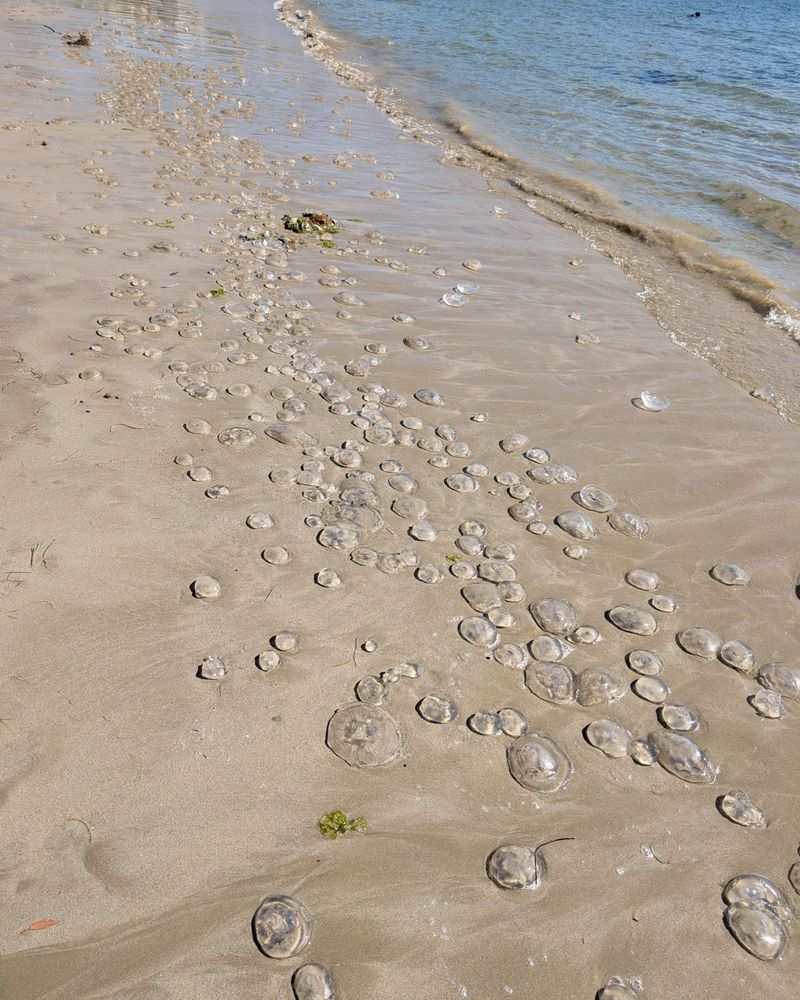
The department said that calm, stable conditions allow jellyfish to cluster and feed well in coastal waters, and their numbers can explode rapidly.
Moon jellies have a unique two-stage life cycle that contributes to sudden population booms. They begin as tiny polyps attached to hard surfaces.
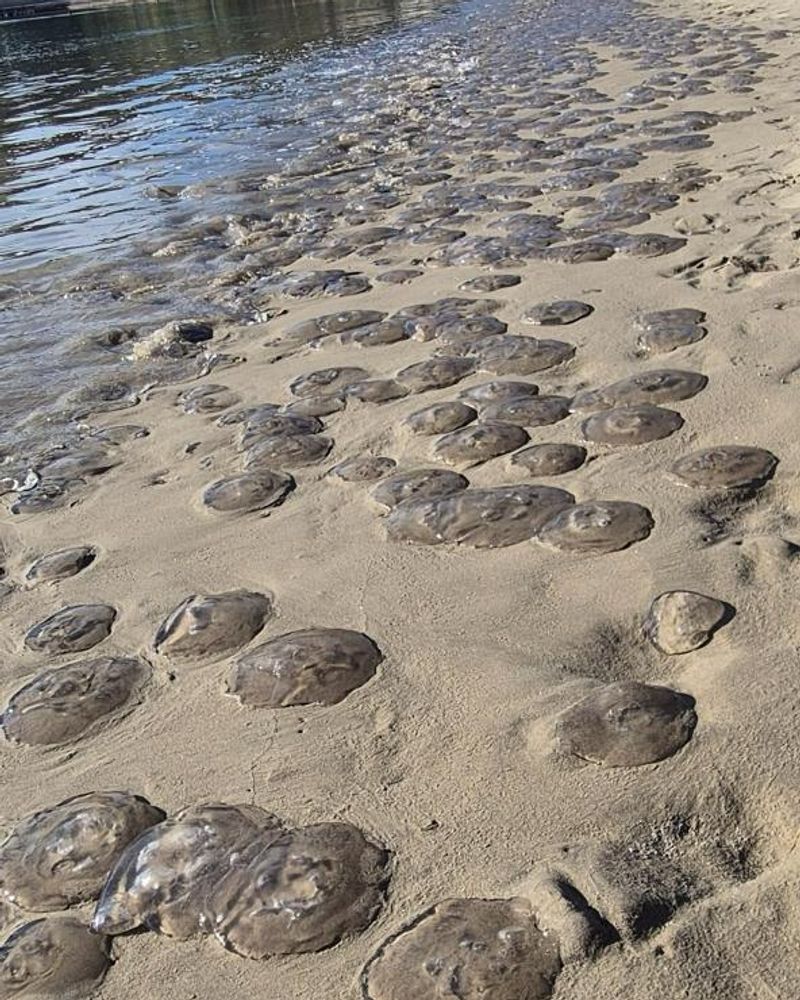
“When conditions are suitable, these polyps release many small jellyfish at once, which is why we sometimes see large numbers appear over a short period,” the spokesperson said.
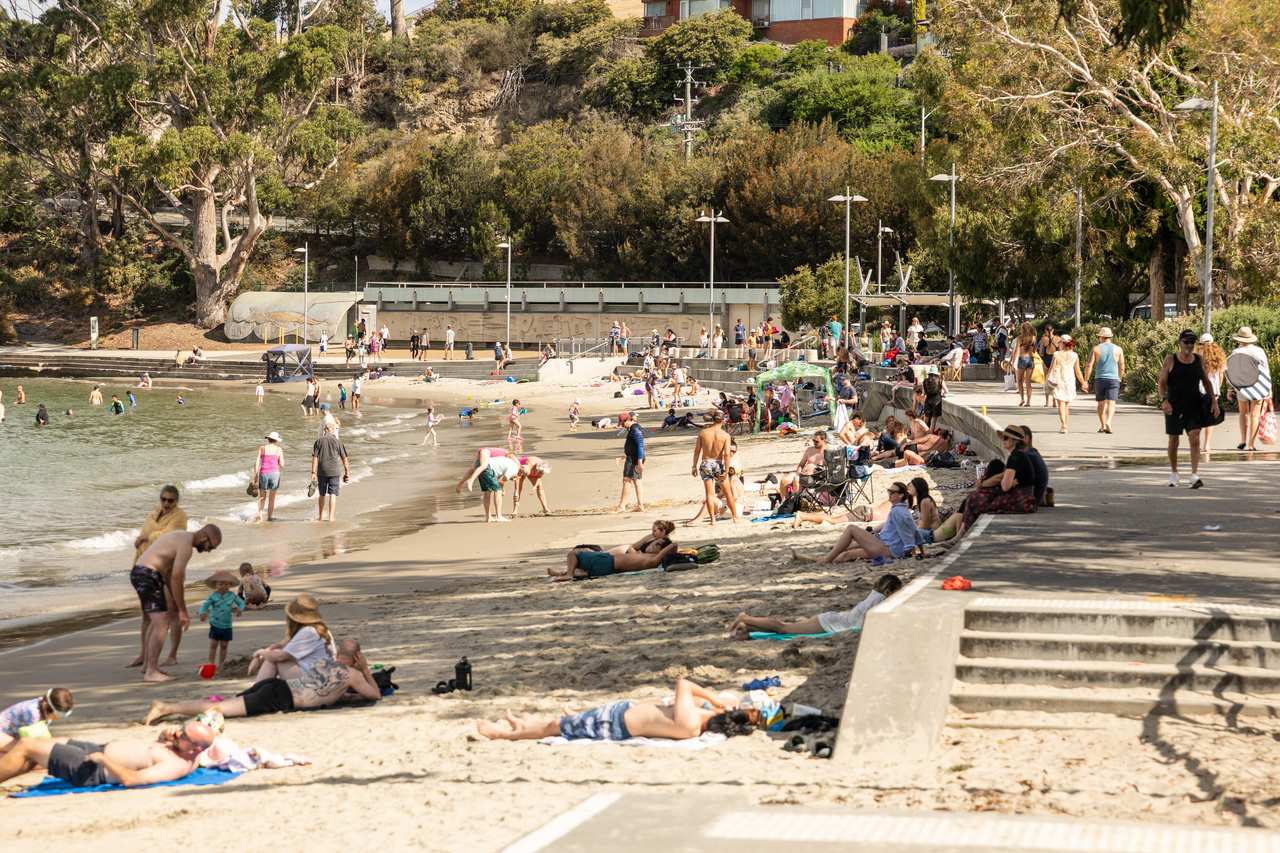
Last week a mass stranding at Long Beach in Sandy Bay left the shoreline scattered with hundreds of jellyfish, making it difficult for visitors to walk on the beach.
A Department of Natural Resources and Environment Tasmania spokesperson said the huge numbers wasn’t cause for alarm, describing it as a natural occurrence in Tasmanian coastal waters.
“Moon jellies are generally harmless to people, with mild or negligible stings,” the spokesperson told Pulse.
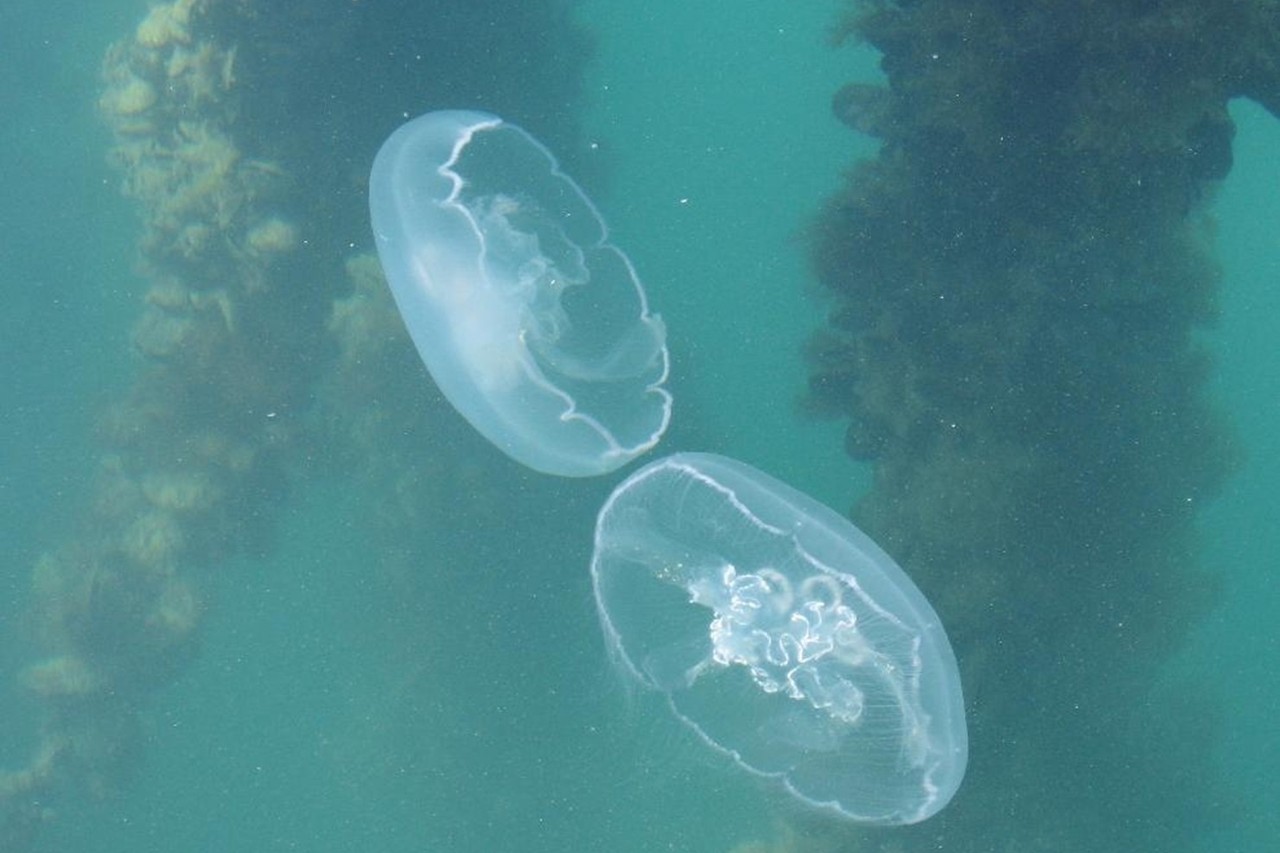
While the spectacles may look alarming, authorities say they are a normal part of Tasmania’s marine ecosystem.