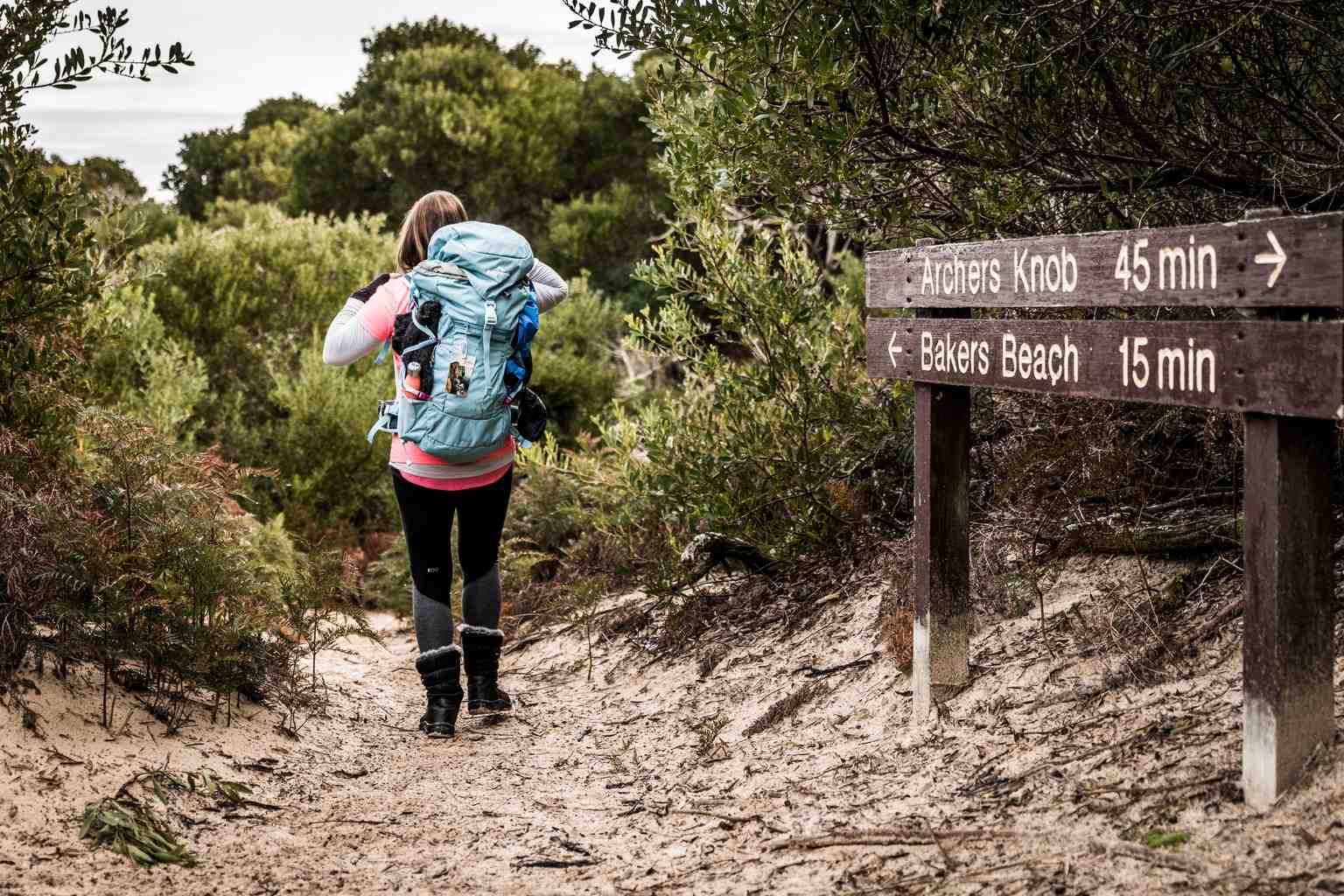
Park entry fees at Tasmania’s Narawntapu National Park near Port Sorell will be waived on Monday to mark 50 years since the area was first declared a state reserve.
Acting Minister for Parks and Heritage Jo Palmer said the anniversary celebrations recognise the park’s rich cultural history, noting Narawntapu was the first park to revert to its Aboriginal name.
“The 50th anniversary celebrations recognise the park’s rich cultural history, with Narawntapu the first park to revert to its Aboriginal name,” Palmer said.
“The celebrations also focus on conservation achievements and enduring social significance.”
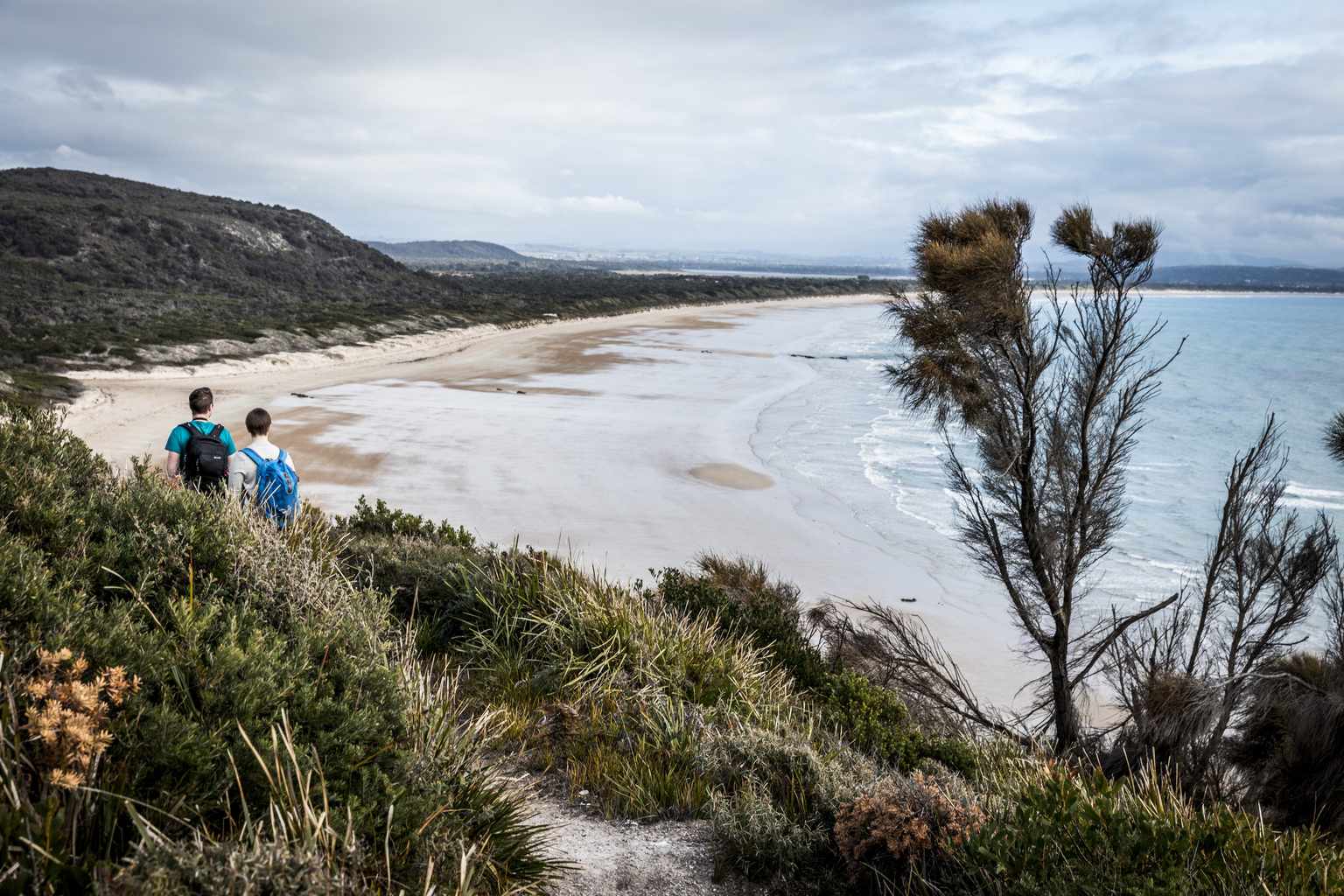
“This is about highlighting the park’s value to local communities, recreational users and visitors, while acknowledging its role in protecting important natural and cultural values,” she said.
Celebrations will continue on the weekend of July 18 and 19, with park fees also waived for those two days.
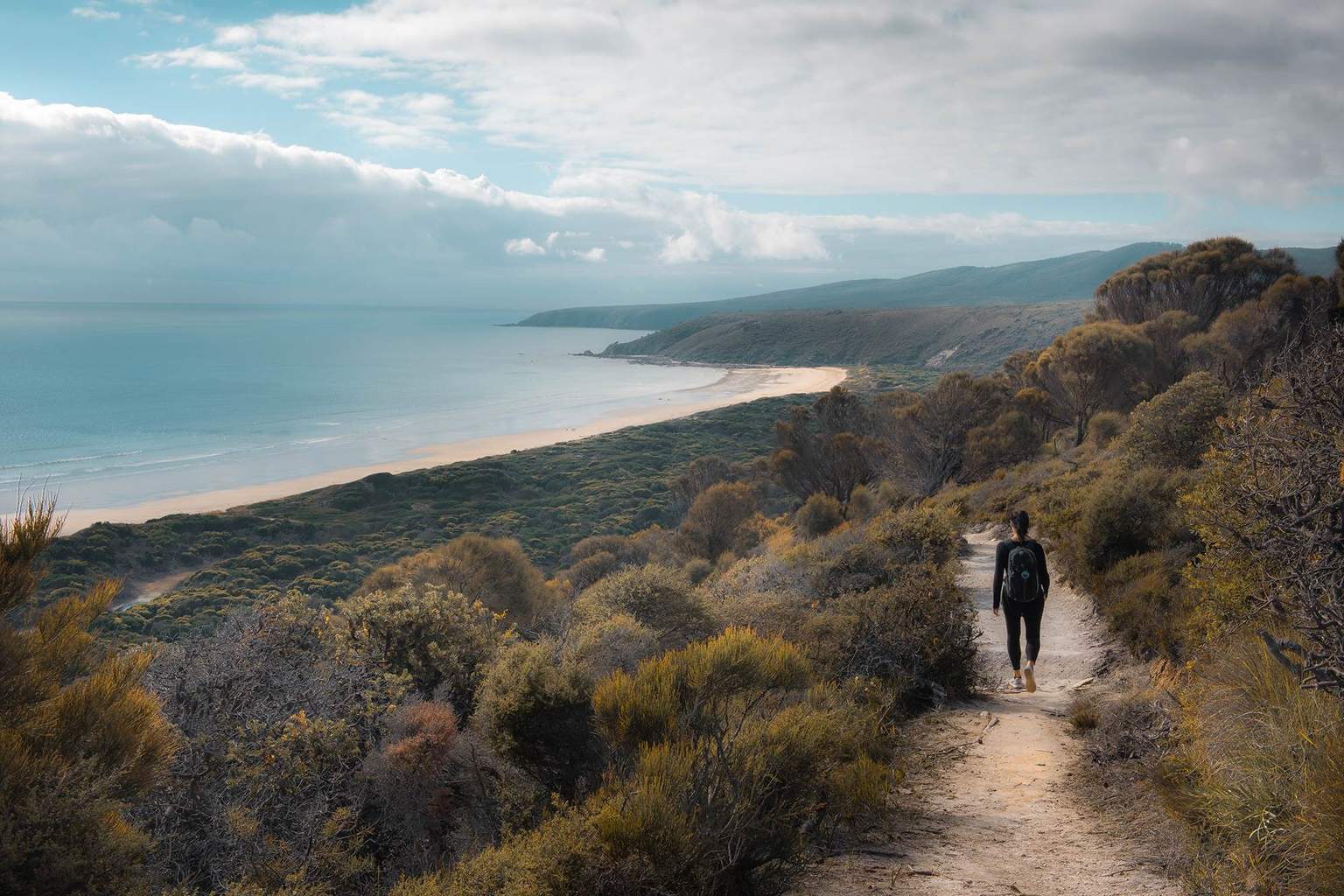
Family-friendly activities including guided walks, lawn and beach conversations and a historic camping display are planned.
“We know Narawntapu National Park is a popular destination for locals and visitors alike, so it’ll be great to see people celebrate this great place in our backyard,” Palmer said.
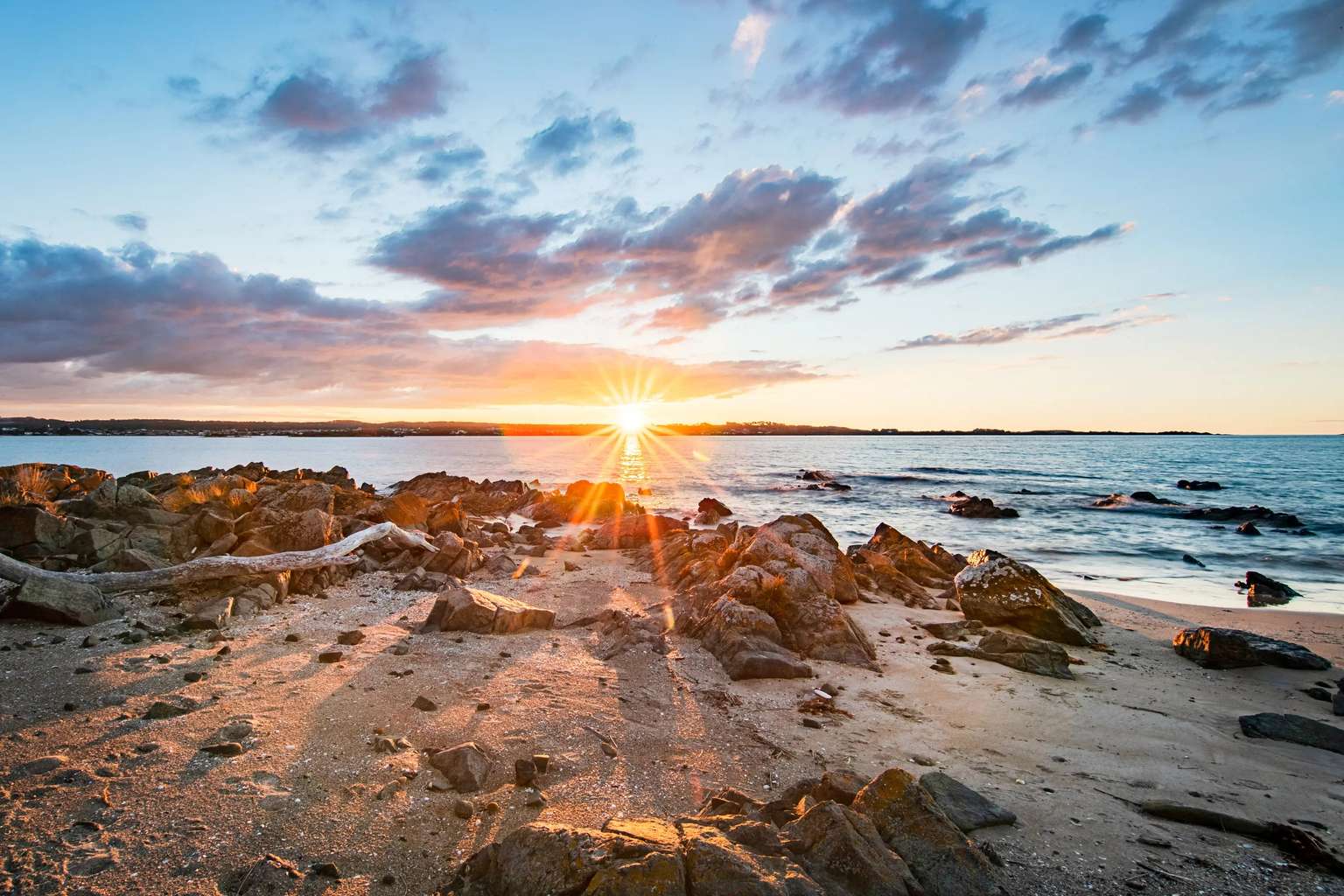
The park is home to unique coastal heathlands and serves as an important habitat for native wildlife and vegetation.
Palmer highlighted several notable species found in the park, including the geographically significant velvet bush and the threatened grass tree.
“Recently, the eastern ground parrot was found to be present in the park,” she said.
“This was a significant discovery as the species has not been known in this area of Tasmania for decades.”
The park has also been used as a release site for the Tasmanian devil captive breeding program.
Palmer said the government recognised the park’s contribution to the conservation of threatened species and its ongoing importance within Tasmania’s protected area network.
Camping fees will still apply during the celebrations.
Details on activities and events are available on the Tasmania Parks and Wildlife Service website.