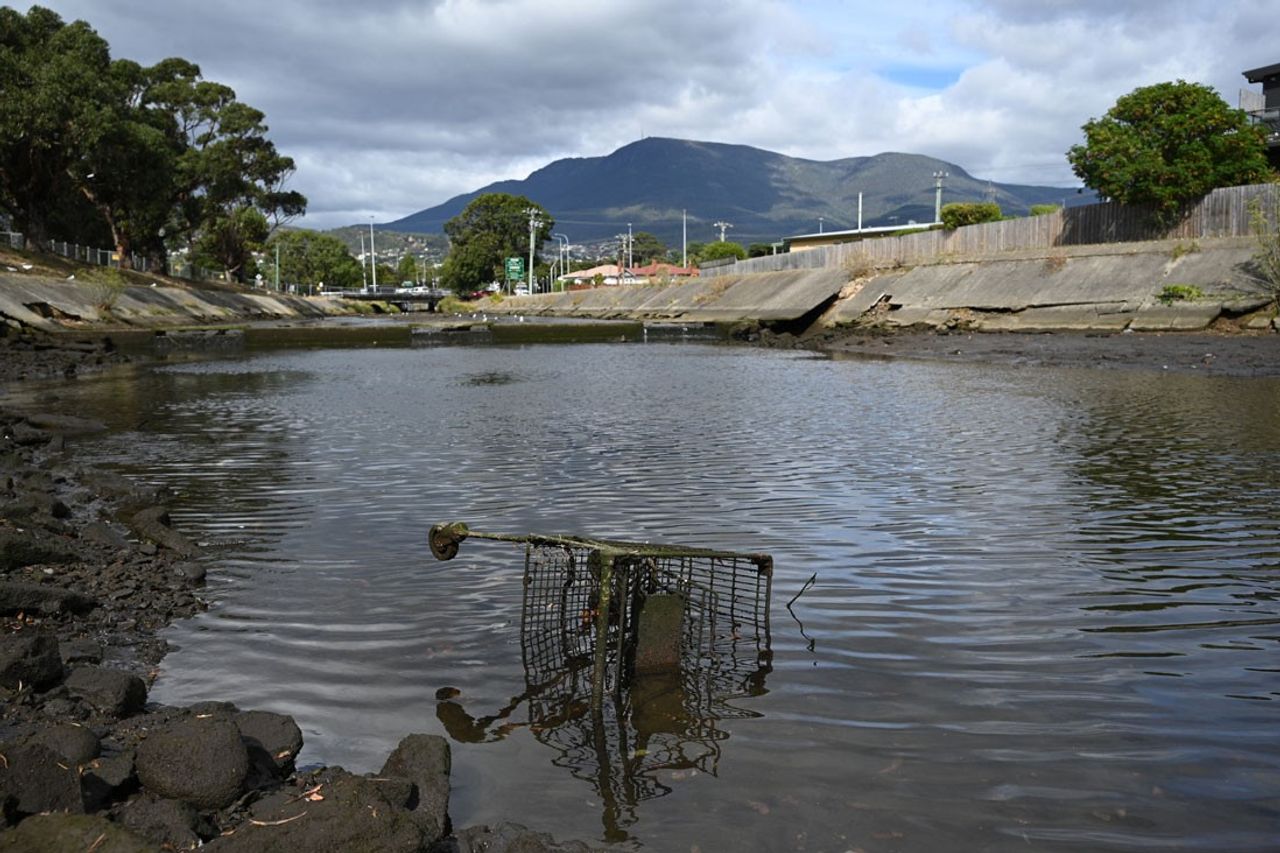
Native waterbirds are thriving at Hobart’s New Town Rivulet, more than a year after a $2 million rewilding project transformed the once concrete-lined waterway into a natural estuary.
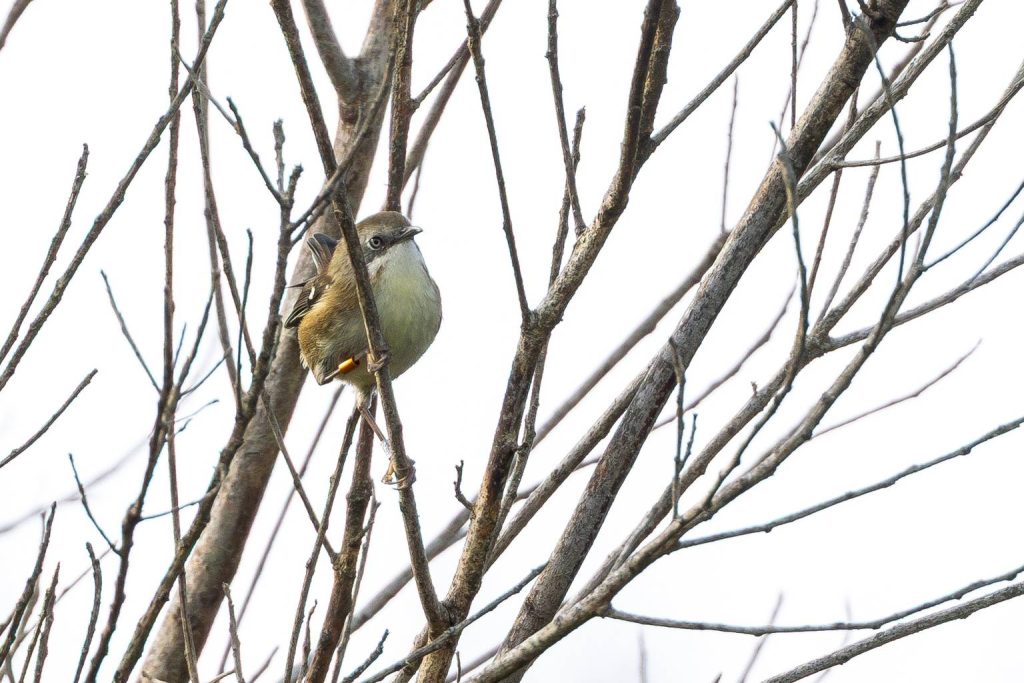
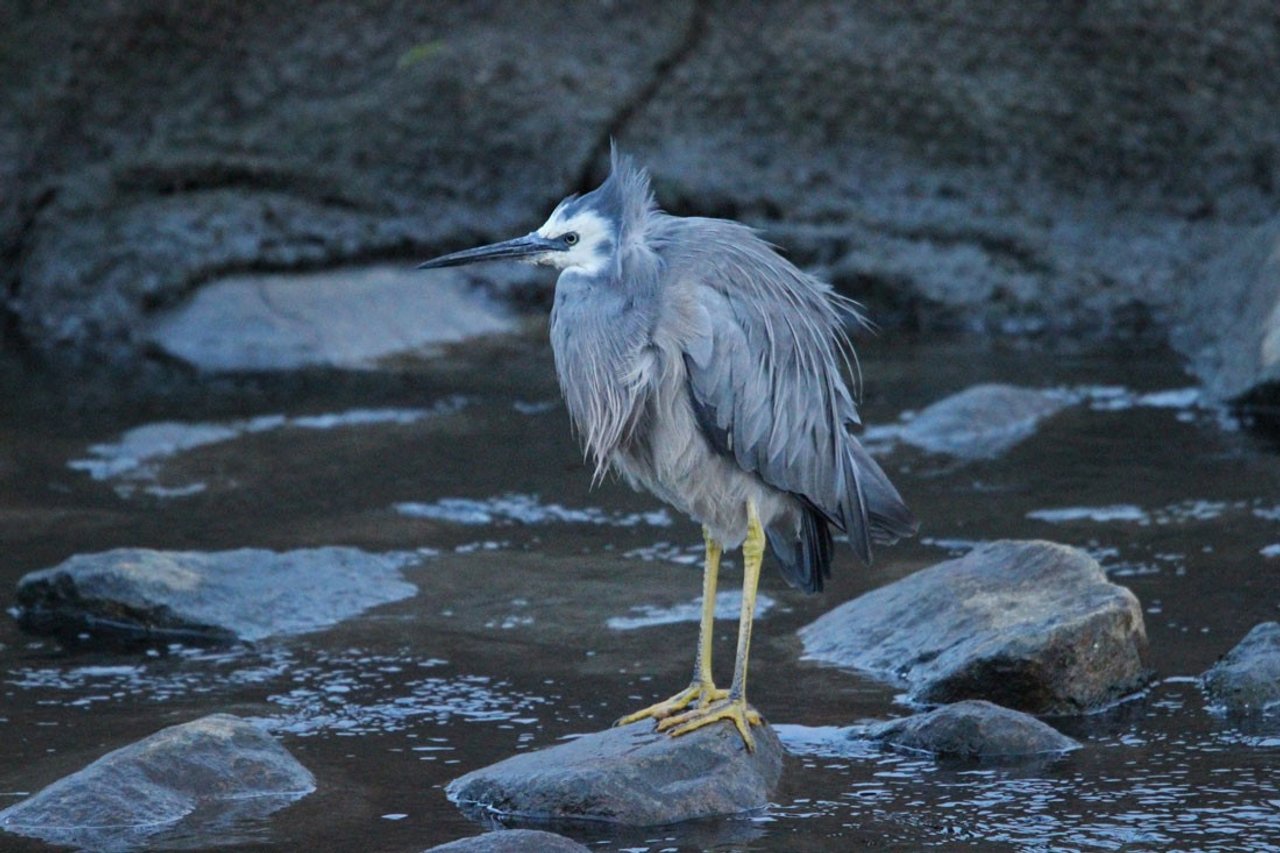
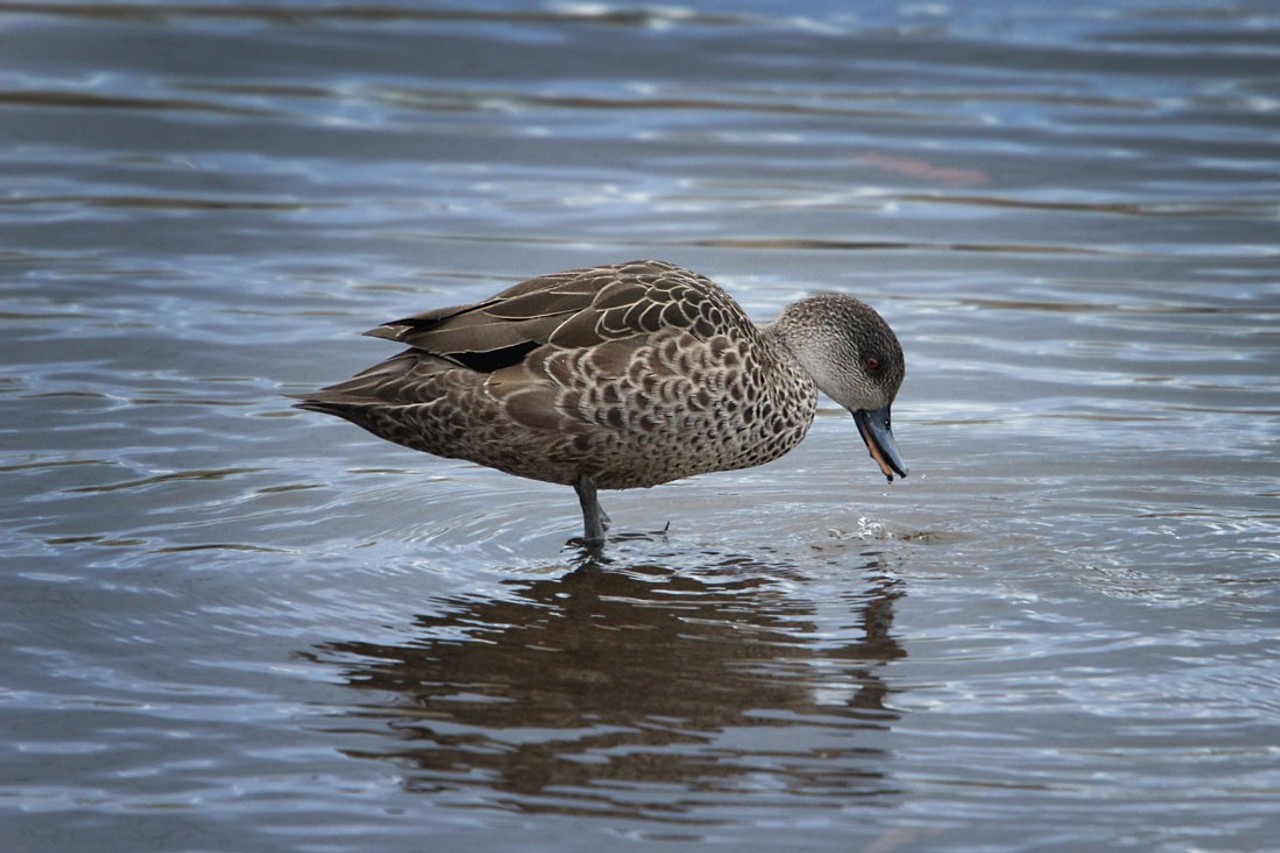
Flocks of grey teal, chestnut teal, Pacific black ducks and Australian wood ducks have become regulars on the rivulet, alongside pied oystercatchers, hoary-headed grebes, cormorants and Tasmanian native hens.
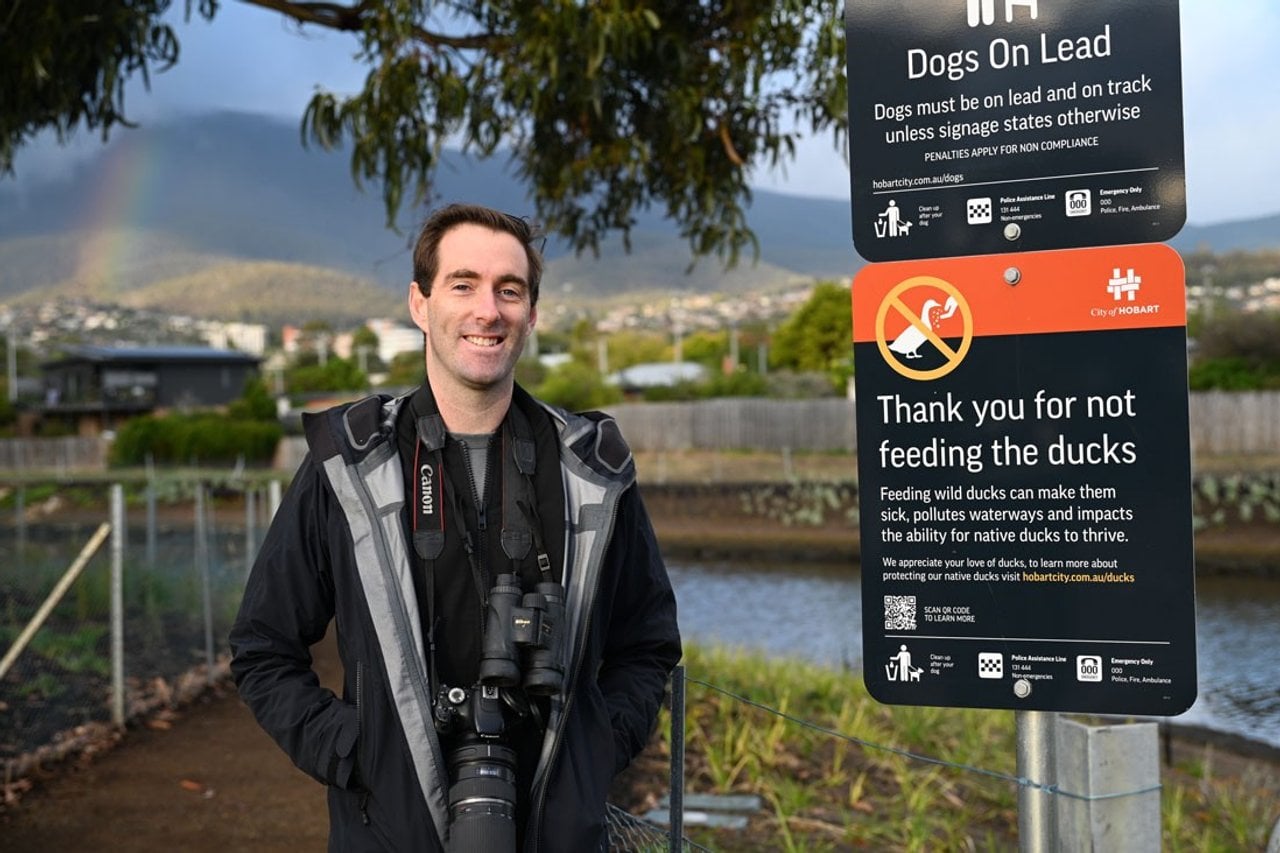
Jason Graham, who runs the Pacific Black Duck Conservation Group, said native species were quickly returning to the waterway.
“A flock of pied oystercatchers has been spending a lot of time around the river mouth,” Graham said.
He said it was a thrill to spot a young family of Piyura (Tasmanian native hens) foraging along the waterway on his first visit.
The Hobart and Glenorchy city councils launched the restoration project in February 2025.
Crews planted nearly 30,000 native trees, shrubs, grasses and aquatic plants to stabilise the banks and lure wildlife back.
New walking tracks and parking areas were also added to encourage community access.
Two years ago, the site was lined with cracked concrete that blocked bandicoots and native birds from reaching the water.
Up to 100 feral geese and domestic mallards once dominated the area, crowding out native species.
The Glenorchy City Council removed 54 geese from the site.
Volunteers from Graham’s group rehomed the rest and cleared out most of the mallards before planting could begin.
“If we hadn’t removed those feral animals from the site all of the beautiful native plantings would have been for nothing,” Graham said.
He said keeping feral ducks away remained critical, particularly to protect Pacific black ducks from crossbreeding with mallards.
Graham urged the public not to feed ducks at all, warning that even leaving out tubs of water mainly helps invasive mallards take over an area.
“I guarantee that enjoying ducks without hurting their chances of survival by feeding them is much more fun,” he said.
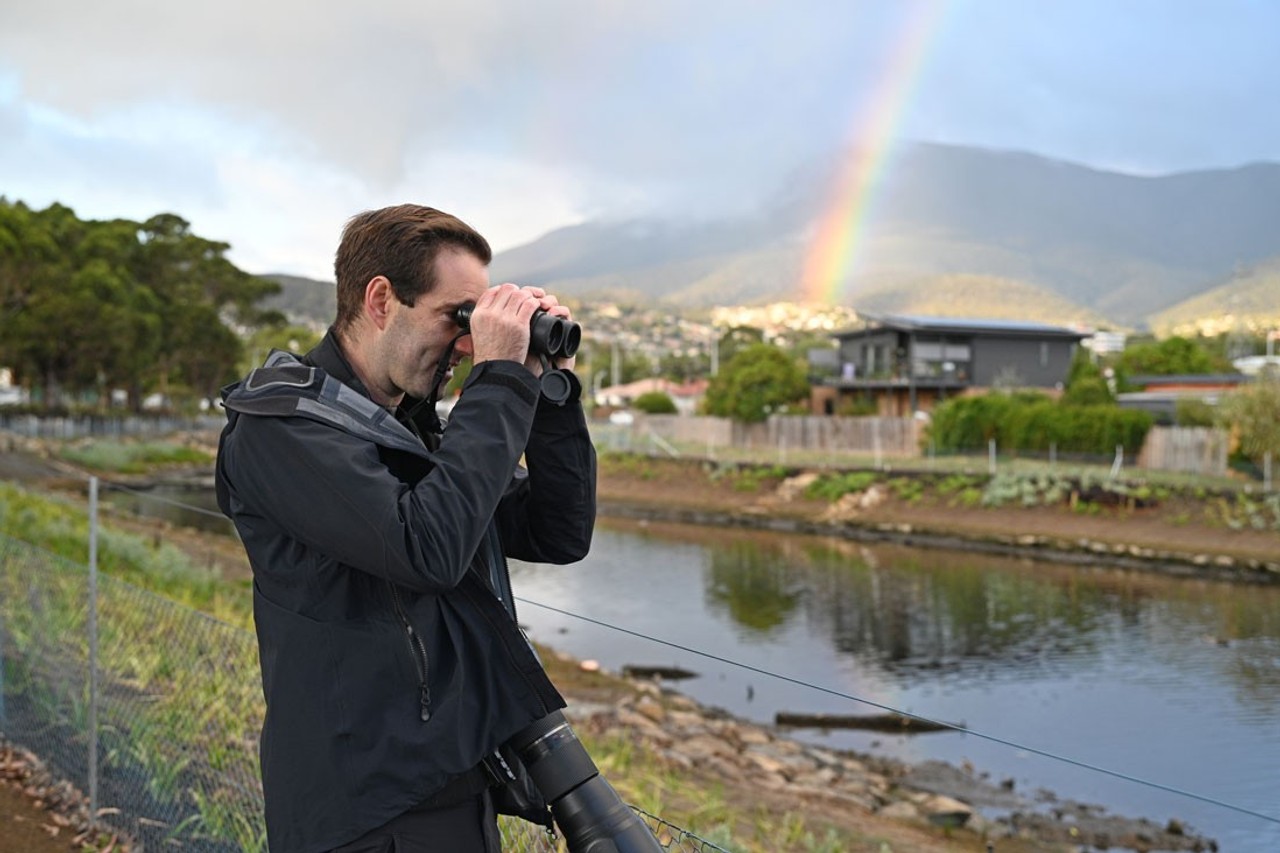
He believes the rivulet is on track to become a popular spot for birdwatchers as the plantings mature.
“The most exciting thing about this project is that this is just the beginning,” Graham said.