When David Hunn set out to build his own distillery, he ran into a problem he hadn’t expected – nobody could tell him what the rules actually were.
Councils knew some of it. WorkSafe knew some of it. The fire service knew some of it. Nobody had the full picture.
“Building a distillery is a very complex thing, not just in the infrastructure you do, but the regulations that you need to meet,” Hunn said.
“We had to fight our way through those regulations to become safe and work within that regulatory environment.”
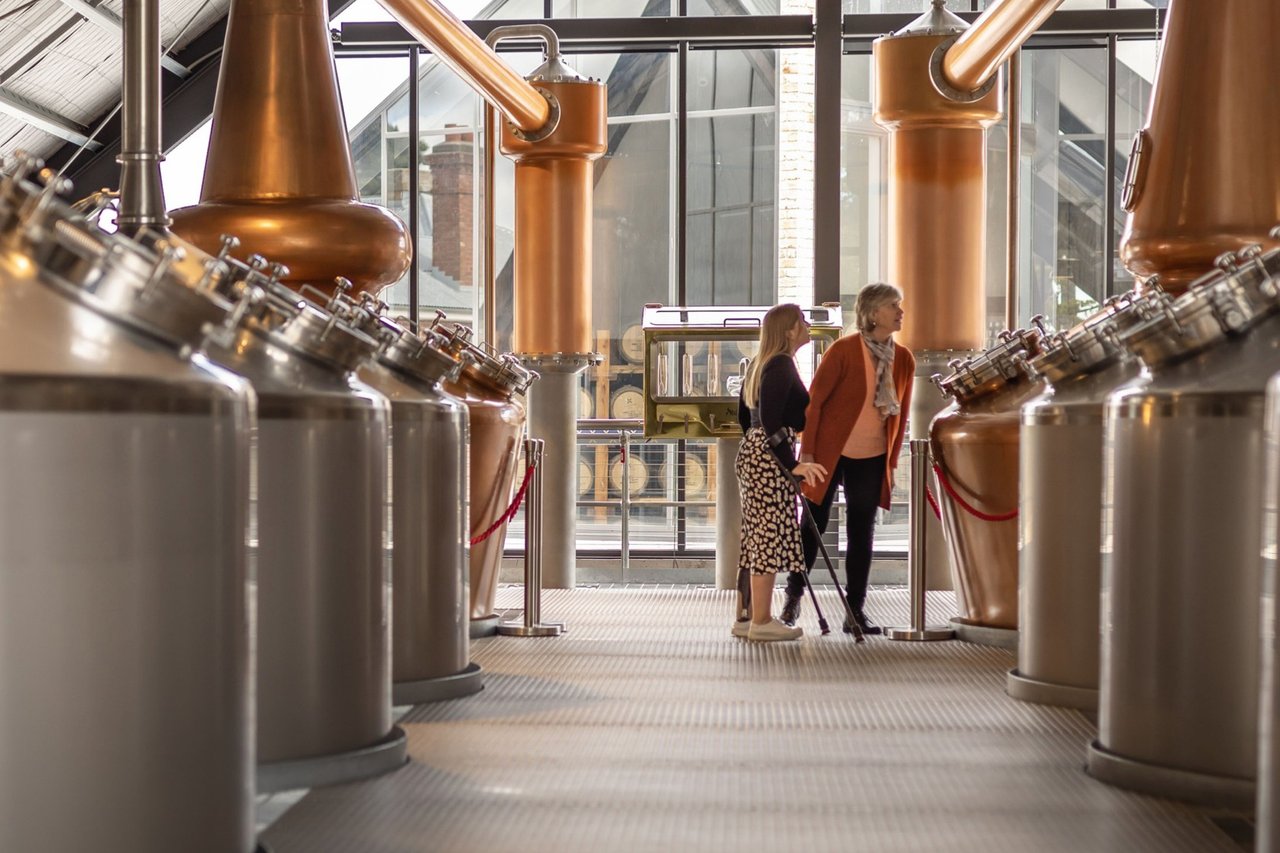
It’s a story familiar to plenty of the small operators behind Tasmania’s whisky boom – an industry that has quietly grown from a handful of distillers 30 years ago to more than 100 today.
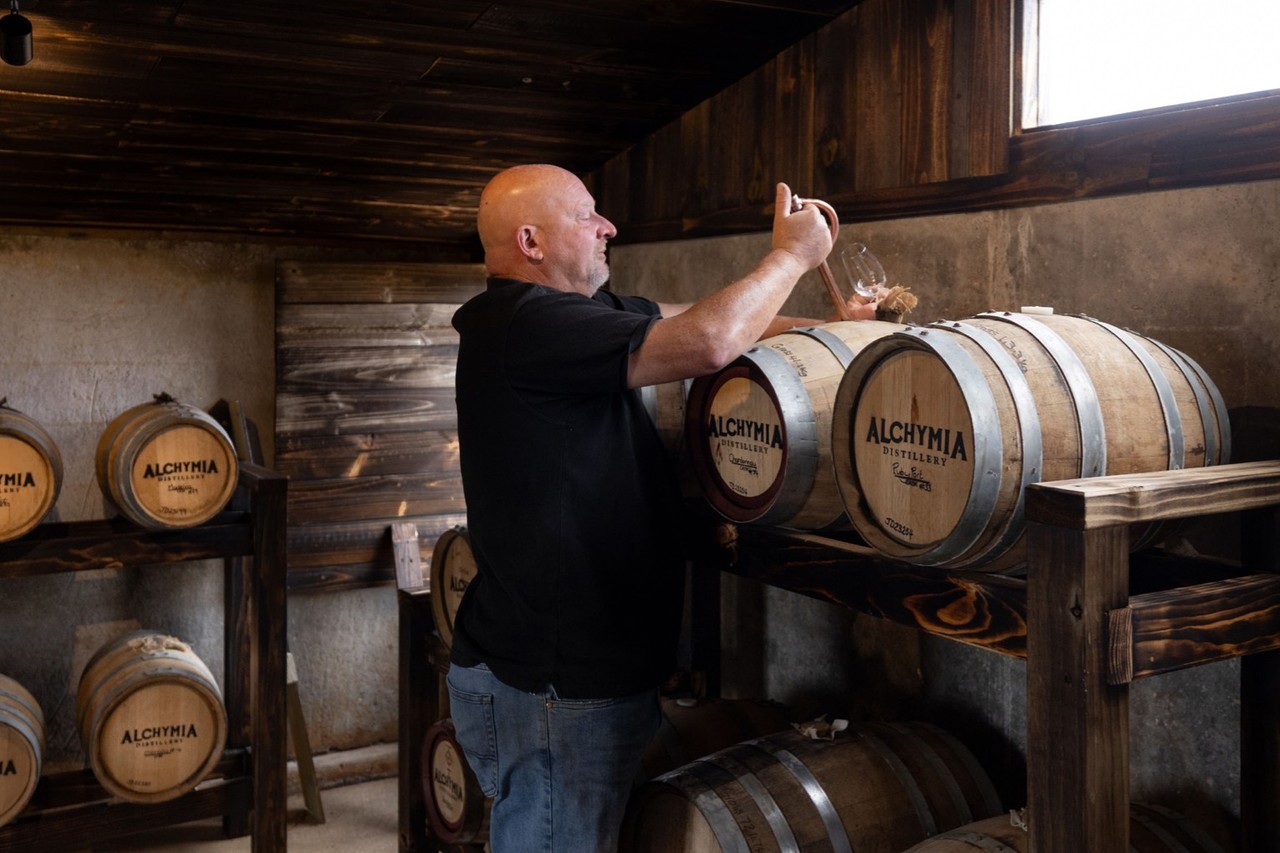
Hunn, who now owns Honeywood Distillery, spent the last two years chairing a group tasked with sorting the mess out.
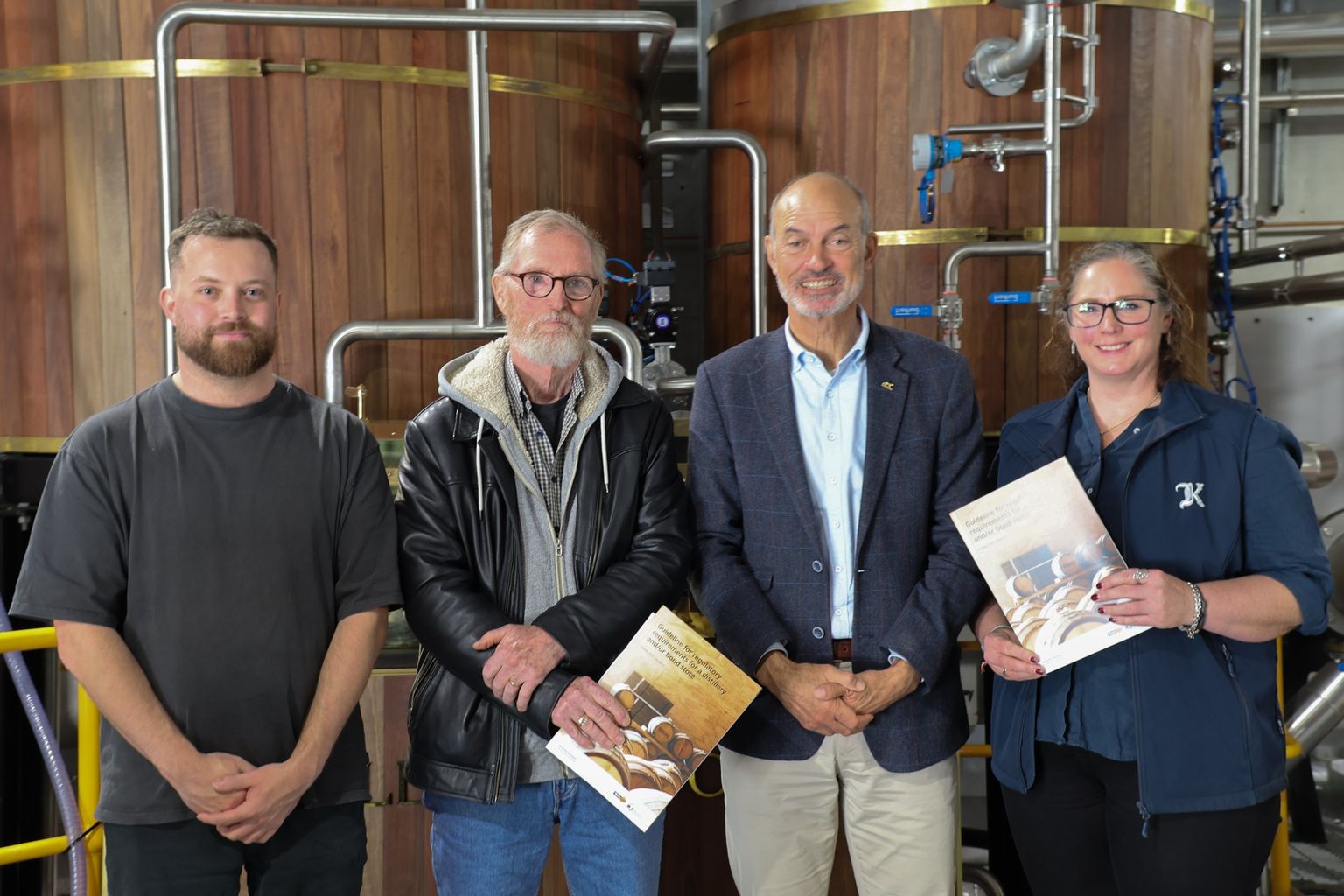
The result was unveiled at Sullivan’s Cove Distillery in Cambridge on Friday – a single guide that finally pulls every rule, every agency and every approval into one place.
For new distillers, it means no more chasing answers across half a dozen government departments before they can pour their first drop.
Hunn said the change would matter most for the smaller players – the small and medium-sized distillers who don’t have consultants on hand to navigate the rules.
“I get people coming to me as a distillery owner who want to build a distillery and they’ll say, ‘So what do I have to do?’ And I can’t find out,” he said.
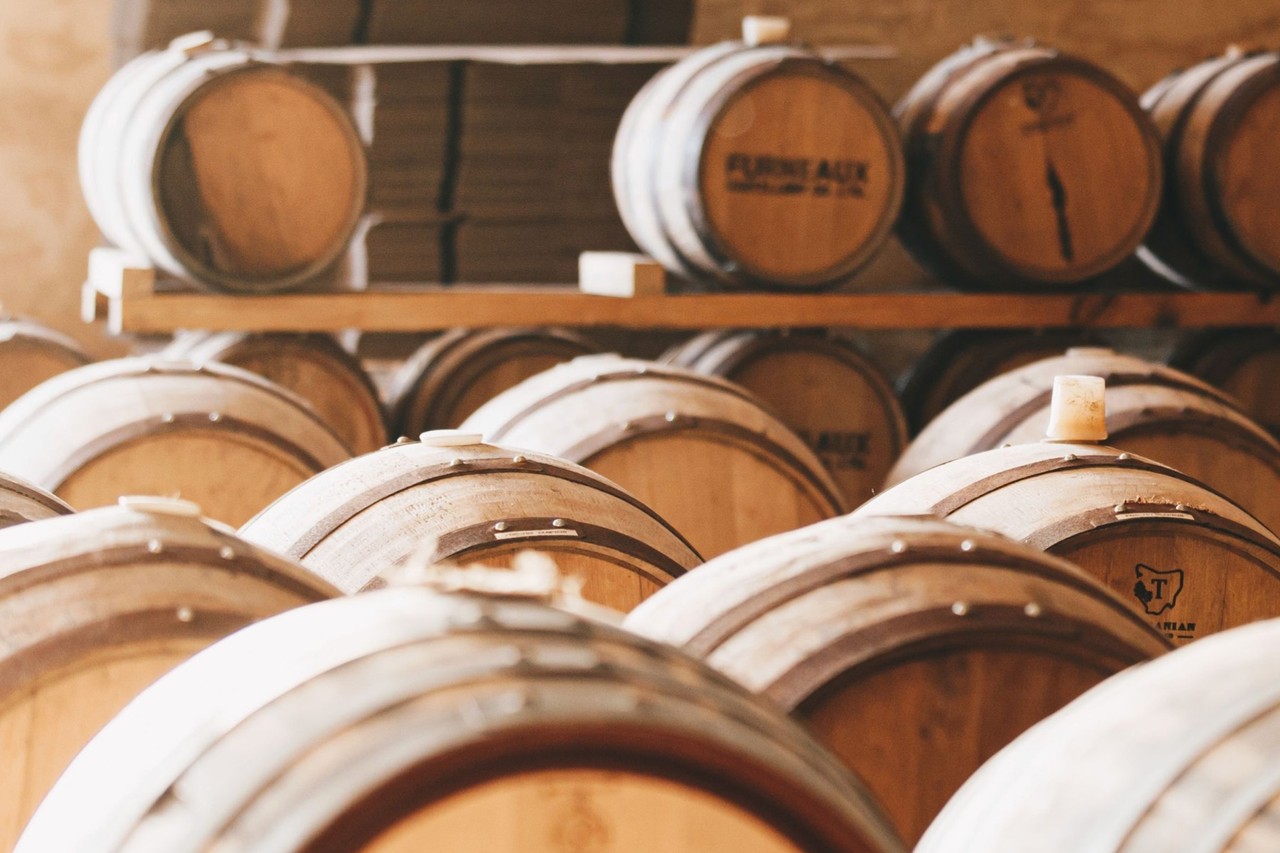
It’s those operators who have powered the state’s rise to a $300 million industry, with hopes of hitting $500 million by 2040.
Small Business, Trade and Consumer Affairs Minister Guy Barnett said the guide would simplify processes, reduce red tape and let distillers focus on their work.
“The guidelines will help both existing and emerging distillers to operate safely,” he said.
“It includes detailed information on work health and safety hazards and the controls needed to mitigate risks in distillery environments.”