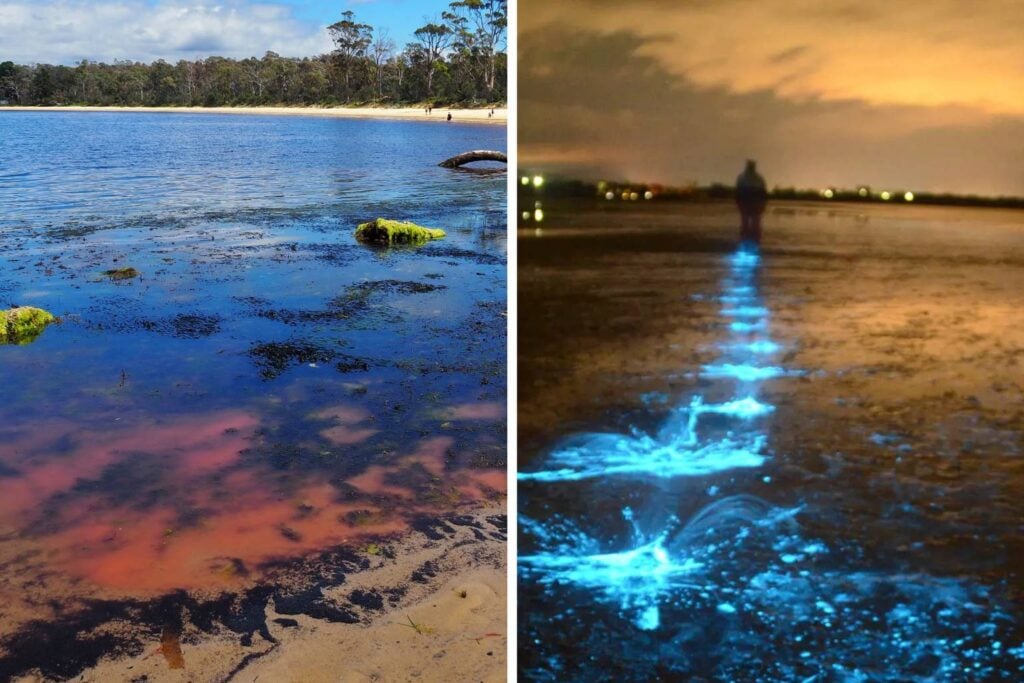
Tests have confirmed a pink-coloured “algal bloom” appearing across southern Tasmanian waterways is a naturally occurring phenomenon that poses no threat to human health or marine ecosystems.
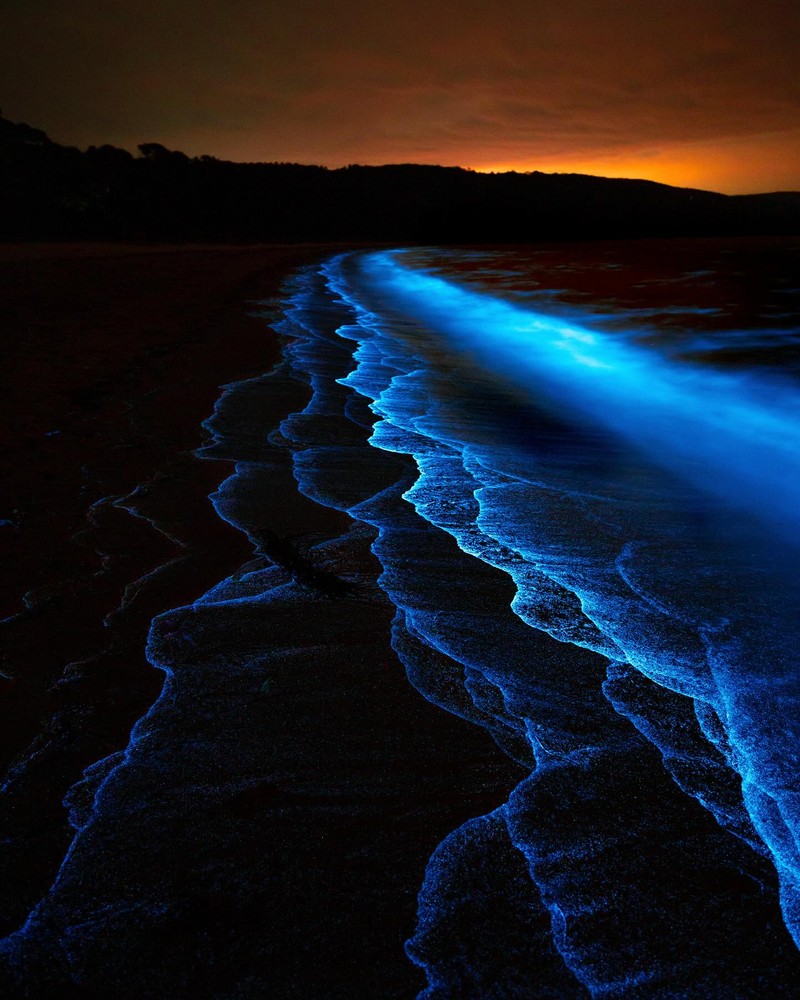
The Department of Natural Resources and Environment Tasmania identified the organism as Noctiluca scintillans, a common dinoflagellate known for creating bioluminescent displays at night.
Laboratory testing was conducted after environmental groups raised concerns about the salmon-pink substance appearing in multiple locations including Randalls Bay, Little Roaring Beach and Eggs and Bacon Bay.
“It is not unusual for blooms to be present at this time of year and the public may be treated to bioluminescent displays if they are on our beaches at night,” an NRE spokesperson said.
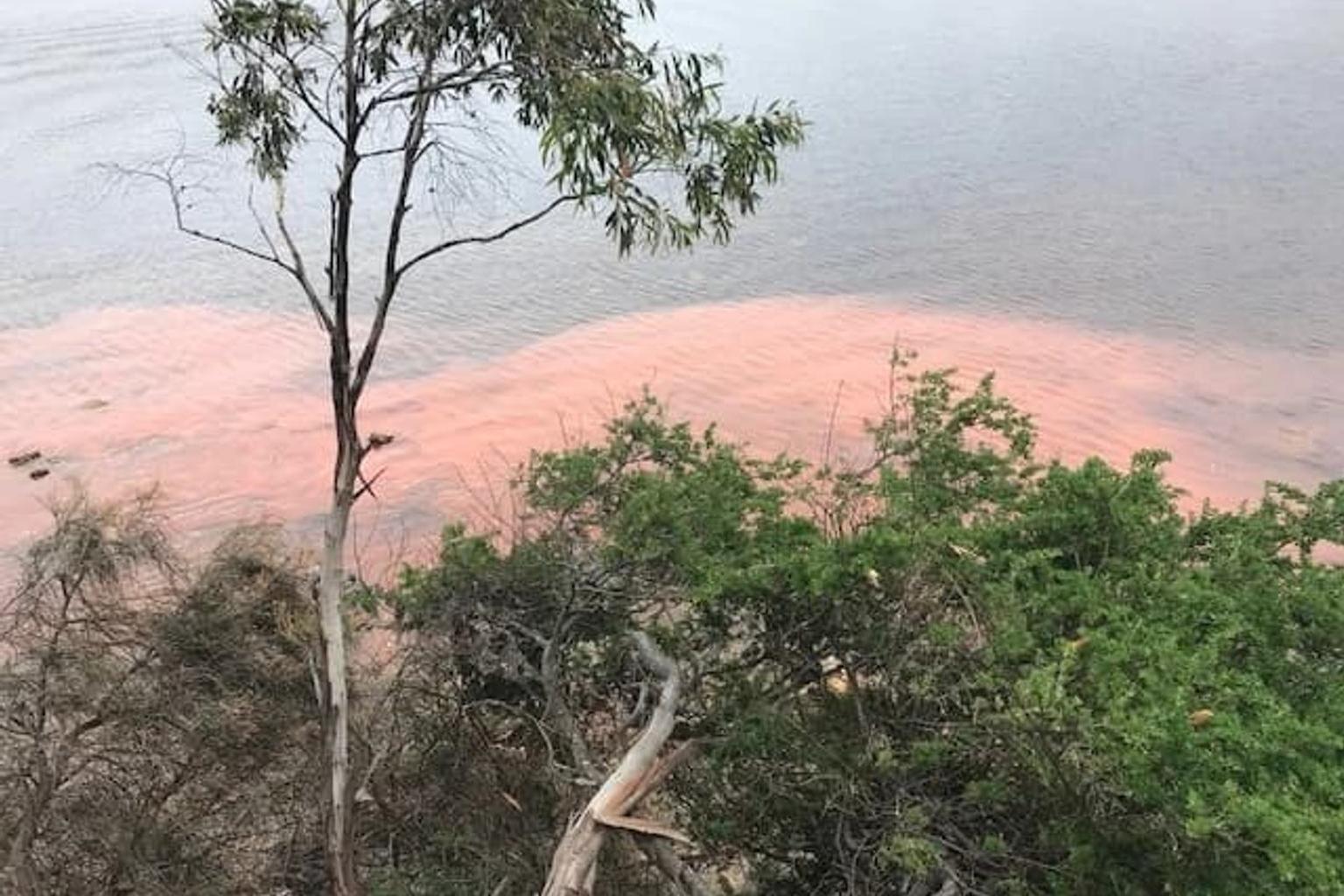
Neighbours of Fish Farming had earlier reported sightings alongside claims of dead marine creatures around the sludge, prompting Independent MP Peter George to describe the situation as a “clear and present danger” to marine ecosystems.
“Mr Rockliff can no longer turn his back on growing warning signs that the health of the waterways is in serious jeopardy,” George said.

Bob Brown Foundation Marine campaigner Alistair Allan had called for immediate government action.
“These algal blooms and dead sea creatures are a harbinger of things to come as the water gets warmer in Tasmania.”
However, Minister Jane Howlett urged caution at the time against what she termed “scaremongering from Bob Brown” before testing was completed.
“We know that algal bloom is a naturally occurring. It can occur due to lack of nutrients, due to temperature etc in the water and light,” Howlett said.
NRE has confirmed the organism is distinctly different from Karenia cristata, which caused a harmful algal bloom in South Australia.
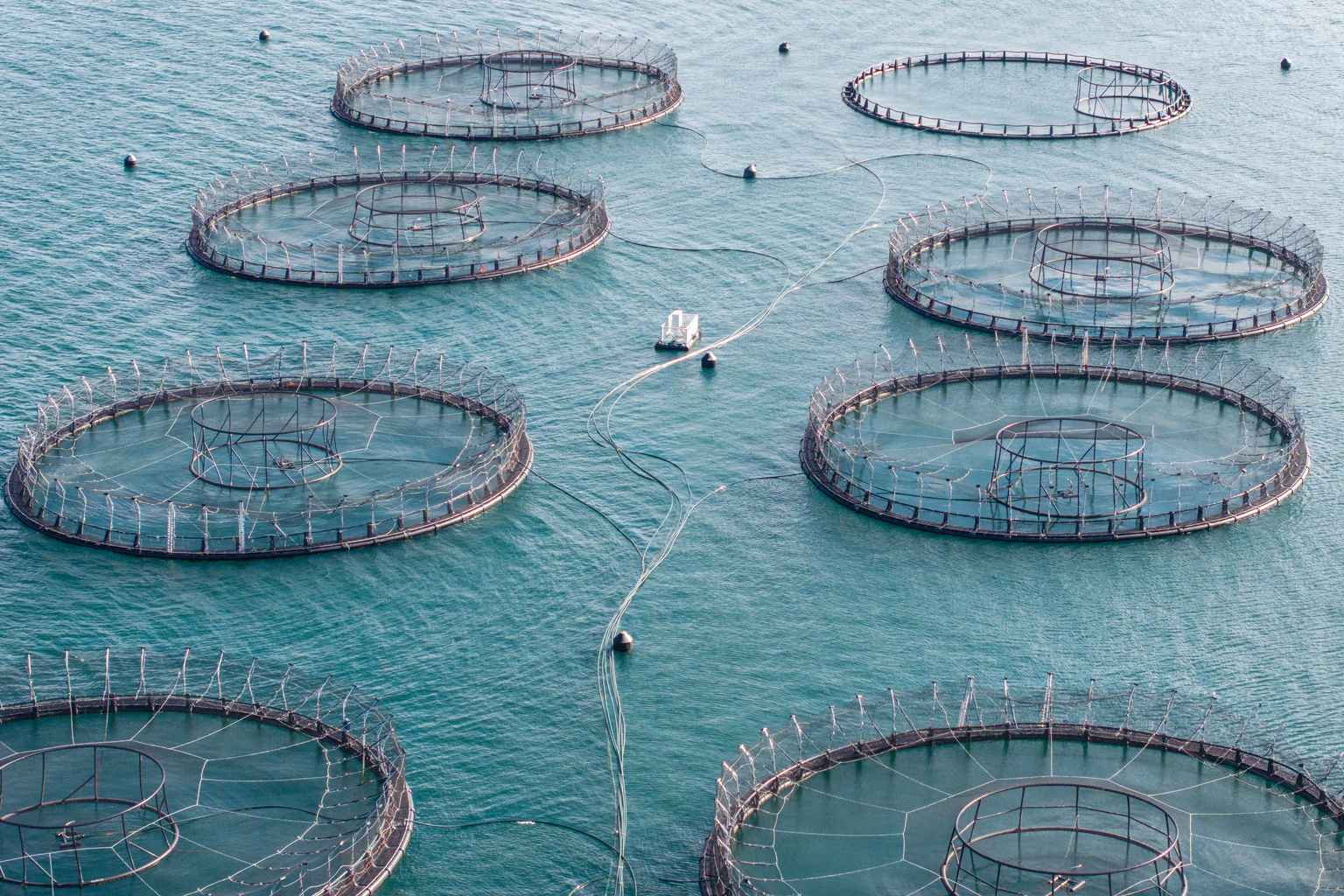
The department said there is no known link between Tasmanian aquaculture and increased Noctiluca scintillans events.
A spokesperson for industry body Salmon Tasmania has demanded an apology from environmental activists and politicians for “alarmist scaremongering that damages our state’s reputation”.
“They’re politicians not scientists and their shameless mistruths have been embarrassingly exposed,” the spokesperson said.
Meanwhile Deputy Labor Leader Janie Finlay has described the “misinformation” from activists as “really disappointing”.
“Manufacturing environmental scares to fit a political narrative is dishonest and it does nothing to help Tasmanians understand what is happening in our waterways,” she said.
NRE said while they do not typically monitor this common natural occurrence, they conducted testing “to provide public reassurance given the attention being drawn to this particular site”.
They confirmed the regular ShellMAP program continues to monitor for any harmful algal species.