Tasmania’s transfer-of-care protocols are getting ambulances back on the road faster, the health minister says – despite nurses warning the system is placing pressure on emergency departments statewide.
Bridget Archer on Wednesday acknowledged the strain on the health system but maintained the policy was working.
“Our transfer of care protocols have worked,” she said. “They have got ambulances back out on the road quicker.”
The minister said rapid ambulance response times were critical for patients facing life-threatening emergencies.
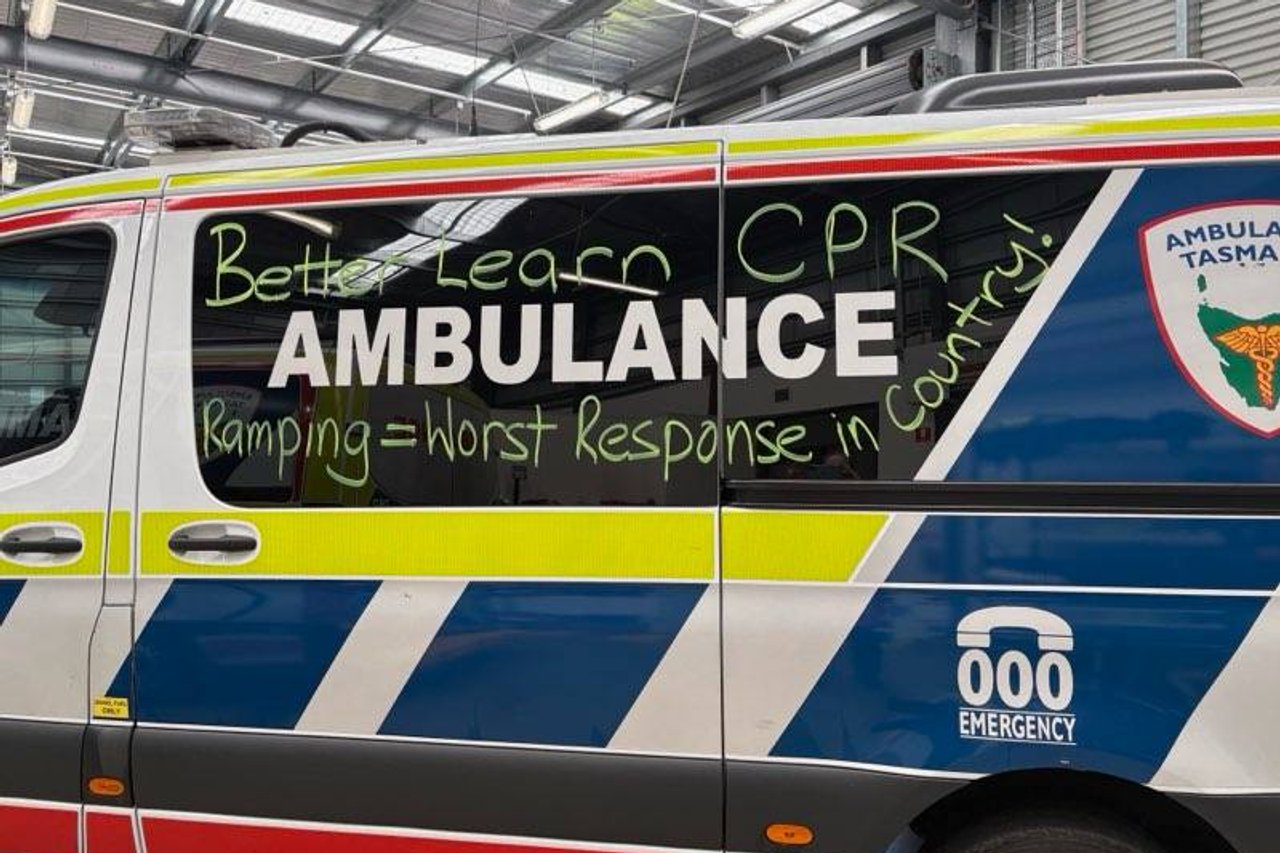
“If you can’t get an ambulance to you as quickly as possible, you’re not going to make it to the hospital,” she said.
“It is critically important that we get our ambulances back on the road as quickly as possible.”

Australian Nursing and Midwifery Federation (ANMF) Tasmanian branch secretary Emily Shepherd said the current 60-minute protocol was straining hospitals.
“What we know is that the current … protocol of 60 minutes is placing pressure on EDs and across the hospitals statewide,” she said.
“We are also concerned about the safety of the operating environment when patients are offloaded into inappropriate environments.”
The Tasmanian Industrial Commission is set to list matters for arbitration at a future hearing, with Shepherd flagging the proposed 45-minute protocol as a key issue.

“The ANMF wants the operating environment to be both safe for patients and staff,” she said.
Archer said access block remained a challenge, with about 100 patients statewide medically fit for discharge but still occupying hospital beds.
“If those patients can’t be discharged, it’s difficult for patients to flow through if they need to be admitted,” she said.
She said the government was using transit lounges and early-discharge programs to improve patient flow.

Archer also urged the public to consider alternatives to emergency departments, including urgent care clinics and health hotlines.
She said the government would continue working with the ANMF to address concerns.
“I acknowledge that there is more to be done,” Archer said. “But it can’t be a case of either or.”