Tasmania is running out of criminal lawyers, with a new report warning the courts will pay the price if nothing changes.
The University of Tasmania study found low pay, crushing workloads and a lack of support are driving lawyers out of the field, many within their first three years.
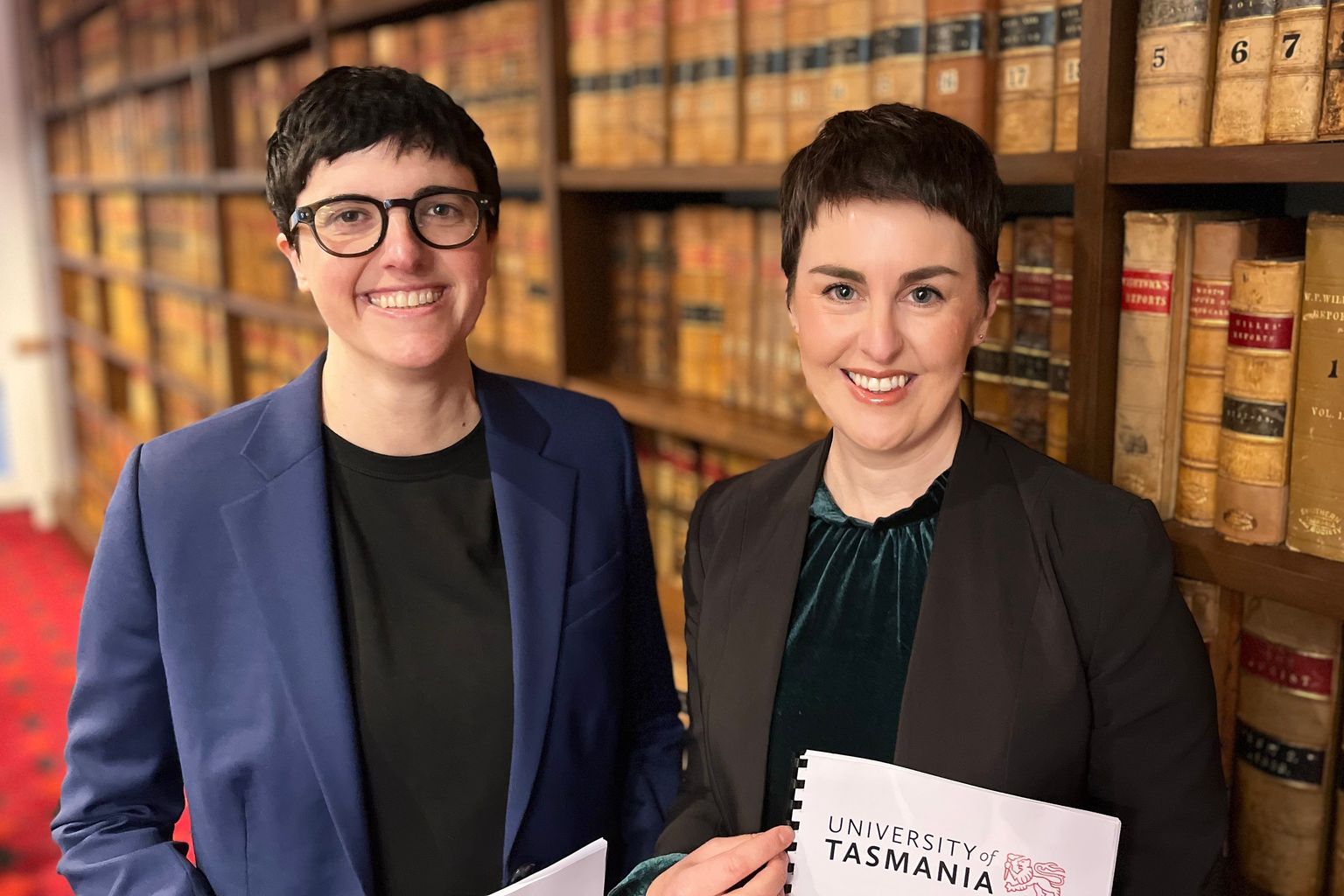
The Justice Needs Lawyers: Solving Tasmania’s Criminal Law Shortage report, released this month, draws on a survey of 211 current and former practitioners, as well as focus groups and interviews.
It found money was the single biggest reason people left.
71% of current criminal lawyers named poor financial reward as one of the job’s worst features. Poor work-life balance came next, at 56%.

Legal aid pays criminal lawyers about $160 to $180 an hour, compared with private firm rates of between $220 and $880.
Lead author Yvette Maker said the workforce was under “significant strain”.
“Pressures on lawyers and legal agencies, services and firms are flowing through to the courts, government services and the wider community,” she said.
The report also raised concerns about the safety of lawyers visiting clients in prisons and court cells, particularly women, as well as the mental toll of the work.
It makes 20 recommendations, including higher legal aid funding, a formal mentoring program for early-career lawyers, a funded graduate program and better access to mental health support.
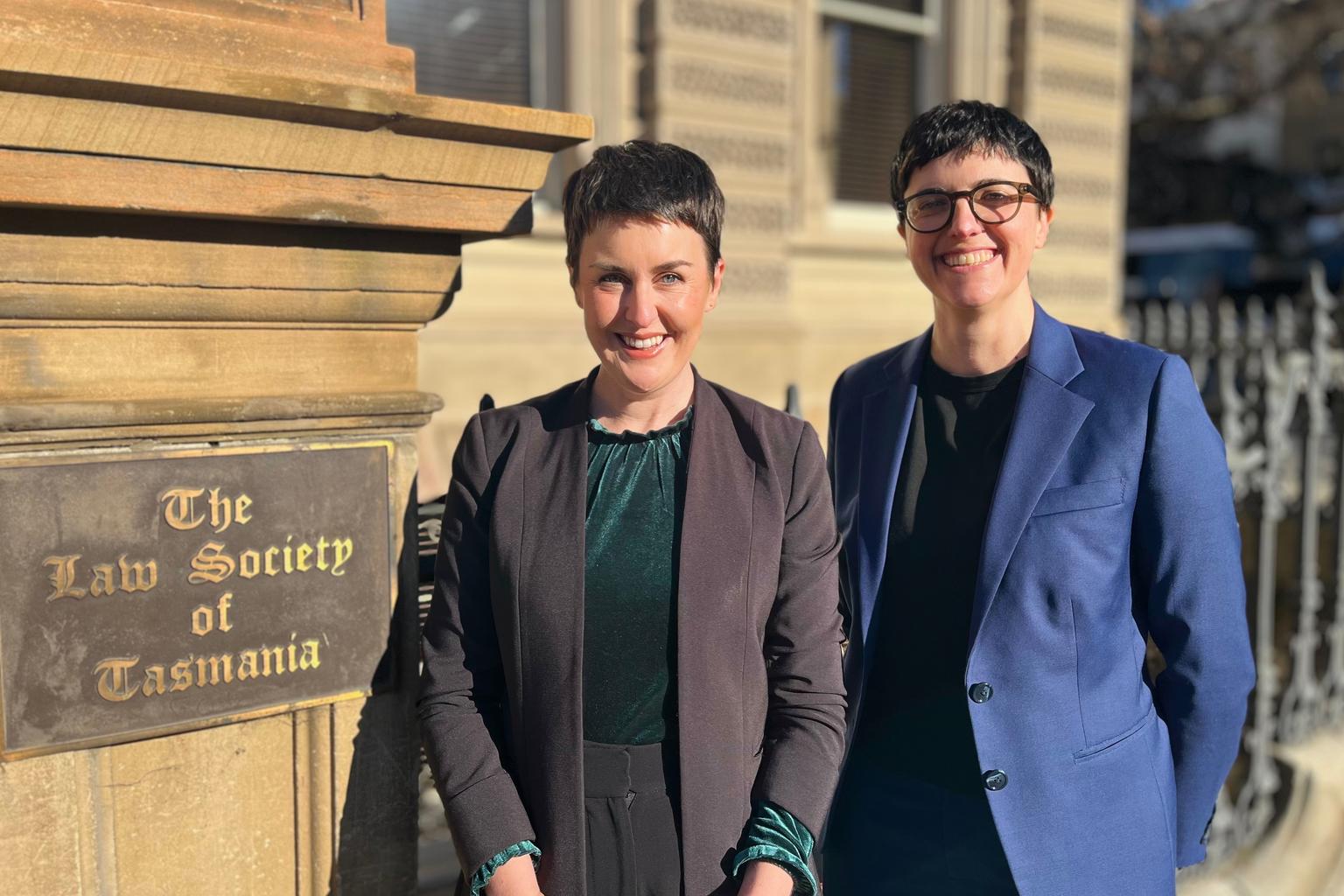
Law Society of Tasmania president Amelia Higgs said the findings should be a wake-up call for the state government.
“This research confirms what many in our profession have long suspected,” Higgs said.
“Talented, committed lawyers want to do this work, but the system is making it harder and harder for them to stay.”
She said the consequences would be felt well beyond the profession.
“It is ultimately the community and often our most vulnerable members of society, who are worst affected by these issues,” she said.
Maker said the problem could not be left to fester.
“If not addressed, these issues will continue to inhibit the proper functioning of the criminal justice system and put access to justice for all Tasmanians at risk,” she said.
The Law Society says it will take the report to the government and push for the recommendations to be adopted.