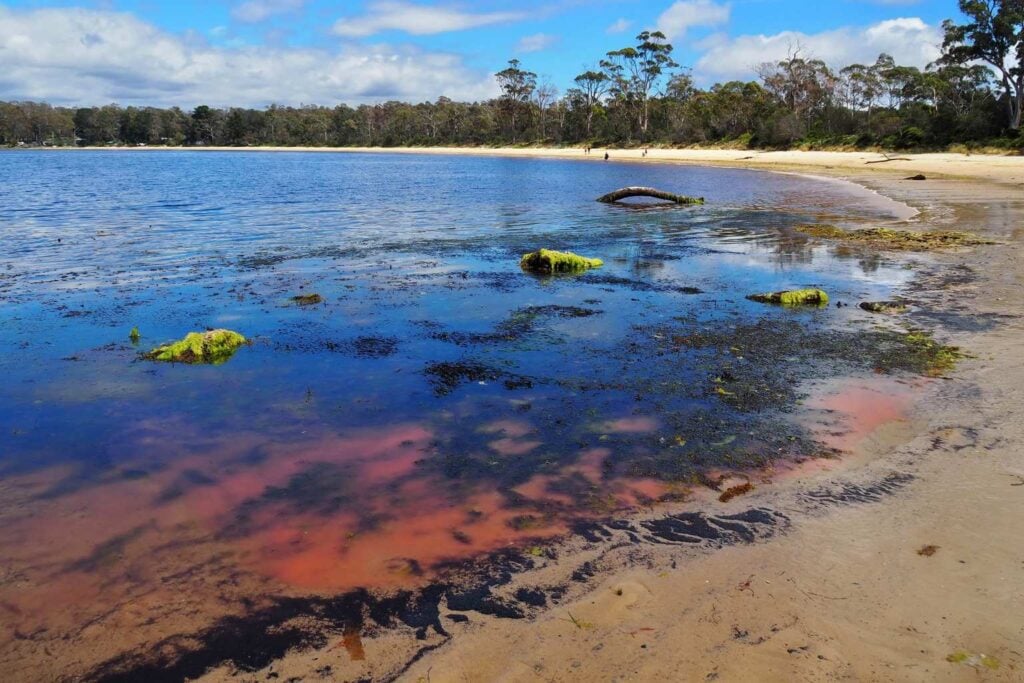
An accumulation of pink sludge has appeared across multiple waterways in southern Tasmania, prompting fears of an algal bloom developing in the region.
Environmental group Neighbours of Fish Farming reported the first sightings of the suspected algal bloom in Randalls Bay on Friday.
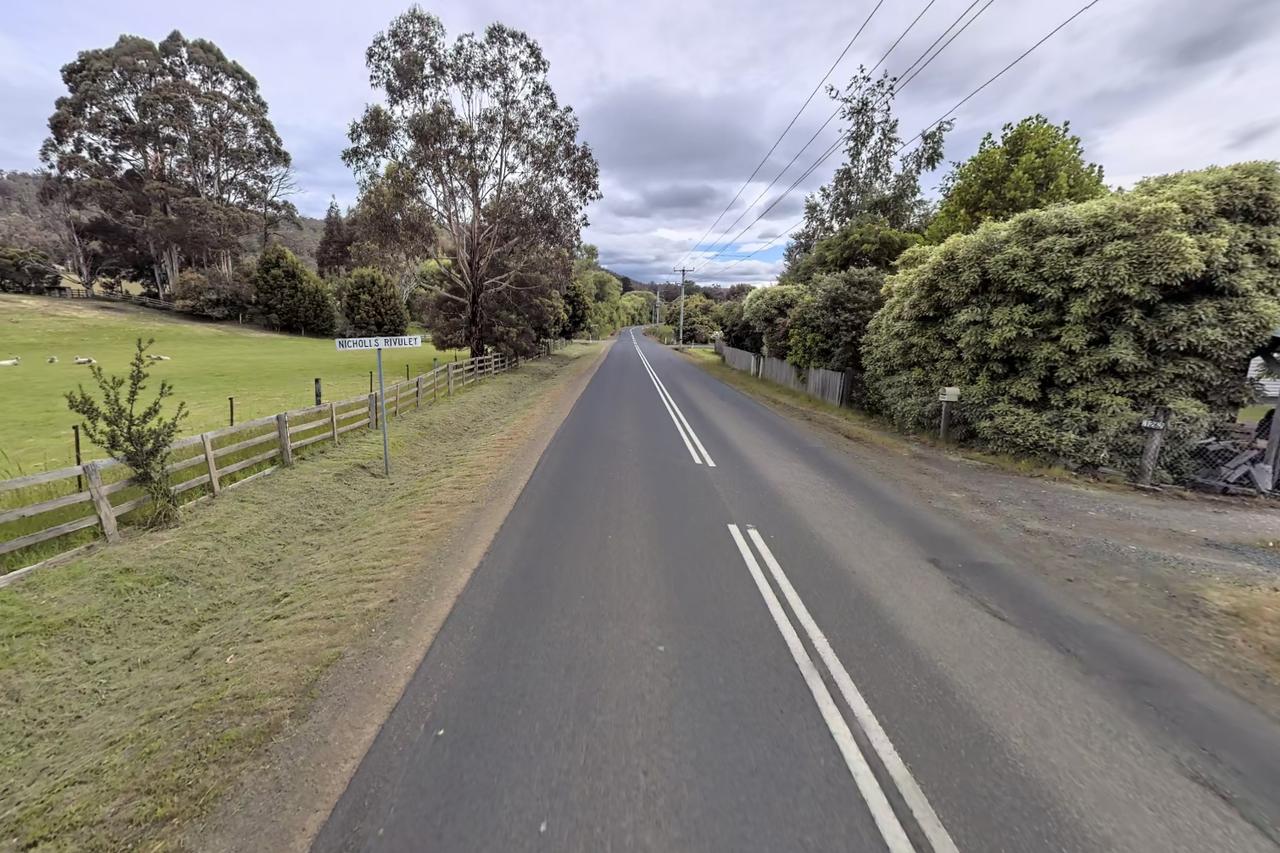
Subsequent reports emerged from Little Roaring Beach, Eggs and Bacon Bay and other locations along the Huon Channel.
The salmon-pink substance is believed to be notiluca scintillans, a marine phytoplankton known for causing bioluminescent displays at night.
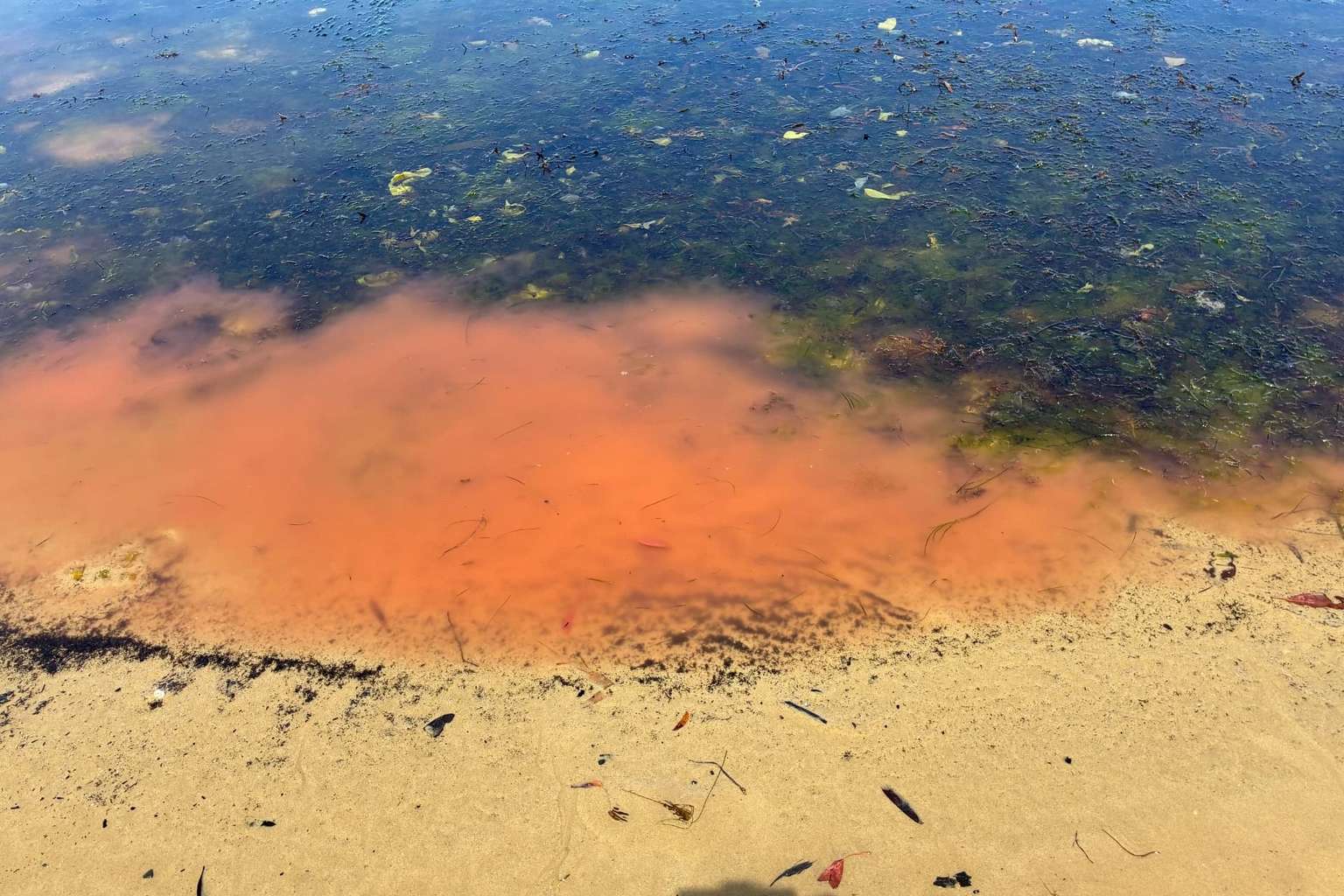
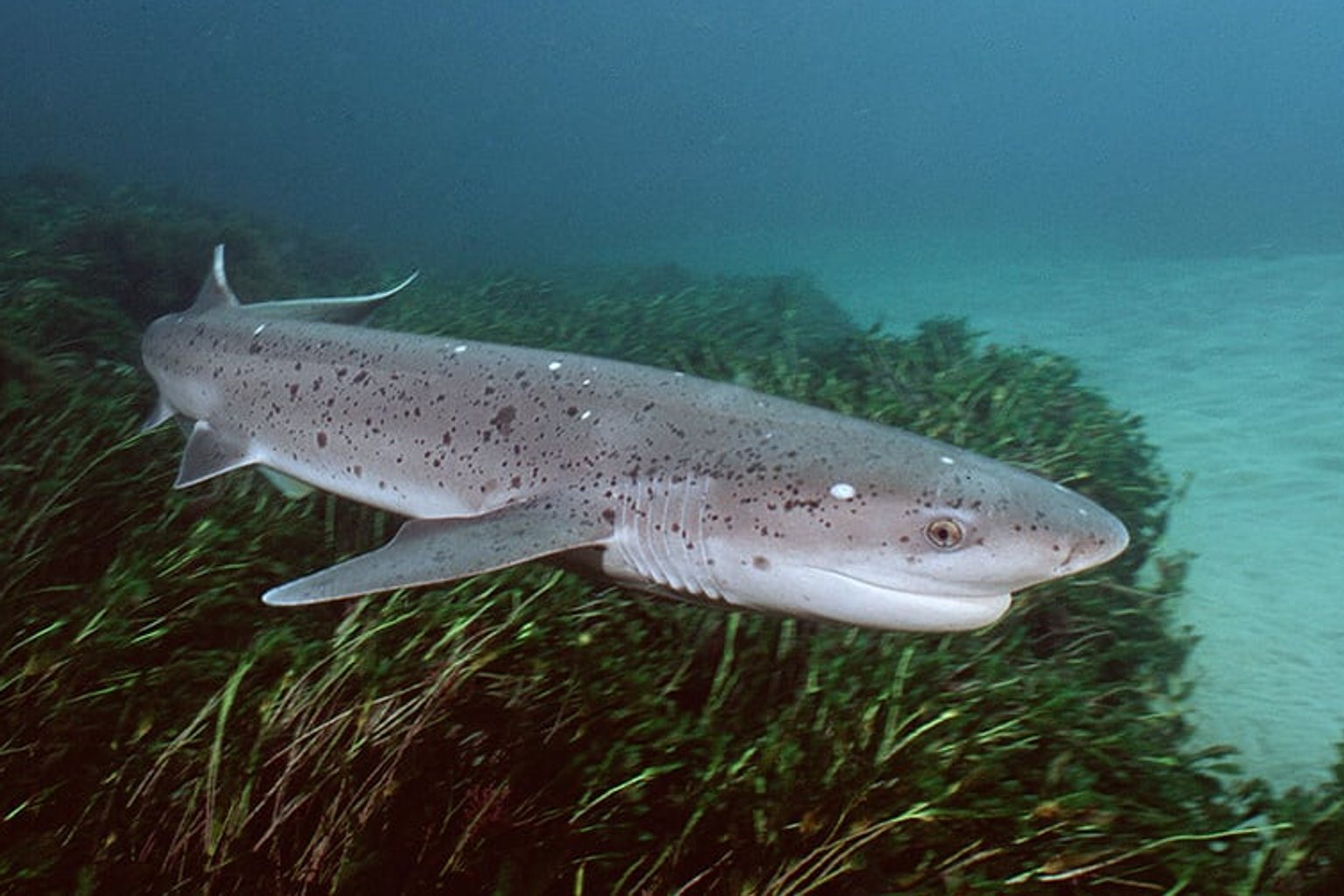
Neighbours of Fish Farming claim dead marine life, including sea cucumbers, octopuses and crabs, have accompanied the sightings.
Independent MP Peter George described the situation as a “clear and present danger” to marine ecosystems, tourism and Tasmania’s reputation, calling on the premier to take action.

“Mr Rockliff can no longer turn his back on growing warning signs that the health of the waterways is in serious jeopardy,” George said.
Bob Brown Foundation Marine campaigner Alistair Allan has called for immediate government intervention.
“These algal blooms and dead sea creatures are a harbinger of things to come as the water gets warmer in Tasmania,” Allan said.
“Urgent action is required from Premier Rockliff to reduce the nutrient loading of Tasmania’s waterways.”
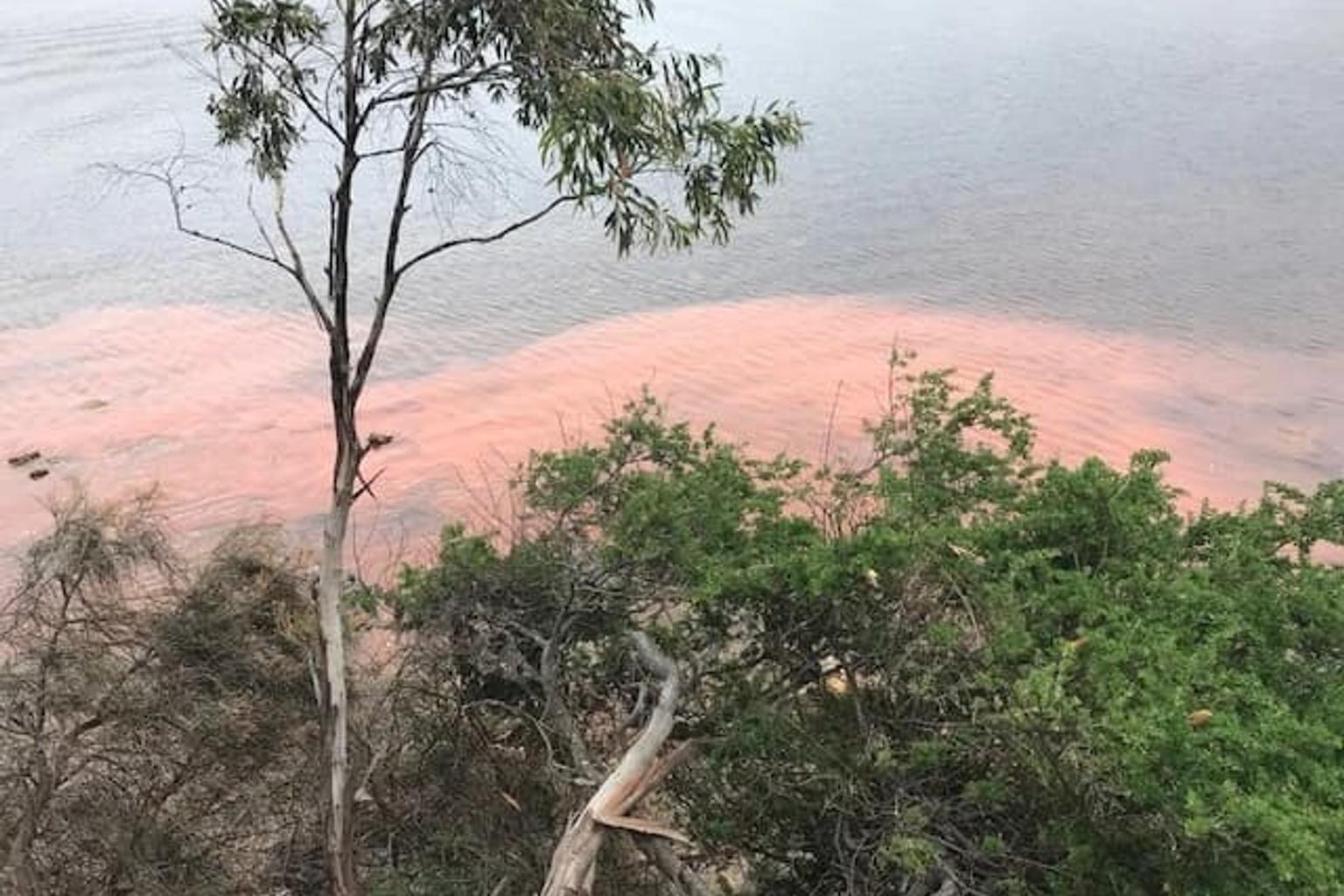
The Environmental Protection Authority and Natural Resources and Environment Tasmania is currently examining water samples from affected area.
Minister Jane Howlett has urged caution against what she described as “scaremongering from Bob Brown”.
“We know that algal bloom is a naturally occurring. It can occur due to lack of nutrients, due to temperature etc in the water and light,” Howlett said.
“We will await the testing from NRE and then we’ll have more to say.”