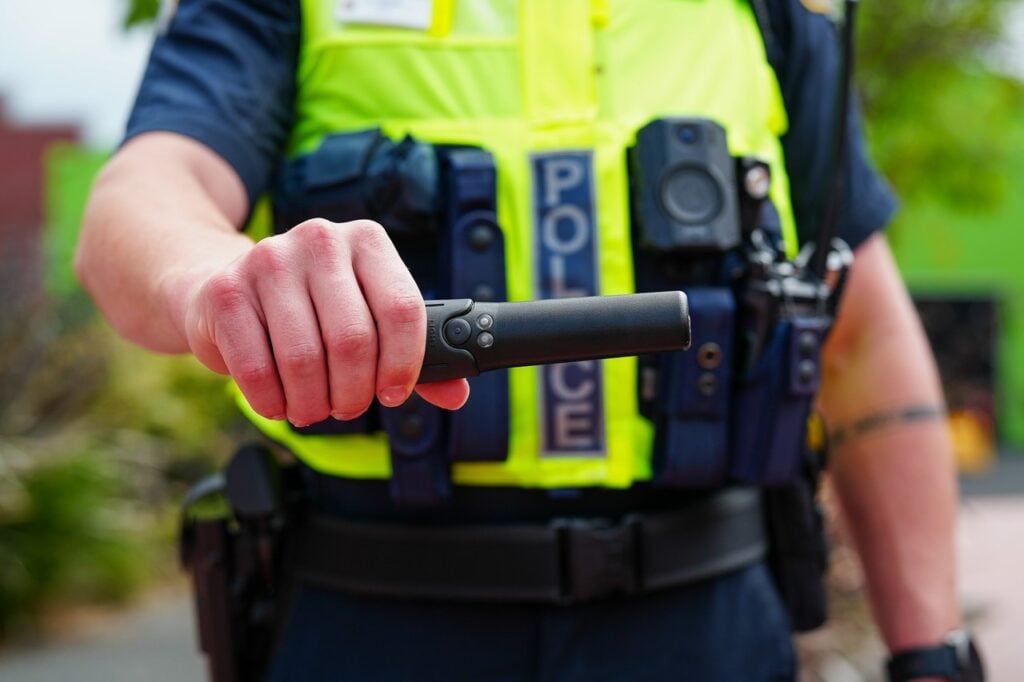
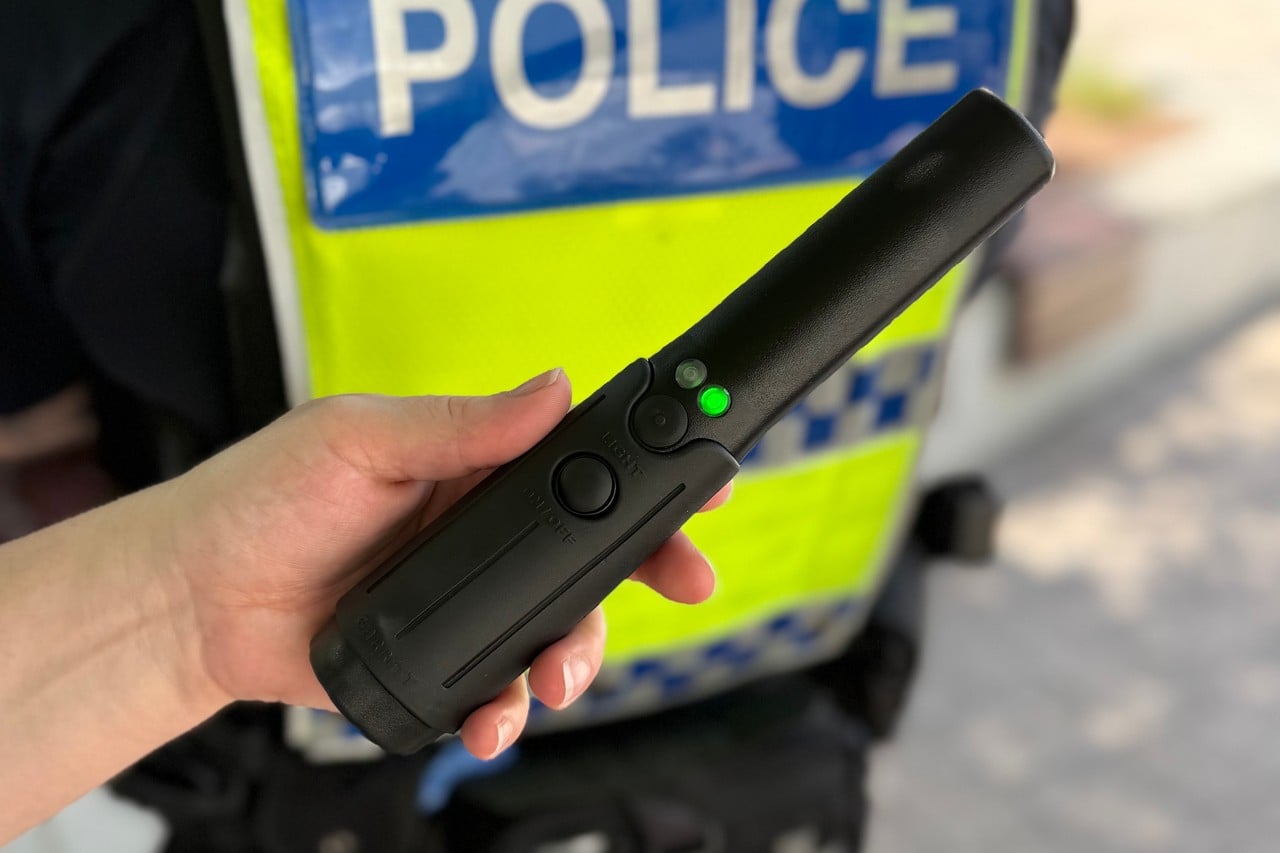
Tasmania Police have completed the statewide rollout of more than 300 metal-detecting wands, months after a budget dispute delayed their deployment.
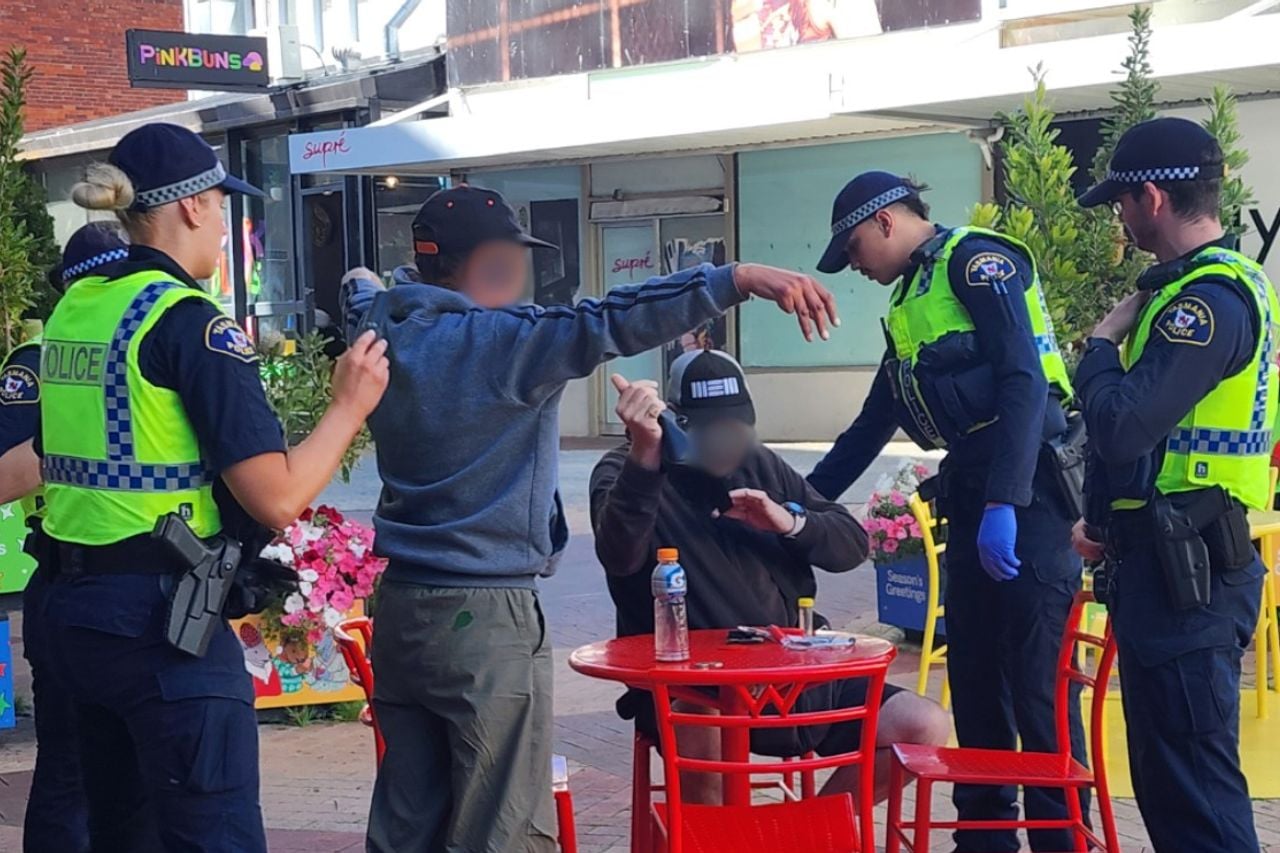
The handheld devices will be used by frontline officers patrolling shopping centres, nightlife precincts and public transport hubs over the Christmas/New Year period.
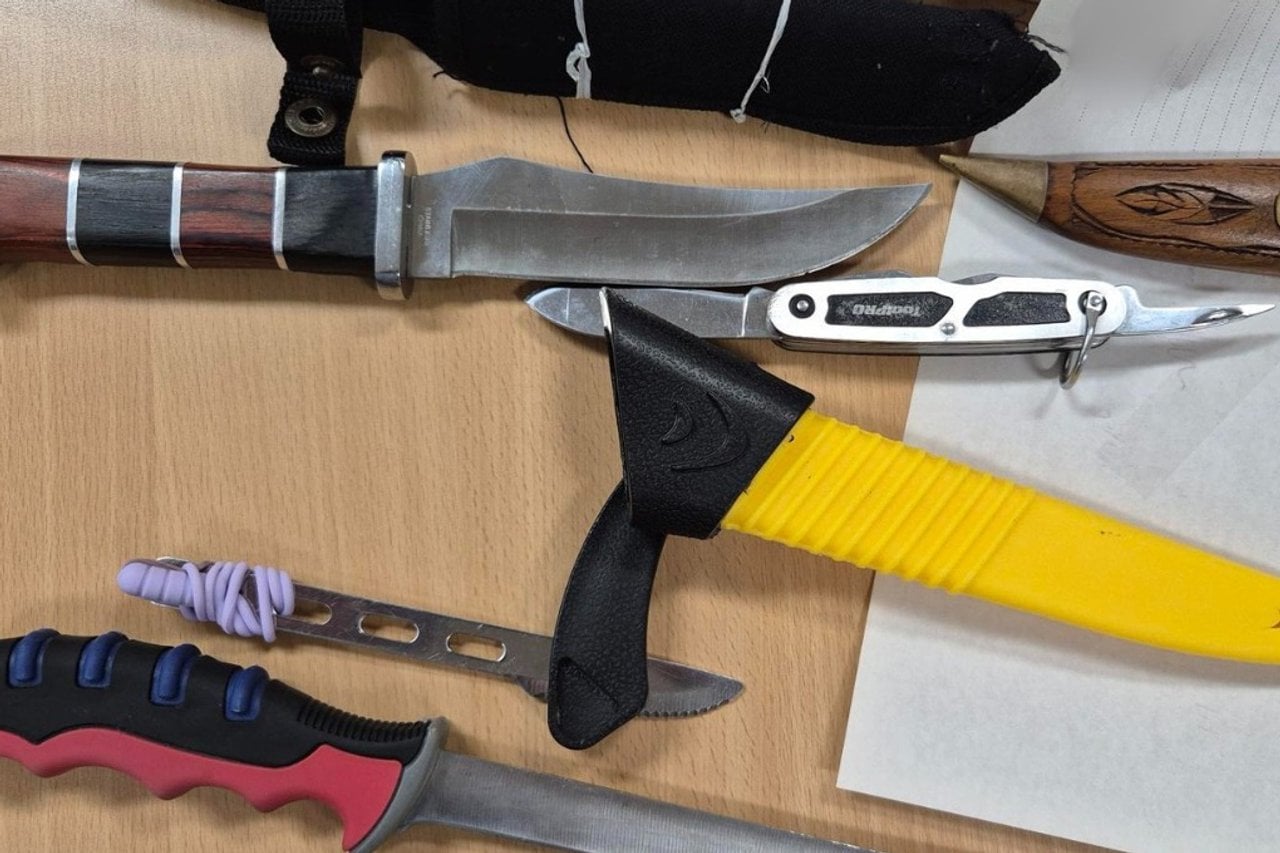
Since mid-June, police have conducted more than 820 searches using the wands, resulting in 29 weapons being seized and 20 people charged.
The items seized include knuckle dusters, blades, scissors, box cutters and knives.
Launceston Inspector Aleena Crack said the wands would be used primarily in city areas but would also be available to specialist units and country stations.
“Knives are the most common weapon used in crimes in Tasmania,” she said.
“If you’re carrying a knife and have no lawful reason to be doing so, then you can expect to be caught.”
“Using wand technology allows police to conduct searches more efficiently and with greater safety for both our officers and the public.”
A four-month trial that ended in April found one in four searches uncovered a weapon, with 54 items seized including 42 knives.
The rollout was delayed by funding issues after the failure of a state budget containing a $3.7 million allocation for the program and subsequent election.
In October, frustrated knife-crime reform advocate Laraine Ludwig launched a fundraising campaign to buy wands for police after a young man was fatally stabbed near Salamanca Place.
Ludwig, whose son Reid was killed in a knife attack in 2019, had questioned why officers were not already using the devices despite Reid’s Law coming into effect in June.
The legislation gives police greater search powers and doubles the maximum fine for carrying dangerous weapons.
Senior Sergeant Danny Jackson said police would be out in force over the festive period.
“Officers will be targeting anti-social and reckless behaviour and any illegal activities,” he said.
“Tasmania is a safe place to live and to visit and we know that most people will do the right thing.”
“Unfortunately, there is a small number of people who do not.”