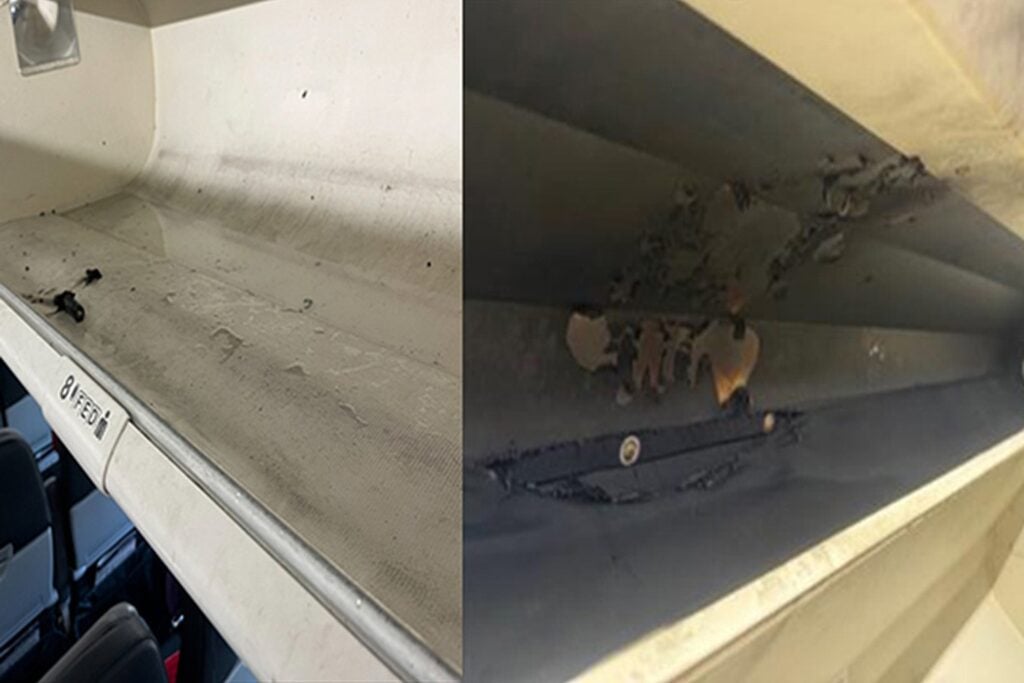
A routine Virgin Australia flight to Hobart turned dangerous when a passenger’s power bank exploded in an overhead locker, filling the cabin with smoke and flames just minutes before landing.
The incident, first reported by Pulse, occurred on July 21 as the Boeing 737 descended towards Hobart Airport with 149 passengers and six crew on board.
Cabin crew heard popping and hissing sounds before spotting white smoke and flames erupting from a locker above row seven.
Inside was a passenger’s backpack, engulfed in fire.
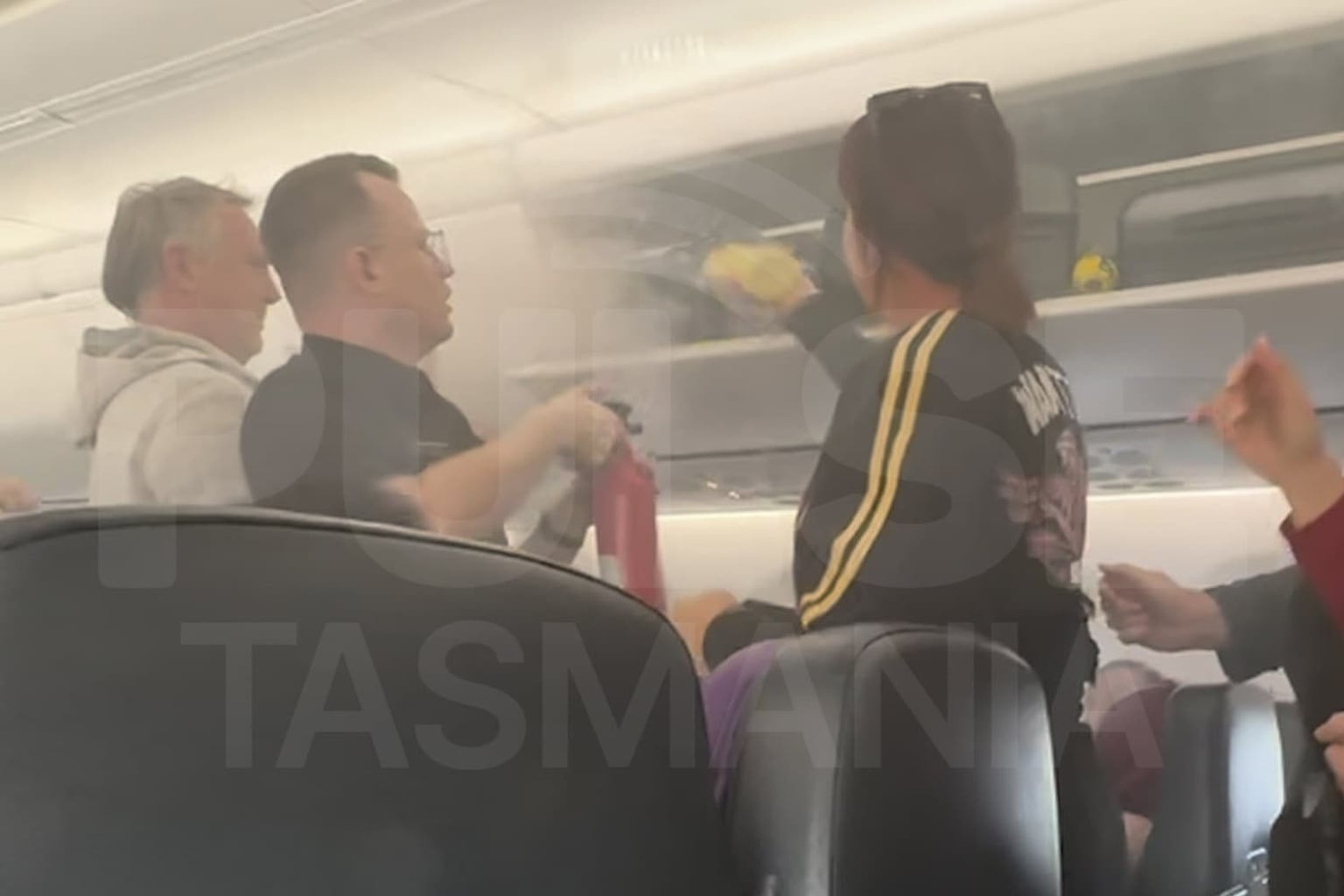
Crew extinguished the blaze with fire extinguishers and water while pilots declared a PAN PAN emergency and received priority clearance to land.
All passengers and crew evacuated safely.
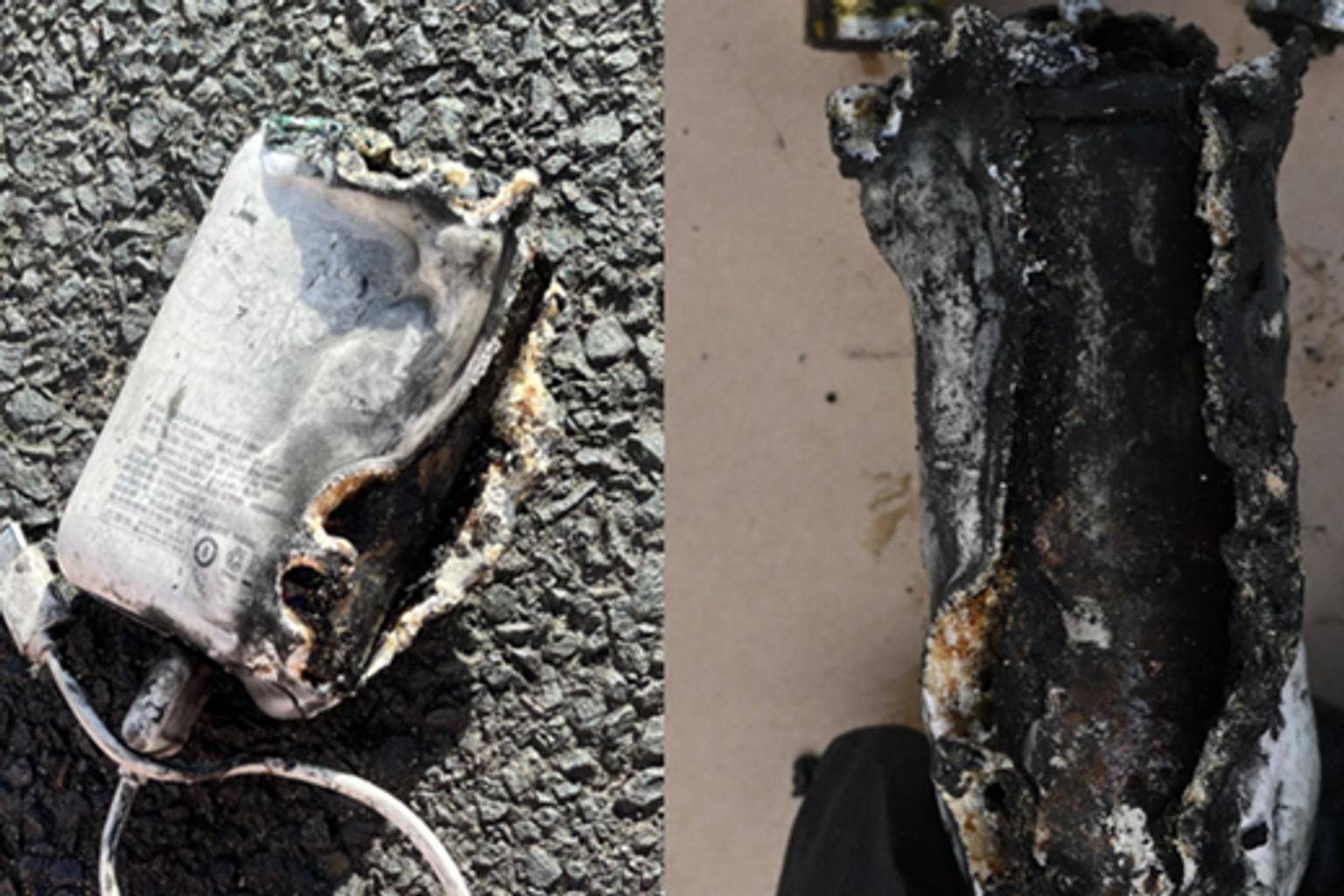
The Australian Transport Safety Bureau’s final report, released this week, found the power bank’s lithium-ion battery had experienced thermal runaway – a phenomenon where batteries rapidly overheat and ignite.
“Lithium battery thermal runaways and fires are difficult to manage, particularly in aircraft in flight,” ATSB chief commissioner Angus Mitchell said.
The investigation found crew were unable to complete the airline’s full battery fire procedures because the emergency occurred just 10 minutes before touchdown, when they were also responsible for securing the cabin.
Two crew members tried using protective breathing equipment but found it ineffective due to fitment problems, leaving them exposed to smoke inhalation.

The incident has prompted sweeping changes across Australia’s major carriers.
Virgin Australia, Qantas and Jetstar have all introduced new policies requiring passengers to store power banks and spare batteries in seat pockets, under seats or on their person – not in overhead lockers.
“All passengers have a responsibility to ensure their lithium battery devices are packed safely and they are easily accessible in the cabin,” Mitchell said.
He urged travellers to check the Civil Aviation Safety Authority’s Pack Right website before flying and leave damaged devices at home.

“In-flight fires pose a significant risk to the safety of an aircraft if not managed quickly and appropriately,” he said.