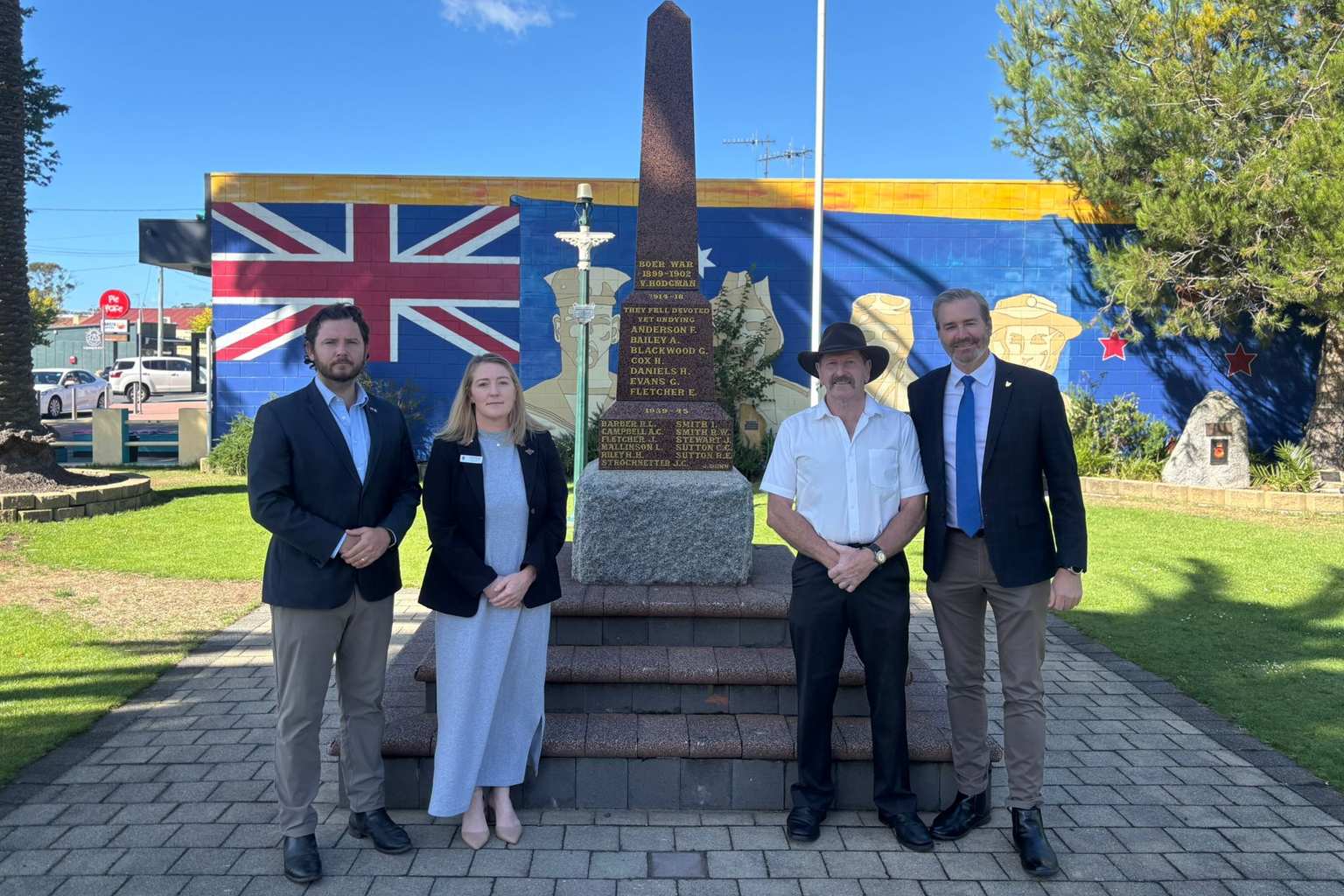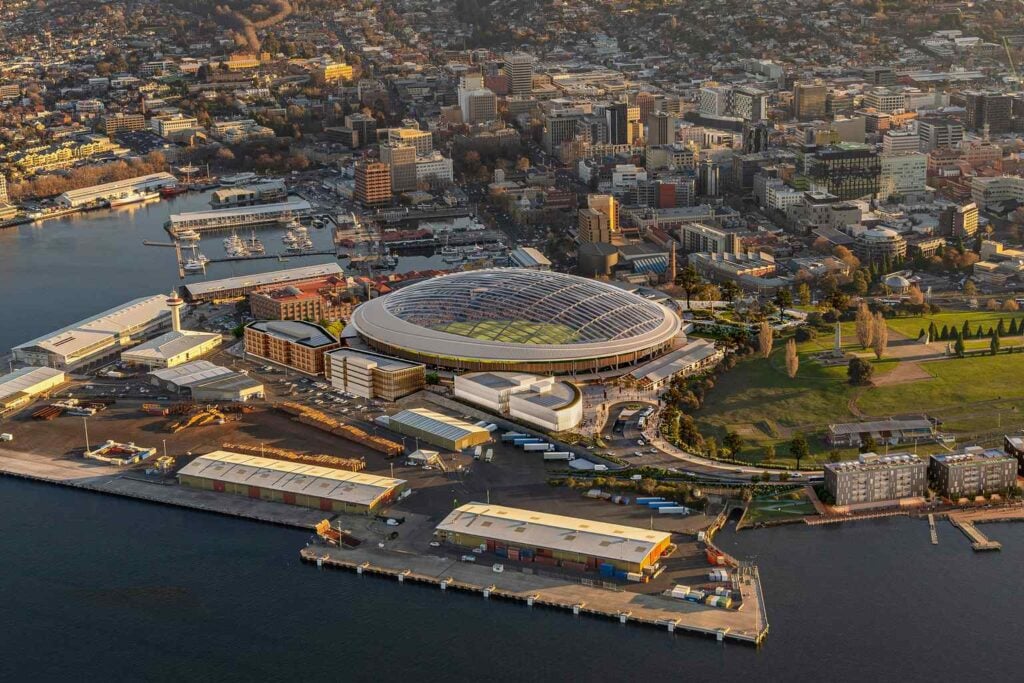
Hobart’s acting lord mayor says the city must respect parliament’s decision to approve the Macquarie Point stadium, but has vowed the council will rigorously enforce planning conditions on the $1.13 billion project.
Zelinda Sherlock spoke on Friday morning, just hours after the Legislative Council passed the stadium order nine votes to five during a late-night sitting.
“The decision has now been made and the City of Hobart now sits on the precipice of massive change,” she said.
“The impact of the stadium will have a massive and significant impact on the city and while we can appreciate that the endorsed decision of the City of Hobart was to oppose the stadium, we understand the decision that has been made by the Legislative Council.”
The council voted to formally oppose the stadium in April, arguing at the time that the negative impacts outweighed the benefits.

Concerns included potential heritage damage, environmental issues and what councillors described as flawed planning processes.
This was despite an independent report commissioned by the council which found the stadium could generate $178.9 million in annual economic activity.
Sherlock said the council’s focus would now shift to compliance and oversight.
“We have to respect that decision. We have to respect that outcome,” she said.
“And as a result of that we will try to the best of our ability to ensure that those compliance, regulatory and enforcement frameworks that are within the order of the stadium will be complied with.”
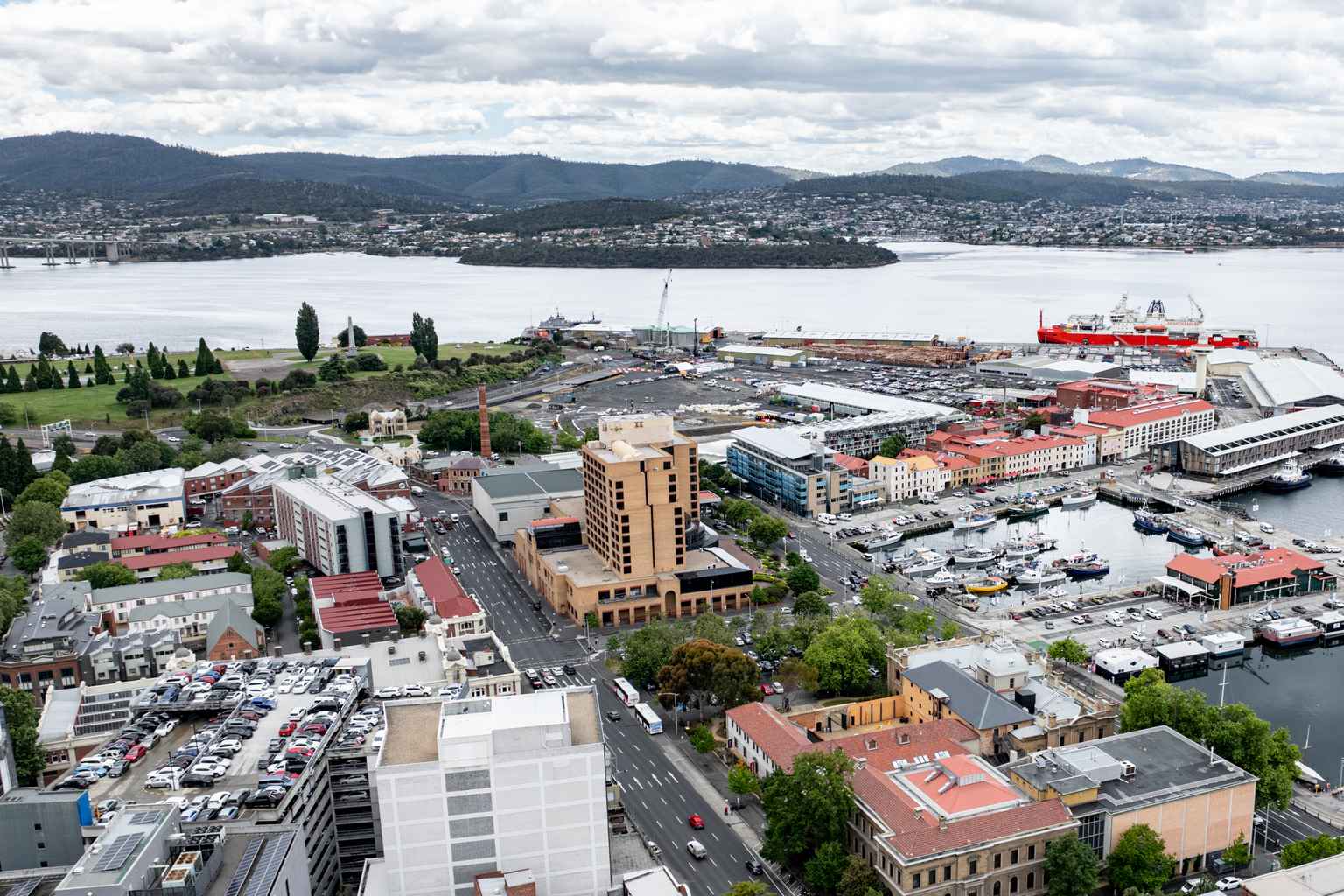
Under the order, the council will be responsible for managing noise, traffic, lighting and heritage matters.
A memorandum of understanding with the state government is expected to be finalised in the coming weeks.
When asked whether the council now regretted its opposition, given the project passed both houses of parliament, Sherlock stood firm.
“We as a council endorsed a position that was based in evidence,” she said.
“It was based in evidence from our qualified staff, it was based in evidence around various different reports that had come to us and the individuals who said no to the stadium made their decision based on that evidence.”
“The council endorsed position is that we oppose the stadium on the evidence.”
The stadium has been a hot topic in Tasmania since it was first floated and Sherlock acknowledged that community sentiment remains raw.
“Those who were against the stadium are clearly disappointed and understandably disappointed. Let’s not take that away from them because on the evidence we can understand that disappointment,” she said.
“There are of course individuals who are elated by this decision and that’s okay too.”
“What we need to do now as a state is come together and we need to work together in the best interests of the state.”
The 23,000-seat roofed venue will become the home ground of the Tasmania Devils when the club enters the competition in coming years.
Construction is expected to begin next year, with the venue scheduled to open in 2029.