The Productivity Commission has recommended the federal government wind back the 2018 GST changes, backing a position Tasmania’s parliament adopted unanimously earlier this year.
The commission’s interim report, released on Friday, found the reforms achieved almost none of their objectives and cost taxpayers almost $23 billion to 2024-25, more than four times what was projected.
It recommended returning to the pre-2018 system with targeted changes to deal with states that dominate a single revenue source, such as mining.
Before 2018, every state received enough GST to meet 100% of its assessed needs. In 2024-25 Western Australia reached 113%, compared with 98% for all other states.
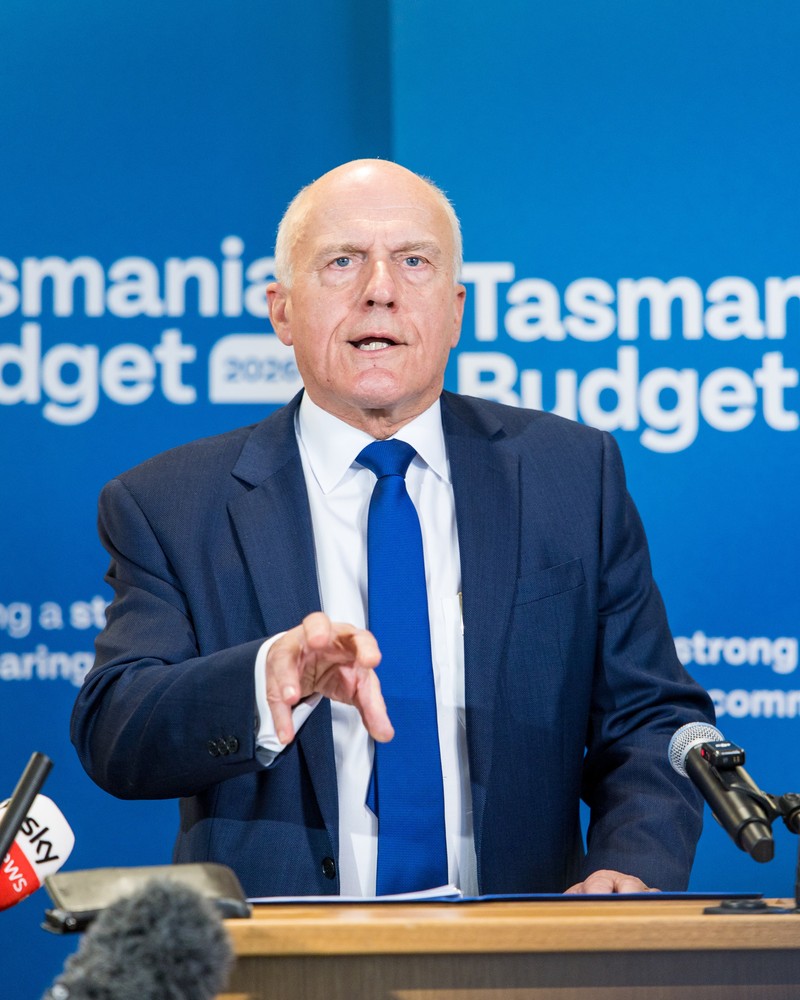
Treasurer Eric Abetz said Tasmania’s position had not changed and the state wanted full horizontal fiscal equalisation restored.
“We will fully analyse the interim report and make a further submission to back in fairness and equity for Tasmania’s sustainability,” Abetz said.
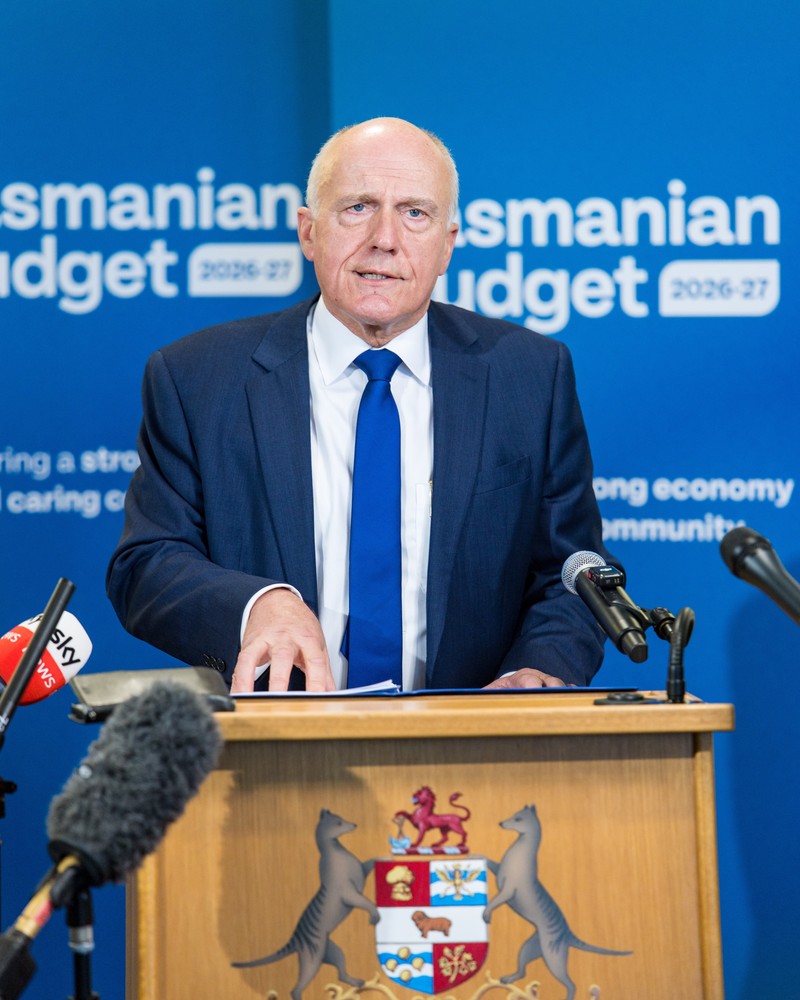
“Tasmanians must once again speak with one voice as we did in our initial submission which has seen a substantial adoption of Tasmania’s input.”
Abetz said that without a return to the old system, Tasmania’s GST revenue could fall by up to 15% a year, a loss of up to $530 million based on 2024-25 figures.
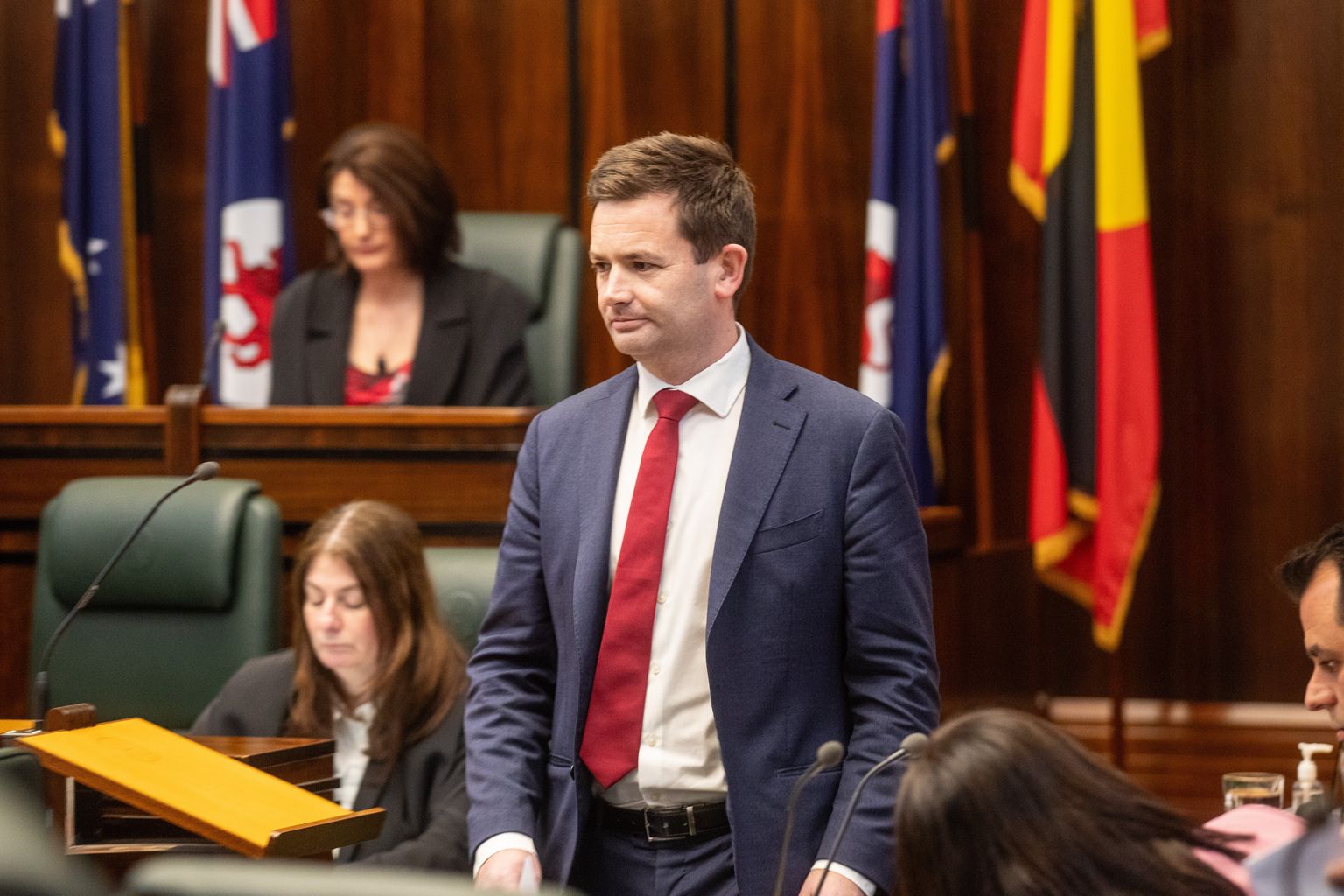
Shadow Treasurer Dean Winter said the Liberals backed the 2018 deal and told Tasmanians it would leave the state $112 million better off.
“And now, years later, they have quietly admitted they got it wrong,” Winter said.
Peter Gutwein, who was treasurer in 2018, put the $112 million figure on top-up payments spread across six years. Successive Liberal treasurers have campaigned to reverse the changes since 2021.
Winter said GST makes up 40 cents of every dollar the state government receives and pointed to record deficits, rising net debt and the state’s credit rating downgrade.
Federal Labor also supported the 2018 legislation.
Submissions on the interim report close on September 30, with the final report due to government by the end of the year.