Rail advocates are warning that a proposed access road for Hobart’s Macquarie Point stadium will permanently destroy any chance of restoring passenger rail to the city.
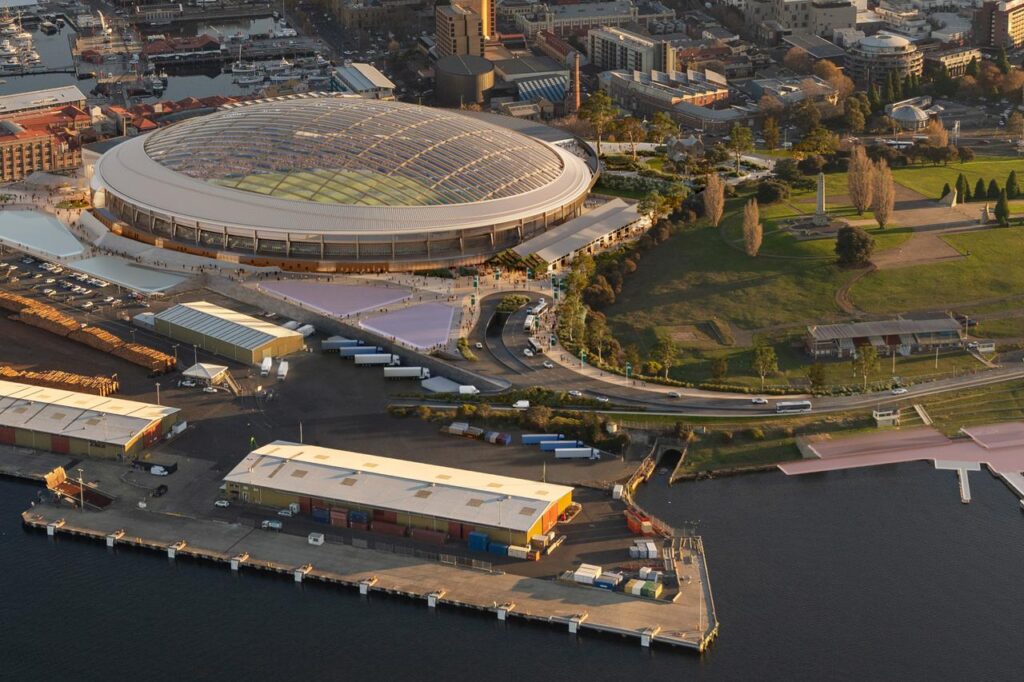
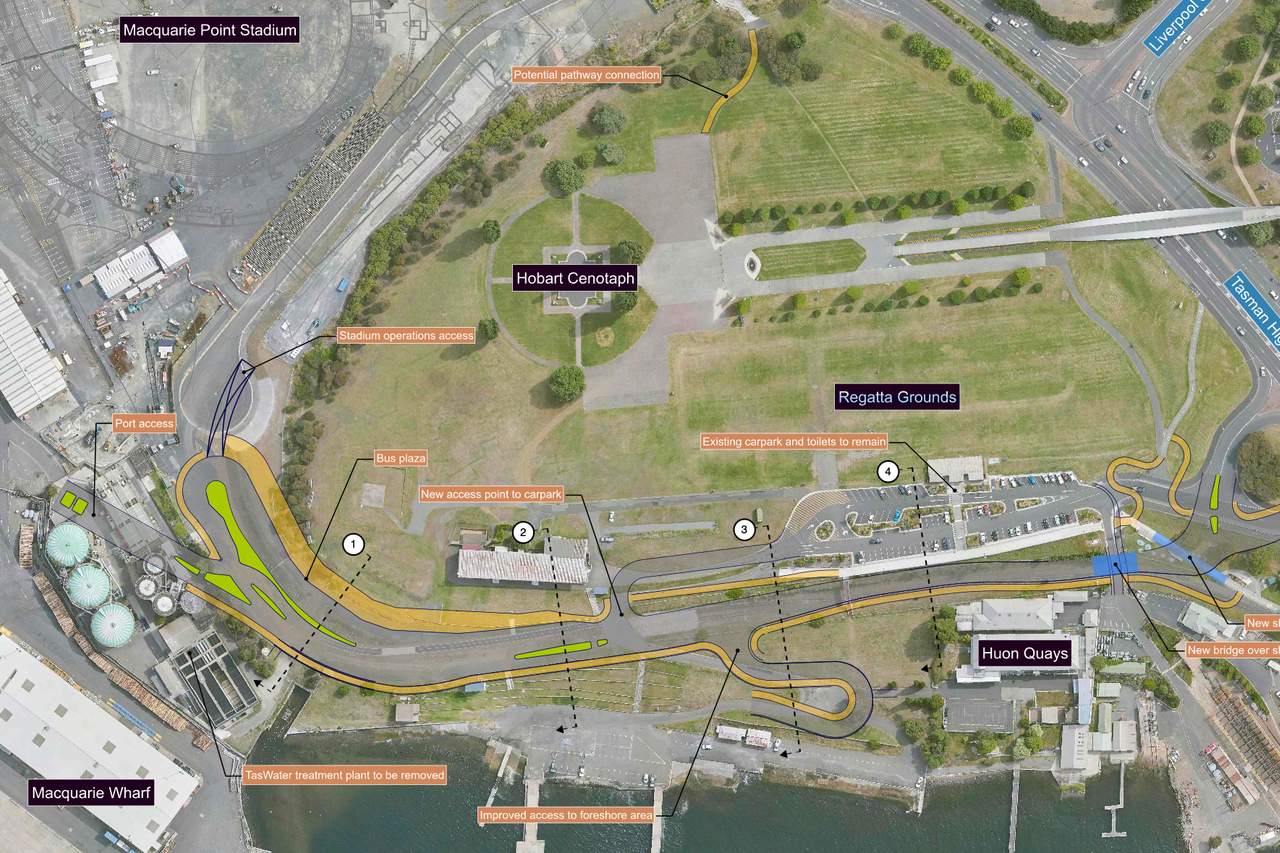
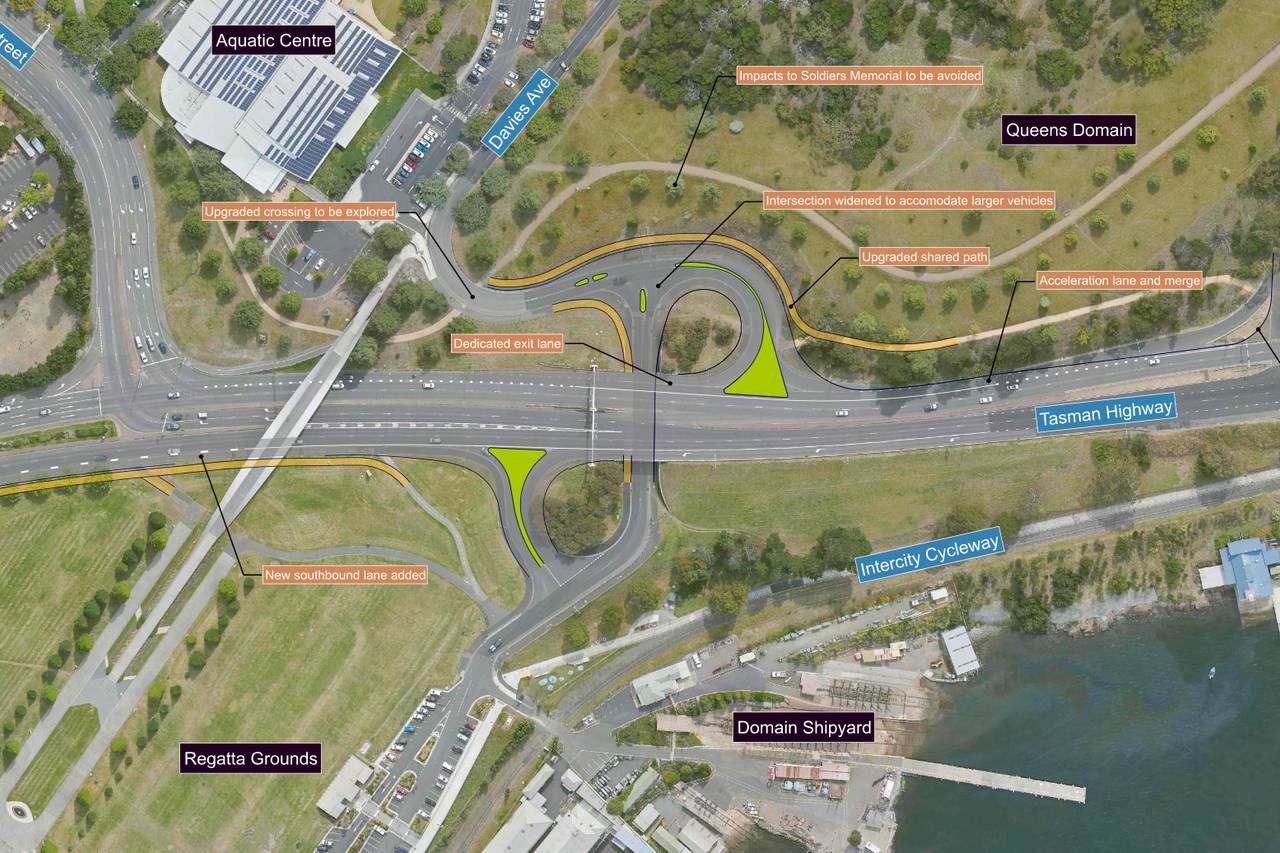
The state government today opened public consultation on the northern access road, which would run from the Tasman Highway around the Cenotaph to the planned multi-purpose stadium and port.
However, the project has drawn criticism from rail advocates, who say the road’s alignment over the disused South Line corridor would block future train services to the northern suburbs.
“Rail access into Hobart will be utterly destroyed,” the Hobart Northern Suburbs Railway group said.
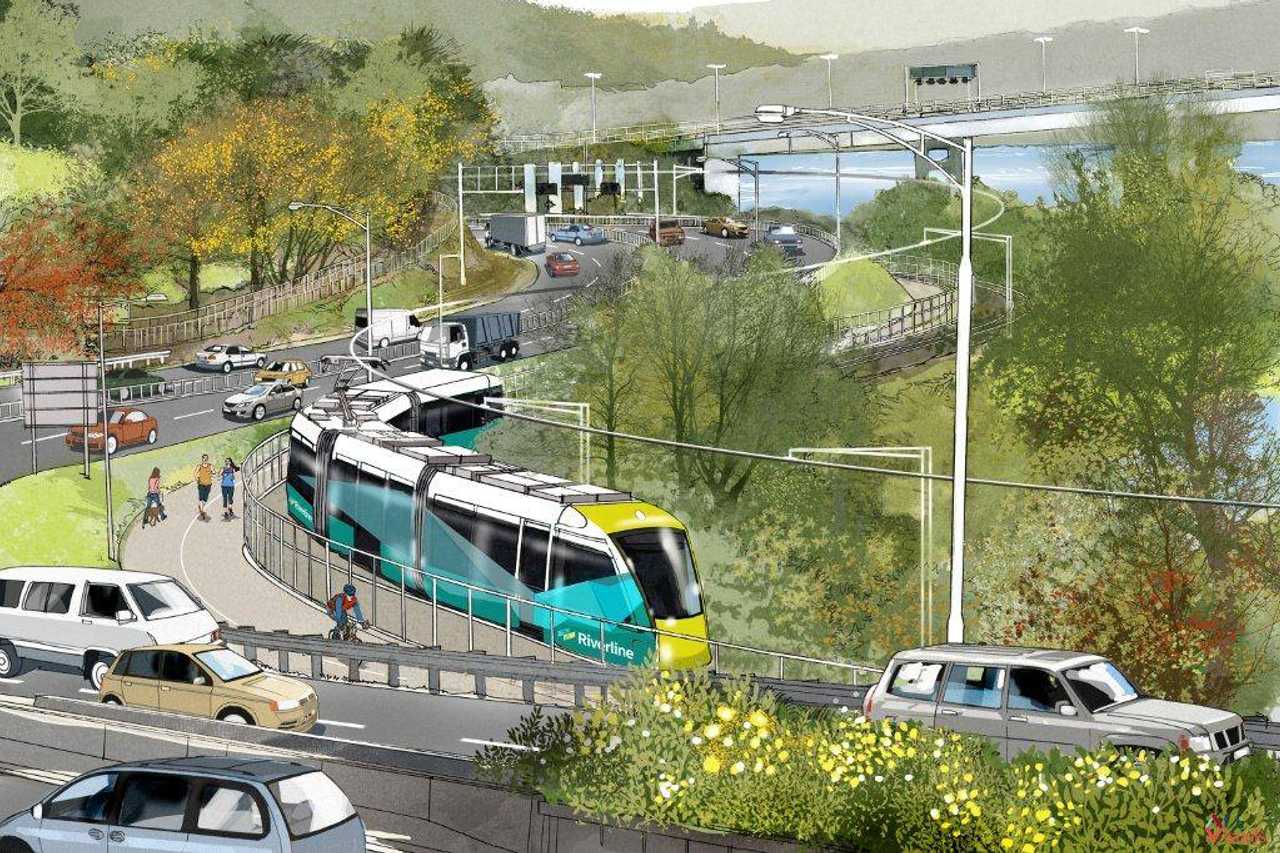
“This despite the fact that rail is far better at moving large numbers of people than buses.”
The group cited a government report showing rail would generate four times more jobs and development than a busway and argued the stadium would “fail without rail”.
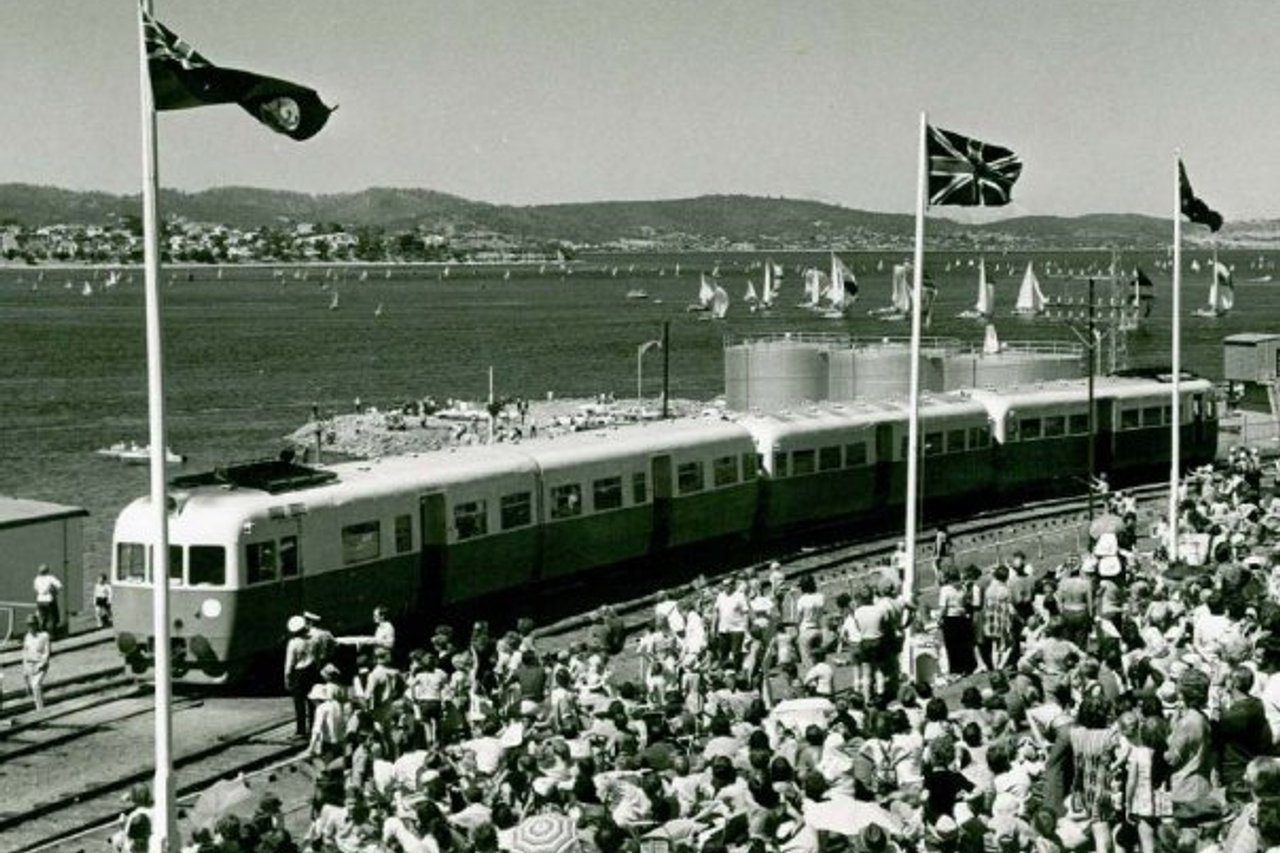
“… If we keep the railway then we have the opportunity for heritage rail to come back to Hobart and go all the way back through the northern suburbs.”
The Royal Hobart Regatta Association also voiced concern, posting that it supported “trains to Regatta just as it was” and that the planned road “removes that along with any opportunity for future Regattas”.
The government’s own project documents acknowledge the tension.
An FAQ released by the Department of State Growth states the road “overlaps with the disused South Line rail corridor at McVilly Drive”.
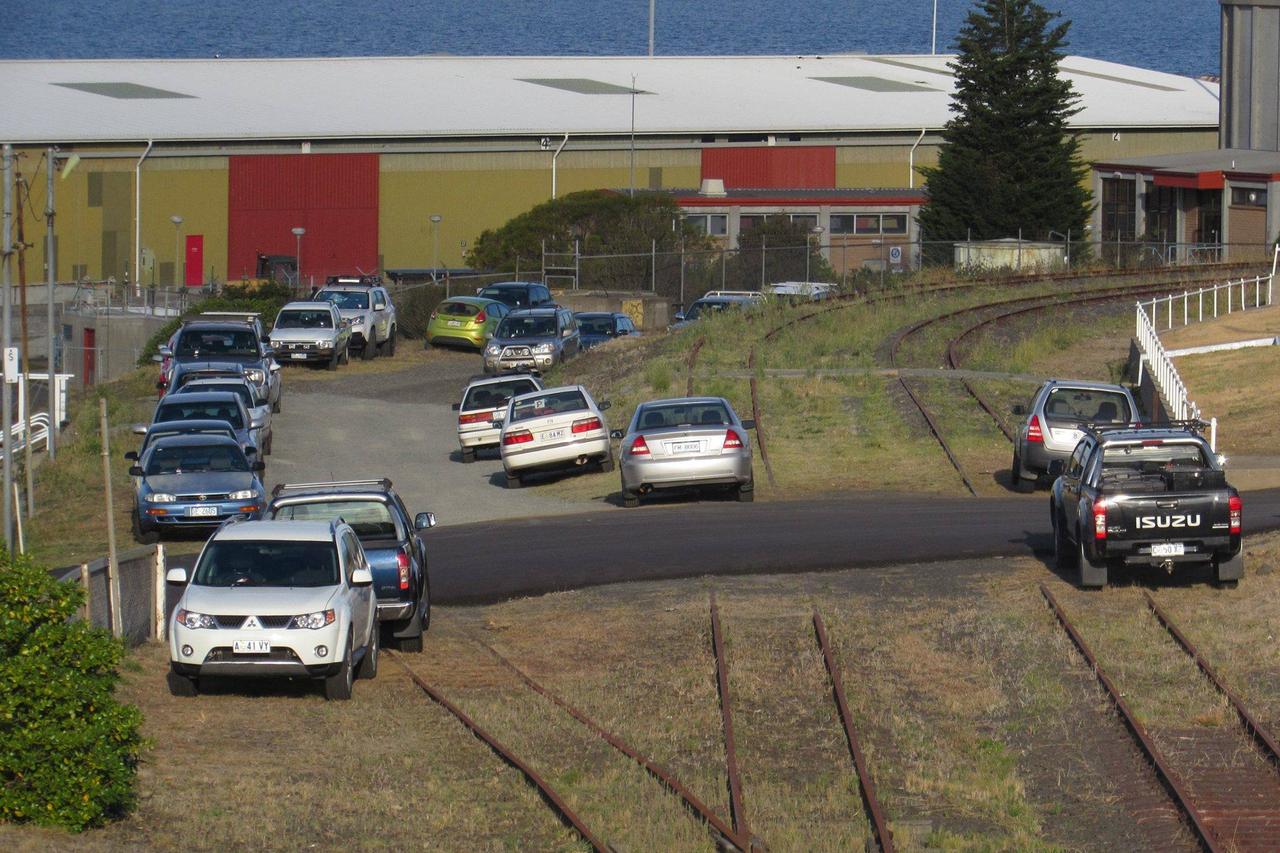
“It will be necessary to consider how the delivery of the project may affect activation of the northern suburbs transit corridor at this location,” the document states.
Despite this, the government appears to have already chosen buses over trains.
The FAQ notes it is developing a business case for a “rapid bus network” for greater Hobart, rather than rail.
Infrastructure and Transport Minister Kerry Vincent said the road was critical for the port and stadium precinct.
“The northern access road delivers a new northern entry point to the Port of Hobart and the future Antarctic precinct, as well as paving the way to deliver our stadium,” he said.
“Importantly, the design includes a dedicated bus plaza to enable public transport operations during major events ensuring they run smoothly.”
“The project team is currently engaging with key stakeholders to understand existing site uses, understand their concerns and look at ways to minimise impacts and improve serviceability.”
Construction is expected to begin in late 2026, with public consultation closing on February 22.