Tasmania’s birds of prey now have access to life-saving medical care through a purpose-built facility that has opened at Raptor Refuge in Kettering.
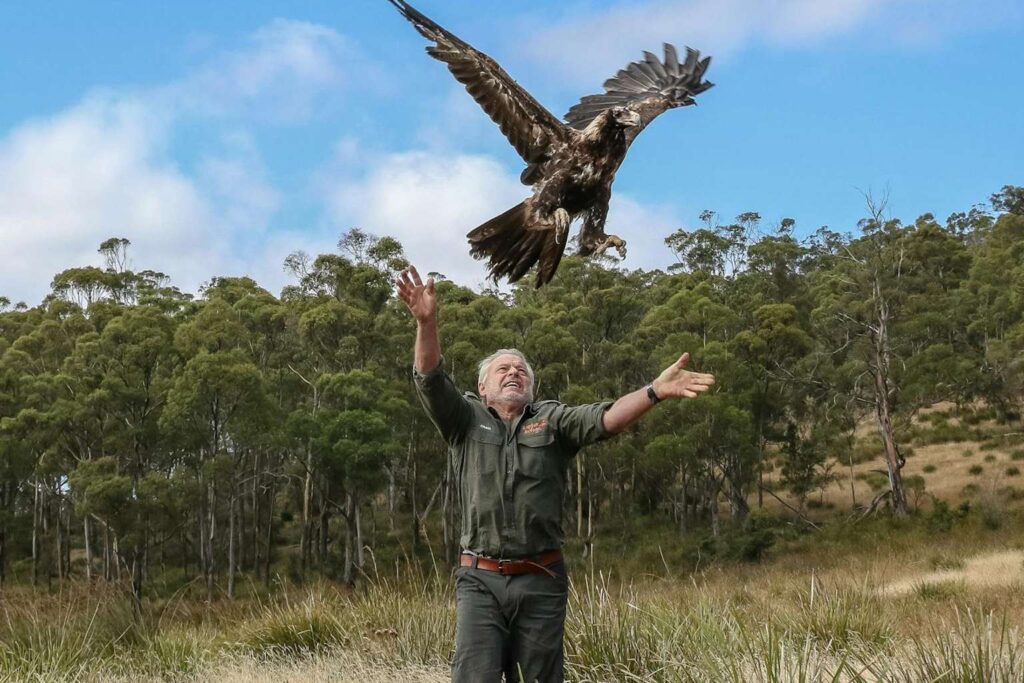
The new MedWing represents a major upgrade from the organisation’s previous operations in a small shed, marking what founder Craig Webb said is a turning point in wildlife rehabilitation for the state.
“For years, we’ve been providing critical lifesaving care in a small flat-pack shed,” Webb said.
“This new facility completely changes what’s possible for raptor treatment and recovery.”
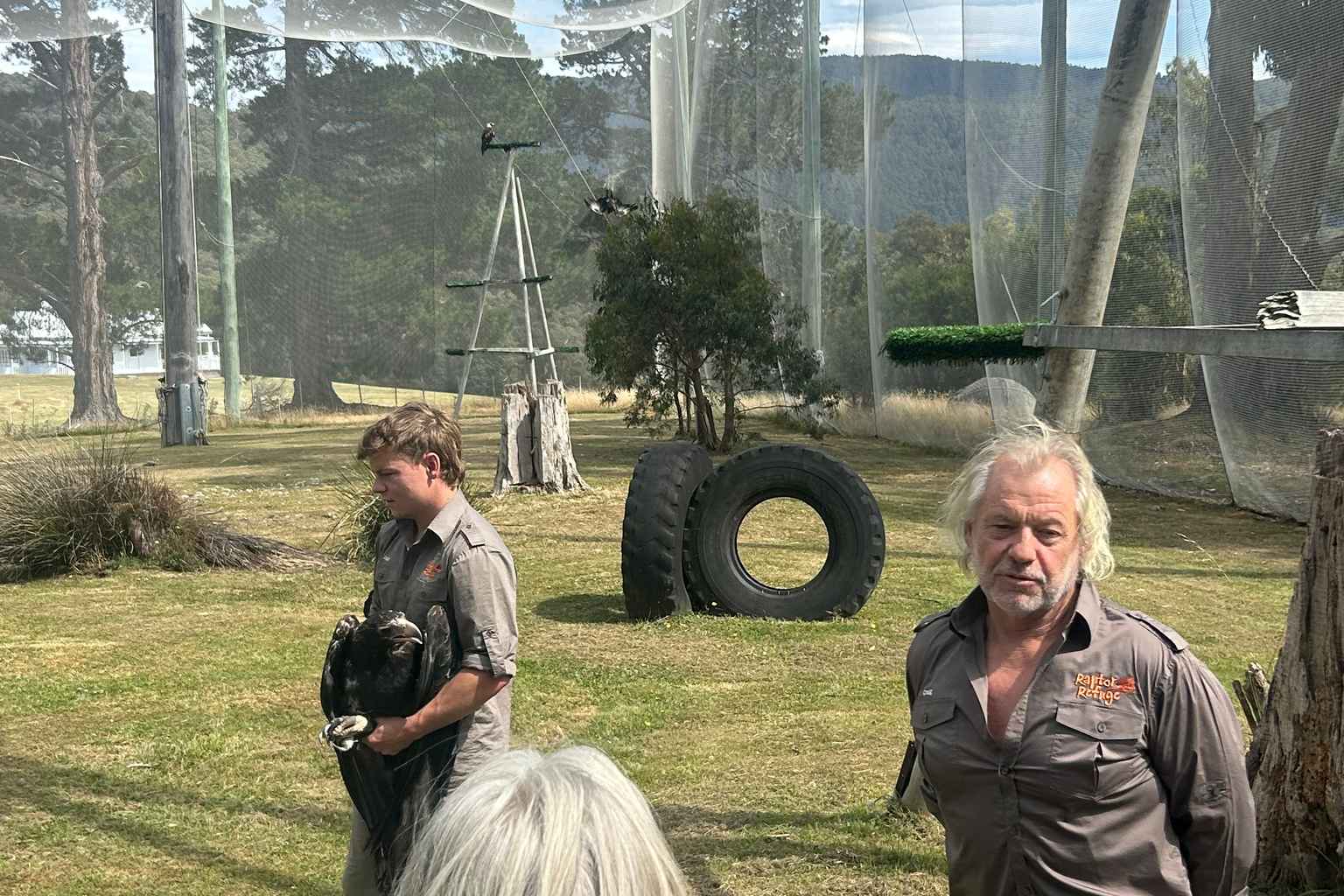
The MedWing is Tasmania’s only dedicated facility for raptor medicine and rehabilitation and includes advanced veterinary equipment, treatment bays and an X-ray machine.
It now allows injured birds to be diagnosed and treated immediately rather than transported elsewhere for care.
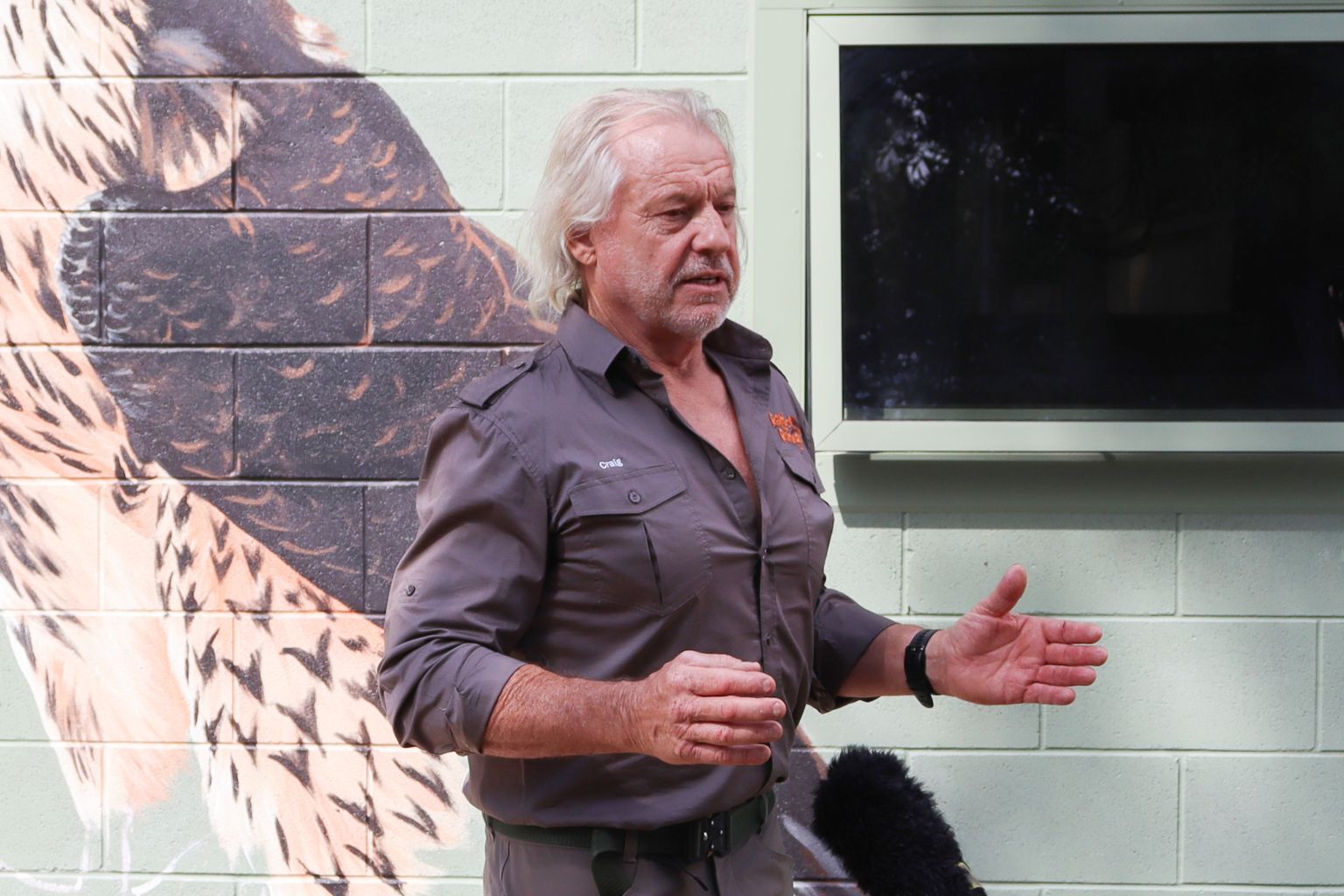
“Those extra hours matter,” Webb said.
“For an injured raptor, early diagnosis can mean the difference between life and death.”
The project has been funded through sponsors and supporters, led by Saffire Freycinet.
Federal Hospitality’s Executive General Manager Daniel Hanna said supporting projects like this were part of the gambling and hotel focused company’s environmental commitments.
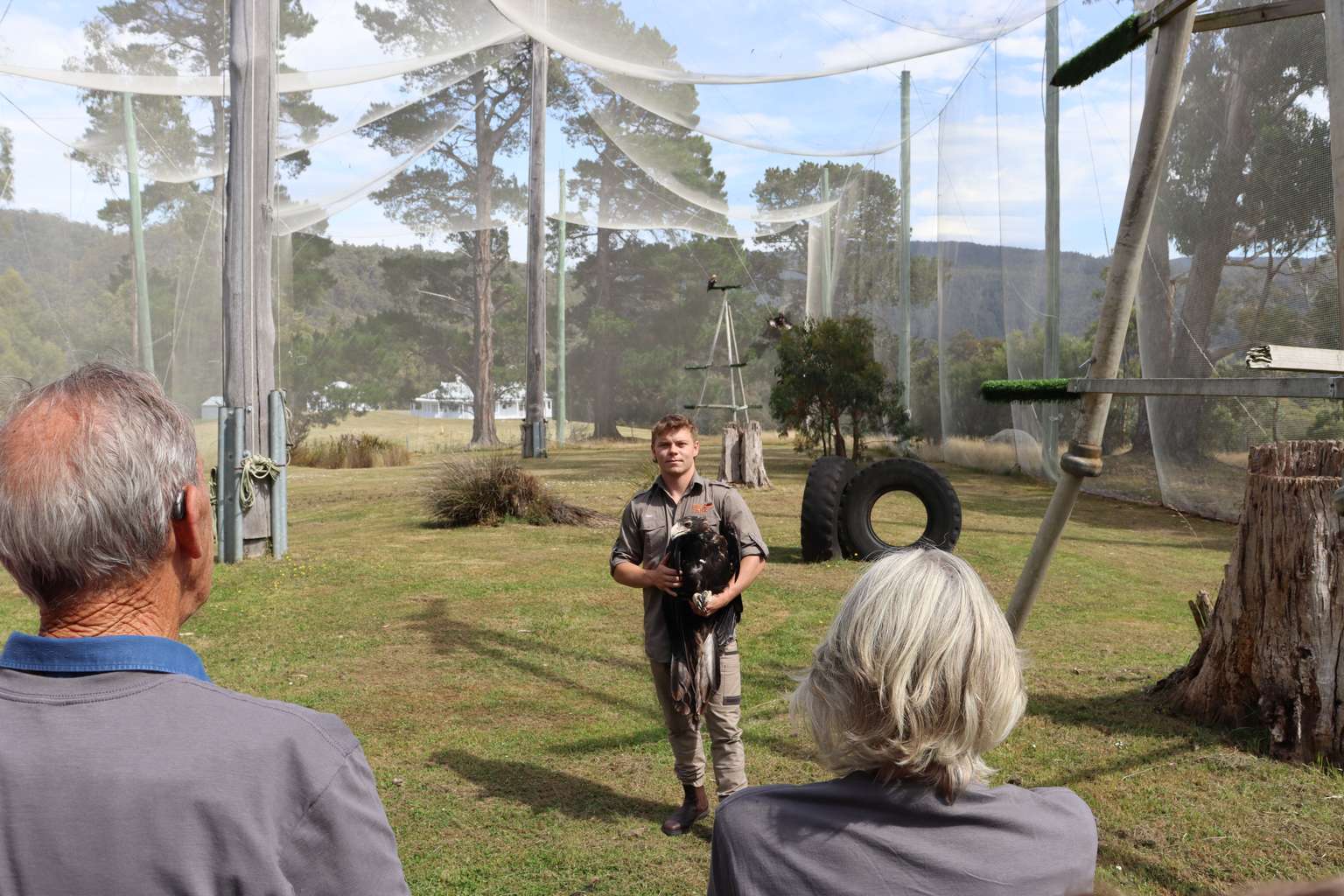
“Our guests travel from around the world to experience Tasmania’s unique wildlife,” Hanna said.
“Supporting the MedWing allows us to play a direct role in protecting the birds that define this landscape.”
Raptor Refuge treats injuries primarily caused by electrocution, vehicle strikes, poisoning and habitat pressures and each case is recorded to provide data to support conservation efforts.
“Every bird tells a story,” Webb said.
“By recording each case, we can better understand emerging threats and work towards preventing them.”