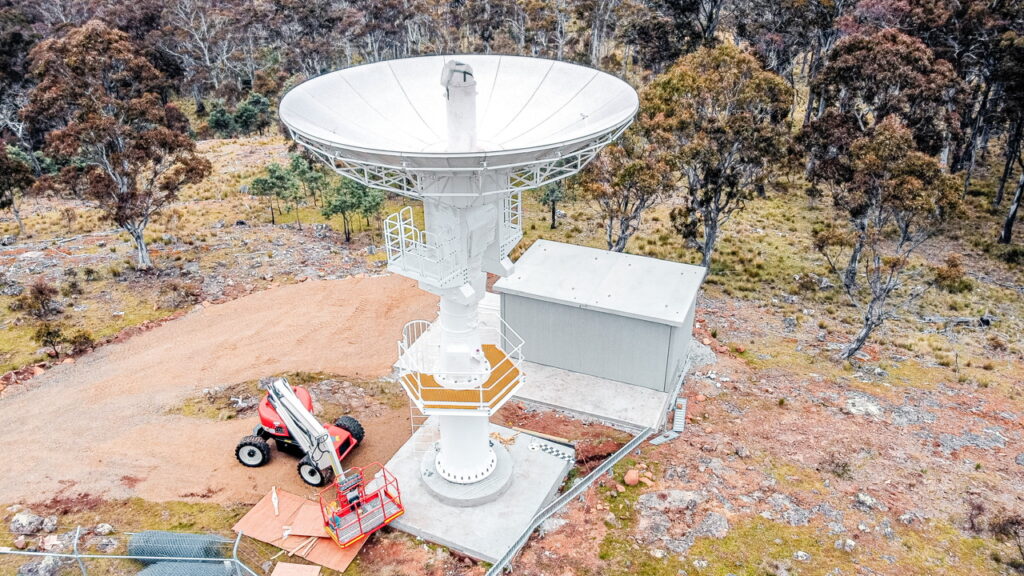
The University of Tasmania’s Greenhill Observatory has unveiled a new $2-million communications antenna that will provide support for space missions and reduce the risk of collisions.
The antenna, developed in partnership with the Australian Space Agency, was funded by the Australian Government’s Space Infrastructure Fund (SIF) and the University and will provide local and global partners with new opportunities to conduct research in the southern skies.
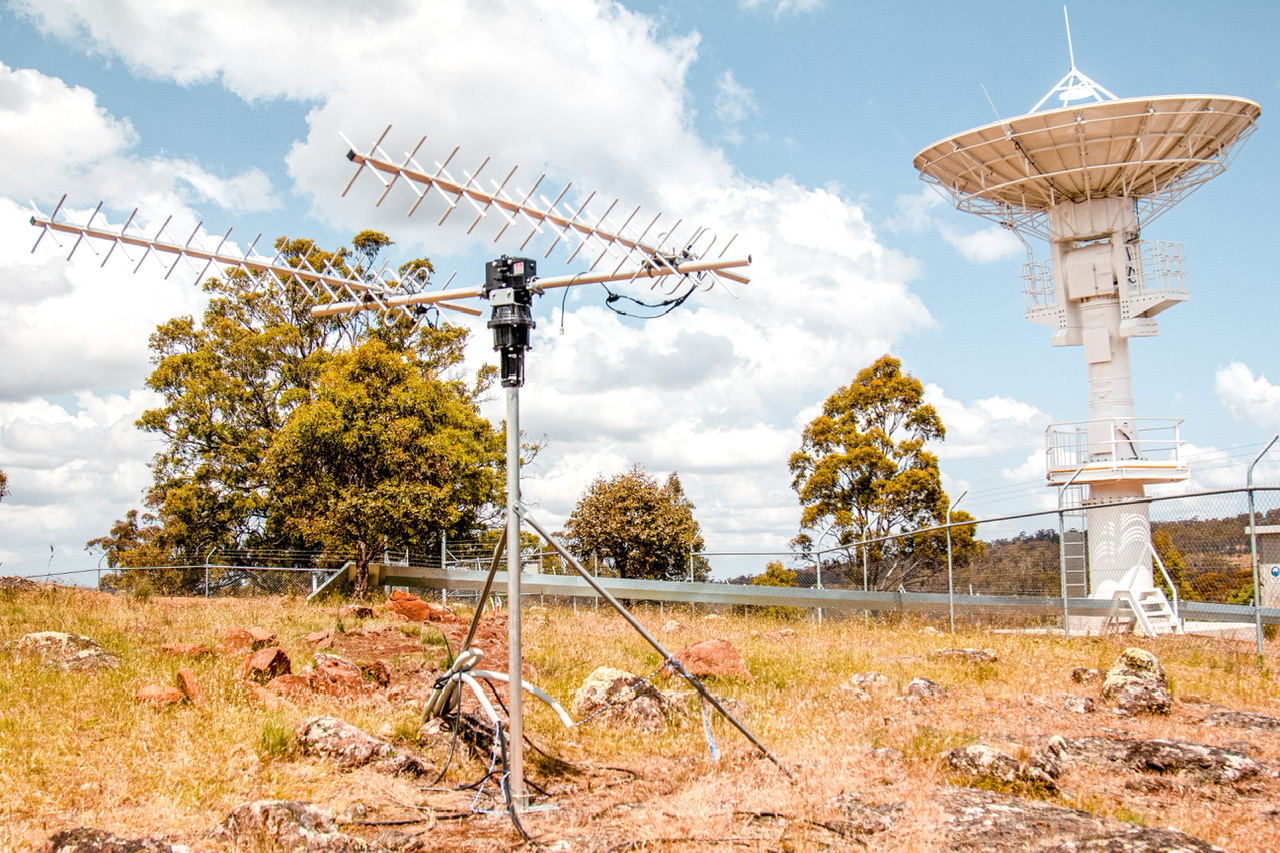
The 7.3-metre antenna, located 70 km north of Hobart, will be the southernmost antenna of its kind in the world and will be operated by a skilled team from the University.
The antenna will provide space-to-earth communications for low-earth-orbit satellites, transmitting messages to spacecraft and receiving data.
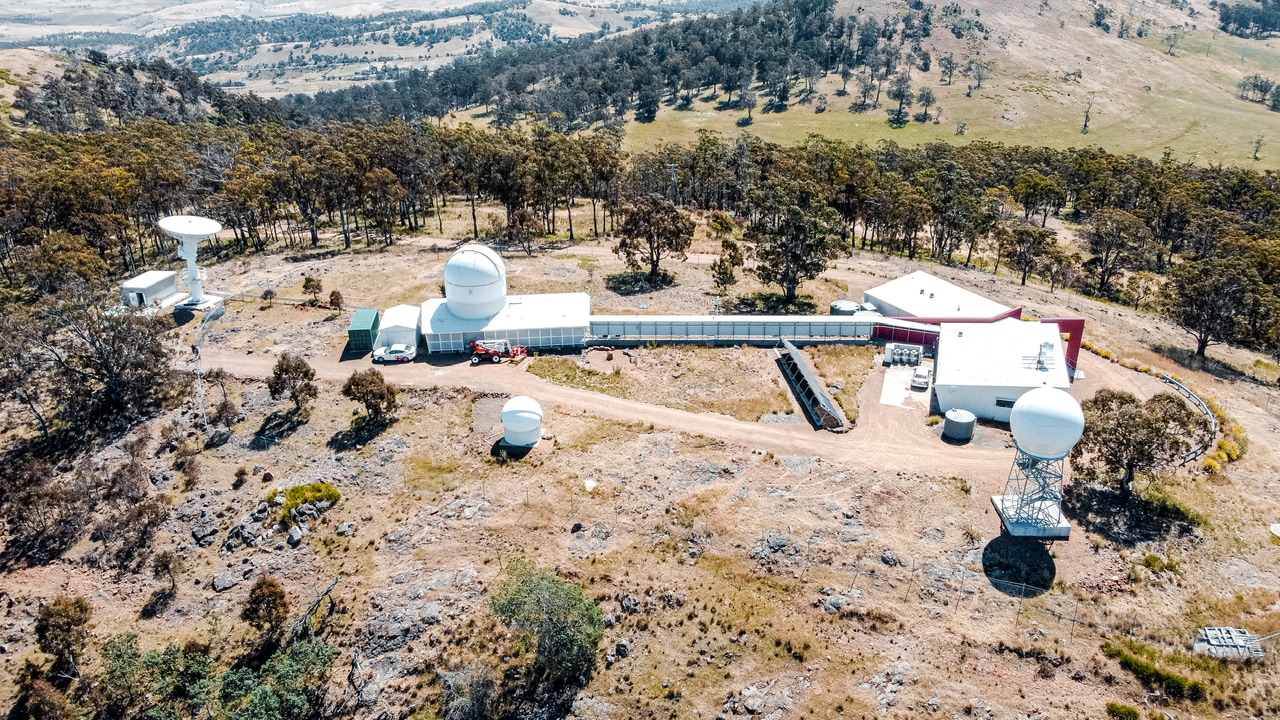
This new infrastructure is critical for the development of Space Domain Awareness, allowing ground crews to track satellites and debris in space.
“The growth of satellites being launched into space is exponential,” said Professor Simon Ellingsen, Dean of School of Natural Sciences.
“This new antenna plays an important role in tackling the challenges this brings.”
Head of the Australian Space Agency, Enrico Palermo, said this new capability cements Australia’s position as a strong partner in space.
“The University of Tasmania’s upgraded facilities will further advance Australia’s expertise in this area and open doors to exciting new research and commercial partnerships,” he said.
University of Tasmania Vice-Chancellor Professor Rufus Black added that the University was proud to be working with industry partners like SpaceX, Skykraft and Hensoldt.
“Tasmania’s future as a high-tech gateway to space is bright,” he said.