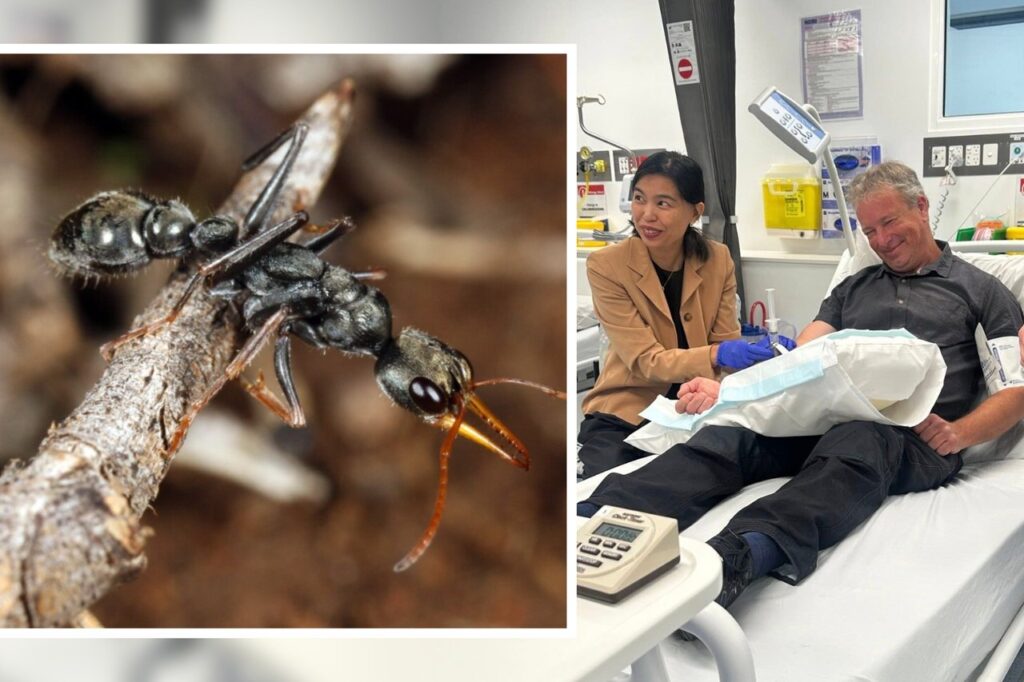
A Tasmanian gardener who nearly died after being stung 13 times by Jack jumper ants says he can finally work without fear, after a course of venom treatment proved successful in a clinical trial.
Corey Upton, 52, from Blackmans Bay, was stung in 2016 while wearing standard gardening gloves.
“It only took about 30 seconds before I started vomiting,” Upton said.
“I could feel my lips swell and my throat closing.”
A colleague rushed him to hospital, saving his life.
Upton completed a course of Jack jumper ant venom immunotherapy at the Royal Hobart Hospital from 2017 to 2023.
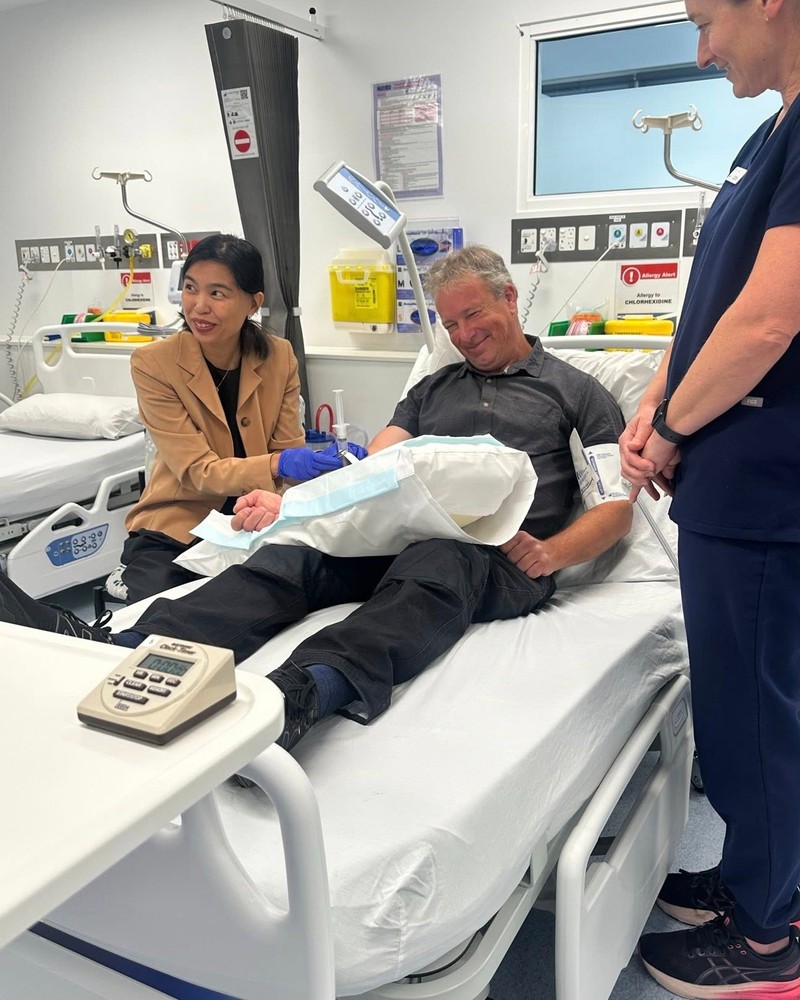
As part of the JAVELIN trial, he underwent a sting challenge in March and had no reaction.
“Now, I don’t have to carry an EpiPen or treatment and I feel relieved to know that if I do get stung again, especially in my line of work, I won’t be panicking about the risk of anaphylaxis,” he said.
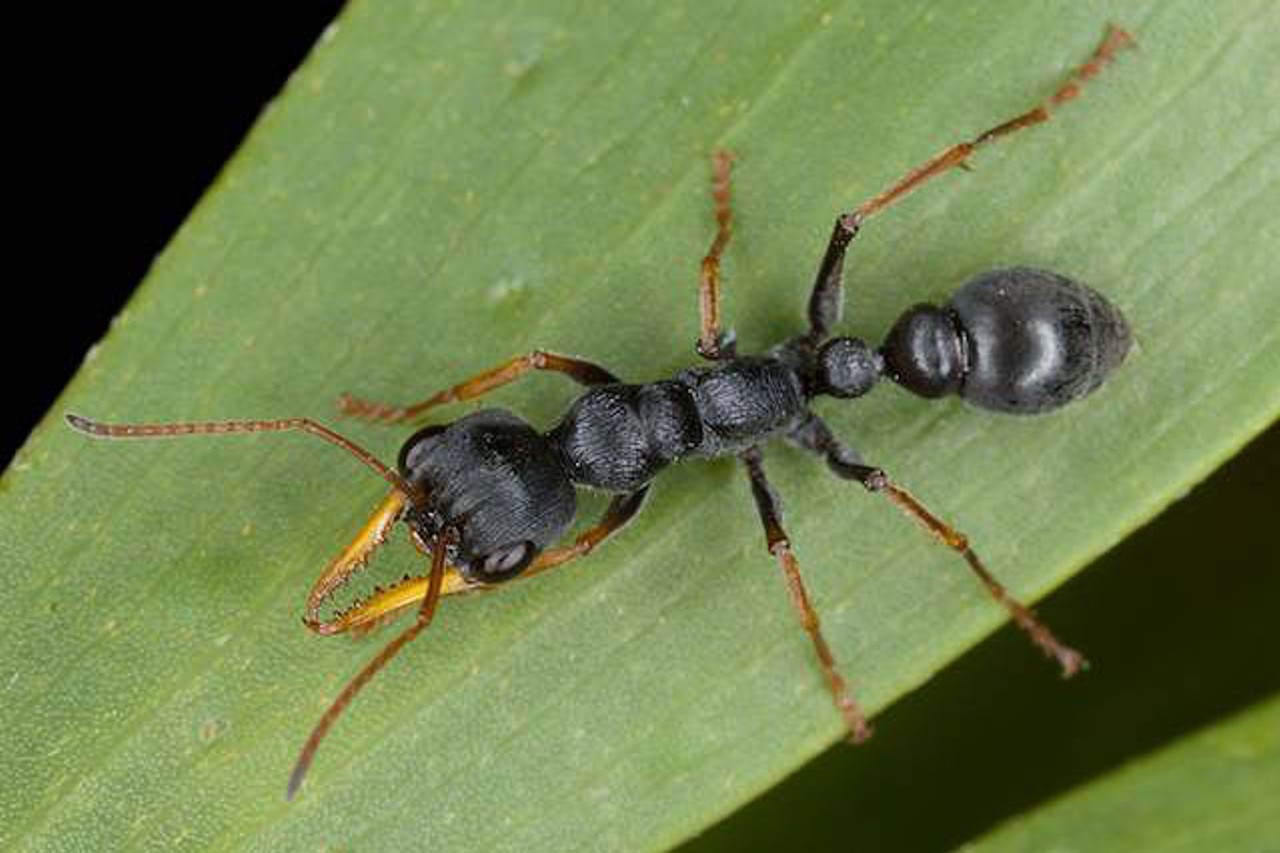
Jack jumper ants are found mainly in Tasmania and their stings can trigger anaphylaxis. Roughly 2–3% of Tasmanians are estimated to be allergic.
The venom extract used to treat severe allergies is complex and expensive to produce and no pharmaceutical company currently manufactures it.
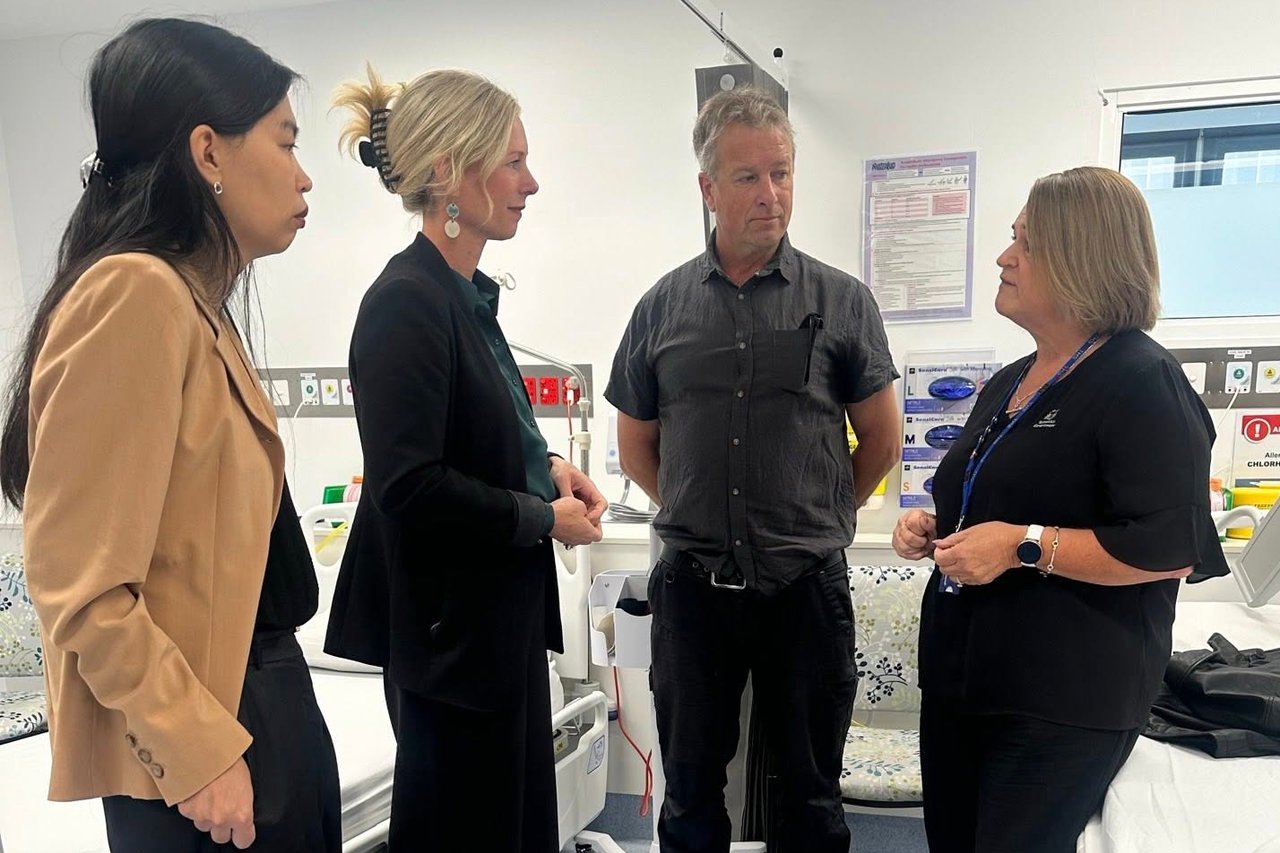
The Tasmanian government oversees production at the Royal Hobart Hospital and supplies it to two other states.
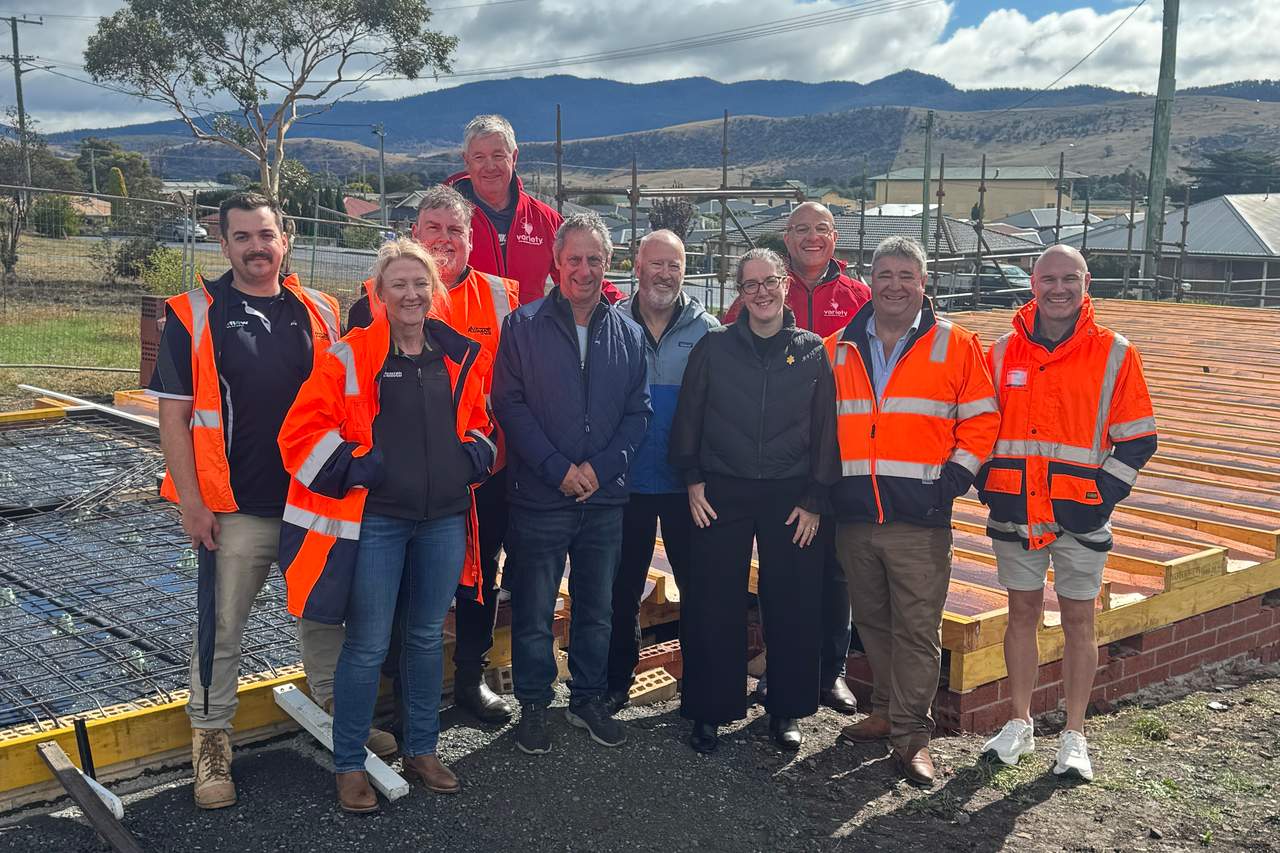
On Friday, the federal government announced $1.82 million over three years to support that manufacturing, including in-house microbiological testing and specialist staff.
Assistant Federal Minister for Health and Aged Care Rebecca White said the funding would secure the ongoing supply of the treatment.
“Jack jumper ants are part of everyday life in Tasmania, but for some people, a sting can quickly become a medical emergency,” White said.
“We know how complex and specialised Jack jumper venom production is and this funding will ensure the expertise and capability remains right here in Tasmania.”
The funding complements national research through the JAVELIN trial, which is exploring ways to make the treatment more effective.
Upton said he was happy to help raise awareness about the risk of allergic reactions and the treatment available.
“It’s fantastic to know Tasmanians have access to this venom immunotherapy treatment,” he said.