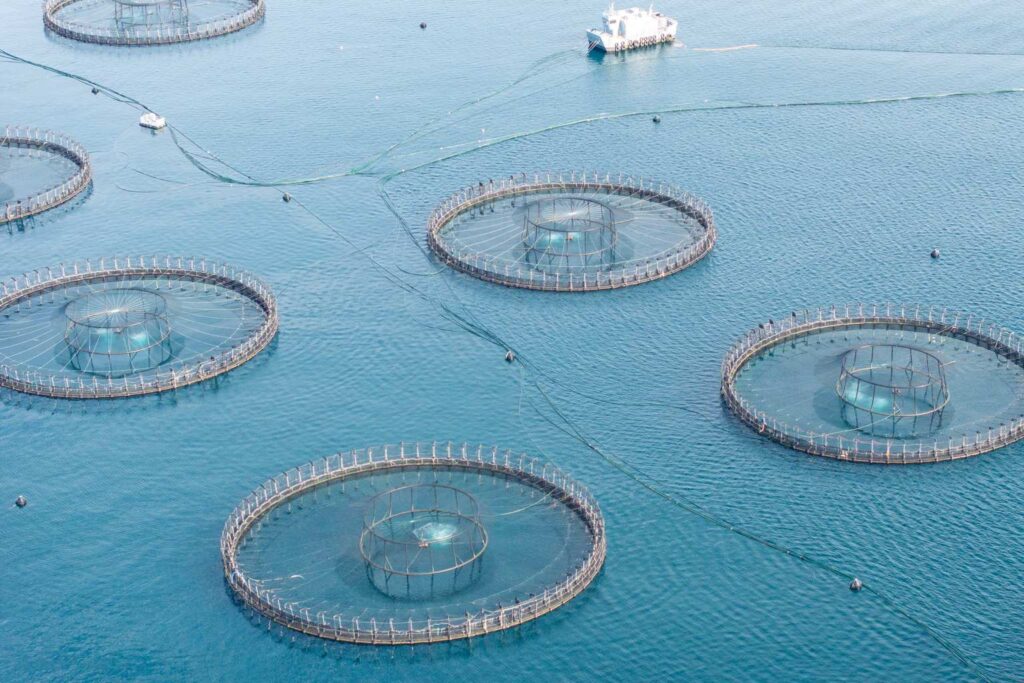
The salmon industry could lose access to a key antibiotic after traces were detected in marine life more than 10 kilometres from fish farms.
Federal authorities have moved to suspend Tasmania’s salmon farms from using florfenicol after new data showed the drug had spread far beyond treatment sites.
The Australian Pesticides and Veterinary Medicines Authority granted an emergency permit in November 2025 to combat a P. salmonis outbreak that killed at least four million salmon.
But data from the Institute for Marine and Antarctic Studies this week found very low levels of the antibiotic in lobsters, abalone, sea urchins, whelks and bryozoans across southeastern waters.
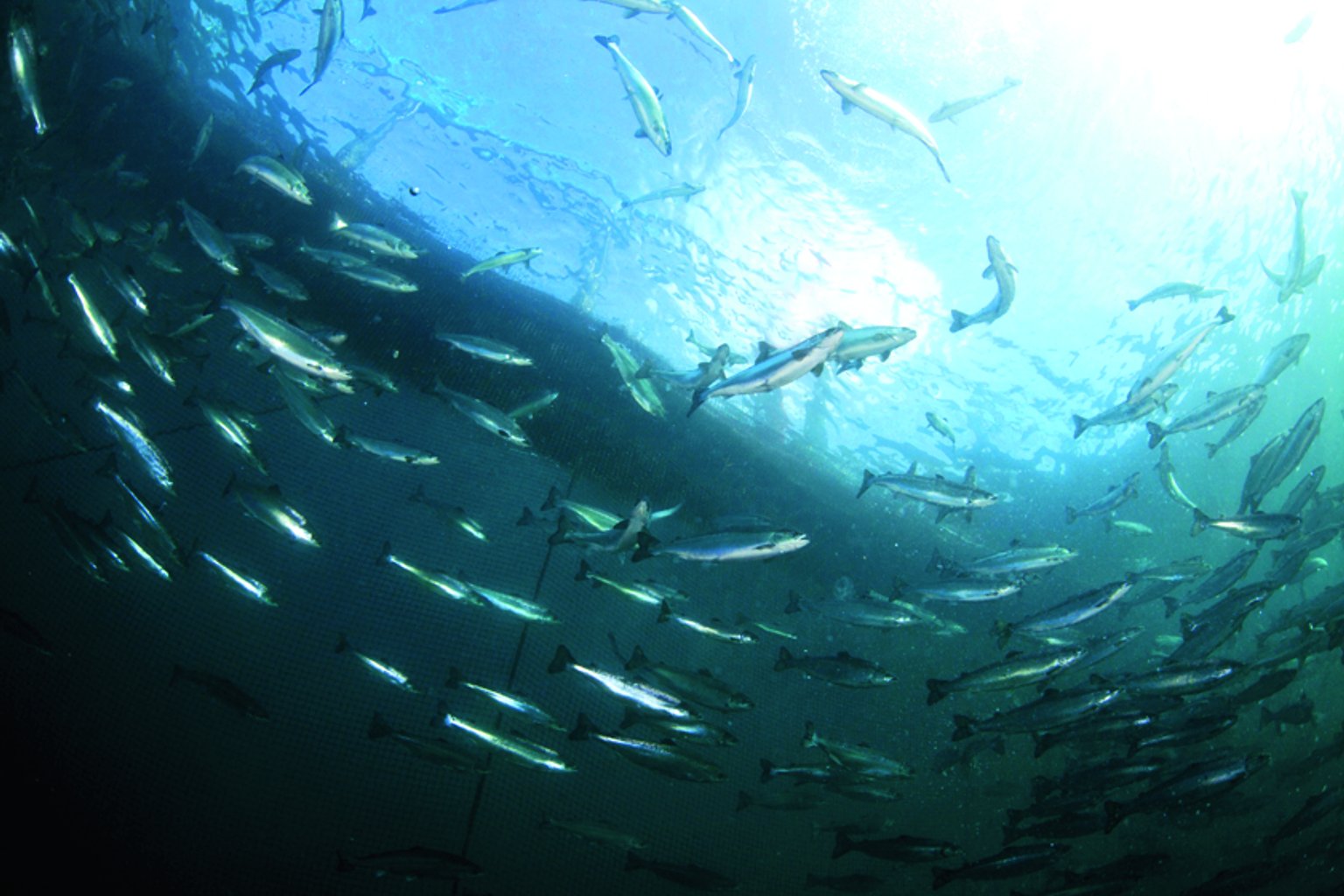
The furthest detection was at Standaway Bay, approximately 10.6km from treatment sites.
APVMA has given the industry until Monday 2 March to provide evidence to satisfy trade criteria or face suspension of the permit.

Independent MP Peter George said the findings were “absolutely clear” evidence the antibiotic should be banned.
“There can be no legitimate reason for polluting our waterways,” George said.
“I have spoken to the rock lobster people, I’ve spoken to the abalone people. They don’t want to speak in public, but they are furious and they are very worried.”
George said antibiotic resistance was a major global health concern, with more Australians dying from antibiotic-resistant infections than road accidents.

“The biggest threat to human health is antibiotic resistance,” he said.
State Greens leader Rosalie Woodruff says the state government “must act” and withdraw support for the use of the antibiotic.
“The fact the federal regulator has moved to suspend the use of florfenicol, yet the Rockliff government continues to fully back the industry using the product, is shocking,” she said.
“Rather than continuing to prioritise the profits of the multinational corporations that run Tasmania’s salmon farms, the Liberals need to put our waterways, communities and critical wild catch export industries first.”
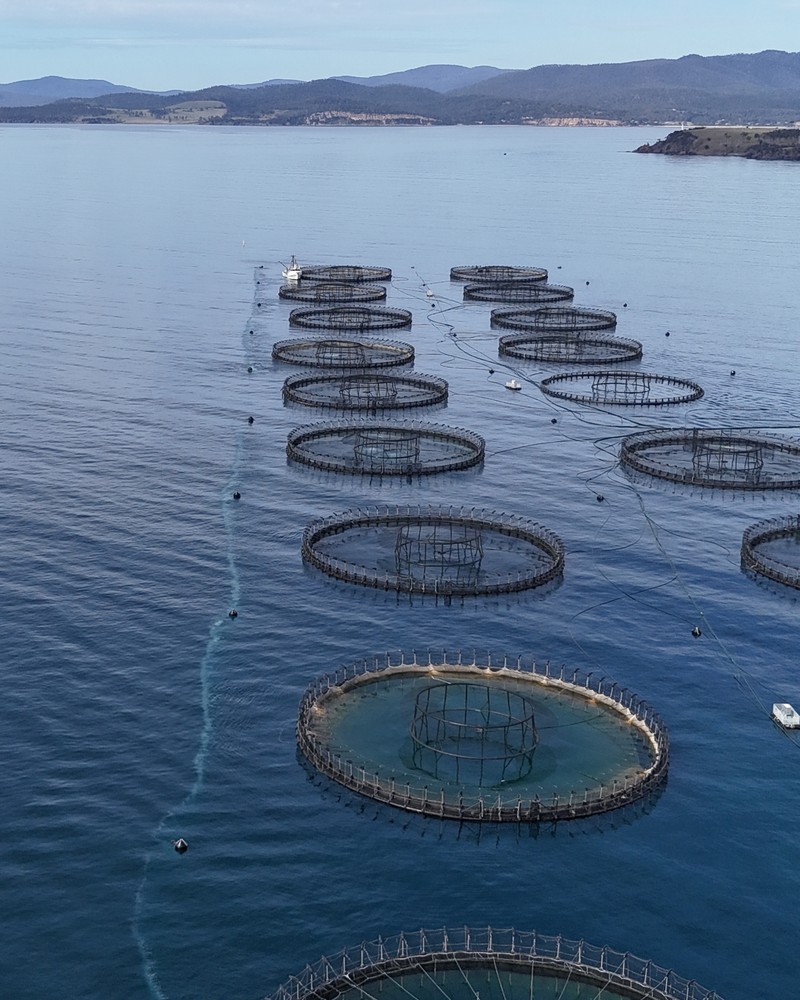
A state government spokesperson said the usage of florfenicol “is regulated by the federal government through the APVMA”.
“We will continue the comprehensive testing regime that is in place and work to support both the salmon and wild fish sectors,” they said.
The state has implemented temporary closures of commercial wild fisheries around recently treated salmon farms as a precaution.
Salmon Tasmania CEO John Whittington previously defended florfenicol as the “global gold-standard” antibiotic for the sector.
“We need every available tool in our toolbox to ensure the health of salmon,” he said late last year.
The Department of Natural Resources and Environment Tasmania said trace levels detected “do not pose a risk to human health”.
However, even minimal detections may breach strict international market requirements, potentially affecting Tasmania’s seafood export industries.
IMAS collected over 840 samples, with 165 showing positive detections at very low levels.