Tasmania’s skies have a new guardian after Rotor-Lift Aviation reached the end of its contract to operate the state’s helicopter rescue service, closing a quarter-century chapter in Tasmanian aviation.
The Hobart-based business flew its final mission under the government contract on Sunday, with mainland operator StarFlight Australia set to take over from January 12 under a $354 million, 12-year agreement.
For managing director Allana Corbin, the handover marks the end of a legacy built alongside her late husband Roger, who died in a helicopter crash at Hobart Airport in 2017.
Established in 1991, Rotor-Lift grew to operate the state’s rescue helicopter service as well as aircraft for Ambulance Tasmania.

The company’s air operator’s certificates and business infrastructure were put up for sale last year.
Over 25 years, Rotor-Lift crews responded to more than 14,000 missions across the state, Bass Strait islands and as far as Wilsons Promontory.

Corbin and her husband also co-founded the Tasmanian Air Rescue Trust, which later evolved into the government-managed service.
Tasmania Police thanked Rotor-Lift “for their service to the Tasmanian community as we enter a new era of helicopter air services”.
“Their commitment has helped save lives and supported our frontline teams in keeping Tasmanians safe,” police said.
“We are grateful for their contribution and the lasting impact they have made on community safety.”
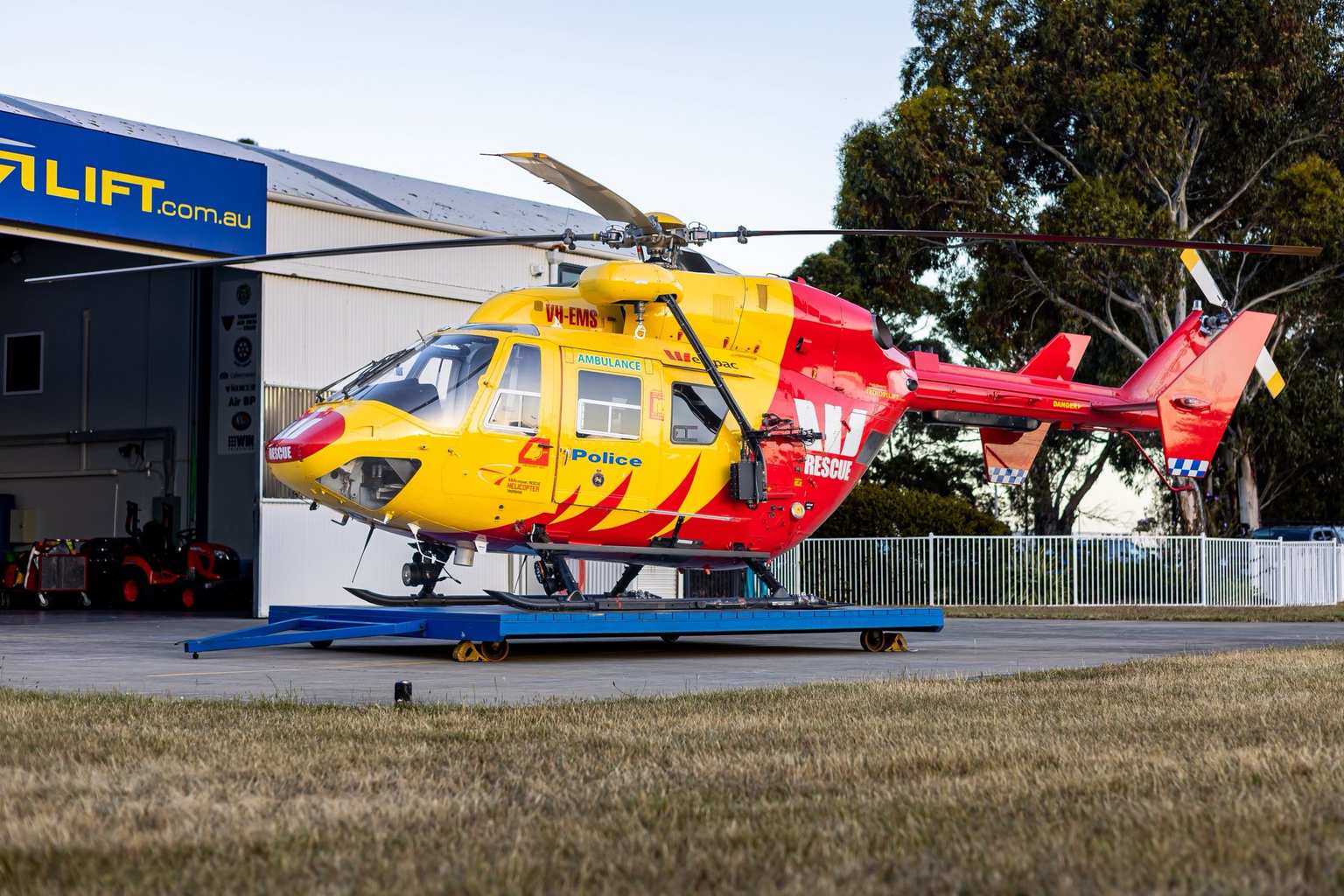
Ambulance Tasmania said it was “excited for this new chapter”.
“StarFlight will enhance the provision of these lifesaving services, which include aeromedical retrieval, search and rescue and aerial law enforcement,” Ambulance Tasmania said.
“We have been working closely with StarFlight and Tasmania Police in recent months on training and other preparations, with all services, staff and equipment ready to go live.”
StarFlight began operations yesterday with three Bell 412 helicopters, with new Airbus H145 aircraft expected to join the fleet in late 2027.
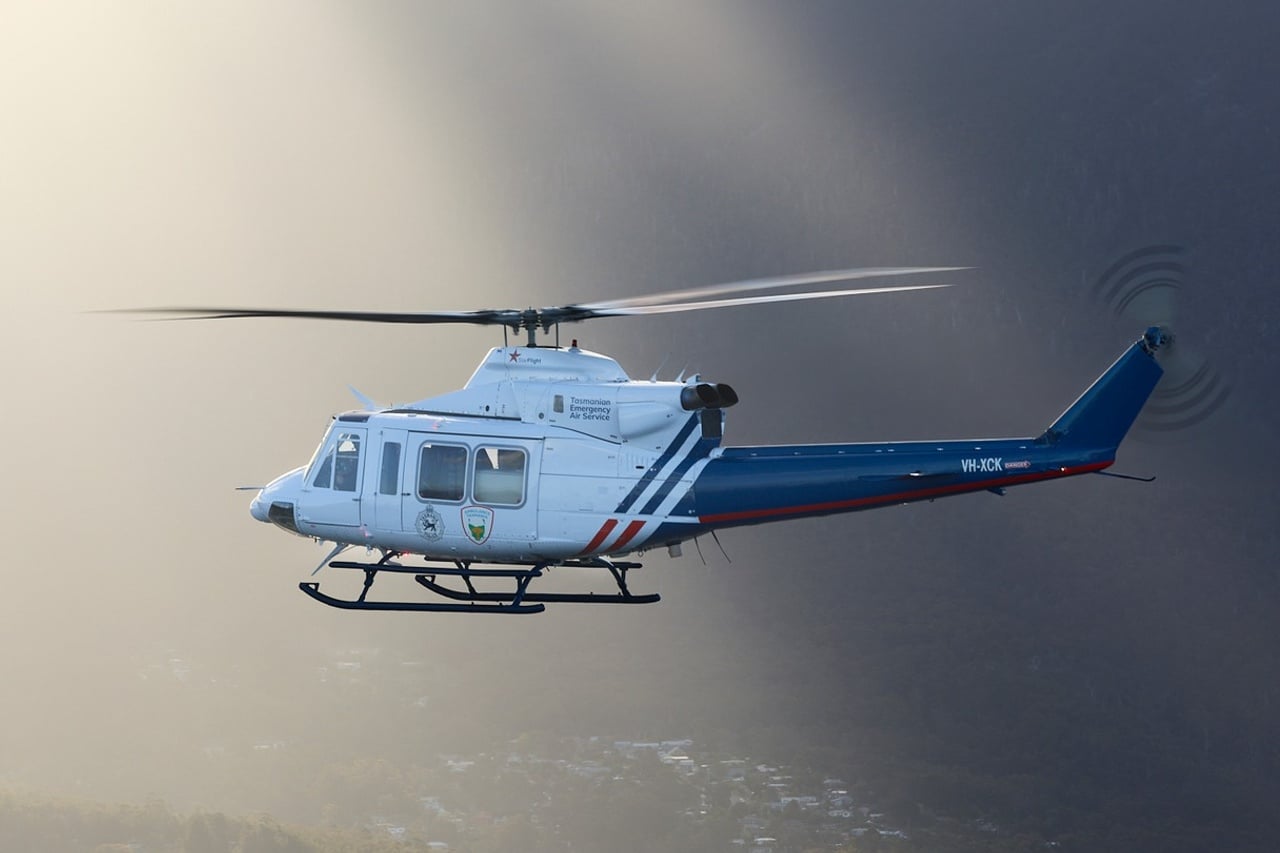
“Over recent months, our team has been preparing ground operations and training crews, while retaining local jobs and vital Tasmanian knowledge,” StarFlight said.
“This ensures the continuation of the lifesaving services our community relies on.”