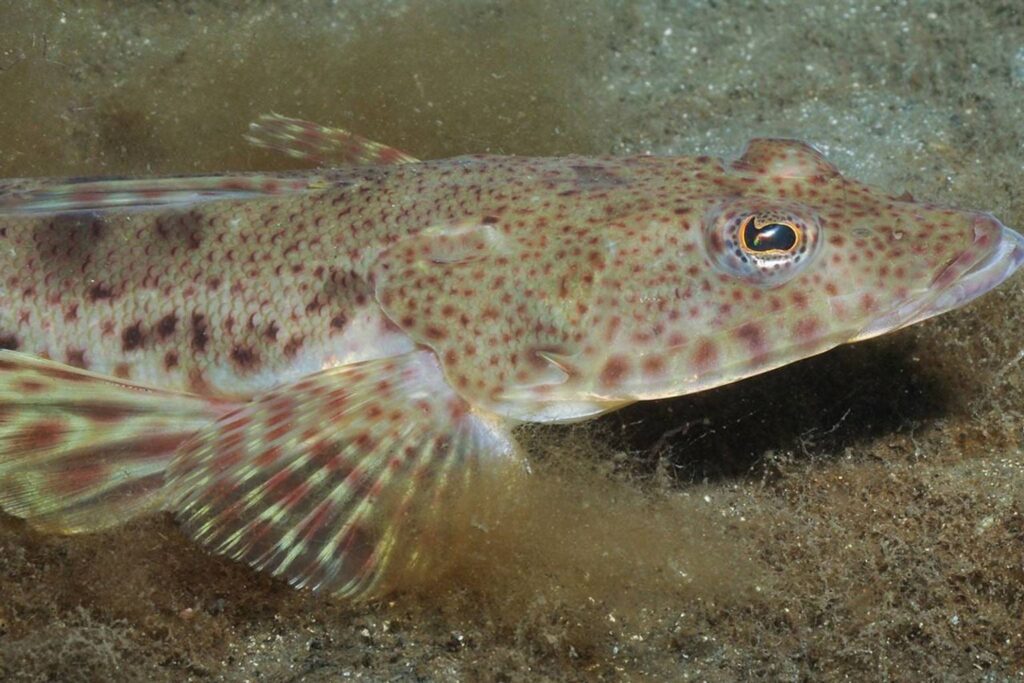
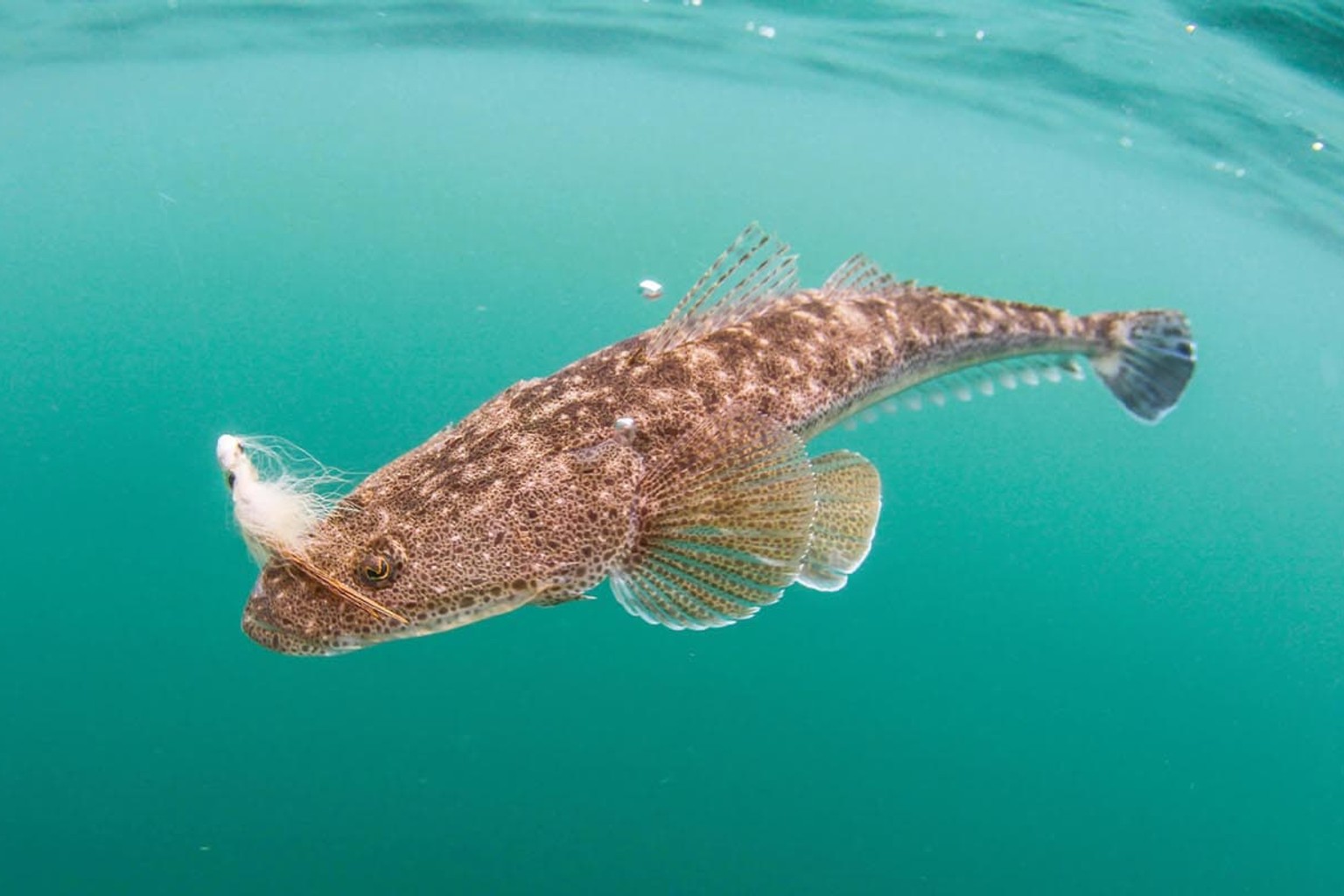
Tasmania’s most popular recreational fishing target will be off limits in the south-east from March 1, as the state government moves to save sand flathead stocks that have plummeted to critically low levels.
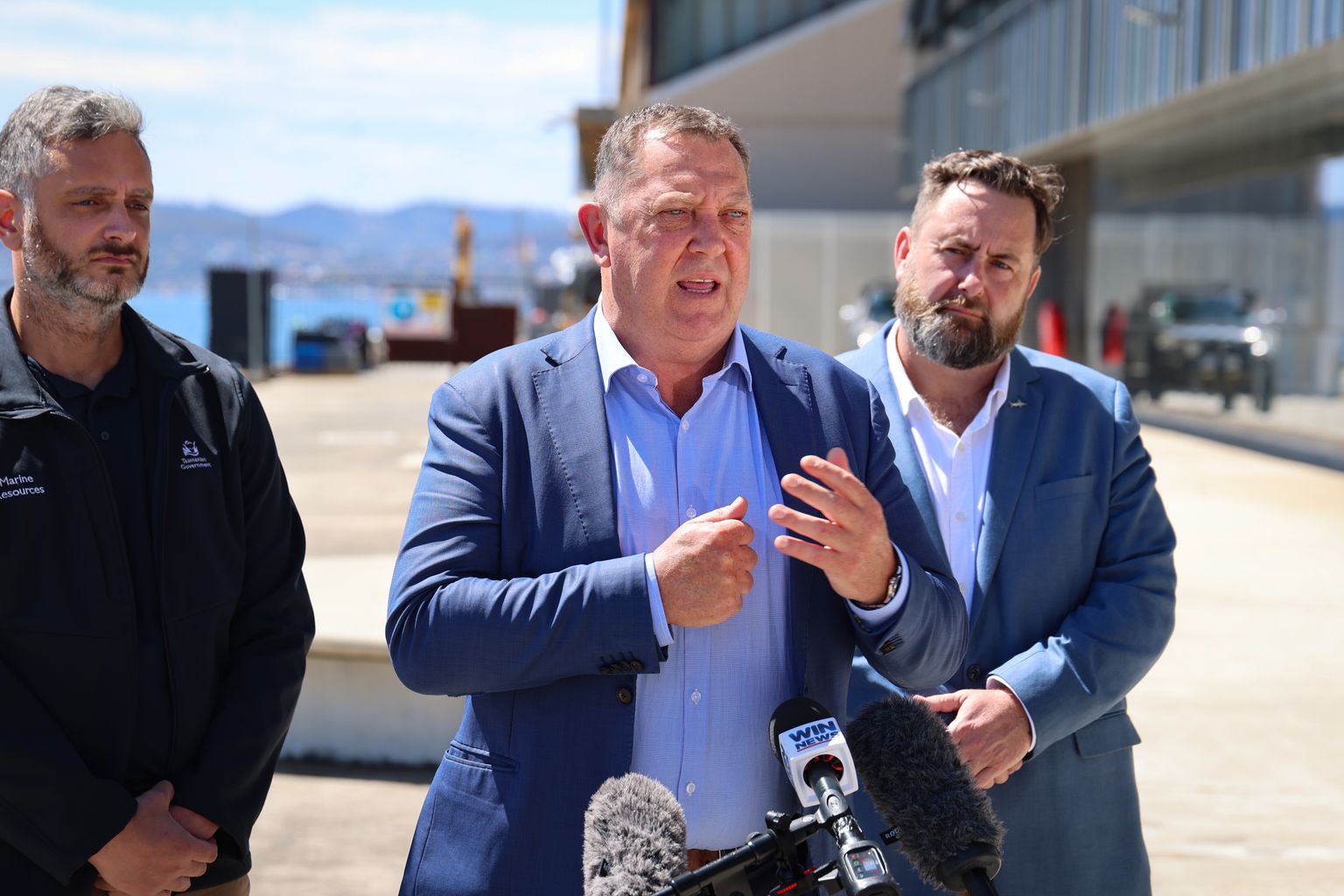
Primary Industries and Water Minister Gavin Pearce announced the temporary closure of the south-east zone today, citing alarming data from the Institute for Marine and Antarctic Studies showing stocks had crashed to just 5% of unfished biomass.
“It is overfished, it is fished out,” Pearce said.
“I don’t want to be the person that does nothing about that.”
The closure, affecting waters between Whale Head at the southern tip of the state and Cape Pillar near Port Arthur, comes as data reveals only around one in 100 fish in the region are of legal size.
The south-east accounts for 57% of Tasmania’s sand flathead catch.
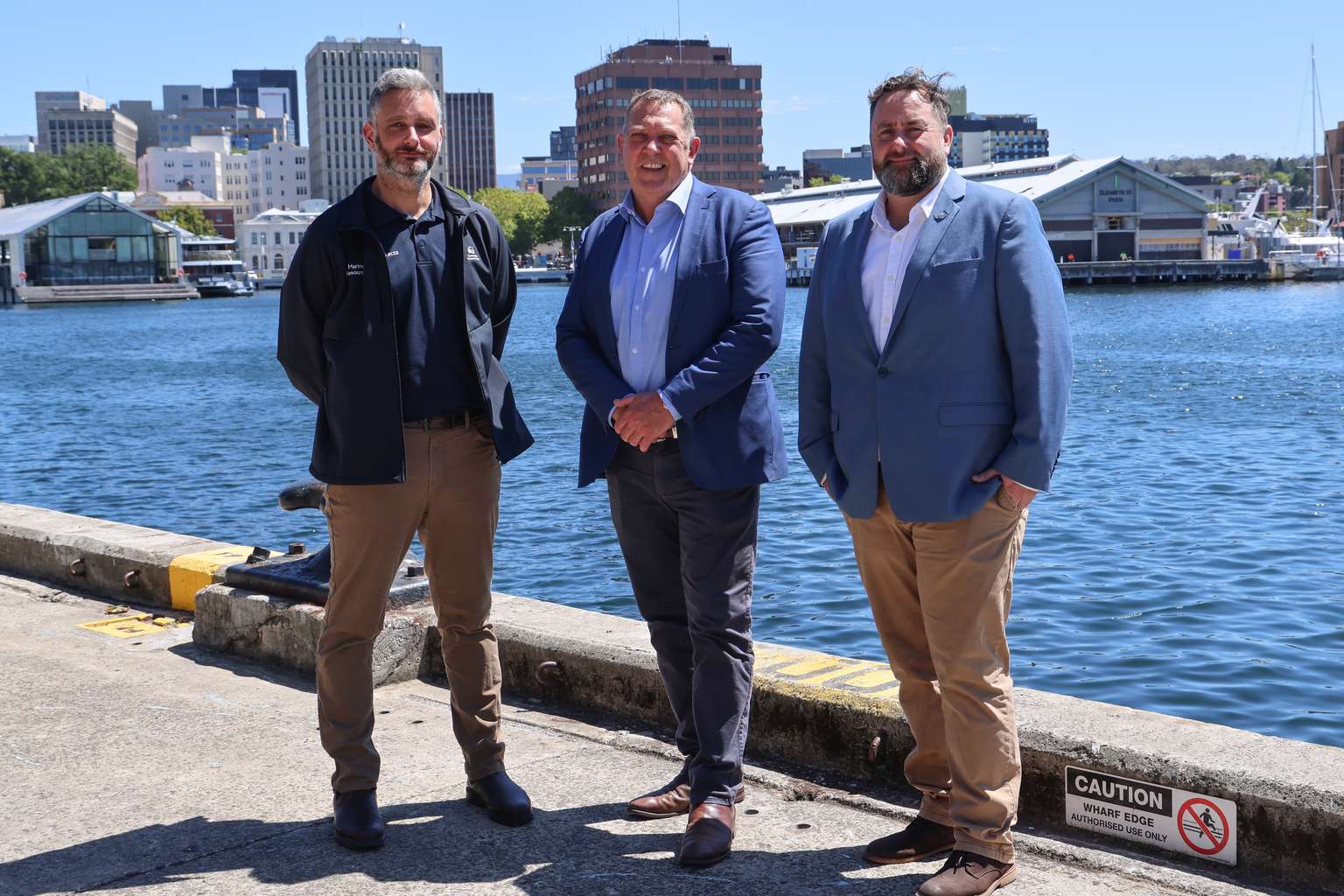
Department of Primary Industries and Water General Manager of Marine Resources David Minson said recreational fishers had been calling for action as the fishery declined.
“They want us to take decisive action to recover this fishery, not just for them, but for their kids,” he said.
“You can’t catch the same number of sand flathead that you used to be able to catch and they’re certainly smaller.”
The government has committed $1.2 million over two years to a restocking program that will relocate fish from healthier populations in areas like Flinders Island and establish selective breeding programs at IMAS facilities.
Sean Tracey, a Professor of Fisheries and Ecosystem Sciencesat IMAS, said overfishing had removed larger fish from the population, leaving smaller fish to breed and causing genetic changes.
“We’re taking the basketballers out of the population basically and leaving the horse jockeys as the breeding population,” he said.
Recreational fishing accounted for 96% of sand flathead harvest before the commercial fishery closed last year, Professor Tracey said.
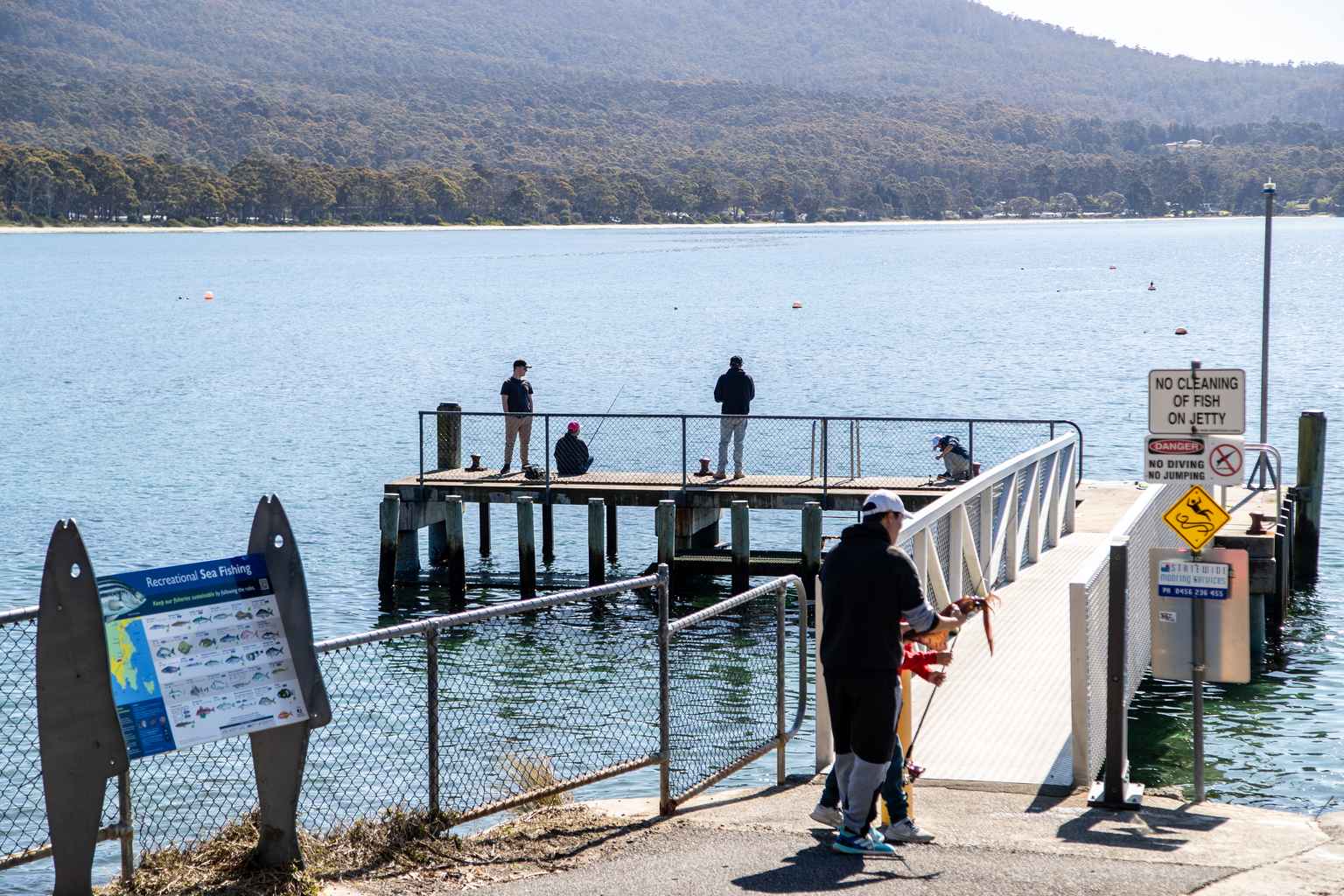
Outside the south-east, anglers can still catch flathead but must now land fish whole or as fillets with head and tail attached, enabling size checks.
Previously, many fishers filleted at sea, making compliance checks impossible.
Minister Pearce acknowledged the decision would frustrate fishers but said escalating measures were necessary.
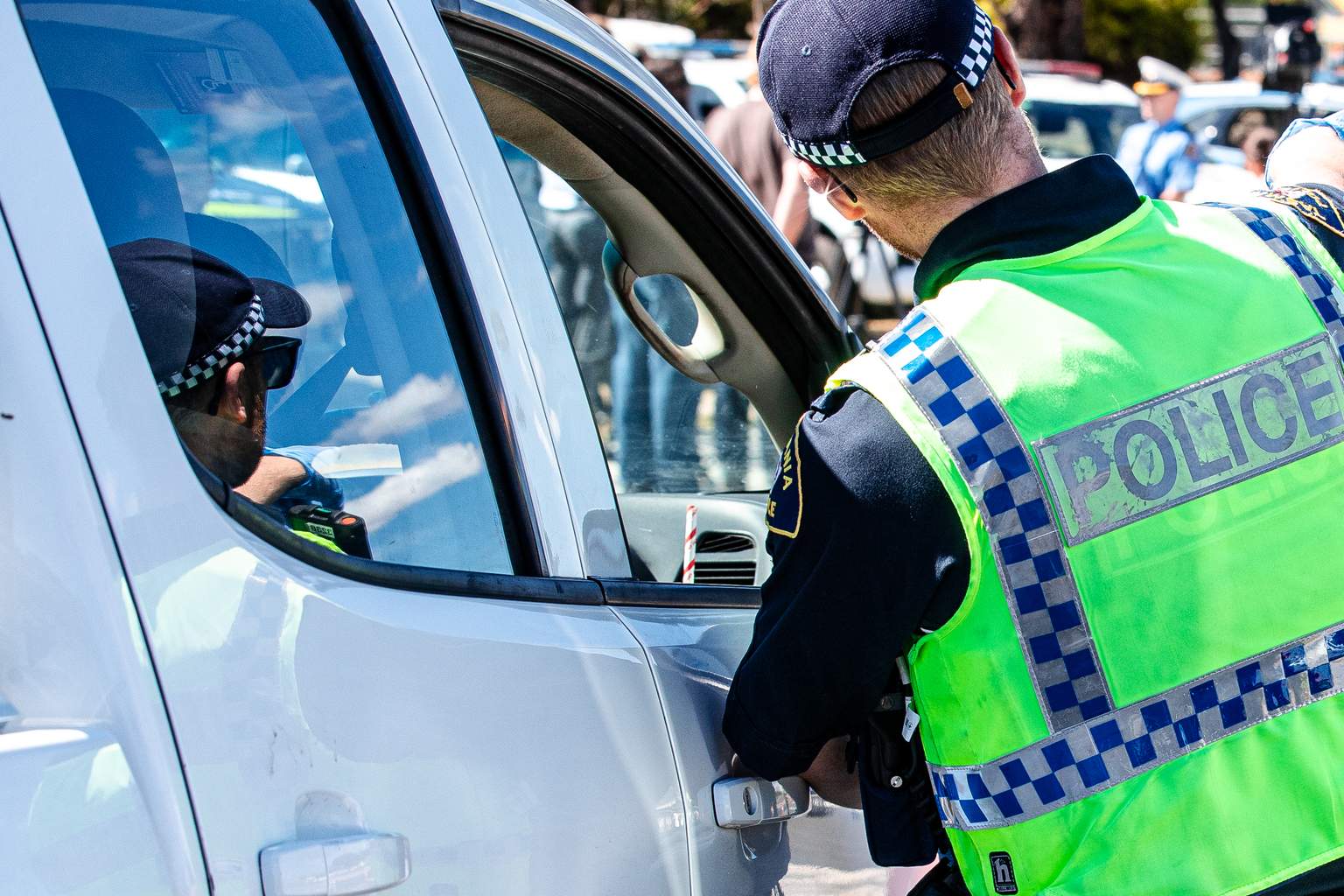
He said recent police inspections found one in four vessels breaking flathead rules.
“I want that next generation to have that same experience,” he said. “It’s a decision that’s been made on science.”
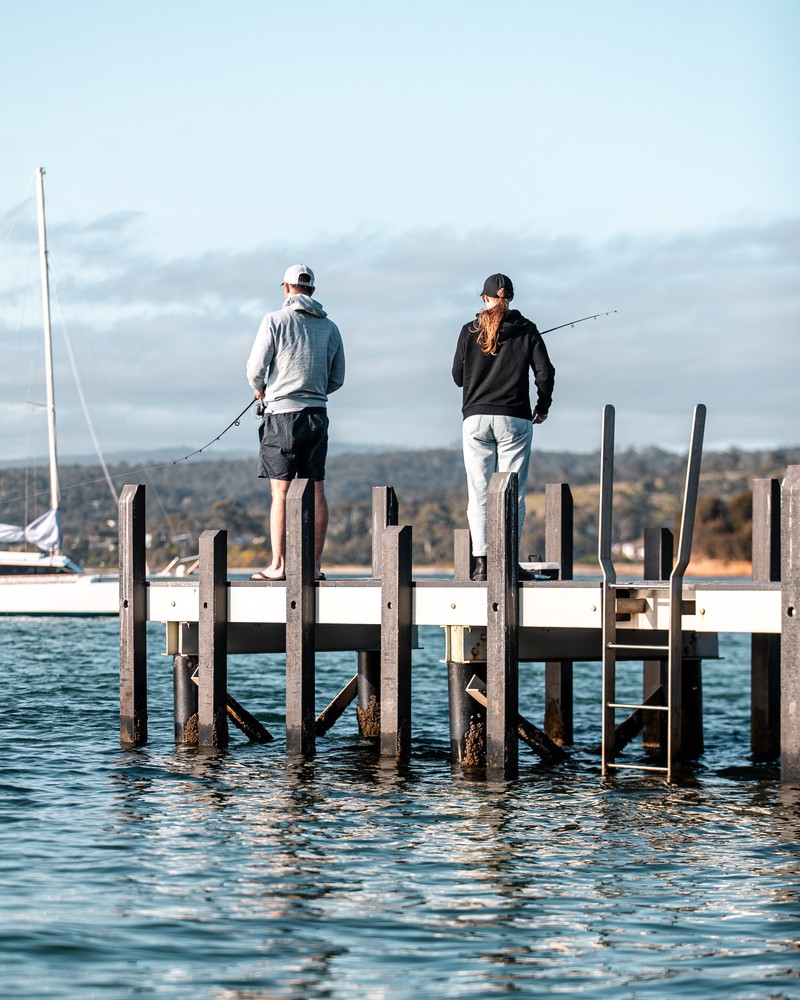
Recreational fishing body TARFISH criticised the announcement on Facebook, saying fishers were “being asked to pick up the tab again for 10 years of mismanagement”.
Environment Tasmania’s Rebecca Howarth backed the closure as necessary to avoid total collapse, noting sand flathead had been listed as depleted since 2020-21.
“We understand that this will be a blow to the recreational fishing community, but will hopefully ensure a swifter recovery of stocks in the long-term.”
Meanwhile independent Franklin MP David O’Byrne has slammed the “non-existent consultation” on the ban.
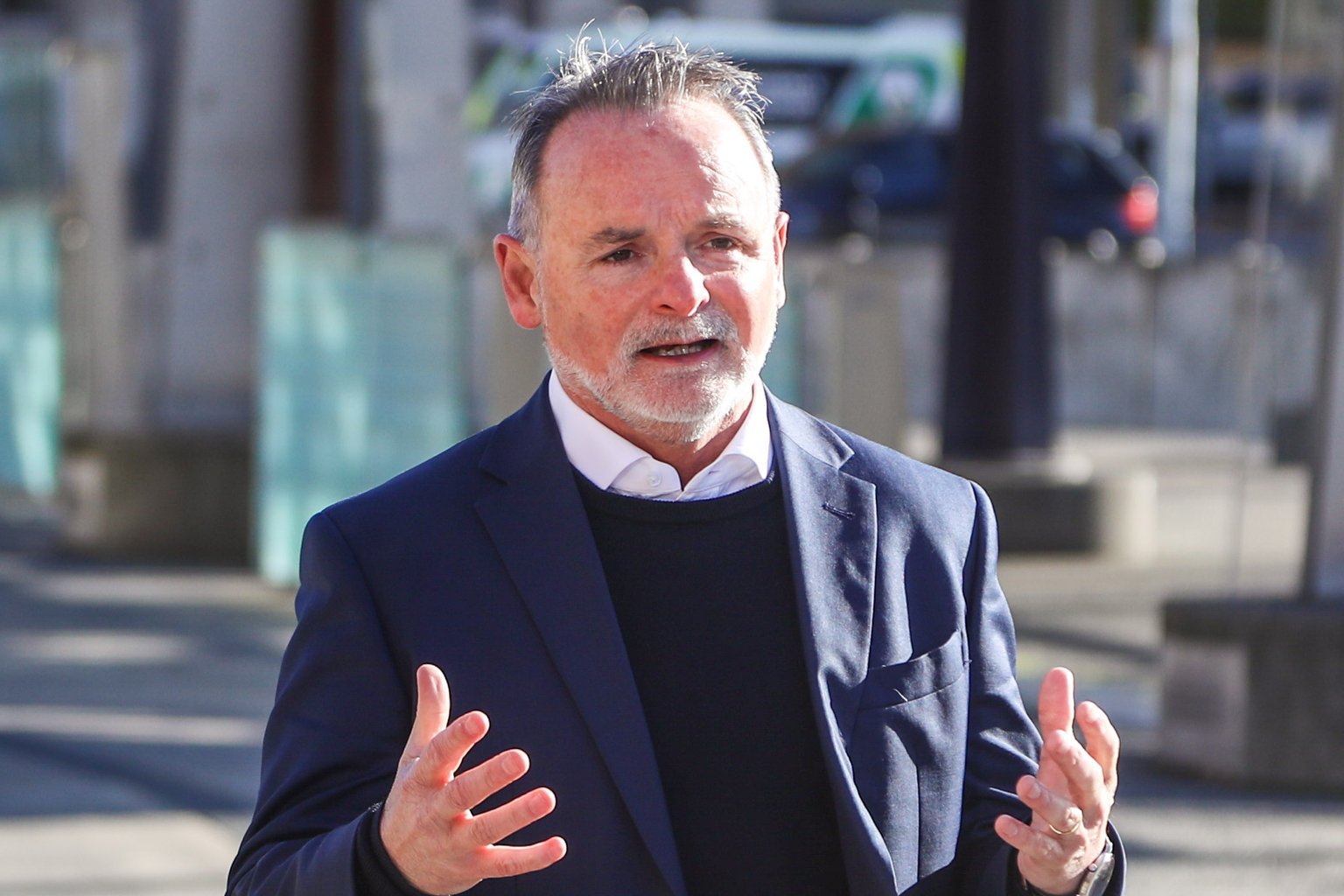
“We have known about the plight of the sand flathead for some time, and there is nothing to suggest that the circumstances have deteriorated so rapidly that urgent, unilateral action was required without any discussion with stakeholders,” he said.
“The reality is that the recreational fishing community will be much less understanding if they are not included in the discussion.”
The government has not set a reopening date, saying it will monitor stock recovery through annual assessments.