Tasmania’s dairy sector has gained a powerful new research tool, making it possible to trial methane-cutting solutions at scale while keeping productivity on track.
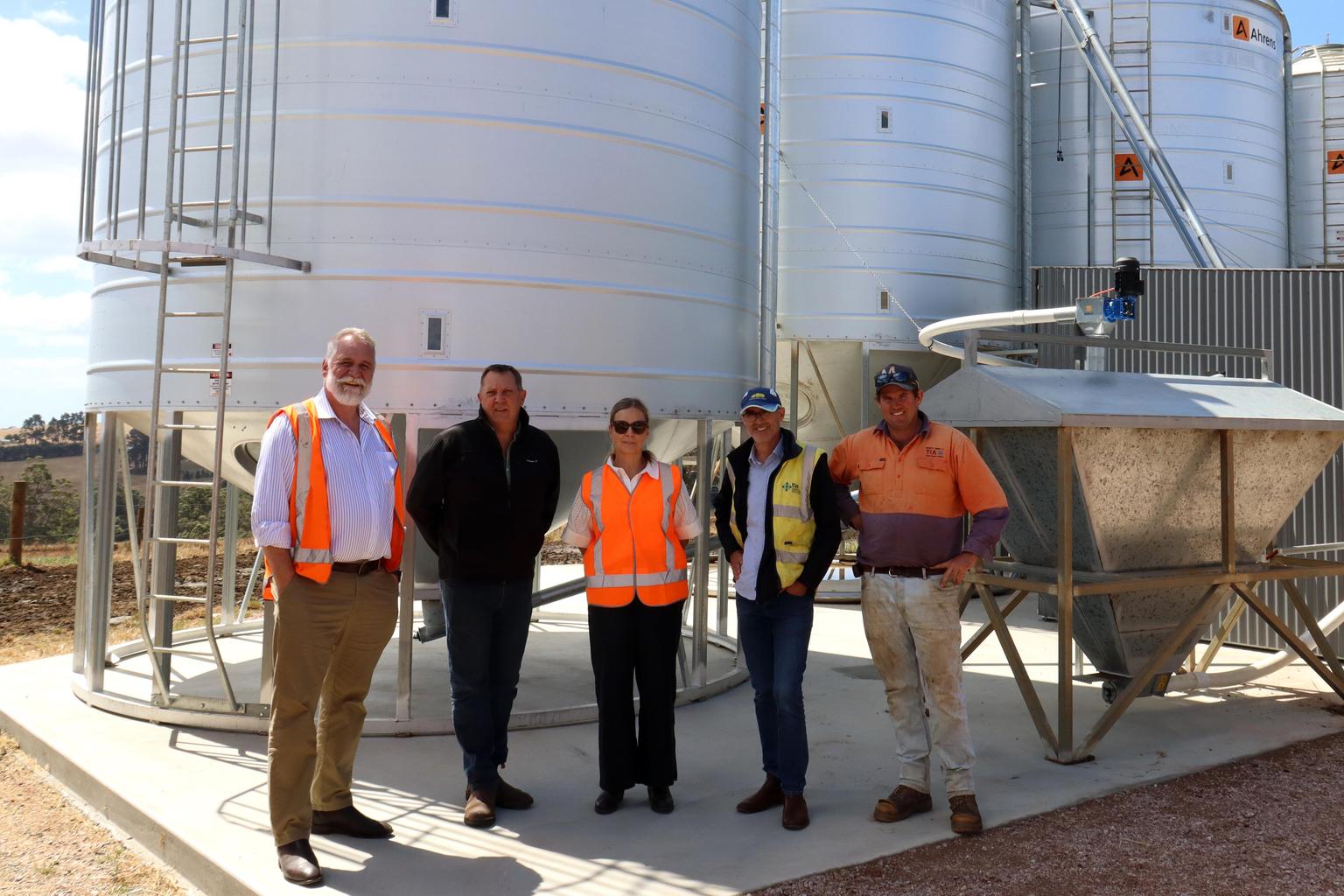
A supplementary feed facility has been installed at the Tasmanian Institute of Agriculture’s Dairy Research Facility at Elliott on the state’s north-west coast.
The upgrade was jointly funded by the Tasmanian Government, TIA and Fonterra.
Dr James Hills, TIA’s Livestock production centre leader, said the upgrade shifts the feeding system from a standard commercial set-up to one purpose-built for complex research.
“We now have the capacity to feed four different supplements directly to cows during milking,” he said.
The added flexibility will expand methane mitigation trials, enabling researchers to test precise amounts of low-emissions feed additives under different feeding rates.
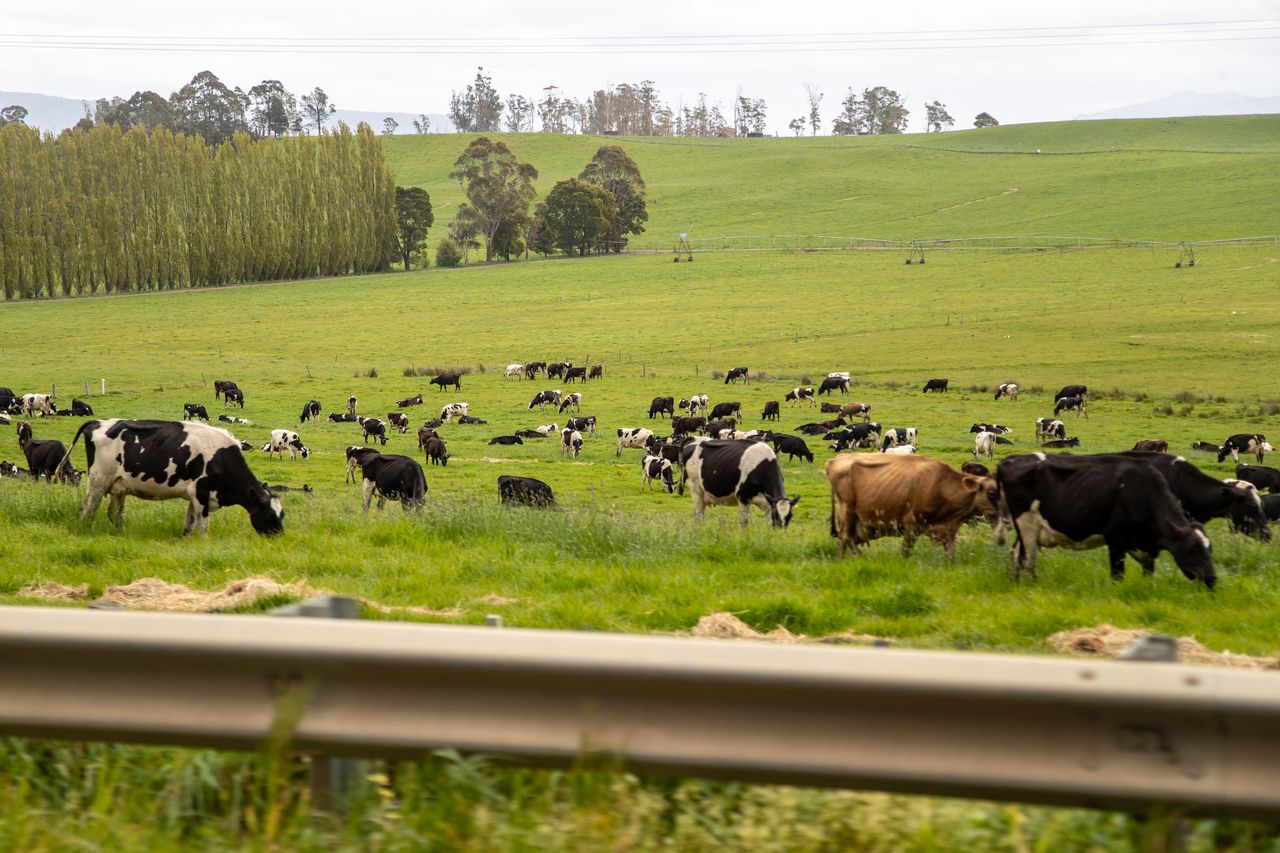
“We can now run longer-term trials at a scale that mirrors commercial dairy farms, while closely monitoring cow health and milk production,” Dr Hills said.
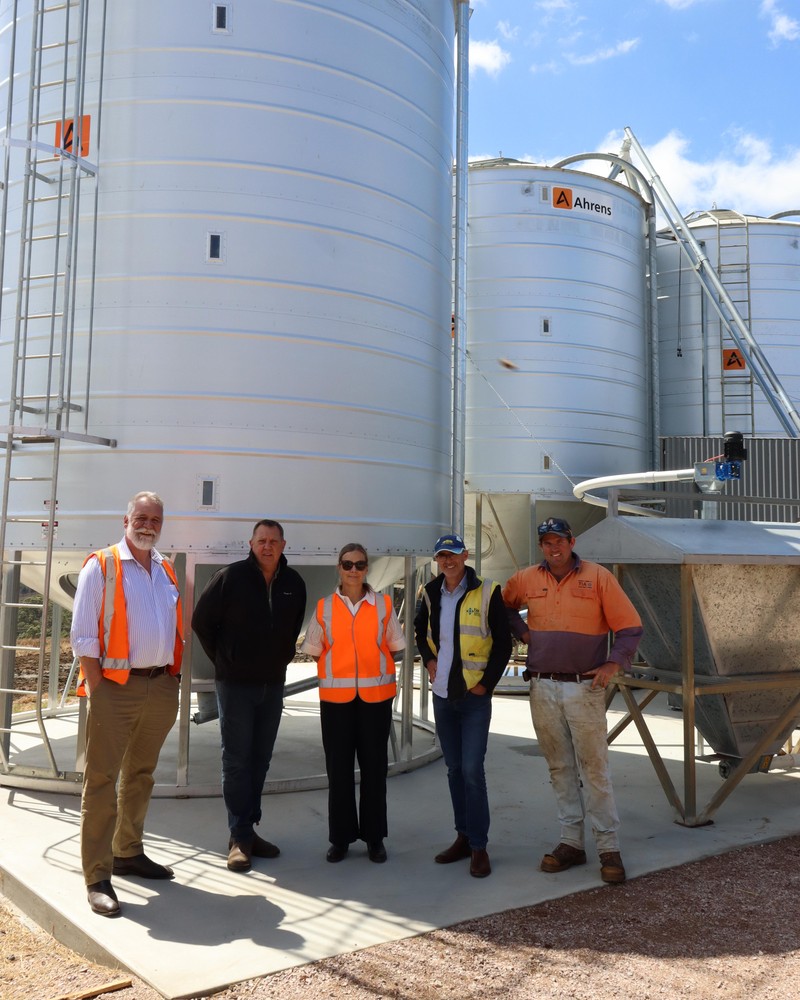
The upgrade includes a new feed silo, relocation of two existing silos, a feed head in the dairy, a disk mill, augers and a small shed.
Farm manager Andrew Marshall said the facility will process grain on-site for the first time, reducing costs and opening opportunities to source grain from Tasmanian growers.
“Until now, we’ve relied on commercially produced feed brought in from the mainland. This gives us much greater control,” he said.
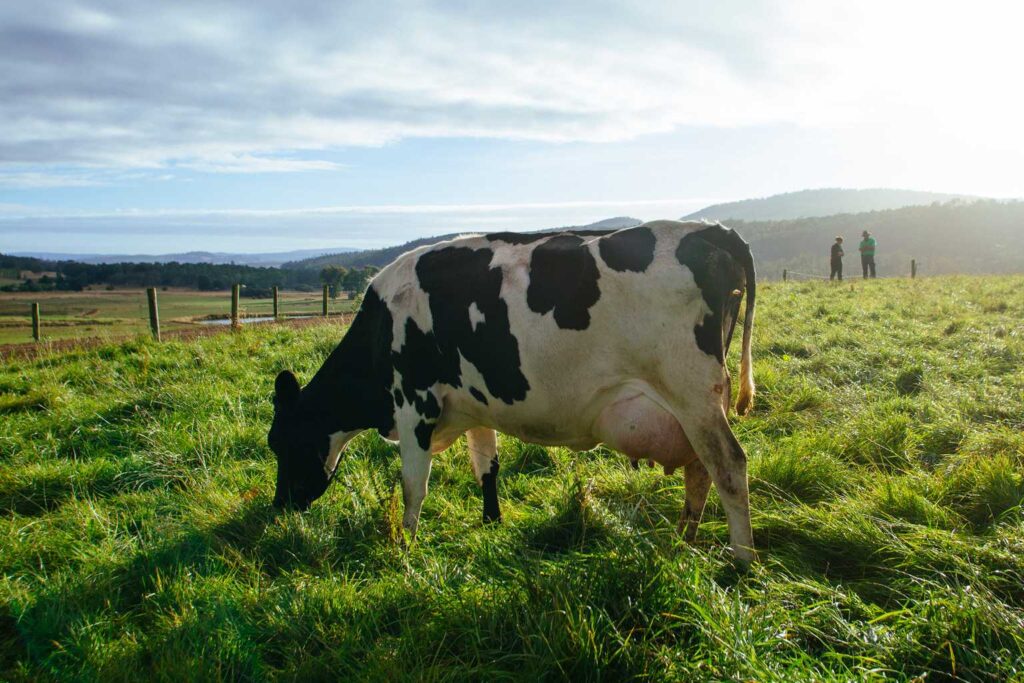
The working dairy milks 350 cows and supports research across six separate mob systems.
The Dairy Research Facility is nationally recognised for pasture-based research focused on sustainable, profitable dairy production.
It is the only Australian facility designed to operate multi-herd “farmlet” systems under commercial pasture conditions.
The upgrade follows a major redevelopment in 2022, including installation of a 50-bay rotary dairy and expanded irrigation.