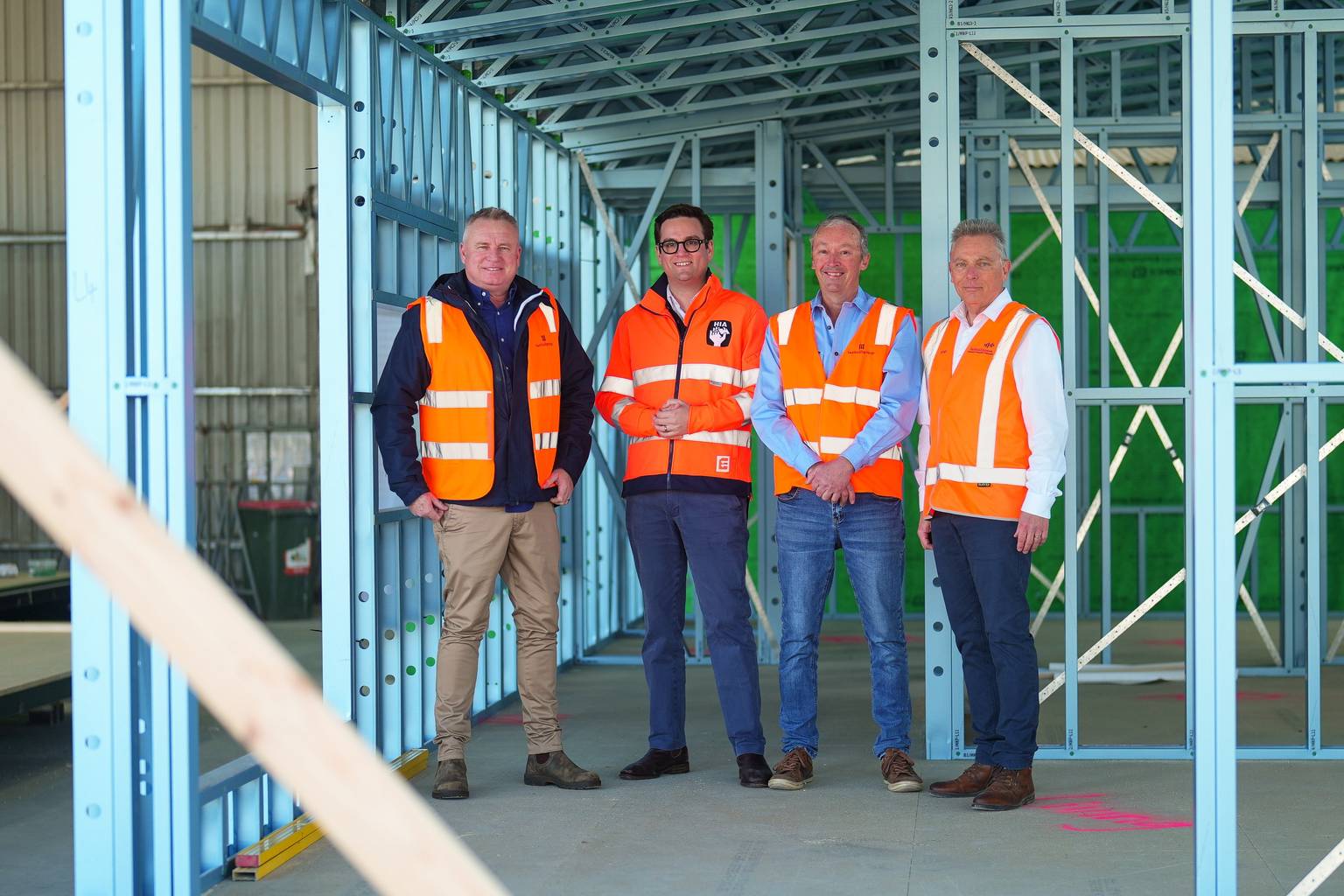
Legislation to underpin a new government-backed finance guarantee for modular housing will be released for public consultation this week.
Premier Jeremy Rockliff said the Modular Housing Finance Guarantee Scheme would partner with lenders to cover a portion of construction finance during the early phase of modular builds, when homes are being manufactured in a factory but not yet installed on site.
“Modular housing is faster and more efficient than traditional builds and this scheme will help more Tasmanians take advantage of this type of housing,” Rockliff said.
The scheme targets a key barrier for buyers of modular homes.

Banks have traditionally struggled to recognise security on a property still being built off-site in a factory, unlike conventional builds where the value of a home rises progressively on the land.
The government guarantee will reduce as construction progresses and drop away entirely once a home is installed and becomes standard mortgage security.

Paul Ranson, chief executive of Bank of Us, said the announcement was a positive development.
“Until that modular home is on site, traditionally, we’ve not been able to recognize a security,” Ranson said.
He said there were still details to work through but he was confident “between the banks, the builders and the government, that we can find a workable solution that will enable many more people to then access finance for a modular home.”
Benjamin Price, executive director of the Housing Industry Association, said traditional lending arrangements had been “the biggest barrier to the delivery of modular housing across Australia.”
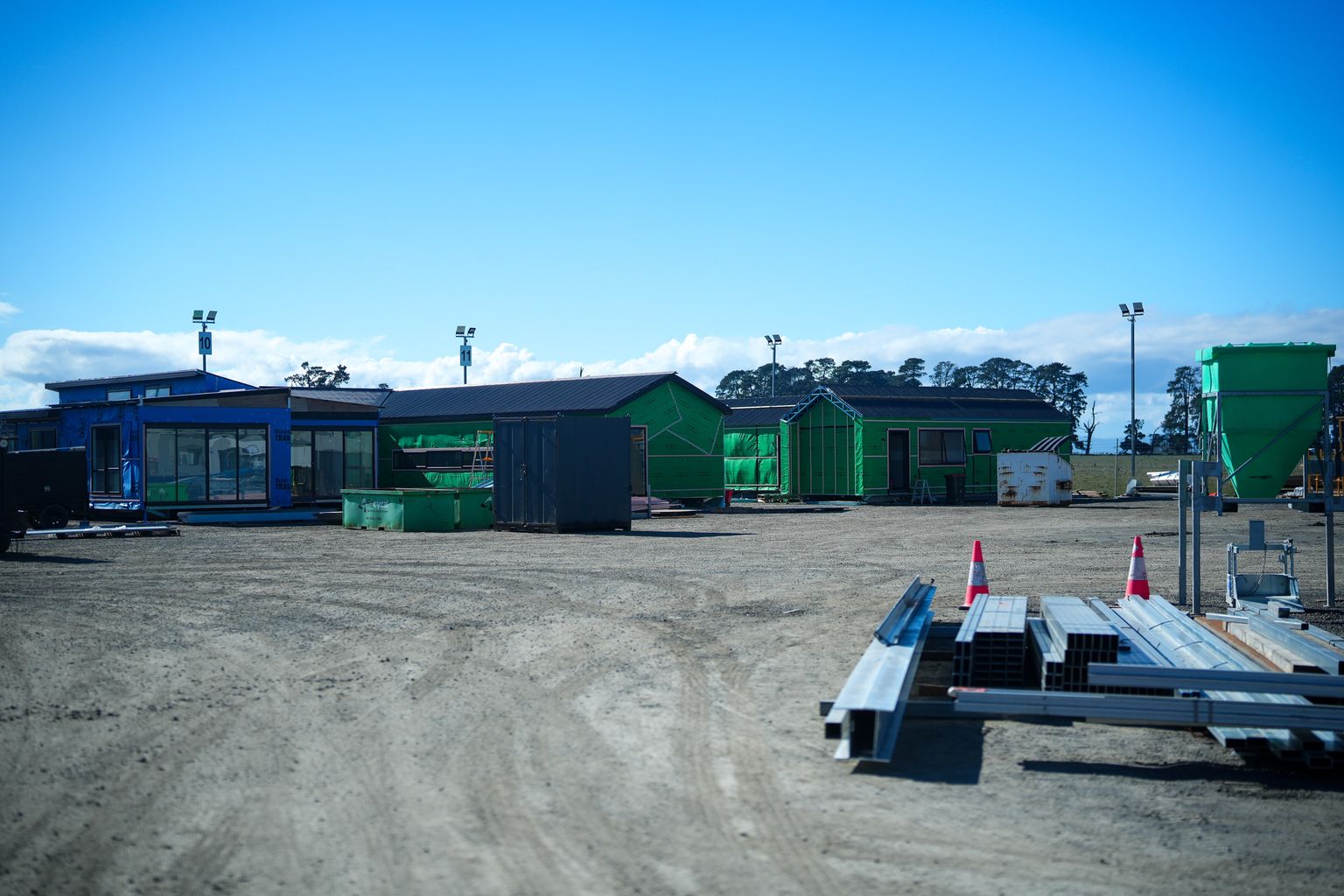
“We strongly support the Tasmanian Government’s commitment to deliver that finance guarantee,” Price said.
Housing and Planning Minister Kerry Vincent said the government had backed modular housing through social and affordable home investments and the finance guarantee was “a fantastic next step.”
Greens spokesperson Vica Bayley offered in-principle support, saying modular homes were “part of the solution” provided they met adequate standards.
The legislation is planned to be enacted in the last quarter of 2026.