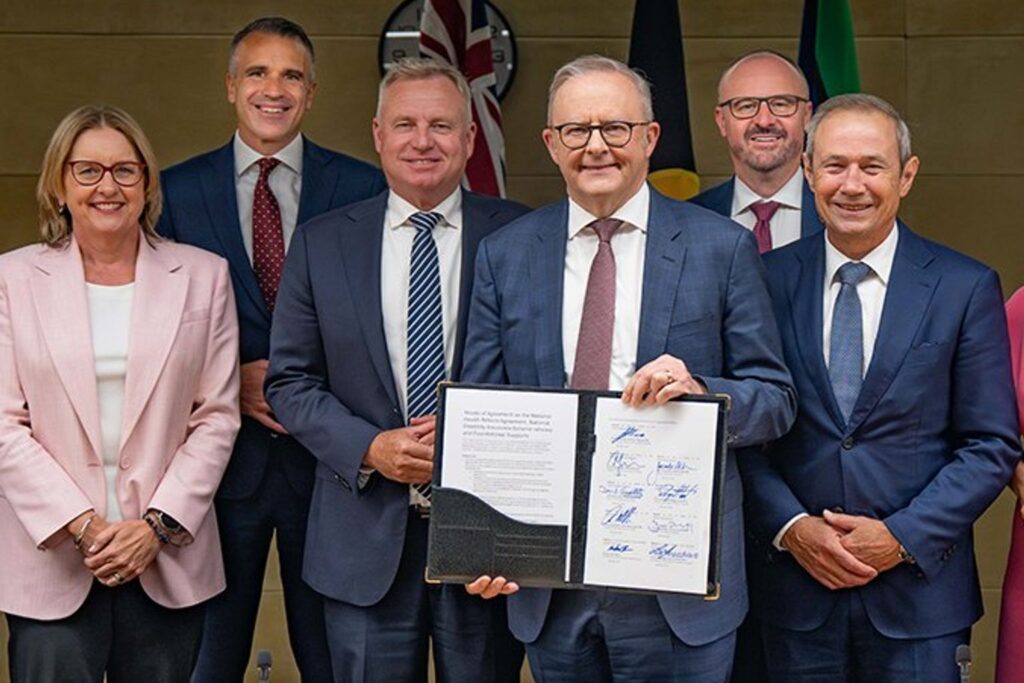
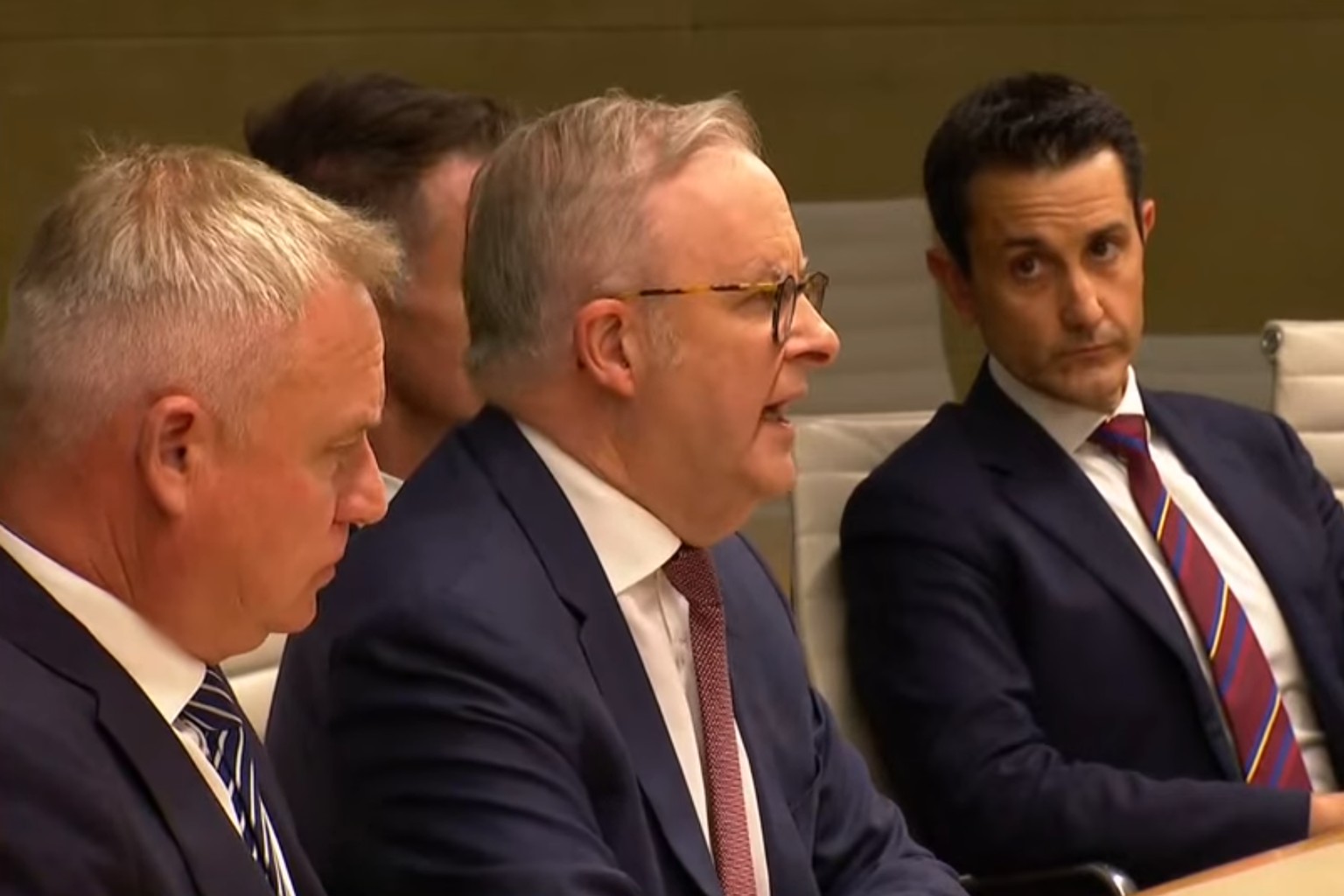
Tasmania will receive a share of record Commonwealth hospital funding after Prime Minister Anthony Albanese and state leaders signed a landmark health agreement on Friday.
The deal will see the federal government inject an additional $25 billion into public hospitals nationwide, lifting total funding to $219.6 billion over the next five years.
Albanese described the agreement as “one of the most significant national reforms in living memory”.
“This is three times more additional funding for public hospitals than was agreed to under the last five-year agreement under the Morrison government,” he said.
The prime minister said the reforms would ensure Australians could continue to access “world-class healthcare” while making the system sustainable.
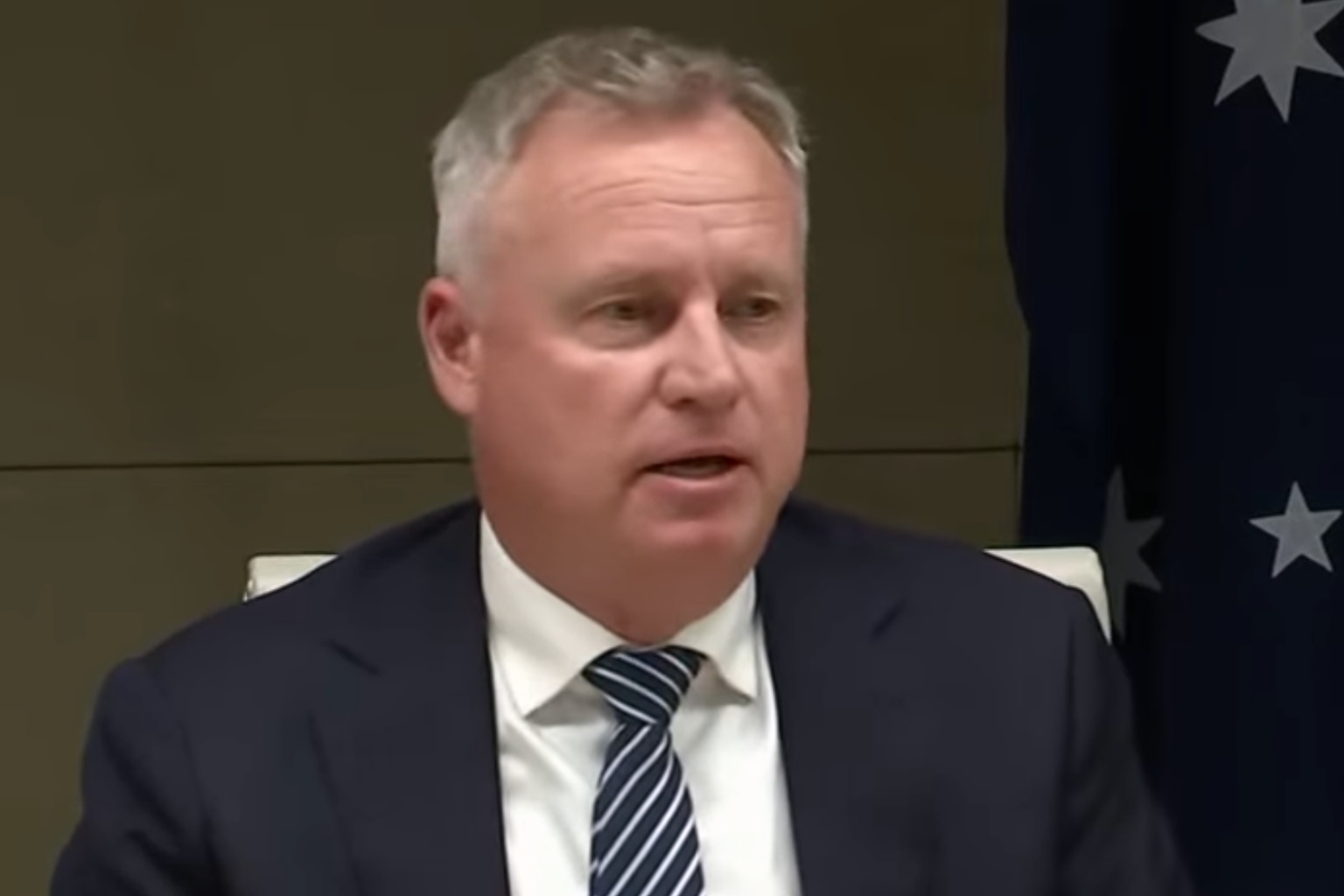
Tasmanian Premier Jeremy Rockliff said states had fought hard for a better deal.
“The states and territories made a very robust case for further funding, uplift in funding, certainty in funding, because we all care about the people we represent,” he said.
“Every single Australian, in my case Tasmanian, deserves the very best of health care.”
Rockliff said the outcome followed two years of “very strong advocacy” from premiers and chief ministers.
The agreement also commits governments to reining in NDIS spending, with a target of keeping growth at 6% or less.
Albanese pointed to other measures his government had introduced to ease pressure on hospitals, including the Medicare phone service launched on January 1 and 137 urgent care clinics.
He said bulk billing had expanded significantly, with 3,300 medical centres now fully bulk billed.
“1,300 of those are new as a direct result of our tripling of the bulk billing incentive,” he said.
The deal also includes aged care reforms aimed at moving longer-stay older patients out of hospital beds and into dedicated care – a key priority for states, including Tasmania.
Both leaders framed the agreement as putting patients ahead of politics.
Tasmania’s specific funding allocation is yet to be confirmed, but is understood to be about $700 million.