Tasmanian homebuilders could be hit with thousands of dollars in extra costs from May 1, when new changes to the National Construction Code are due to take effect.
The changes cover energy efficiency, waterproofing and condensation and have prompted the state government and building industry to call for a legislated freeze.
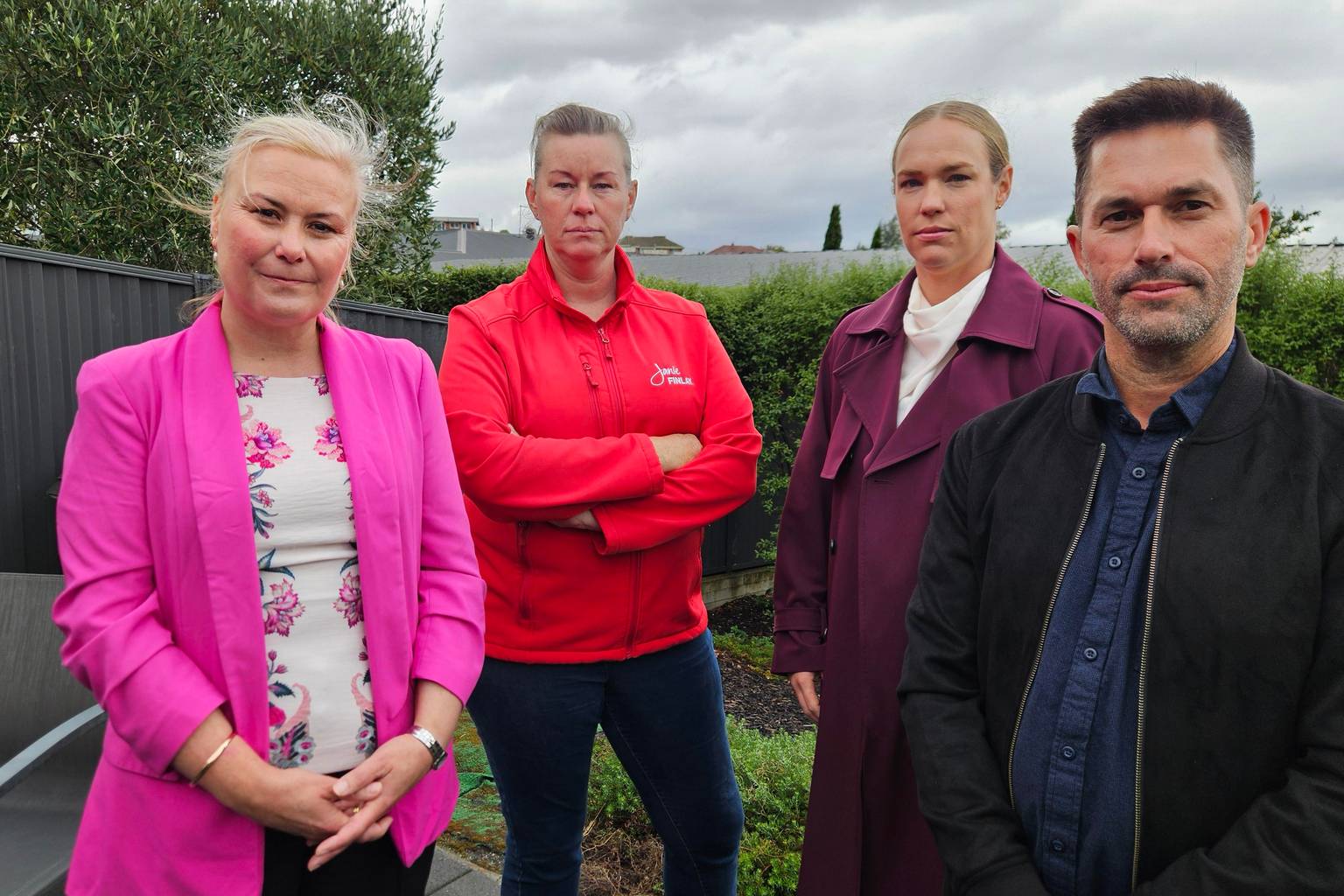
Deputy Premier Guy Barnett said the freeze bill was already before parliament and urged Labor to get behind it.
“We don’t want that extra red tape, the complexity and the increase in cost to build a home. Now is not the time,” Barnett said.
He said opposition to the bill was hurting Tasmanians trying to buy their first home.

“Labor’s opposition is just increasing that cost, increasing the red tape and the complexity,” he said.
Master Builders Tasmania chief executive Jenna Cairney said the code ran to 1,500 pages across three volumes.
“It’s an almighty rule book,” Cairney said.
She said every change added “thousands of dollars” to the cost of a new home and pushed ownership further out of reach.
Cairney said the industry was still digesting changes made in 2022, with each update forcing costly re-education of architects, builders and surveyors.
She said the code was meant to set minimum standards but had become a best-practice rule book that was nearly impossible to implement efficiently.
Launceston builder Matt Barwick said a freeze would give his business time to catch up on training and keep prices reasonable for buyers.
He said liveable housing rules introduced last October had already added “a minimum of $10,000” to every new build and further changes risked slowing delivery of the homes the state badly needs.
But Labor MP Anita Dow said Tasmanians deserved the same building standards as the rest of the country and that her party would not support the freeze.

“We don’t support there not being waterproofing or protection against mould in building conditions in Tasmania,” Dow said.
She said childhood asthma rates across the state made mould protections especially important.
Dow also pointed out the government “doesn’t need” Labor’s vote to pass the bill.
“It might come as a surprise to the deputy premier, but he’s actually in a minority government and he has to work with the Greens and the independents to get his legislation through the parliament,” she said.