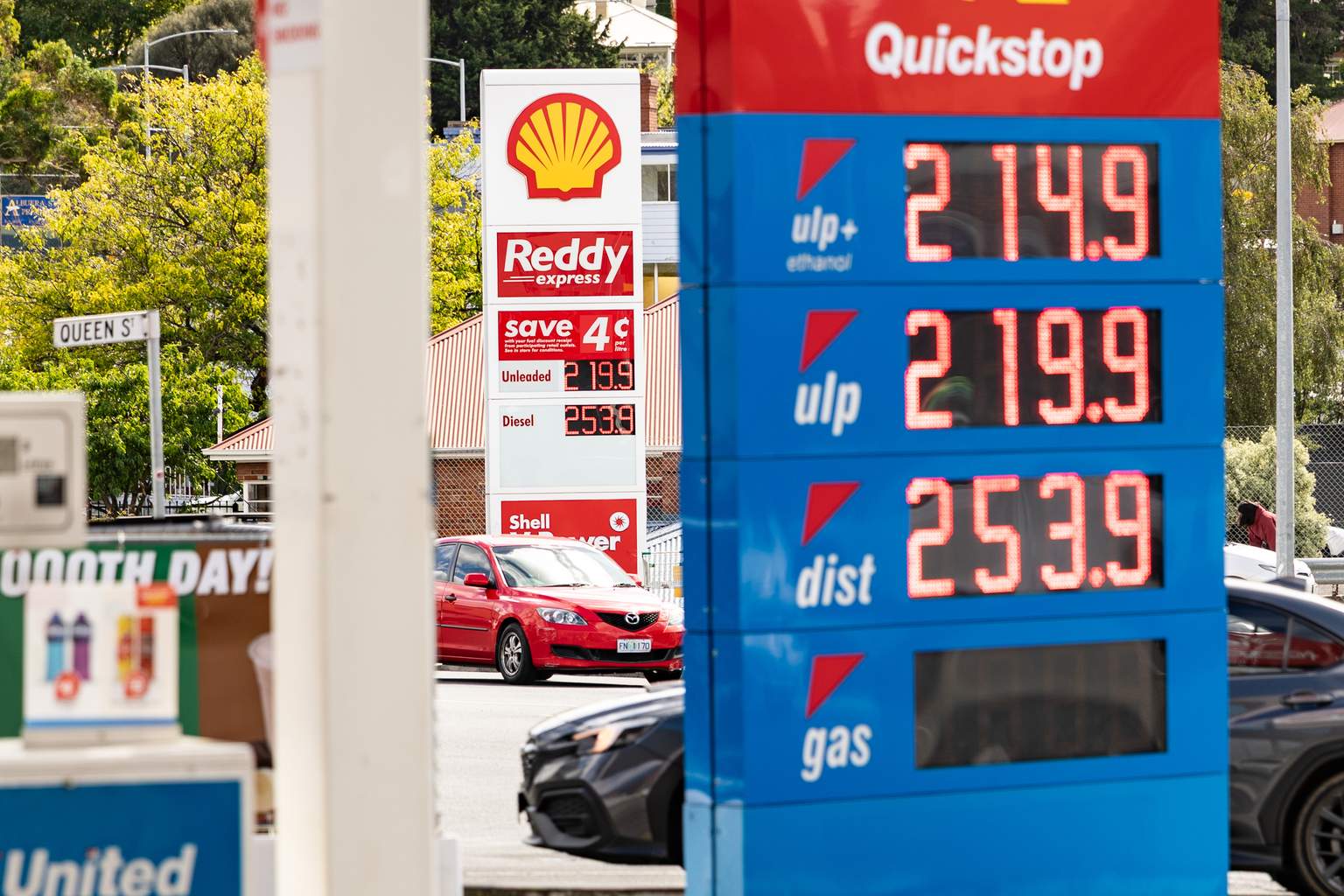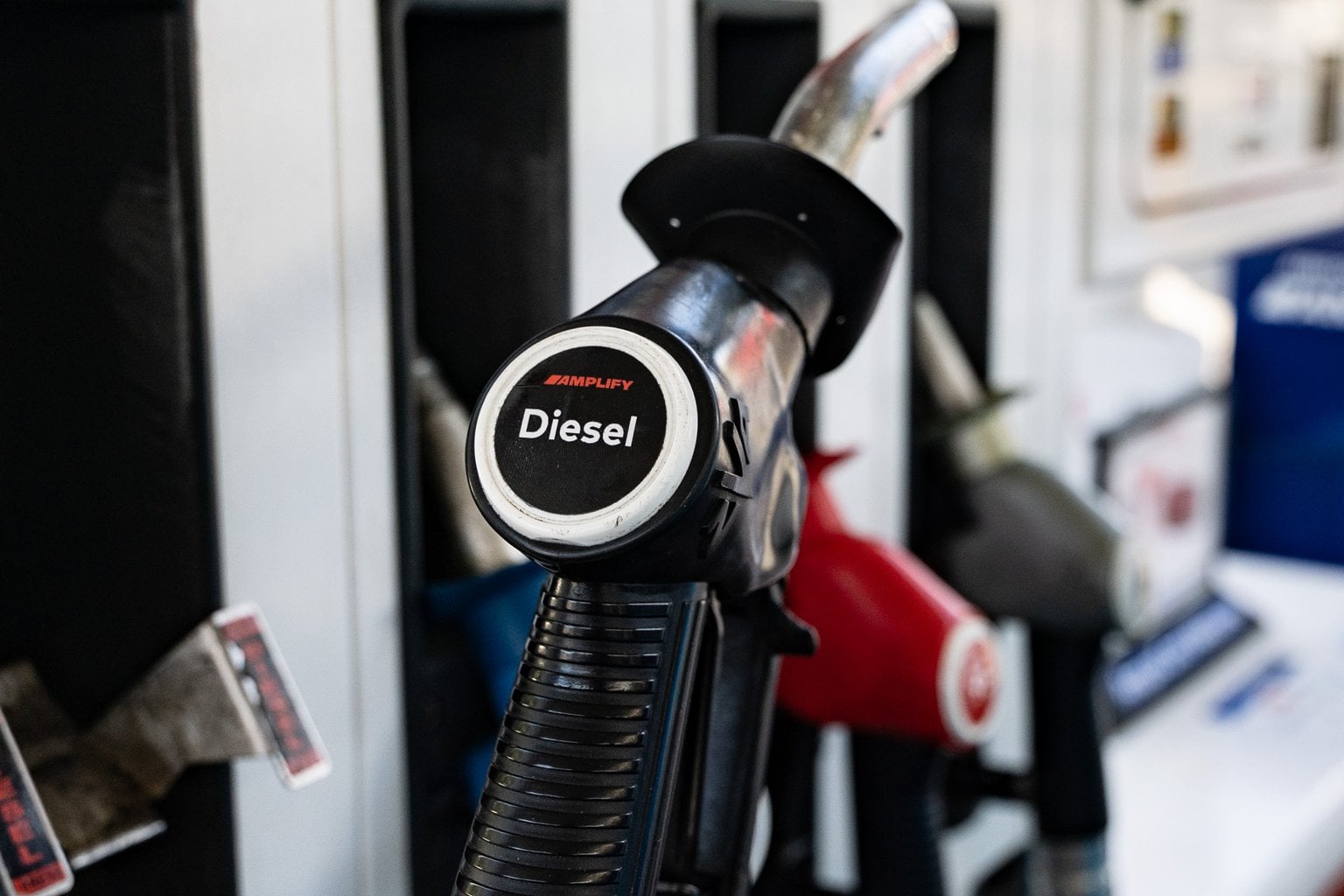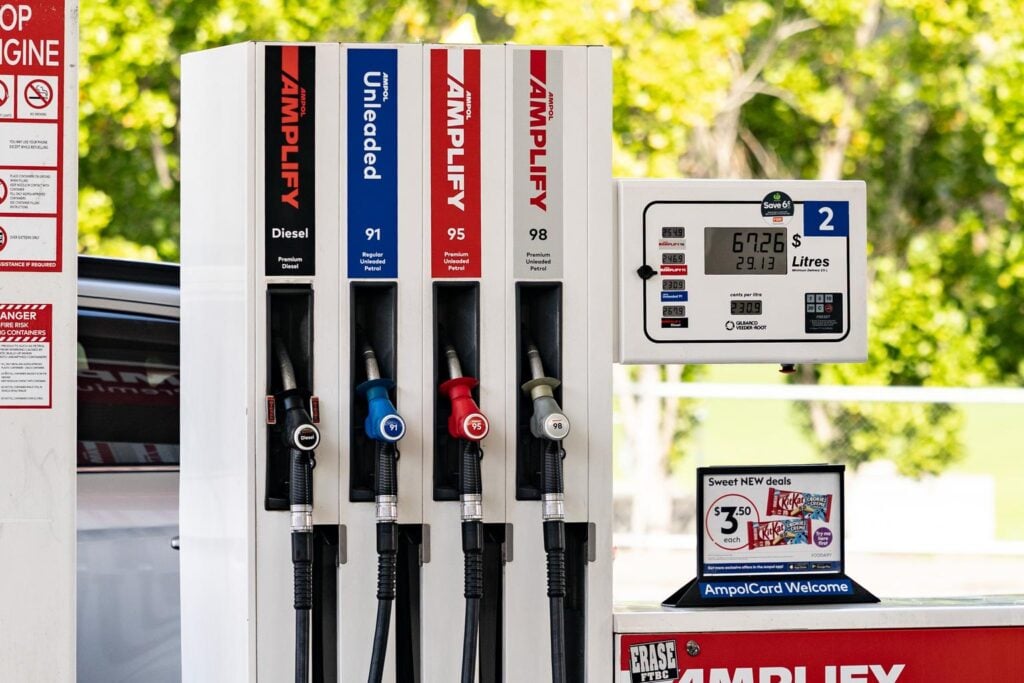
A broad coalition of Tasmanian business groups is calling on the federal government to halve the fuel excise, warning rising costs are threatening industries and households across the state.
Industry bodies spanning forestry, tourism, hospitality, construction, small business and transport have joined forces to demand the excise – currently 52.6 cents per litre – be halved for at least three months.
Tasmanian Chamber of Commerce and Industry (TCCI) acting chief executive Colleen Reardon said the pressure was being felt everywhere.
“There would not be a single industry sector which isn’t affected,” she said.
The coalition estimates the move would cost the Commonwealth about $2 billion in forgone revenue, but argues the relief is justified.
Reardon said state governments were also receiving a windfall through GST on fuel sales.
Tasmanian Forest Products Association (TFPA) chief executive Nick Steel warned the forestry sector was under acute pressure, with fuel costs hitting every stage from harvesting to haulage.
“If forestry slows materially or even pauses, the impacts will be immediate and cascading,” he said, pointing to flow-on effects for housing, agriculture and freight.
Hospitality Tasmania chief executive Steve Old said rising costs were discouraging travel and hurting regional operators heading into the shoulder season.
“Fuel costs don’t just hit the bowser, they flow through the entire hospitality supply chain,” he said.
Deputy Premier Guy Barnett backed the call, saying the federal government was the only level of government able to reduce the burden.
“If we want fuel prices to go down, the federal government needs to step up,” he said.
Independent MLC Dean Harriss pointed to the 2022 precedent, when the excise was halved, saying regional families needed the same relief now.
“That applied for six months. It needs to be brought back,” he said.
But Prime Minister Anthony Albanese sidestepped the excise question at a Canberra press conference on Friday, instead pointing to the government’s broader cost-of-living record.
“We do so in a responsible way in the context of our budget considerations,” he said.
Federal Energy Minister Chris Bowen said the focus remained on securing supply, noting regional fuel deliveries from refiners were up between 20% and 47% year-on-year.
He said six cancelled international shipments had been replaced, with additional cargoes ordered.
Neither Albanese nor Bowen committed to or ruled out an excise cut.
National cabinet will meet on Monday to discuss the fuel situation.