Tasmanian farmers are urging locals to skip cheap imports and fill their Christmas tables with homegrown produce this festive season.
Tasmanian Irrigation has launched a ‘Buy Local This Christmas’ campaign, highlighting 10 agricultural businesses across the state’s irrigation schemes.
The push comes as cheaper imported goods continue to put pressure on local growers.
“Our farmers are working so hard at this time of year and a great way to say thanks is to purchase their products to enjoy with your family and friends,” Tasmanian Irrigation chief executive Mike Sylvester said.
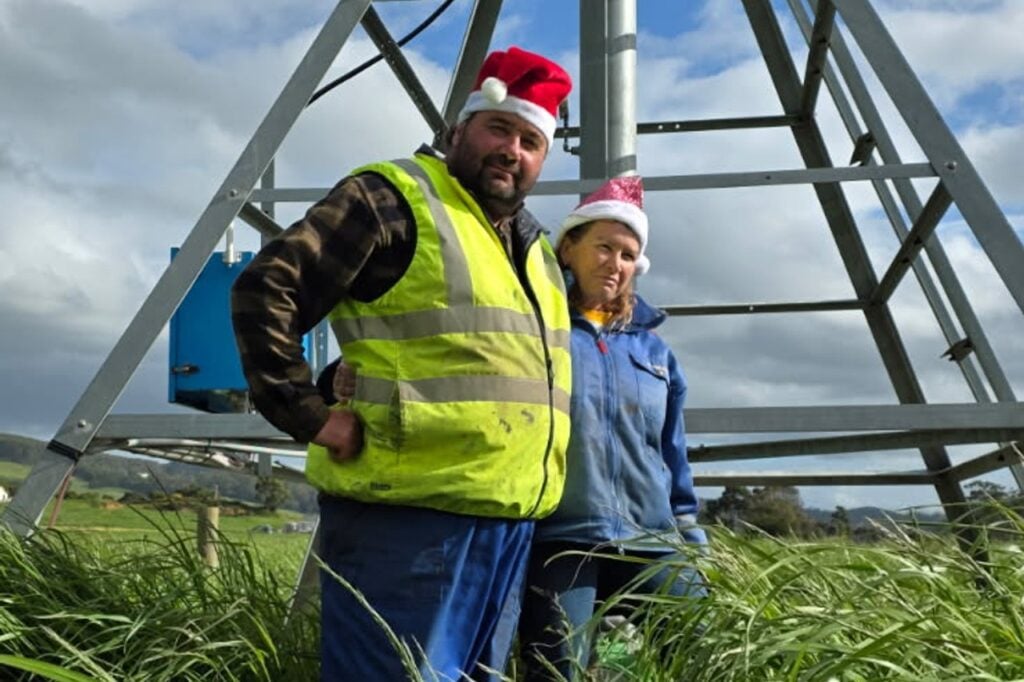
Circular Head beef farmer Michael Hughes has a simple suggestion for Tasmanians planning their Christmas menu.
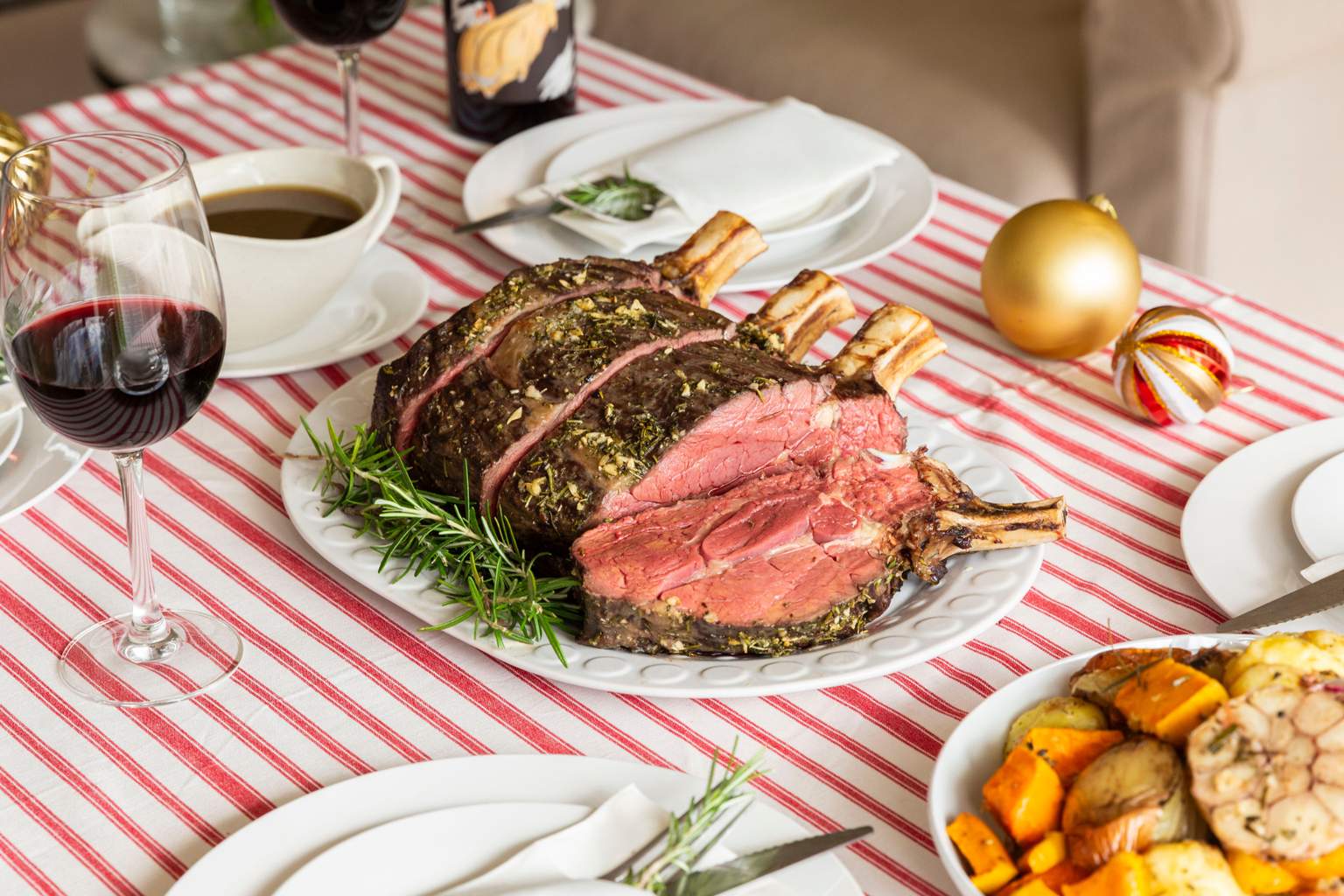
“Ditch the turkey and the ham and instead throw a beautiful Tasmanian steak on the BBQ,” he said.
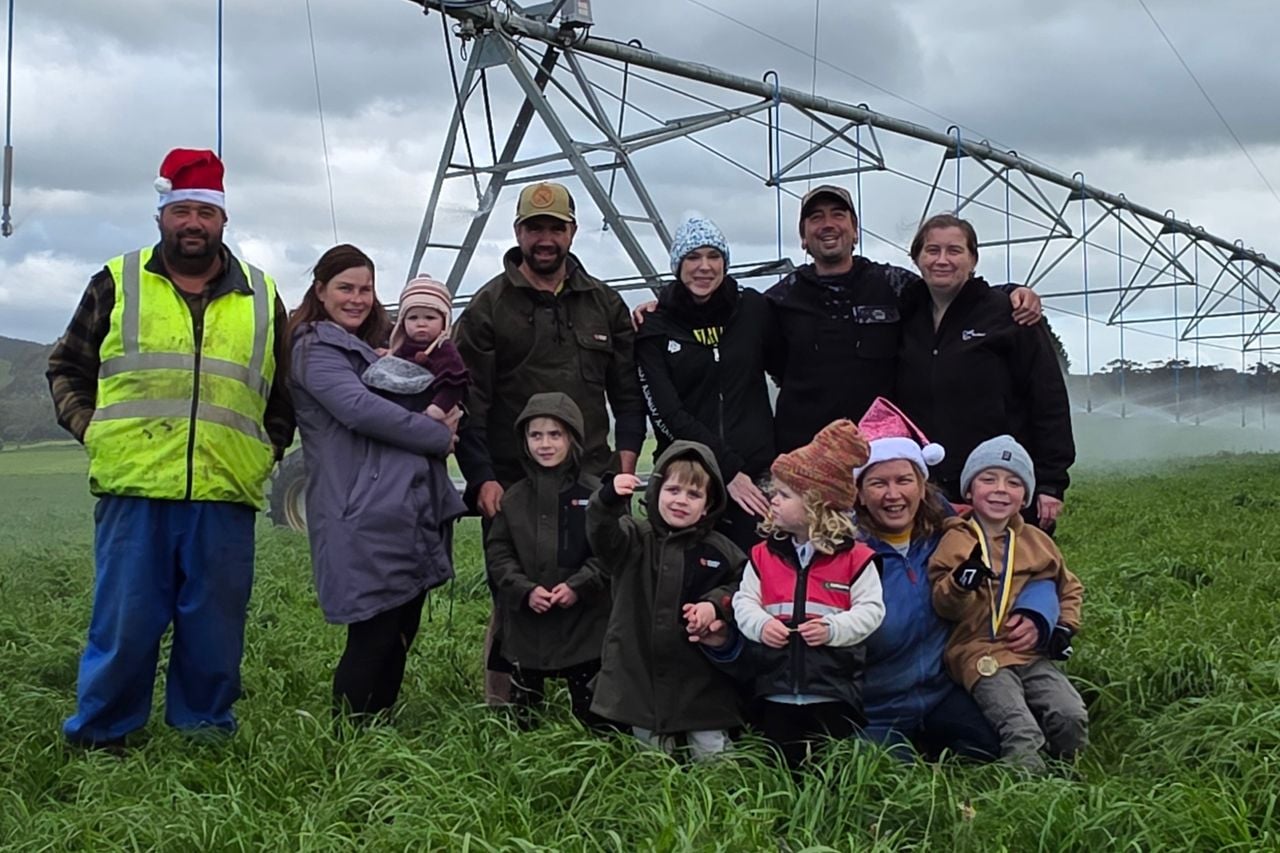
The Hughes family sold their 420-cow dairy two years ago and now run up to 500 head of cattle on their 140-hectare property near Irishtown.
Their ‘Never Ever’ accredited beef is sold to Greenham for the Cape Grim Beef label.
“For us it’s all about lifestyle, enjoying what we do and making sure we eat plenty of premium grass-fed beef from our highly productive region – even at Christmas,” Hughes said.
Berry producer Costa is also gearing up for the festive rush, with tonnes of strawberries, raspberries and blackberries and blueberries being picked in the lead-up to Christmas.
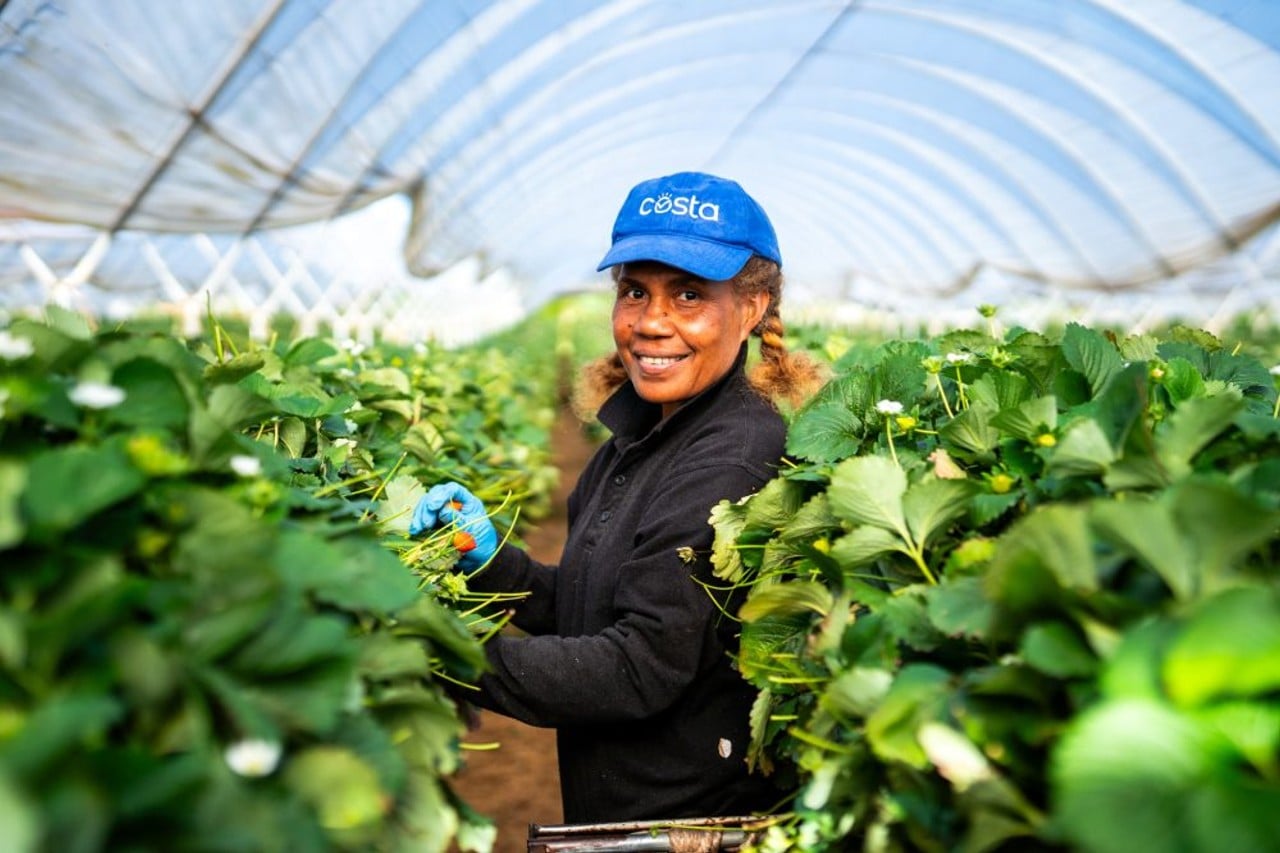
The company operates 230 hectares across four sites in northern Tasmania.
“Berries are fresh, nutritious and so good for you so we hope that all Tasmanians will be adding many berries to their Christmas menus again this year,” Costa Berries Tasmania regional manager Rohan Kile said.
On the east coast, Spring Vale Vineyard managing director Tim Lyne encouraged locals to support Tasmanian winemakers.
“There’s nothing like a Tassie sparkling for breakfast on Christmas Day, followed by a crisp Tasmanian Pinot Gris or Sauvignon Blanc with the BBQ’d prawns for entrée,” he said.
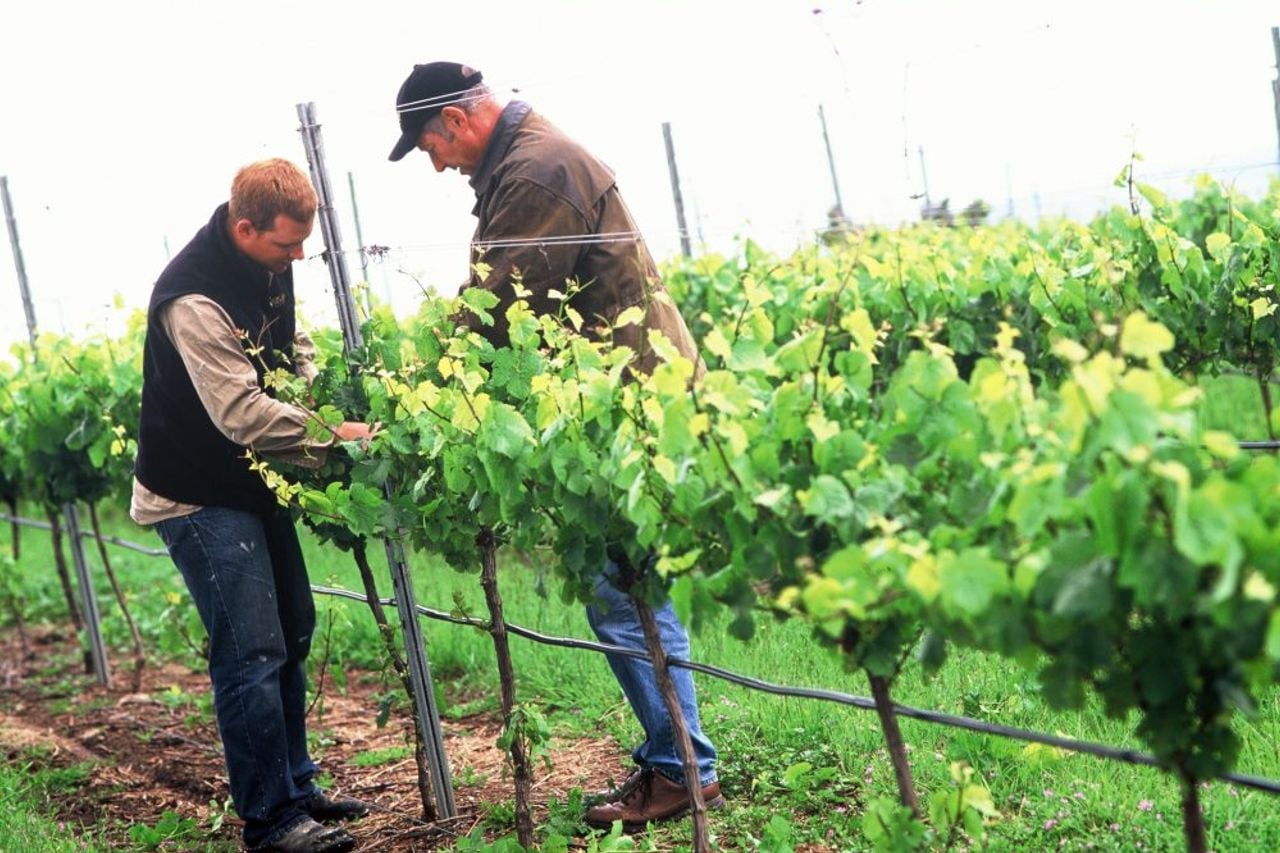
The Lyne family first planted grapes near Cranbrook in 1986 and now cultivates 31.6 hectares of vines.
Tasmania has more than 2,000 hectares planted to vines, accounting for about 1% of the nation’s vineyard area, but a much larger share by value.
Sylvester said the state’s irrigation infrastructure allowed farmers to produce world-class food and beverages year-round.
“We have ideal soils, climate, technology and expertise – and of course irrigation water – to ensure our food and beverages rank with the best in the world,” he said.
The campaign is also encouraging families to talk about where their Christmas produce comes from as they gather around the festive table.