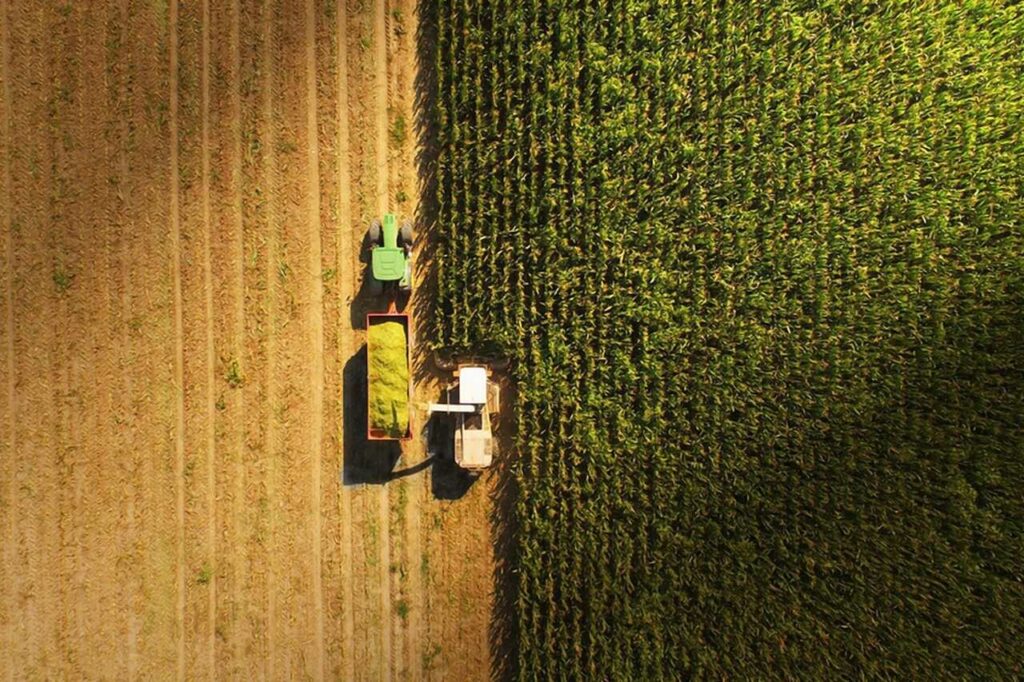
Tasmanian farmers are weighing up whether to leave crops in the ground this harvest, as rising fuel costs and fertiliser shortages push some growers to breaking point.
TasFarmers says fresh produce growers are questioning whether harvesting remains financially viable, with diesel prices and tightening fertiliser supplies squeezing margins.
President Nathan Cox says the pressure is driving real decisions on farms across the state.
“Given where fuel prices are at the moment and with fertiliser becoming harder to access, farmers are seriously considering whether to harvest,” Cox said.
“Our cost inputs have squeezed margins so tightly that harvesting may no longer stack up for some farmers.”
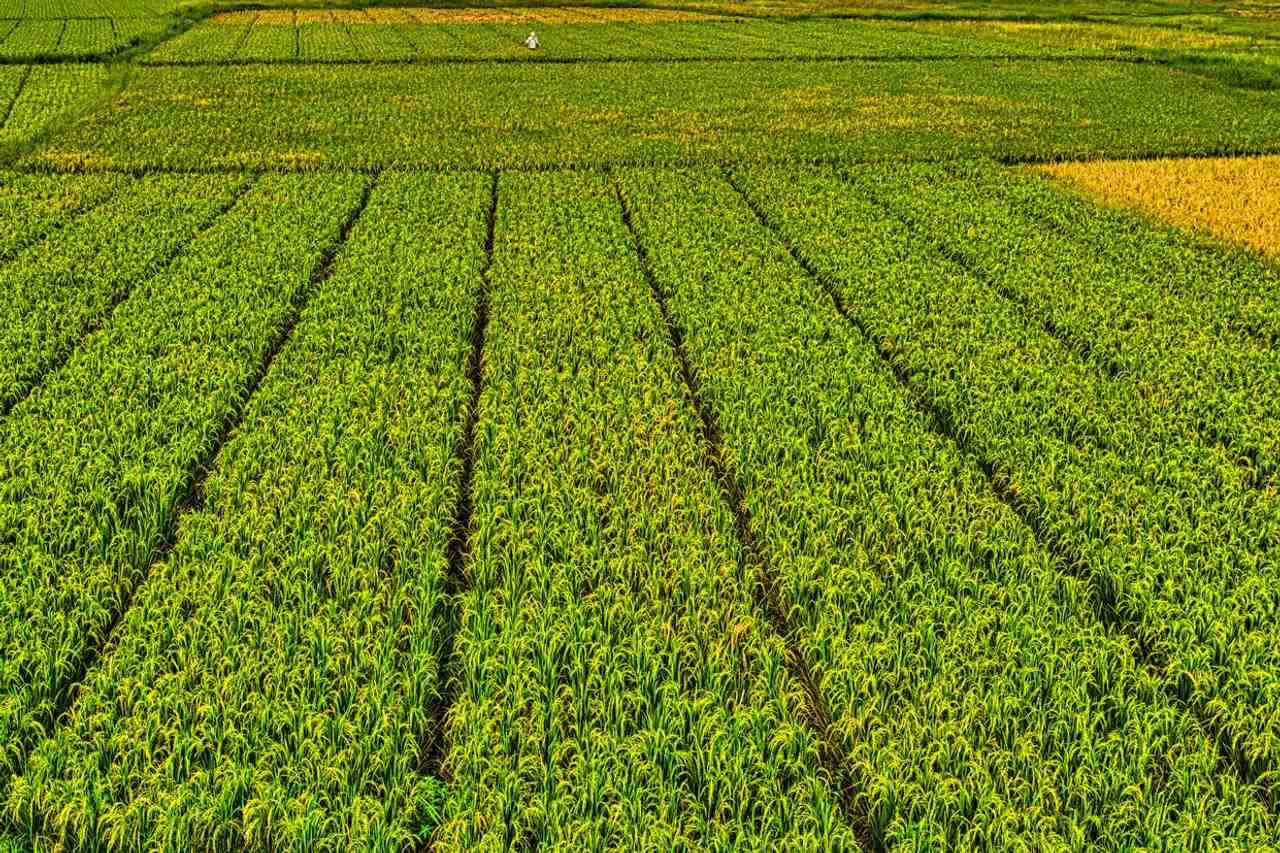
In the worst cases, he said, growers were doing the maths and walking away from the paddock.
“In this operating environment, it can be more cost-effective to just plough it back in. That’s not what we want.”
The warning comes as Australia faces a fuel squeeze linked to conflict in the Middle East, which has disrupted shipments through the Strait of Hormuz.
National diesel reserves sit at about 29 days – well below the International Energy Agency’s recommended 90-day buffer.
Diesel prices in Tasmania have climbed above $3 a litre on average.
The federal government has rejected suggestions it lacks a plan.
The federal parliament recently passed legislation giving Export Finance Australia new powers to underwrite fuel and fertiliser purchases from overseas suppliers.
Federal Resources Minister Madeleine King said the changes were designed “to keep fuel flowing to Australian homes, farms and businesses”.
Federal Energy Minister Chris Bowen has maintained that overall national fuel supply remains stable, with fresh shipments inbound.
But Cox says farmers need certainty on the ground.
“If the federal government want farming to continue and the food supply chain to remain viable, they’ve got to have a real plan,” he said.
TasFarmers is calling for fuel tax credits to be extended and for diesel supplies to be prioritised for agriculture, warning shoppers could otherwise see less fresh Tasmanian produce on supermarket shelves.